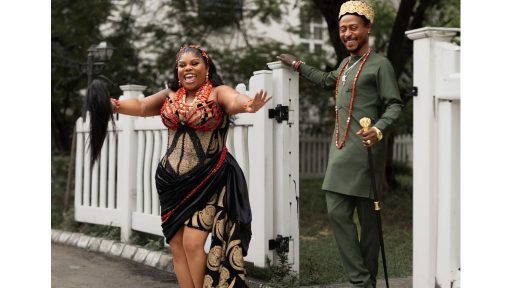




Understanding the Cultural Importance of Guest Lists in Nigerian Weddings
Significance of Guest Lists in Nigerian Traditions
Guest lists play a vital role in Nigerian wedding celebrations.
They reflect the community’s values and the couple’s social connections.
Moreover, inviting the right guests honors family heritage and social status.
Families often ensure important relatives and friends are included to maintain harmony.
Therefore, guest lists are more than attendance records; they symbolize respect and unity.
Role of Extended Family and Community
Extended family members usually have significant influence over the guest list.
They help decide who gets invited to preserve family ties and cultural expectations.
Community leaders and respected elders often receive invitations as a mark of respect.
Likewise, neighbors and close family friends strengthen social bonds through their presence.
Thus, the guest list serves as a bridge connecting various social circles.
How Guest Lists Reflect Yoruba, Igbo, and Hausa Traditions
Among the Yoruba, guest lists include both paternal and maternal relatives distinctly.
Igbo weddings emphasize inviting entire villages and hometown members.
Meanwhile, Hausa weddings often extend invitations to religious leaders and prominent community figures.
Consequently, each ethnic group showcases its unique customs through carefully curated guest lists.
This diversity highlights Nigeria’s rich cultural heritage within weddings.
Practical Considerations in Managing Large Guest Lists
Large Nigerian weddings often involve hundreds or even thousands of guests.
Coordinating such events requires detailed planning and organization.
Professional wedding planners like Temi Olawale help families manage these lists effectively.
Additionally, digital tools support updating and tracking invitations smoothly.
Ultimately, respecting cultural importance while managing logistics remains key to successful weddings.
Determining the Ideal Number of Guests Based on Venue Capacity and Budget
Assessing Venue Capacity
Start by selecting a wedding venue that matches your expected guest count.
Consider venues like the Lagos Oriental Hotel or the Balmoral Convention Centre.
Each venue has a maximum capacity you must respect for safety and comfort.
Therefore, review the seating arrangement options and available space carefully.
Besides indoor space, factor in outdoor areas for additional guests or activities.
Communicate with venue managers such as Mrs. Adebayo or Mr. Okafor for precise capacity details.
Aligning Guest List with Your Budget
Calculate the total budget allocated for the wedding event early in planning.
Recognize that food, entertainment, and decorations scale with guest numbers.
For example, catering services like Chef Ifeoma’s Kitchen charge per head.
Other costs to consider include invitations, transportation, and accommodation.
Use these details to create an estimated cost per guest for more accurate budgeting.
Balancing Venue Limits and Financial Resources
Compare the maximum venue capacity with the number of guests your budget can support.
Prioritize essential attendees such as close family and key friends like Chika and Tunde.
If your budget is tight, consider a more intimate guest list to reduce expenses.
Alternatively, explore venues with flexible pricing or larger capacity for bigger lists.
Engage with wedding planners like Adaobi Events to optimize budget without compromising guest comfort.
Practical Tips for Finalizing Your Guest Count
- Make an initial list with all potential guests and categorize by priority.
- Use RSVP tracking tools provided by vendors such as Elegant Invitations.
- Set clear deadlines for guest confirmations to avoid last-minute adjustments.
- Reserve extra capacity for unexpected guests from close networks.
- Keep communication transparent with family members involved in the planning.
Categorizing Guests
Family
The family forms the core of any Nigerian wedding guest list.
Immediate family members usually take priority when sending invitations.
Extended family such as cousins and in-laws also deserve consideration.
Moreover, elders in the family hold significant respect at these events.
Therefore, allocate special seating and personalized attention for elders.
Friends
Friends include childhood pals, university mates, and close neighbors.
Prioritize those who share a close bond with the couple.
Keep in mind, friends often contribute to the joyful atmosphere of the celebration.
Additionally, invite friends who actively participate in cultural and social activities.
Colleagues
Colleagues from work often attend to support the couple professionally.
Consider inviting managers, supervisors, and key team members.
Invitees from previous workplaces may also hold sentimental value.
Furthermore, a balanced selection ensures the list remains manageable.
Community Members
Community members reflect the couple’s local connections and social standing.
These can include local chiefs, religious leaders, and neighbors.
Involve those who support or influence the couple’s social environment.
Recognize community figures with formal invitations to show respect.
VIPs
VIPs include government officials, prominent business owners, and celebrities.
Invite these guests thoughtfully to enhance the event’s prestige.
Often, VIP invitations require early planning and formal RSVP procedures.
Finally, ensure seamless coordination to accommodate special VIP requests.
See Related Content: Innive Events Wedding Planning Services in Lagos with Customized Event Styling
Collaborating with Family Elders and Stakeholders to Finalize the Guest List
Engaging Family Elders in the Decision-Making Process
Family elders hold significant influence in Nigerian weddings.
Therefore, involving them early ensures respect and smooth planning.
Begin by arranging a meeting with key elders from both families.
During the meeting, listen carefully to their suggestions and concerns.
Moreover, acknowledge their role in honoring family traditions.
This approach fosters cooperation and shared ownership of the guest list.
Incorporating Stakeholder Perspectives
Besides elders, other stakeholders include family members and close friends.
Wedding planners and coordinators also contribute valuable input.
Gather their views on the number of guests and special invites.
Additionally, consider the couple’s wishes to maintain balance.
Use collaborative tools like shared spreadsheets for transparency.
Such collaboration helps avoid conflicts and overlaps in the guest list.
Balancing Tradition with Practical Considerations
Traditional Nigerian weddings often involve large gatherings of relatives.
However, venue capacity and budget require careful consideration.
Discuss openly how to prioritize guests based on closeness and roles.
Subsequently, categorize guests into core family, extended family, and friends.
This method aligns expectations and meets logistical constraints effectively.
Regular updates and feedback loops keep everyone informed and engaged.
Techniques for Managing Guest List Collaboration
Schedule follow-up meetings to review and revise the guest list together.
Use digital communication tools for quick approvals or adjustments.
Create a clear timeline to finalize the list by agreed deadlines.
Assign a dedicated liaison, such as a trusted relative, to coordinate inputs.
Encourage respectful dialogue when disagreements arise.
Overall, teamwork results in a well-organized and inclusive guest list.
Explore Further: Event by Giggy Wedding Planning and Rental Services in Lagos, Anthony Village
Using Digital Tools and RSVP Management Systems to Track Guest Confirmations
Benefits of Adopting Digital Guest List Management
Managing large Nigerian wedding guest lists requires efficient organization.
Digital tools streamline the tracking of guest confirmations effectively.
They reduce manual errors and save valuable planning time.
Moreover, these tools provide real-time updates on attendance status.
This approach supports seamless communication with guests across Nigeria and beyond.
Popular Digital Tools and Platforms
Several platforms specialize in wedding RSVP and guest list management.
For instance, BellaPlanner offers tailored features suitable for big weddings.
WeddingDayApp integrates invitation sending with confirmation tracking.
Additionally, NaijaEvents provides localized support for Nigerian weddings.
These platforms allow event planners like Amina Okoro to coordinate guest details smoothly.
Features to Look for in RSVP Management Systems
Choose systems that offer intuitive guest list import options.
Analyze attendance trends through dynamic dashboards and reports.
Enable personalized invitations and reminders via email or SMS.
Secure data handling ensures guest details remain confidential.
Integration with budgeting tools helps track event costs linked to attendance.
Steps for Effective Implementation of Digital Tools
Start by compiling an initial guest database in a spreadsheet.
Next, upload this list to a preferred RSVP management platform.
Send digital invitations early to encourage timely responses.
Regularly review confirmation statuses to adjust event logistics.
Consider assigning a tech-savvy coordinator like Chinedu Eze to oversee this process.
Strategies to Overcome Challenges with Digital RSVP Management
Some guests may prefer traditional RSVPs; offer hybrid options.
Educate less tech-friendly attendees through SMS or phone follow-ups.
Maintain backup records offline to prevent data loss.
Stay flexible in updating the guest list as new confirmations arrive.
Digital tools enhance accuracy and simplify large wedding planning.
Uncover the Details: Ufojackevents Wedding and Event Decoration Services in Port Harcourt Since 2009
Strategies for Prioritizing Guests When Dealing with Limited Space
Identifying Core Family and Close Friends
Start by listing immediate family members from both sides of the couple.
Next, include close friends who have played significant roles in their lives.
This approach ensures that key relationships remain honored despite space limits.
Consult with family elders to confirm must-invite guests and cultural expectations.
Segmenting the Guest List by Relationship
Divide guests into categories such as relatives, colleagues, neighbors, and acquaintances.
Prioritize each category based on its importance to the bride and groom.
For example, close cousins might take precedence over distant colleagues.
This method helps to organize the list clearly and transparently.
Utilizing RSVP Limits and Clear Communication
Set strict RSVP deadlines to control the number of attendees effectively.
Communicate politely but firmly about space limitations to all invitees.
Encourage understanding by explaining the cultural and logistical challenges.
This strategy reduces last-minute guest changes and avoids overcrowding.
Leveraging Technology for Guest Management
Use digital invitation platforms such as Eventbrite or Wedugo for tracking responses.
These tools allow easy updates and help monitor guest confirmations in real-time.
Additionally, digital management reduces errors often seen in manual lists.
Event planners like Lagos-based Amaka Events recommend this for efficiency.
Planning for Plus-Ones and Children Thoughtfully
Limit plus-one invitations to guests in long-term relationships only.
Discuss ahead with families about bringing children to avoid unexpected numbers.
Consider providing a separate kids' zone or entrusting childcare to professionals.
This approach balances hospitality with available venue space wisely.
Coordinating with Vendors and Venue Management
Confirm the maximum capacity with the venue to guide final guest list decisions.
Work closely with caterers like Taste of Naija Catering for accurate headcounts.
Adjust table arrangements to maximize seating without overcrowding guests.
Proper coordination ensures a smooth and comfortable experience for all attendees.
Discover More: MYRUBIEES EVENTS Wedding Planning Services in Owerri with Certified Event Planners

Handling Plus-Ones in the Guest Count
Clarifying Plus-One Invitations
Invitees often assume they can bring plus-ones by default.
Therefore, it is important to clearly specify if plus-ones are allowed.
Communicate this policy early to avoid confusion and last-minute changes.
For example, specify “plus-one included” directly on the invitation.
Also, inform guests how to confirm their plus-one’s attendance.
Considering Relationships and Cultural Norms
Consider the nature of your guests’ relationships when approving plus-ones.
In Nigerian weddings, family and close friends often expect to bring partners.
Nonetheless, limit plus-ones to maintain a manageable guest list size.
Discuss exceptions with close family members if needed.
Additionally, be mindful of cultural expectations regarding extended family.
Managing RSVP Tracking for Plus-Ones
Track plus-one responses separately to account for accurate headcounts.
Use digital tools or spreadsheet systems designed for wedding planning.
This approach prevents miscounts and helps with accurate catering orders.
Moreover, assign a designated team member to follow up on pending replies.
Timely communication ensures smooth coordination and reduces stress.
Including Children in the Guest List
Deciding Whether to Invite Children
Decide early if the wedding will be children-friendly or adults-only.
Consider the venue, budget, and overall event atmosphere in this decision.
In many Nigerian weddings, inviting children depends on family preferences.
Clearly state your policy on invitations to avoid misunderstandings.
This information helps families plan ahead and arrange childcare if necessary.
Designating Special Provisions for Children
If inviting children, allocate space and activities tailored for them.
For instance, arrange a kids’ corner with games and suitable supervision.
Caterers should be informed to prepare child-friendly meals and beverages.
Such provisions increase guest comfort and enjoyment for families.
Furthermore, this approach reflects thoughtfulness and cultural consideration.
Adjusting the Guest Count for Children
Specify whether children are counted in the headcount or considered separately.
Some venues charge differently for children, impacting costs significantly.
Therefore, accurately track the number of children attending.
Request detailed RSVP information to avoid unexpected expenses.
Use this data to fine-tune seating arrangements and event logistics.
Planning for Last-Minute Additions and Cancellations
Anticipating Changes During the Planning Phase
Wedding guest lists often change as the big day approaches.
Therefore, prepare for last-minute additions and cancellations early.
Communicate clearly with families like the Adebayo and Okonkwo families about potential changes.
Also, maintain flexible RSVP deadlines to accommodate adjustments.
Moreover, work closely with event planners such as Eventorium Nigeria for smooth updates.
Maintaining an Up-to-Date Guest List
Use digital tools like RSVP Master to track guest responses in real time.
This approach helps avoid errors when adding or removing guests.
Additionally, assign a team member like Funke Adeoye to manage ongoing updates.
Consequently, they can alert caterers and venue staff promptly of any changes.
Strategies for Handling Last-Minute Additions
Keep a small buffer when estimating the number of guests attending.
This buffer allows easier accommodation of unexpected attendees like friends of the bride or groom.
Furthermore, arrange with caterers such as Flavors Catering to provide flexible meal options.
Also, plan seating arrangements that can adapt to sudden guest increases.
Managing Cancellations Gracefully
Expect some guests to cancel due to travel or health issues.
Contact guests like Mr. Emeka Nwosu promptly to confirm attendance closer to the date.
If cancellations occur, update vendors swiftly to prevent unnecessary expenses.
Furthermore, consider a waitlist system to fill spots from cancellations when possible.
Best Communication Practices for Guest Updates
Maintain open communication channels using WhatsApp groups or email lists.
Inform guests of any updates regarding attendance and event details.
Also, express appreciation for guests’ flexibility to keep relationships positive.
Ultimately, strong communication minimizes confusion and enhances overall planning.
Coordinating Seating Arrangements to Honor Cultural Norms and Relationships
Recognizing Cultural Seating Traditions
Nigerian weddings emphasize respect and hierarchy in seating arrangements.
Guests are often seated according to age, status, and family roles.
Therefore, assigning seats requires understanding these cultural nuances.
For instance, elders and family heads receive prominent seating locations.
Additionally, cultural groups from different regions may have varied preferences.
Consequently, research and consultation with cultural advisors help navigate these customs.
Mapping Relationships to Optimize Guest Comfort
Relationships influence how guests are grouped during the event.
Close family members and friends typically sit together to foster connection.
Moreover, seating neighbors are arranged to encourage positive interactions.
Wedding planners use detailed guest lists including relationships and affiliations.
This strategy reduces conflicts and enhances the celebratory atmosphere.
Implementing Effective Seating Plans
Start seating plans early to allow time for adjustments and consultations.
Create visual seating charts to represent guest placement clearly.
Use tables that accommodate cultural grouping and family ties.
Also, color-coding or labeling tables can ease guest navigation.
Communicate the seating plan to usher staff to guide guests accordingly.
Collaborating with Key Family Members
Invite respected family elders to review seating plans before finalizing.
Their input ensures cultural values and relationships are properly honored.
For example, Mrs. Funmilayo Adekunle, a family matriarch, can provide valuable advice.
Involving families also helps avoid potential seating disputes.
Using Technology to Manage Large Guest Lists
Specialized software helps organize and adjust complex seating plans efficiently.
Platforms like Eventbrite Seating or AllSeated support collaboration among planners.
These tools allow easy updates and sharing with family and vendors.
Thus, planners like Ngozi Eze use technology to streamline seating coordination.
Considerations for Diverse Cultural Guests
Large Nigerian weddings often include guests from various tribes and regions.
Recognize unique seating practices for Yoruba, Igbo, Hausa, and other groups.
Respecting these distinctions enhances guest comfort and cultural pride.
Therefore, assign dedicated sections or tables for different cultural contingents.
This approach promotes harmony and acknowledges cultural identities effectively.
Communicating Guest List Details with Caterers, Security, and Event Staff
Collaborating with Caterers
Start by providing caterers with a detailed guest list well before the event.
This allows chefs like Chef Kunle Oladipo to prepare portions accurately.
Include information on special dietary needs and allergies.
Consequently, the kitchen staff can accommodate preferences and avoid issues.
Maintain open communication with the catering team during the event.
For instance, event manager Chiamaka Eze frequently updates the caterers on last-minute guest changes.
Coordinating with Security Teams
Share the finalized guest list securely with security supervisors like Mr. Emeka Okoye.
They use this list to control entry points and verify attendees.
Also, inform security personnel about VIP guests requiring special protection.
Therefore, they can prioritize access and monitoring accordingly.
Regular briefings with the security team ensure everyone understands guest protocols.
This practice helps prevent unauthorized entries and maintains order.
Informing Event Staff
Distribute the guest list to coordinators such as Adaora Nwankwo well in advance.
Enable them to plan seating arrangements and manage guest services efficiently.
Additionally, provide staff with updates on any guest list modifications.
Hence, ushers and assistants can handle guest needs promptly and professionally.
Utilize digital tools when possible to share real-time guest information with the team.
This approach fosters seamless teamwork among event personnel throughout the celebration.
Effective Communication Practices
Use clear and concise messaging when sharing guest details.
Schedule meetings with all vendors, including catering, security, and staff.
Document all guest list versions to track changes accurately.
Implement a designated point of contact like event planner Ifeanyi Chukwuma.
This person centralizes communication and minimizes misunderstandings.
Ultimately, detailed and timely communication enhances the event’s smooth operation.
Additional Resources
The Ultimate Guide to Nigerian Wedding Traditions For Yoruba …