



Historical Significance of Marriage in Nigerian Cultures
Marriage as a Social Foundation
Marriage has served as a central social institution in Nigerian cultures for centuries.
It establishes bonds between families, clans, and communities.
These bonds promote social cohesion within societies.
In addition, marriage functions as a framework for inheritance and lineage continuation.
Therefore, marriage sustains ethnic identities across generations.
It also preserves important community traditions.
Cultural Practices Surrounding Marriage
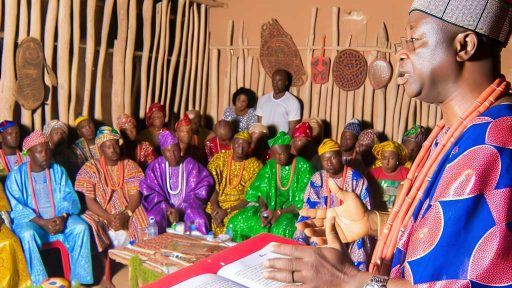
Nigerian cultures express marriage through diverse ceremonies and rituals.
For example, the Yoruba celebrate the engagement known as “Introduction” or “Idana.”
Meanwhile, the Igbo emphasize bride price negotiations and the “Igba Nkwu” wine-carrying ceremony.
Furthermore, the Hausa-Fulani observe elaborate prayers and traditional dances during weddings.
These customs demonstrate respect for ancestors and cultural heritage alike.
Marriage and Economic Alliances
Marriage traditionally links families economically and politically.
Through marriage alliances, families gain mutual support and access to resources.
This practice helps maintain balance and peace within communities.
Moreover, marriage ceremonies often reinforce community networks and influence.
Symbols and Values Embedded in Marriage
Marriage symbolizes unity, responsibility, and mutual respect in Nigerian societies.
Trust and commitment between partners represent foundational values imparted by elders.
Additionally, the communal nature of Nigerian marriage emphasizes collective well-being over individualism.
Thus, marriage remains vital in sustaining cultural identity and social order throughout Nigeria.
Marriage as a Foundation for Family and Community Stability
Strengthening Family Bonds
Marriage creates a legal and emotional bond between partners.
It offers a stable environment for raising children effectively.
Moreover, married couples often share responsibilities and support.
This partnership fosters trust, love, and mutual respect daily.
Consequently, children benefit from consistent guidance and care.
Promoting Social Cohesion
Marriage serves as a social contract that connects extended families.
This union builds stronger ties within communities and neighborhoods.
Additionally, families form networks that encourage shared values and traditions.
For instance, Nigerian marriage ceremonies often unite diverse ethnic groups.
Therefore, marriage enhances collective identity and social harmony.
Economic Stability Through Marriage
Married couples combine resources to improve their financial stability.
This cooperation allows better management of household expenses and investments.
Furthermore, it enables families to plan for long-term goals effectively.
Communities also benefit from married couples’ economic contributions.
As a result, marriage supports both personal prosperity and societal development.
Cultural Significance and Responsibility
Nigerian culture highly values marriage as a crucial life milestone.
It reflects commitment to family duty and cultural heritage preservation.
Marriage ceremonies pass down important rituals that strengthen community bonds.
Furthermore, elders often play key roles in guiding married couples.
Thus, marriage maintains continuity of tradition across generations.
Mutual Support and Emotional Well-being
Marriage offers partners emotional support through life’s challenges.
This support mitigates stress and promotes mental health stability.
Couples encourage each other’s growth and resilience during difficult times.
Such mutual care strengthens the overall health of families and communities.
Hence, marriage contributes significantly to collective emotional well-being.
Role of Marriage in Preserving Cultural and Traditional Values
Cultural Identity Through Marriage
Marriage serves as a foundation for passing down Nigerian cultural identity.
It reinforces shared beliefs and customs within families and communities.
Moreover, marriages often involve traditional ceremonies that strengthen cultural bonds.
These ceremonies celebrate heritage and connect generations together effectively.
Therefore, marriage helps maintain the uniqueness of diverse ethnic groups.
Transmission of Traditional Practices
Marriage provides a framework for teaching traditional practices to younger generations.
Parents and elders transmit folklore, music, dance, and dress through marital families.
Additionally, rituals related to marriage preserve indigenous knowledge and social values.
For instance, traditional festivals often revolve around marriage celebrations.
Thus, marriage acts as a living vessel for cultural continuity and pride.
Strengthening Communal Ties and Social Cohesion
Marriage promotes social cohesion by linking different families and communities.
These unions create extended networks that support mutual trust and cooperation.
In Nigerian society, marriages frequently unite clans and ethnic groups peacefully.
This unity fosters respect for cultural diversity within larger communities.
Consequently, marriage becomes a vital tool for sustaining societal harmony and values.
Respect for Elders and Moral Guidance
Marriage reinforces respect for elders as guardians of tradition and wisdom.
Spouses often seek guidance from older family members on cultural matters.
This respect helps maintain moral values that shape ethical behavior in society.
Furthermore, families uphold customary laws that govern social conduct through marriage.
Therefore, marriage supports the preservation of discipline and community standards.
Marriage as a Social Institution
Marriage functions as a central social institution within Nigerian communities.
It organizes family roles, responsibilities, and inheritance according to tradition.
Similarly, it defines gender roles while adapting to evolving cultural contexts.
Communities depend on marriage to sustain traditions like polygamy or bride price selectively.
Hence, marriage remains essential in balancing cultural preservation with social development.
You Might Also Like: De-Ash Int’l Groups in Port Harcourt | Construction, Training & Services
Economic and Social Benefits Associated with Marital Unions
Financial Stability and Wealth Building
Marriage often creates a shared economic foundation between partners.
For example, couples such as Kelechi and Nneka pool resources to invest.
This economic partnership fosters wealth accumulation and financial resilience.
Additionally, married couples benefit from dual incomes and shared expenses.
Consequently, they can afford better housing, education, and healthcare.
Moreover, lenders view married couples as lower risk borrowers.
This perception helps secure loans with favorable terms for homes or businesses.
Social Support and Community Connection
Marriage strengthens social networks and community ties significantly.
Consider the example of Tunde and Adesuwa, whose union united two families.
These connections offer emotional support and collective help during hardships.
Furthermore, married couples actively participate in community and cultural events.
This involvement enhances social cohesion and preserves traditional values.
Marriage also encourages responsibility and mutual respect for society.
Impact on Children and Future Generations
Children raised in stable marriages enjoy improved economic and emotional support.
For instance, Yetunde and Olumide provide nurturing environments for their children.
Such environments increase educational opportunities and social stability.
Besides, children learn cooperation and commitment through parental example.
Ultimately, strong marital unions contribute to healthier future communities.
Learn More: Phemmy Creations and Events Ibadan: Event Planning and Decoration Services
Marriage and the Education of Children Within Nigerian Society
Role of Marriage in Child Upbringing
Marriage forms the foundation for raising children in Nigerian culture.
Parents work together to instill moral and cultural values early on.
Furthermore, marriage stabilizes the family unit, providing a secure environment.
Children benefit significantly from the guidance of both father and mother.
In addition, married couples share responsibilities that nurture growth and learning.
Educational Guidance and Cultural Transmission
Married couples actively teach children about Nigerian traditions and heritage.
They ensure children understand respect, community, and family obligations.
Moreover, parents encourage formal education alongside cultural learning at home.
For instance, Mrs. Okonkwo emphasizes both academic success and cultural awareness.
Consequently, children grow up with a balanced worldview respecting modern and traditional values.
Community Support Through Marriage
Marriage expands a child’s support network with extended family involvement.
Relatives often contribute to guidance, care, and educational opportunities for children.
Likewise, respected elders reinforce lessons taught by parents and validate cultural norms.
Also, community celebrations highlight the importance of education within family life.
This collective effort strengthens children’s sense of identity and belonging.
Adapting Traditional Roles to Modern Educational Needs
Modern challenges sometimes strain traditional marriage roles in child education.
However, many couples like Mr. and Mrs. Adeyemi adapt to maintain strong educational support.
They incorporate new methods while preserving essential cultural teachings.
Furthermore, access to technology enhances how children learn about their heritage.
Marriage continues to play a vital role despite societal changes.
Delve into the Subject: Saraj Taste Catering Services in Agege Lagos | Event Food and Smallchops
Religious Influences Reinforcing the Institution of Marriage
Role of Christianity in Nigerian Marriage
Christianity plays a significant role in shaping marriage values in Nigeria.
Churches emphasize marriage as a sacred union ordained by God.
For instance, Pastor Emmanuel Okoro regularly teaches about marital commitment.
Moreover, Christian wedding ceremonies involve prayers and vows before God.
These rituals strengthen couples’ dedication and community recognition.
Furthermore, church leaders provide continuous counseling to support marriages.
Islamic Traditions Upholding Marital Bonds
Islam also profoundly influences marriage customs in Nigeria.
Imam Musa Abdullahi often highlights marriage as half of faith in sermons.
Muslim weddings include Nikah rites that formalize the marital contract spiritually.
Such ceremonies unite families and reinforce religious duties between spouses.
Additionally, Islamic teachings promote mutual respect and responsibility within marriage.
These principles help couples nurture a harmonious and lasting relationship.
Indigenous Beliefs and Marriage Practices
Traditional Nigerian beliefs highlight marriage as a vital social institution.
Chief Olusegun Adeyemi explains marriage binds extended families and clans.
Customary rites involve elders blessing the couple and affirming community support.
Consequently, marriage strengthens social cohesion and cultural continuity.
These indigenous values complement religious views on the importance of marriage.
Shared Religious Values Promoting Stability
Despite differing beliefs, religions in Nigeria share core marriage values.
Common themes include loyalty, fidelity, and family responsibility.
These shared values reinforce marriage as a stable foundation in society.
Religious institutions collaborate in promoting healthy marital relationships.
Therefore, religion remains a powerful force supporting the institution of marriage nationwide.
Delve into the Subject: Hairboss Bridal Hairstyling Services in Awka, Anambra State at Unizik Junction
Marriage as a Social Expectation and Rite of Passage
Cultural Significance of Marriage
Marriage holds a deeply rooted place in Nigerian culture.
Communities often view it as essential for social stability and continuity.
For instance, many families celebrate marriage as a pivotal life milestone.
Moreover, marriage strengthens bonds between extended families and clans.
It also perpetuates traditions and cultural heritage across generations.
Social Expectations Surrounding Marriage
Nigerian society generally expects individuals to marry by a certain age.
Families often encourage young adults to find suitable partners early.
This expectation creates a supportive yet sometimes pressuring environment.
However, many consider marriage a source of respect and social acceptance.
Likewise, married couples often receive greater community recognition and support.
Marriage as a Rite of Passage
Marriage symbolizes the transition from youth to adulthood in Nigeria.
Ceremonies mark this significant change with various traditional rites.
For example, the bride price negotiation serves as an important pre-wedding ritual.
Following the wedding, couples gain new roles and responsibilities in society.
Consequently, marriage confers social identity and recognized status on individuals.
Community Involvement and Celebrations
Weddings involve the active participation of family and community members.
Communities often organize elaborate festivities lasting several days.
These celebrations include music, dance, and traditional attire displays.
Furthermore, the events reinforce community cohesion and shared cultural values.
Ultimately, such involvement highlights marriage as a collective social event.
Impact of Marriage on Social Status and Identity in Nigeria
Marriage as a Social Milestone
Marriage symbolizes a major social milestone in Nigerian culture.
It marks the transition from youth to adulthood with full societal recognition.
Additionally, it grants individuals access to respected social circles.
For example, married couples often receive greater respect in their communities.
This respect enhances their influence and standing in local affairs.
Marriage and Family Identity
Marriage creates a broader family identity that extends beyond the couple.
It binds two families together through social and cultural ties.
Consequently, individuals gain a stronger sense of belonging within their community.
Moreover, lineage and ancestry gain more significance through marital connections.
For instance, Adeola Balogun’s marriage strengthened his ties to both his paternal and maternal families.
Impact on Gender Roles and Expectations
Marriage reinforces traditional gender roles within Nigerian society.
Men often assume the role of family heads and providers.
Women frequently take responsibility for household management and child-rearing.
Therefore, marriage shapes individual identities based on these societal expectations.
However, contemporary couples like Chika and Ifeoma Nwankwo are redefining these roles collectively.
Marriage and Social Advancement
Being married can enhance social mobility and personal status.
Married individuals enjoy greater social legitimacy in professional and social settings.
For example, married professionals often receive more trust from clients and colleagues.
Moreover, marriage symbolizes stability and responsibility to many Nigerians.
This perception encourages employers and community leaders to favor married applicants.
Marriage Ceremonies as Public Affirmations
Nigerian marriage ceremonies publicly showcase social status and family identity.
Colorful traditional weddings demonstrate cultural pride and wealth.
Families display their heritage through attire, music, and food during these events.
Hence, marriage becomes a platform to enhance reputation and social networks.
Public recognition of marriage often cements the couple’s place in society.
Challenges to Marriage and How Society Adapts to Preserve It
Social and Economic Pressures
Marriage faces numerous social and economic pressures in modern Nigeria.
Many couples struggle with financial instability.
This instability strains their relationships.
Urbanization changes traditional family structures and support systems.
Partners must adapt to evolving roles and expectations.
Community groups, such as the Ekundayo Social Club, provide vital emotional support.
Families increasingly counsel younger members on balancing tradition and change.
Cultural Expectations and Generational Gaps
Cultural expectations continue to shape marriage dynamics across Nigerian communities.
Younger generations often hold different views on marriage commitment and roles.
This gap causes tension between parents and their adult children planning to marry.
To address this, elders like Chief Adebola lead forums encouraging open dialogue.
Such conversations help bridge misunderstandings and reinforce respect for tradition.
Legal and Religious Challenges
The coexistence of customary, Islamic, and statutory laws complicates marriage regulations.
Discrepancies sometimes cause confusion over marital rights and responsibilities.
Legal practitioners like Fatima Abdullahi advocate for clearer marriage laws.
Religious organizations play key roles in educating couples about their commitments.
Faith-based marriage seminars foster unity and understanding among diverse populations.
Community Initiatives Supporting Marriage
Community leaders actively promote marriage stability through various initiatives.
Marriage enrichment programs, such as those by Lagos Family Foundation, offer counseling.
These programs focus on communication, conflict resolution, and financial planning.
Local markets like Ojo host events celebrating marital achievements.
Such celebrations reinforce the community’s value of strong family bonds.
Role of Modern Communication and Technology
Modern communication tools reshape how couples build and maintain relationships.
Social media platforms allow couples to share experiences and seek advice.
However, misuse of technology can lead to misunderstandings and mistrust.
Relationship experts like Dr. Chinedu Okoro promote digital etiquette workshops.
These efforts teach couples to use technology constructively for their union.
Government and Legal Frameworks Supporting Marriage in Nigeria
Legal Recognition of Marriage
The Nigerian government officially recognizes several forms of marriage.
These include statutory, customary, and Islamic marriages.
The Matrimonial Causes Act governs statutory marriages in most states.
Customary marriages are regulated by customary laws specific to ethnic groups.
Sharia law applies to Islamic marriages in states that observe it.
Each framework ensures marriages gain legal status and protection.
Marriage Registration and Documentation
Marriage registration is compulsory for statutory marriages.
The government issues marriage certificates to legally married couples.
This documentation secures rights related to inheritance and property.
Moreover, it facilitates legal processes such as divorce or custody disputes.
Customary and Islamic marriages also have recognized registration processes.
These registrations are handled by local government authorities or religious bodies.
Government Agencies Involved in Marriage Regulation
The Federal Ministry of Women Affairs and Social Development oversees marriage policies.
State Ministries of Justice handle marriage registrations and legal matters.
Customary courts adjudicate issues involving customary marriages.
Sharia courts manage disputes under Islamic marital law.
These institutions ensure compliance with marriage laws nationwide.
Policies Promoting Family Stability
The government implements policies to strengthen family units.
Programs focus on marital counseling and conflict resolution.
These initiatives help reduce divorce rates and domestic violence.
Furthermore, campaigns encourage responsible parenting and spousal support.
They collaborate with NGOs like Family Empowerment Initiative Lagos.
Legal Protections for Spouses
Marriage laws provide protections against domestic abuse and neglect.
They safeguard spouses’ rights to property and financial support.
In case of marital disputes, courts ensure fair treatment for women and men.
The Violence Against Persons (Prohibition) Act supports victims of domestic violence.
This legal protection encourages couples to seek help when necessary.
Impact of Marriage Laws on Social Cohesion
Marriage laws help maintain social order through family stability.
They promote respect for cultural and religious diversity in unions.
Legal recognition of all marriage types fosters inclusiveness across communities.
This unity underpins Nigeria’s rich social fabric and national identity.
Thus, government and legal frameworks remain crucial pillars for Nigerian society.
Additional Resources
Nigeria, a high burden state of obstetric fistula: a contextual analysis …