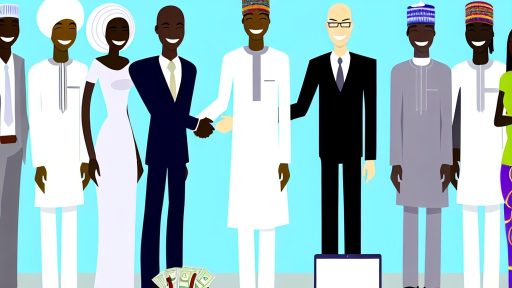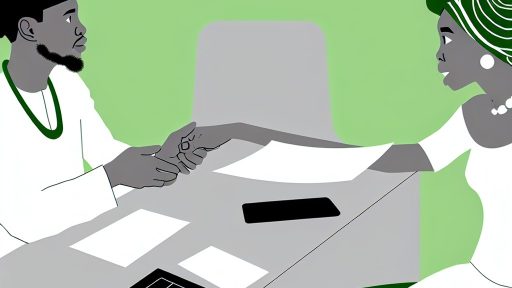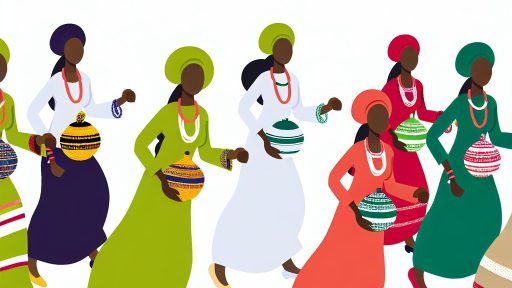




Overview of Cultural Significance of Elders in Nigerian Communities
Respected Custodians of Tradition
In Nigerian communities, elders hold a highly respected position.
They serve as custodians of cultural values and traditions.
Moreover, elders preserve the history and stories of their people.
Their wisdom guides younger generations in many aspects of life.
Consequently, communities rely heavily on elders for social cohesion.
Guidance in Family and Social Matters
Elders actively mediate conflicts within families and neighborhoods.
They offer counsel based on years of experience and cultural knowledge.
Furthermore, elders help maintain harmony and respect among community members.
This role includes significant influence over marriage decisions and relationships.
Thus, elders strengthen family bonds through their advisory roles.
Role in Marriage and Relationship Building
Marriage in Nigerian culture is not only a union of individuals but also families.
Elders often facilitate introductions and negotiations between families.
They oversee traditional marriage rites that symbolize social and spiritual commitments.
Additionally, elders provide continuous support and advice to married couples.
As a result, they help foster lasting and stable marriage bonds.
Transmission of Moral Values and Social Norms
Elders play a crucial role in instilling moral values in younger generations.
They teach respect, responsibility, and community loyalty.
Through storytelling and proverbs, elders communicate lessons about life.
These teachings help reinforce social norms and ethical behavior.
Therefore, elders shape the character of individuals and the community.
Elders as Mediators in Resolving Marital Conflicts
Respect and Authority of Elders
In Nigerian communities, elders hold significant respect and moral authority.
Couples often turn to elders for guidance during marital disputes.
Their experience in life and relationships gives them valuable insight.
Additionally, elders command respect, which motivates couples to heed their counsel.
Process of Mediation by Elders
Elders begin mediation by listening carefully to both spouses’ concerns.
They ensure that each party feels heard and understood.
Next, they analyze the root causes of the conflict objectively.
Then, elders suggest practical solutions that align with cultural values.
They also encourage compromise and forgiveness to rebuild trust.
Benefits of Elder Mediation in Marriages
Mediation by elders helps prevent conflicts from escalating into lasting divisions.
It strengthens communication between spouses through guided dialogue.
Moreover, elder involvement often preserves family unity and social harmony.
Couples feel supported rather than judged during difficult moments.
This traditional approach promotes healing in a culturally relevant way.
Examples of Mediation in Different Nigerian Cultures
In Yoruba land, elders like Chief Adeyemi mediate with wisdom and fairness.
Among the Igbo, respected figures such as Emeka Uzo facilitate reconciliation meetings.
Similarly, in Hausa communities, elders like Alhaji Suleiman mediate using customary protocols.
These examples show the widespread trust placed in elders across cultures.
Encouraging Modern Couples to Embrace Elder Mediation
Younger couples benefit from learning about their elders’ role in conflict resolution.
Communities should promote dialogue between generations about marriage challenges.
Moreover, integrating elder mediation in formal marriage counseling can be effective.
Such collaboration preserves heritage while addressing contemporary relationship needs.
The Role of Elders in Guiding Premarital Counseling and Preparation
Providing Wisdom and Experience
Elders play a crucial role in sharing life experiences with engaged couples.
They offer practical advice on managing marital challenges effectively.
Furthermore, elders help couples understand cultural and family expectations.
Through their guidance, young couples learn valuable lessons about commitment.
This wisdom helps to build a strong foundation for lasting marriages.
Facilitating Open Communication
Elders encourage couples to discuss their hopes and concerns openly.
This dialogue promotes transparency and mutual understanding before marriage.
They create a safe space where couples feel comfortable sharing emotions.
In addition, elders guide couples on resolving conflicts with respect.
Such communication skills are crucial for enduring marital harmony.
Organizing Premarital Counseling Sessions
Elders often coordinate formal counseling sessions for engaged couples.
These sessions cover topics such as financial planning and family roles.
Experienced counselors and community leaders may be invited to contribute.
Also, elders monitor the progress of couples through these counseling stages.
This preparation equips couples with tools to handle future marital responsibilities.
Reinforcing Cultural Traditions and Values
Elders educate couples about important cultural practices connected to marriage.
This knowledge fosters respect for heritage and enriches the marital bond.
They explain traditional rites that symbolize commitment and unity.
Moreover, elders highlight the importance of family support networks.
Respecting traditions enhances the couple’s connection to their community.
Supporting Emotional and Spiritual Preparation
Elders provide mentorship to strengthen the couple’s emotional resilience.
They promote spiritual growth through prayers and moral guidance.
Such support helps couples face marital challenges with faith and hope.
They also encourage developing patience, empathy, and forgiveness skills.
This holistic preparation leads to deeper marital satisfaction and stability.
Learn More: How Cultural Festivals Inspire Nigerian Weddings
Elders’ Influence in Reinforcing Traditional Marriage Customs and Rites
Guardians of Cultural Heritage
Community elders safeguard the rich traditions that define Nigerian marriages.
They pass down essential knowledge and practices from generation to generation.
Moreover, their guidance helps preserve cultural identity amid modern influences.
Elders ensure that marriage rites remain authentic and meaningful for families.
Role in Marriage Negotiations and Ceremonies
Elders actively participate in marriage negotiations between families.
They mediate discussions about bride price, dowry, and other cultural obligations.
Consequently, elders foster mutual respect and understanding between the parties involved.
During wedding ceremonies, they lead key rituals that symbolize union and commitment.
Additionally, their presence commands respect and solemnizes the event.
Promoting Moral Values and Conflict Resolution
Elders emphasize core moral values such as loyalty, patience, and respect within marriage.
They counsel couples on overcoming challenges and maintaining harmony.
Furthermore, elders mediate conflicts to protect family unity and stability.
Through their wisdom, couples receive practical advice grounded in cultural principles.
Supporting Intergenerational Connections
Elders connect younger couples to the broader ancestry and lineage traditions.
This connection strengthens the sense of belonging and responsibility within the marriage.
They also encourage younger family members to honor and uphold cultural ceremonies.
Thus, elders play a vital role in nurturing lasting social bonds across generations.
Gain More Insights: Marriage as a Unifying Force Among Nigerian Ethnic Groups
Support Systems Elders Provide to Couples During Challenging Times
Emotional Guidance and Stability
Elders offer emotional support to couples facing marital difficulties.
They listen patiently and provide wise counsel based on experience.
Therefore, couples feel understood and less isolated in their struggles.
Moreover, elders help calm tensions by promoting empathy and patience.
This emotional stability helps couples approach challenges with a clear mind.
Mediation and Conflict Resolution
Elders often act as mediators during conflicts between spouses.
Their respected status encourages honest communication and mutual respect.
Consequently, disputes are resolved peacefully without escalating tensions.
They introduce cultural values that emphasize unity and forgiveness.
In this way, elders restore harmony and prevent long-term resentment.
Sharing Traditional Wisdom and Cultural Practices
Elders teach couples important cultural practices that strengthen marital bonds.
This wisdom reflects values like commitment, respect, and cooperation.
Couples gain insights on maintaining long-lasting relationships through these traditions.
Furthermore, elders guide couples on rituals that renew vows and family connections.
Such practices reinforce couples' sense of identity and shared purpose.
Practical Support and Guidance
Elders provide practical advice on managing household and family responsibilities.
They share strategies on financial planning, childcare, and community engagement.
This guidance helps couples balance their roles effectively during stressful times.
Additionally, elders connect couples to wider support networks within the community.
Thus, couples benefit from a strong social safety net facilitated by elders.
Encouragement and Spiritual Support
Spiritual encouragement from elders strengthens couples' resilience.
They remind couples of the higher purpose and commitment in marriage.
This support instills hope and determination to overcome difficulties.
Also, elders often lead prayers and rituals that bring peace to troubled marriages.
Spiritual guidance nurtures emotional and relational healing.
Discover More: The Influence of Oral Traditions on Nigerian Wedding Customs
How Elders Promote Moral Values and Family Responsibilities within Marriage
Guidance on Moral Values
Elders actively instill core moral values in couples entering marriage.
They emphasize principles such as honesty, respect, and loyalty.
Moreover, they use storytelling to pass on cultural and ethical lessons.
For instance, Chief Adeyemi often narrates proverbs to illustrate integrity.
This helps couples understand the importance of upright behavior.
Consequently, couples develop a strong ethical foundation for their relationship.
Encouraging Strong Family Responsibilities
Furthermore, elders emphasize the significance of fulfilling family duties.
Mrs. Nneka regularly advises newlyweds on parenting and financial management.
They stress the need to prioritize the welfare of children and extended family.
In addition, elders remind couples about the roles of mutual support and sacrifice.
Such guidance nurtures a sense of accountability between spouses.
Therefore, couples learn to maintain harmony through shared responsibilities.
Conflict Resolution and Mediation
Elders often mediate disputes to preserve marriage stability.
They apply wisdom gained from years of experience to calm tensions.
For example, Baba Omolola intervenes calmly to find peaceful solutions.
By doing so, they prevent conflicts from escalating unnecessarily.
This intervention reinforces trust and communication within the marriage.
Modeling Positive Examples
Elders demonstrate ideal marital conduct through their own relationships.
Couples like Mr. and Mrs. Adesina serve as role models for younger families.
By living harmoniously, they inspire respect and commitment.
Newlyweds observe these behaviors and strive to emulate them.
Thus, elders indirectly teach essential values through their example.
Community Involvement and Social Accountability
Elders create communal support networks to strengthen marriages.
They organize forums where couples share experiences and advice.
This communal engagement promotes social accountability among partners.
Additionally, elders encourage joint participation in cultural and religious ceremonies.
Such involvement reinforces couples’ connection to their heritage and duties.
Ultimately, elders foster a supportive environment for sustainable marriages.
Delve into the Subject: How Nigerian Weddings Reflect Tribal and Ethnic Diversity
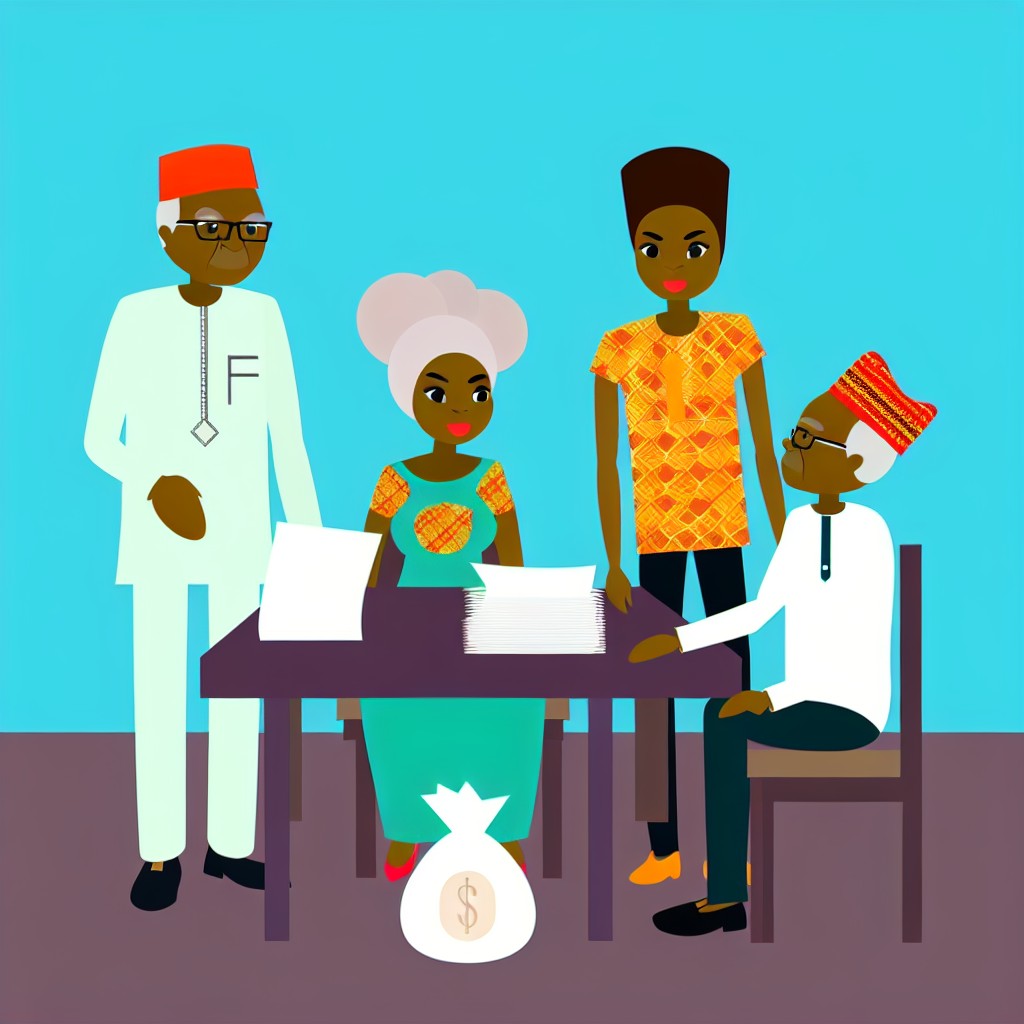
The Involvement of Elders in Intergenerational Communication and Advice
Facilitating Meaningful Dialogue Between Generations
Elders actively foster communication between married couples and younger family members.
They create safe spaces where honest conversations about marriage can thrive.
Through storytelling, elders share valuable lessons from their own experiences.
Moreover, they encourage respect and understanding across generations.
This dialogue helps bridge cultural and generational gaps effectively.
Providing Wisdom Based on Experience
Elders offer practical advice that supports marital stability and growth.
Their guidance often includes conflict resolution methods refined over many years.
For example, Chief Adeyemo counsels couples on balancing tradition and modern challenges.
Additionally, elders emphasize the importance of patience and commitment.
These insights come from observing various family dynamics within communities.
Promoting Cultural Values and Traditions
Elders play a pivotal role in transmitting cultural values to younger couples.
They reinforce traditional marriage customs that enhance mutual respect and duty.
For instance, Mama Folake often instructs about ritual practices that unify families.
Such teachings strengthen the social fabric surrounding the marriage institution.
Supporting Emotional and Social Well-being
Beyond advice, elders offer emotional support to couples during difficult times.
They listen attentively and validate feelings with empathy and compassion.
Consequently, couples feel encouraged to work through challenges together.
Community leader Mr. Adebola frequently organizes forums for shared marital experiences.
These gatherings promote solidarity and reduce feelings of isolation among couples.
Encouraging Accountability and Responsibility
Elders uphold standards of responsibility within marriages for lasting partnerships.
They remind couples of their duties to each other and the extended family.
This accountability cultivates trust and mutual respect in the relationship.
Furthermore, elders like Baba Adekunle advise on maintaining financial and emotional honesty.
Such guidance ensures marriages remain resilient despite external pressures.
Elders' Role in Strengthening Extended Family Bonds That Support the Marriage
Guardians of Family Values and Traditions
Elders in Nigerian communities actively uphold family values and cultural traditions.
They pass down wisdom that shapes how marriages are respected and maintained.
Consequently, elders ensure that family members honor their marital commitments.
Moreover, they guide younger generations through challenges by sharing lessons from experience.
Mediators and Conflict Resolvers
Elders often mediate disputes within the extended family to protect marriage stability.
They listen carefully and offer impartial advice to couples and relatives.
Thus, elders prevent minor disagreements from escalating into serious conflicts.
In addition, their involvement fosters understanding and restores harmony in the family.
Facilitators of Social Support Networks
Elders organize family gatherings that reinforce bonds across generations.
These events provide spaces for open communication and mutual support.
They also encourage relatives to assist couples during difficult times.
Therefore, elders strengthen a cooperative environment that benefits married couples.
Transmitters of Communal Responsibility
Elders emphasize the importance of shared responsibility in sustaining marriages.
They teach that marriage involves the support of the entire extended family.
Consequently, relatives feel obligated to contribute positively to the couple's life.
This communal duty promotes resilience and unity around the marriage.
Role Models Demonstrating Enduring Marriages
Experienced elders serve as living examples of lasting marital relationships.
Their stories inspire younger family members to commit and persevere.
In particular, elders like Chief Olumide and Mama Yewande embody loyalty and patience.
Thus, they motivate couples to work through difficulties together.
Encouraging Intergenerational Communication
Elders bridge gaps between young couples and older family members.
They facilitate conversations that promote empathy and mutual respect.
As a result, couples receive valuable guidance while feeling supported.
Finally, this communication helps maintain strong, connected family ties.
Impact of Elders on Maintaining Communal Respect and Social Harmony in Marriage
Preservation of Traditional Values
Elders play a vital role in preserving traditional values within Nigerian marriages.
They guide couples on cultural norms that foster mutual respect and understanding.
Through storytelling and advice, elders pass down rich heritage and customs.
Consequently, families embrace values that support unity and cooperation.
Mediation and Conflict Resolution
Elders actively mediate disputes between married couples to maintain peace.
Their experience allows them to handle conflicts with wisdom and patience.
They encourage dialogue and compromise, preventing escalation of disagreements.
Thus, elders contribute significantly to sustaining social harmony within communities.
Community Recognition and Legitimization
Elders formally recognize marriages through public ceremonies and blessings.
This recognition strengthens communal acceptance and respect for the couple.
Such legitimization fosters a strong support network around the marriage.
As a result, couples feel valued and reinforced in their social roles.
Guidance on Family Roles and Responsibilities
Elders provide counsel on roles expected of husbands and wives in marriage.
They emphasize respect for one another’s duties and the importance of cooperation.
In this way, elders help maintain balance and harmony in household management.
Consequently, marriages become a stable foundation for broader community welfare.
Promotion of Intergenerational Bonds
Elders encourage strong connections between spouses and their extended families.
They highlight the value of respecting elders and honoring family traditions.
This approach builds a cohesive social fabric that supports marital stability.
Therefore, elders enhance respect and unity beyond the immediate couple.
Challenges Faced by Elders in Contemporary Nigerian Marital Contexts
Changing Social Dynamics
Elders face challenges due to rapid shifts in Nigerian social values.
Modern couples often prioritize individualism over traditional community values.
Consequently, elders struggle to assert their traditional advisory roles effectively.
Additionally, younger couples sometimes view elder guidance as outdated or irrelevant.
Communication Barriers
Technology changes how couples communicate, creating gaps for elders.
Many elders find it difficult to relate to digital communication styles.
This gap weakens the bond between elders and younger family members.
Moreover, misunderstandings arise when elders rely solely on oral traditions.
Evolving Gender Roles
Contemporary marriages reflect more egalitarian gender roles than before.
As a result, elders accustomed to patriarchal norms face adjustment issues.
This evolution creates tension between traditional expectations and modern realities.
Therefore, elders sometimes feel sidelined in marital decision-making processes.
Socioeconomic Pressures
Economic hardships place additional stress on marital relationships today.
Elders often find it challenging to offer practical support amidst financial constraints.
Furthermore, urbanization disconnects elders from close-knit community support systems.
This urban shift limits elders’ abilities to mediate effectively in family disputes.
Legitimacy and Authority Challenges
Modern couples question the legitimacy of elder intervention more frequently.
Social changes empower younger generations to seek alternative counseling methods.
Consequently, elders sometimes lose their authoritative influence in marriage matters.
They must therefore adapt to new roles that respect contemporary marital values.
Legal and Religious Pluralism
Nigeria’s diverse legal and religious contexts complicate elders’ involvement.
Discrepancies between statutory laws and customary traditions cause confusion.
For instance, Christian, Muslim, and traditional marriage laws differ significantly.
Thus, elders must navigate complex frameworks to support couples effectively.
Summary of Key Challenges
- Adjusting to shifting social and communication norms
- Navigating evolving gender expectations
- Overcoming socioeconomic and urbanization pressures
- Maintaining legitimacy and authority in decision-making
- Operating within diverse legal and religious systems
Additional Resources
Family Relationships and Well-Being – PMC
The Changing Phases of African Marriage and Family: Perspectives …