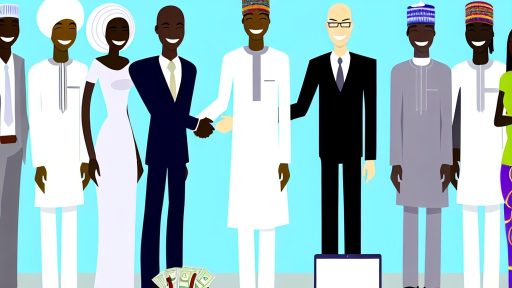




The Role of Indigenous Languages in Shaping Nigerian Wedding Ceremonies
Cultural Identity and Language Connection
Indigenous languages serve as a vital link to cultural identity during Nigerian weddings.
They convey rich meanings that connect people to their heritage.
Moreover, these languages express specific customs and values unique to each ethnic group.
For instance, Yoruba, Igbo, and Hausa languages guide various traditional rites.
Thus, the language spoken during ceremonies enhances the cultural authenticity of the event.
Language as a Medium for Rituals and Symbolism
Wedding prayers, songs, and proverbs are performed in native languages.
This practice preserves the traditional knowledge passed down through generations.
Additionally, elders often officiate ceremonies using indigenous speech to bless the couple.
Local dialects also shape the symbolic acts that take place, such as libations or bride price negotiations.
Consequently, language ensures the full meaning behind each ritual is understood and respected.
Enhancing Family and Community Bonds
Using indigenous languages reinforces unity among families and community members.
It shows respect for elders who often prefer their mother tongue.
Furthermore, it promotes inclusiveness for attendees who share the same linguistic background.
Language acts as a bridge to communicate shared values and social responsibilities.
As a result, the wedding becomes a collective celebration grounded in tradition.
Preservation of Oral Traditions through Language
Wedding ceremonies transmit oral histories unique to each ethnic group.
These stories are often narrated in indigenous languages during the event.
Such narrations include folk tales about marriage, lineage, and ancestral blessings.
Through this oral tradition, cultural wisdom is preserved and passed to younger generations.
Therefore, language plays a crucial role in maintaining the continuity of Nigerian heritage.
Examples of Linguistic Influence in Wedding Customs
- Yoruba Weddings: The use of Yoruba language in the “Agbalagba” (elders’ blessing) affirms respect and authority.
- Igbo Weddings: Igbo proverbs and songs articulate marriage ideals during the “Igba Nkwu” ceremony.
- Hausa Weddings: The Hausa language is central in reciting Islamic prayers and traditional praise songs.
Each language adds a unique flavor that enriches the wedding experience.
Indigenous languages shape not only communication but also the emotional atmosphere.
How Language Preserves Cultural Identity During Nigerian Weddings
Language as a Cultural Pillar
Nigerian weddings deeply rely on native languages to maintain cultural roots.
Language expresses values, beliefs, and traditions passed through generations.
Therefore, it becomes vital for preserving the unique identity of each ethnic group.
Moreover, it connects families and communities through shared linguistic heritage.
Role of Indigenous Languages in Wedding Ceremonies
Most Nigerian weddings feature speeches, prayers, and songs in local languages.
For example, Yoruba couples often use Yoruba language to honor ancestors.
Igbo weddings similarly emphasize Igbo proverbs and storytelling to convey messages.
These languages add authenticity and emotional depth to wedding rituals.
Also, they create a welcoming space for elder family members who may speak only native tongues.
Language and Symbolic Traditions
Traditional phrases and idioms used during ceremonies encode cultural wisdom.
Wedding vows and blessings in indigenous languages carry special significance.
Additionally, language enriches symbolic acts like the presentation of kola nuts or wine.
Such linguistic customs ensure cultural meanings remain intact over time.
Transmission of Cultural Knowledge Through Language
Older family members narrate histories and customs using native speech during weddings.
Younger generations thus learn about their ancestry and responsibilities.
This oral tradition nurtures respect and understanding of cultural norms.
Consequently, language acts as a bridge linking past, present, and future families.
Language’s Role in Fostering Unity and Identity
Wedding guests use shared language to strengthen community bonds.
This unity reinforces ethnic pride and a sense of belonging.
Furthermore, it distinguishes one group’s culture from others in Nigeria’s diverse society.
Hence, language at weddings is a powerful tool for celebrating and preserving cultural identity.
Influence of Multilingualism on Communication in Nigerian Wedding Events
Language Diversity Among Guests
Nigerian weddings often bring together people from diverse linguistic backgrounds.
Guests commonly speak languages such as Yoruba, Igbo, Hausa, and English.
Therefore, communication requires sensitivity to multiple languages during the event.
Hosts usually plan to accommodate this diversity for smooth interactions.
Role of Indigenous Languages in Ceremonial Speeches
Indigenous languages play a crucial role in formal speeches and traditional prayers.
Elders often deliver blessings in their native tongues to honor cultural heritage.
Moreover, key messages are repeated in popular local languages to ensure understanding.
This practice strengthens the cultural connection among attendees.
Use of English as a Lingua Franca
English serves as the common language to bridge communication gaps.
Wedding MCs and coordinators typically use English for announcements and instructions.
Additionally, English helps include guests who may not speak indigenous languages.
Consequently, it promotes inclusivity and engagement throughout the ceremony.
Strategies for Enhancing Communication
Event planners often hire interpreters to translate important segments immediately.
Furthermore, printed materials may appear in multiple languages for better clarity.
Families collaborate closely to balance traditional expressions with modern communication.
This combined approach ensures every guest feels welcome and informed.
Effects on Cultural Exchange and National Unity
Multilingual communication fosters greater cultural exchange at Nigerian weddings.
Guests appreciate learning new greetings and phrases from different ethnic groups.
As a result, weddings become a platform for promoting national unity and harmony.
This dynamic blending of languages enriches the overall wedding experience for all involved.
Uncover the Details: The Role of Elders in Strengthening Nigerian Marriage Bonds
The Use of Proverbs and Traditional Sayings in Wedding Speeches and Rituals
Significance of Proverbs in Nigerian Weddings
Proverbs carry deep meanings in Nigerian wedding ceremonies.
They communicate cultural values clearly and effectively.
Elders often use proverbs during speeches to advise the couple.
Moreover, proverbs link past wisdom to present celebrations.
They strengthen the connection between families and communities.
Role in Wedding Speeches
Speakers like uncles and community leaders incorporate proverbs.
These sayings highlight virtues such as patience, loyalty, and respect.
For instance, Mr. Olumide Alade often uses Yoruba proverbs to inspire unity.
Additionally, proverbs help ease tensions and celebrate love.
They add rhythm and cultural depth to the spoken word.
Use of Proverbs in Wedding Rituals
Traditional wedding rituals employ sayings that bless the couple.
Ritual leaders chant proverbs to invoke protection and prosperity.
During the kola nut ceremony, specific proverbs emphasize hospitality.
Furthermore, proverbs guide the behavior expected of the newlyweds.
They also reinforce the community’s role in supporting the marriage.
Examples of Common Proverbs in Weddings
- “A family without children is like a farm without crops.”
- “Marriage is a weaving together of two threads into one fabric.”
- “Wisdom does not come overnight.”
- “Respect is the foundation of peace in a home.”
- “Love planted in good soil grows strong.”
How Proverbs Enhance Cultural Identity
Proverbs preserve the Nigerian cultural heritage effectively.
They teach the younger generation about tradition and morality.
Also, they create a sense of unity among diverse ethnic groups.
Language specialists like Mrs. Folake Okoro document these proverbs.
Thus, proverbs become living symbols of identity in weddings.
Delve into the Subject: How Cultural Festivals Inspire Nigerian Weddings
Language Barriers and Their Impact on Wedding Negotiations and Preparations
Challenges in Communication Between Families
Many Nigerian weddings involve families from different linguistic backgrounds.
These differences can cause misunderstandings during important discussions.
For example, Mr. Okoye from Enugu often struggled to explain family expectations to Mrs. Adebayo from Lagos.
Consequently, misinterpretations arise about dowry and ceremony details.
Moreover, some dialects do not have direct translations for specific cultural terms.
This gap further complicates negotiation efforts between the two families.
Impact on Wedding Preparations
Language barriers can delay crucial planning activities for the wedding.
Event coordinator Funmi Adewale found it difficult to finalize the guest list due to communication gaps.
Additionally, misunderstandings about feast menus often occur because of language differences.
These issues may lead to conflicts or dissatisfied family members.
Therefore, translators or bilingual relatives play a vital role in bridging these communication gaps.
They help ensure clarity in discussions and reduce chances of mistakes.
Strategies to Overcome Language Barriers
Many families use common lingua francas like English or Pidgin English during negotiations.
Such languages facilitate mutual understanding and smoother communication.
Furthermore, employing professional interpreters during meetings proves effective.
Relatives fluent in both languages often volunteer as mediators to ease conversations.
Wedding planners encourage inclusive dialogue and patience when language differences exist.
Finally, visual aids like written agreements and pictorial invitations help clarify expectations.
Role of Technology in Addressing Communication Gaps
Mobile translation apps assist families with limited language proficiency.
For instance, the Olufemi family used a Yoruba-English app to finalize their marriage terms.
Video calls with translators enable remote family members to participate actively.
Social media groups in multiple languages foster ongoing coordination among wedding parties.
These tools accelerate decision-making and reduce the risk of errors.
Hence, technology increasingly supports multicultural wedding preparations in Nigeria.
Find Out More: Marriage as a Unifying Force Among Nigerian Ethnic Groups
The Blend of English and Local Languages in Modern Nigerian Wedding Invitations
The Role of Language in Nigerian Wedding Culture
Language reflects the rich cultural heritage of Nigerian weddings.
It connects families and communities through shared traditions.
Most modern Nigerian weddings combine English with local languages.
This blend creates invitations that honor both tradition and modernity.
Therefore, couples carefully select their invitation wording to reflect cultural respect.
Incorporation of English in Wedding Invitations
English serves as a unifying language across Nigeria’s diverse ethnic groups.
It ensures clarity and formality in wedding announcements.
Most invitations begin with English to address all guests respectfully.
Likewise, English is used to provide essential details like dates and venues.
Similarly, English bridges communication gaps between families from different regions.
Use of Local Languages to Preserve Identity
Many couples include phrases in Yoruba, Igbo, Hausa, or other native tongues.
This usage honors their ethnic roots and family values.
For example, Yoruba wedding invitations often feature proverbs and blessings.
Igbo invitations may include traditional titles and respected elder salutations.
Additionally, Hausa invitations frequently incorporate poetic expressions and cultural idioms.
Design and Layout Reflecting Linguistic Fusion
Invitation cards creatively blend English script with indigenous fonts or artwork.
The layout often separates English text from local language sections for clarity.
Moreover, some designs use symbols to complement the linguistic elements.
For instance, traditional motifs like adire patterns or uli art enhance the visuals.
Consequently, the invitations become keepsakes preserving cultural pride.
Significance for Guests and Families
Guests appreciate invitations that welcome them in familiar languages.
This approach fosters a sense of belonging and respect for traditions.
Families feel honored when their native tongue is featured prominently.
It also encourages intergenerational connections through shared cultural expression.
Ultimately, the blend of languages enriches the wedding experience for everyone.
Examples of Common Phrases in Wedding Invitations
English: “You are cordially invited to celebrate the union of Oladipo and Fatima.”
Yoruba: “Ẹ jọ̀ọ́ bọ̀ wá kó láyọ̀ nígbà ayẹyẹ ìgbéyàwó wa.”
Igbo: “Ndị ọbịa a na-akpọ ka ha so nyere mee emume ọlụlụ.”
Hausa: “Ana gayyatar ku zuwa bukin aure na Musa da Zainab.”
See Related Content: The Influence of Oral Traditions on Nigerian Wedding Customs
The Significance of Language in Traditional Marriage Rites Across Different Nigerian Ethnic Groups
Language as a Cultural Bridge
Language connects families and communities during Nigerian wedding ceremonies.
It conveys respect, commitment, and cultural values shared across generations.
Moreover, language preserves heritage by passing down oral traditions and rituals.
Without language, important marriage rites could lose their meaning and impact.
Language in Yoruba Marriage Ceremonies
The Yoruba people use their native tongue extensively in marriage rites.
Traditional songs and proverbs often highlight virtues like loyalty and patience.
For example, Adeola, a Yoruba bride, carefully learns these expressions to honor her in-laws.
Furthermore, elders speak Yoruba to offer blessings and ancestral wisdom during the ceremony.
Language in Igbo Marriage Traditions
Igbo weddings emphasize the use of Igbo language in dialog and negotiations.
Family elders use specific phrases to formalize bride price discussions respectfully.
Chinedu, an Igbo groom, practices these expressions to show sincerity and honor.
Also, Igbo poetry and folklore enrich the celebration by reflecting community values.
Language in Hausa Wedding Practices
The Hausa culture integrates Hausa language in religious and traditional wedding events.
Prayers and chants in Hausa unite families in spiritual blessings for the couple.
Additionally, storytelling in Hausa passes on moral lessons about marriage roles.
For instance, Amina, a Hausa bride, recites traditional verses that inspire harmony.
Shared Themes Expressed Through Language
Despite linguistic differences, Nigerian weddings share themes of unity and respect.
Each ethnic group uses language to express family approval and societal acceptance.
Language also shapes the flow of ceremonies from introductions to final blessings.
Through words, couples like Emeka and Hauwa build strong foundations for marriage.
Preserving Language and Cultural Identity in Marriage Rites
Wedding traditions encourage younger generations to learn and speak their mother tongue.
This practice strengthens cultural identity amid Nigeria’s diverse society.
It also fosters pride in ancestral customs and strengthens community bonds.
Therefore, language remains a vital element in sustaining Nigerian wedding traditions.
Language as a Tool for Expressing Marriage Vows and Blessings in Nigerian Weddings
The Role of Indigenous Languages in Marriage Vows
Many Nigerian weddings feature vows spoken in indigenous languages such as Yoruba, Igbo, and Hausa.
These languages carry deep cultural significance and emotional weight during the ceremony.
For instance, couples like Adeola and Emeka choose to express their promises in Igbo to honor their heritage.
Using native tongues makes vows more heartfelt and meaningful to families and guests alike.
Furthermore, indigenous languages convey unique cultural values that may be lost in translation.
Cultural Expressions in Blessings
Elders, family members, and community leaders offer blessings in native languages during weddings.
These blessings often invoke ancestral guidance and prosperity for the couple’s future.
In Yoruba weddings, an elder like Mrs. Folake Ogunmola might bless the couple with prayers for unity and longevity.
Such blessings use poetic and symbolic language to reinforce communal support for the marriage.
Additionally, guests understand that these blessings connect the couple to their cultural roots.
The Importance of Language in Rituals and Symbolism
Language serves as a key medium in performing traditional wedding rituals effectively.
For example, the Igbo wine-carrying ceremony features specific phrases that symbolize acceptance and respect.
In Hausa weddings, carefully chosen words accompany rituals like the ‘Kayan Amarya’ gift presentation.
These linguistic elements enrich the ceremony’s symbolism and emotional resonance.
Consequently, language strengthens the cultural identity expressed throughout the wedding event.
Bridging Generations through Language
Using indigenous languages in marriage vows and blessings honors both elders and younger generations.
Couples like Chidi and Amina ensure that their wedding language preserves important family traditions.
Moreover, children attending the ceremony gain exposure to their cultural heritage through spoken word.
This practice fosters continuity and appreciation for ancestral customs within modern Nigerian society.
Thus, language acts as a vital link connecting past, present, and future in Nigerian weddings.
The Impact of Language on the Transmission of Wedding Customs to Younger Generations
Preserving Cultural Identity through Native Languages
Language plays a crucial role in preserving cultural identity during Nigerian weddings.
Older generations primarily use native languages to explain wedding customs.
Consequently, these languages link the past with present traditions effectively.
When elders speak in Yoruba, Igbo, or Hausa, younger people connect deeper to the rituals.
Therefore, native languages act as vessels carrying rich heritage and history.
Challenges in Passing Customs Due to Language Shift
However, many younger Nigerians prefer English or pidgin languages instead of their mother tongues.
This preference often creates gaps in understanding traditional wedding meanings fully.
Moreover, urbanization and modern education contribute to language shifts among youth.
As a result, some customs lose significance when translated or explained in non-native tongues.
Thus, the authenticity of certain marriage rituals may diminish over time.
Strategies to Enhance Language Use in Weddings
Families and communities embrace creative ways to ensure language remains central at weddings.
For example, Amaka Nwosu organizes cultural workshops that teach wedding songs and phrases.
Similarly, wedding planners like Tunde Adeyemi include native language sessions in their programs.
These initiatives encourage youths to learn and appreciate the significance behind each tradition.
Consequently, language revitalization strengthens the bond between generations.
Role of Storytelling and Oral Narratives
Storytelling remains a powerful tool to pass wedding customs through language.
Elders often share stories behind ceremonies in their native dialects during family gatherings.
These oral narratives make the customs relatable and memorable for younger listeners.
Furthermore, storytelling sessions foster intergenerational dialogue and respect.
This method nurtures a sense of pride in cultural heritage among youth.
Influence of Media and Technology
Media platforms now support native language content focused on Nigerian weddings.
For instance, Nollywood films showcase traditional marriages with dialogues in local languages.
Additionally, social media influencers like Chinedu Okafor promote cultural expressions online.
These digital tools reach younger audiences in engaging and accessible ways.
Thus, technology helps bridge language and cultural gaps effectively.
Encouraging Bilingualism for Cultural Continuity
Encouraging bilingualism helps younger generations stay connected to traditions.
Parents teach children both English and their local language to balance modernity and culture.
Schools in some regions include indigenous language classes focusing on wedding customs.
This approach improves cultural literacy and appreciation among youth.
Ultimately, bilingualism fosters cultural resilience amid globalization.
How Language Influences the Inclusivity of Diverse Ethnic Groups in Nigerian Wedding Celebrations
Language as a Bridge Among Ethnic Groups
Language plays a crucial role in connecting diverse ethnic communities.
It fosters understanding and respect among families during weddings.
For example, the Yoruba, Igbo, and Hausa languages often appear in ceremonies.
This presence helps attendees feel recognized and valued across ethnic lines.
Moreover, multilingual communication allows guests to engage without barriers.
Consequently, language acts as a bridge that unites distinct cultural identities.
Use of Indigenous Languages in Wedding Rituals
Couples often include native languages in their vows and prayers.
These elements emphasize cultural heritage while promoting inclusivity.
The Emeka family gathers during their daughter Ifeoma’s wedding, celebrating Igbo traditions in Igbo.
Also, the Bello family incorporates Hausa proverbs during speeches at weddings.
This practice respects diverse customs and invites wider participation.
Thus, indigenous languages enrich ceremonial depth and strengthen communal bonds.
Multilingual Invitations and Announcements
Wedding invitations frequently feature multiple languages to reach all guests.
Tunde and Amina’s wedding invitation includes English, Yoruba, and Hausa.
This approach shows a deliberate effort to include varied ethnic groups.
Announcements during the event also shift between languages for inclusivity.
Such practices ensure everyone feels welcomed and involved in the celebration.
Language and Inclusivity in Wedding Entertainment
Entertainment often blends songs and stories from different ethnic backgrounds.
Music performed in various local languages engages wider audiences.
The use of Pidgin English further enhances mutual understanding during festivities.
Comedians like Emeka Okafor perform skits that incorporate multiple dialects.
This diversity creates a lively atmosphere and broadens appeal.
Therefore, language choice in entertainment fosters unity among diverse guests.
Connections and Challenges in Language Use
At times, language differences may create misunderstandings during ceremonies.
However, professional interpreters often help bridge these gaps effectively.
Weddings organized by planner Funmi Akinde include translators for guest inclusivity.
This effort minimizes exclusion and respects all cultural backgrounds.
Consequently, thoughtful language use strengthens societal cohesion at weddings.
Encouraging Cross-Cultural Communication
Language encourages exchange of customs and stories during wedding celebrations.
Anecdotes in various languages promote appreciation of Nigeria’s ethnic richness.
Guests like Chima and Amina share personal traditions in their mother tongues.
This sharing nurtures empathy and mutual respect across communities.
As a result, weddings become more than events; they turn into platforms for cultural dialogue.
Additional Resources
Nigerian family milestones and cultural heritage
My first ever published book in English and my first book written in …