



The Significance of Cultural Festivals in Preserving Nigerian Heritage
Role of Festivals in Cultural Identity
Cultural festivals actively celebrate Nigeria’s diverse ethnic backgrounds.
They unite communities through shared traditions and rituals.
Moreover, festivals reinforce a collective sense of identity among Nigerians.
These events highlight distinct customs, music, dance, and attire.
Therefore, festivals serve as a living archive of Nigeria’s rich heritage.
Preservation of Oral Traditions and History
Many cultural festivals retell historical events through storytelling and performances.
These practices help preserve indigenous languages and oral histories.
Additionally, elders pass down wisdom and ancestral knowledge during festivals.
This transmission strengthens cultural continuity across generations.
Consequently, festivals resist cultural erosion caused by globalization.
Promotion of Traditional Art and Craftsmanship
Festivals showcase unique art forms such as beadwork, weaving, and carving.
Artisans demonstrate their skills, inspiring younger generations to learn crafts.
Furthermore, festival markets promote traditional textiles and handmade jewelry.
This exposure supports local economies and cultural artisanship.
Hence, cultural heritage thrives through these artistic expressions.
Strengthening Social Cohesion and Community Values
Festivals foster social bonds by bringing families and neighbors together.
Shared celebrations encourage respect, cooperation, and mutual support.
They also reaffirm values like hospitality, generosity, and bravery.
Community leaders use festivals to address social issues and unity.
Thus, festivals maintain social harmony and cultural pride in Nigeria.
How Traditional Dances from Festivals Influence Wedding Ceremonies
Connection between Cultural Festivals and Weddings
Nigerian weddings draw inspiration from vibrant cultural festivals across the country.
These festivals celebrate tradition through music, dance, and colorful attire.
Consequently, couples incorporate festival elements to enrich their wedding ceremonies.
Traditional dances often form the heart of this cultural expression during weddings.
Role of Traditional Dances in Wedding Celebrations
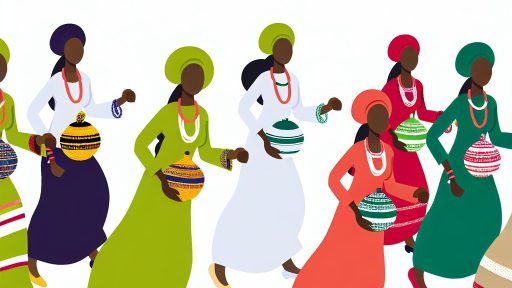
Traditional dances symbolize unity, joy, and cultural heritage in Nigerian weddings.
They create communal bonds among families and friends during the ceremony.
For example, the energetic Bata dance from Yoruba festivals often energizes wedding guests.
Similarly, the Atilogwu dance from the Igbo culture showcases acrobatics and lively beats.
These dances add a unique, celebratory atmosphere to wedding events.
Popular Festival Dances Adapted for Weddings
- Bata Dance: Originating from Yoruba festivals, it emphasizes rhythm and drum beats.
- Atilogwu Dance: Common among Igbo people, it involves synchronized, energetic movements.
- Swange Dance: Popular with Tiv communities, it blends storytelling and expressive motions.
- Ekombi Dance: A coastal dance performed with graceful gestures and colorful costumes.
These dances often appear during key moments in the wedding program.
Incorporating Festival Dances into Modern Weddings
Wedding planners like Ifeoma Grace Events skillfully blend traditional festival dances with contemporary styles.
This fusion honors cultural roots while appealing to younger generations.
Moreover, couples now involve professional dance troupes to teach and perform these dances.
They also customize choreography to reflect their unique love stories.
As a result, traditional dances remain relevant and meaningful today.
Effects on Wedding Atmosphere and Guest Experience
Traditional festival dances create an atmosphere of celebration and cultural pride.
Guests often participate enthusiastically, enhancing the communal spirit.
This engagement makes weddings lively and memorable for all attendees.
Furthermore, dance performances provide visual storytelling that connects the couple to their heritage.
Ultimately, these traditions enrich Nigerian weddings with timeless cultural significance.
Incorporation of Festival Attire and Fabrics into Wedding Outfits
Significance of Cultural Fabrics in Nigerian Weddings
Nigerian weddings often feature vibrant fabrics inspired by cultural festivals.
These fabrics carry rich histories and symbolize heritage.
They add authenticity and meaning to wedding attire.
Moreover, families celebrate their roots by wearing traditional materials.
For instance, the Yoruba people use Aso Oke fabric prominently at weddings.
Similarly, Igbo weddings showcase the elegance of George cloth.
The fabrics visually connect weddings to broader cultural celebrations.
Popular Festival Fabrics Integrated into Wedding Wear
Aso Oke remains a popular choice due to its intricate weave and colors.
It typically features stripes, patterns, and metallic threads.
Another fabric gaining popularity is Adire, known for its indigo dye patterns.
Adire ties wedding outfits to southwestern Yoruba festival traditions.
Additionally, Ankara fabric offers bold, colorful prints inspired by many festivals.
Its versatility allows for creative adaptation in wedding gowns and suits.
How Designers Blend Traditional Fabrics with Modern Styles
Designers like Temitope Olowu expertly fuse festival fabrics with contemporary designs.
They emphasize elegance while preserving cultural motifs.
For example, brides wear Aso Oke in tailored gowns with modern cuts.
Grooms often combine Ankara shirts with sleek, structured blazers.
Such styles maintain heritage yet appeal to modern sensibilities.
Furthermore, embellishments like beads enhance festival fabric textures beautifully.
Guest Attire Reflecting Festival Traditions
Wedding guests frequently wear outfits inspired by specific cultural festivals.
This practice creates a festive and cohesive atmosphere.
Family elders often don customary robes to honor tradition.
Guests select fabrics tied to their ethnic backgrounds.
Groups from different regions showcase their unique textile art.
Consequently, weddings become colorful celebrations of diverse Nigerian culture.
Symbolic Accessories Enhancing Festival Influence
Accessories such as gele head ties complement the festival fabrics worn.
Women skillfully tie elaborate geles that reflect cultural pride.
Men wear fila caps, often made from the same fabric as their attire.
Beaded jewelry and coral beads highlight status and heritage.
These accessories complete the festival-inspired wedding ensemble.
They deepen the connection between weddings and cultural festivals.
Discover More: Marriage as a Unifying Force Among Nigerian Ethnic Groups
The Role of Festival Music and Drumming in Wedding Celebrations
Festival Music as a Source of Joy and Unity
Festival music creates an atmosphere filled with joy and excitement.
It brings families and friends together during Nigerian wedding celebrations.
Moreover, traditional songs reflect cultural values and shared histories.
Music played at weddings often mirrors tunes heard during cultural festivals.
This similarity strengthens the bond between celebrations and community identity.
Drumming as a Symbol of Communication and Celebration
Drums hold a special place in Nigerian cultural festivals and weddings.
They serve as a language that conveys messages and emotions.
For example, the talking drum mimics speech intonations to communicate specific meanings.
Drumming signals important moments during the ceremony.
Consequently, guests feel more connected to the proceedings and each other.
Integration of Traditional Instruments and Rhythms
Weddings feature traditional instruments like the dundun, bata, and udu drums.
These drums produce rhythms that inspire dancing and celebration.
Skilled drummers like Chidi Nwachukwu add dynamic energy to the events.
The rhythms often follow those used in popular cultural festivals such as the Osun-Osogbo festival.
Therefore, the musical heritage enriches the wedding experience deeply.
The Impact of Dance Driven by Festival Music and Drumming
Festival music encourages lively dance performances during weddings.
Guests of all ages join in traditional dances that reflect cultural stories.
Dances like Atilogwu and Bata express happiness and communal spirit.
Wedding choreographers like Ifeoma Udo adapt festival dances for the celebrations.
Subsequently, these dances animate the wedding, making it memorable for everyone.
Preserving Cultural Identity Through Music and Drumming
Incorporating festival music into weddings helps preserve Nigerian cultural identity.
It educates younger generations about their ancestral traditions.
Bands such as Eze Folk Ensemble specialize in authentic traditional performances.
These groups maintain a direct link between festivals and wedding customs.
Ultimately, the continuous use of festival music reinforces pride in Nigerian heritage.
Discover More: The Influence of Oral Traditions on Nigerian Wedding Customs
Use of Symbolic Rituals from Festivals in Marriage Rites
Incorporation of Traditional Dance
Traditional dances play a vital role in many Nigerian cultural festivals.
Couples include these dances during wedding ceremonies to honor their heritage.
The Yoruba Bata dance often features in weddings for its spiritual symbolism.
Dancing together showcases unity and shared joy between families.
Wedding guests actively participate, creating a festive and communal atmosphere.
Adoption of Festival Attire and Colors
Wedding attire often draws inspiration from clothing worn during cultural festivals.
Couples select fabrics like Aso Oke and Ankara, popular in Nigerian celebrations.
These textiles usually carry symbolic colors representing prosperity, fertility, or protection.
Wearing such garments at weddings connects the event to broader cultural traditions.
Designers like Amaka Okoye create bespoke outfits blending festival motifs with modern style.
Use of Symbolic Objects and Offerings
Many Nigerian festivals include symbolic objects that signify blessings and protection.
Weddings adopt items such as kola nuts, palm wine, and cowrie shells.
The kola nut signifies hospitality and is shared during marriage rites.
Elders perform traditional blessings involving these objects to invoke good fortune.
This practice strengthens the spiritual and communal bonds during the wedding.
Inclusion of Music and Drumming Patterns
Distinctive music and drumming form a core part of cultural festivals in Nigeria.
Wedding ceremonies integrate traditional instruments like the talking drum and shekere.
These musical elements enhance the celebratory mood and honor ancestral customs.
Specific rhythms may signify different stages of the marriage rites.
Musicians like Chinyere Uzo enrich weddings with authentic sounds rooted in cultural identity.
Ceremonial Practices Reflecting Festival Rituals
Many marriage rites mirror rituals performed during Nigerian festivals.
These include libations, prayers, and symbolic gestures performed by family elders.
The Igbo Iku Aka ceremony celebrates engagement similarly to festive rites.
Such practices emphasize respect for tradition and the joining of families.
Couples like Tunde and Ifeoma demonstrate how festivals inspire meaningful wedding customs.
Delve into the Subject: How Nigerian Weddings Reflect Tribal and Ethnic Diversity
Festival-inspired Culinary Traditions Featured in Nigerian Weddings
Richness of Nigerian Festival Flavors in Wedding Menus
Nigerian weddings often incorporate distinctive flavors from cultural festivals.
These dishes celebrate Nigeria’s diverse culinary heritage.
For instance, the Eyo Festival in Lagos influences the use of spicy jollof rice.
Moreover, the Osun Festival inspires colorful and aromatic stews.
Consequently, these meals create a festive atmosphere at weddings.
Traditional Dishes That Connect Festivities and Nuptials
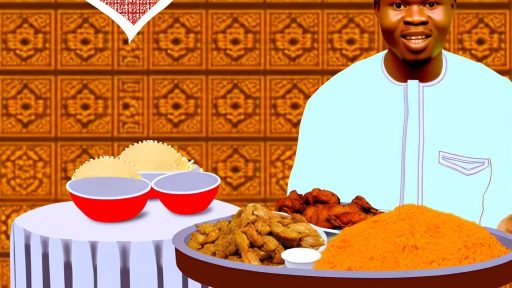
Guests relish traditional dishes like pounded yam paired with egusi soup.
This meal draws inspiration from various Yoruba festivals known for communal feasts.
In addition, suya, a spicy grilled meat popular during northern festivals, is a wedding favorite.
These culinary choices connect the celebration to cultural roots.
Furthermore, using festival foods honors ancestral customs during matrimonial ceremonies.
Symbolism Behind Festival Foods in Weddings
Many festival-inspired dishes carry deep symbolic meanings for couples.
For example, bitterleaf soup symbolizes resilience and strength in marriage.
Similarly, yam dishes represent prosperity and fertility.
Therefore, couples choose foods that convey positive wishes for their union.
This tradition enriches the wedding experience with cultural significance.
Modern Adaptations of Festival-Inspired Menus
Contemporary chefs blend traditional festival dishes with modern tastes.
They use innovative presentations to appeal to younger wedding guests.
For example, mini akara bites serve as popular appetizer trends.
Additionally, fusion dishes combine festival spices with international cuisine.
These adaptations preserve heritage while embracing culinary evolution.
Popular Festival Foods Commonly Served at Weddings
- Jollof rice with assorted grilled meat
- Pounded yam accompanied by egusi or ogbono soup
- Spicy suya skewers
- Akara (bean cakes) served as snacks or starters
- Moi Moi (steamed bean pudding) often served in decorative wrappers
- Palm wine, a traditional celebratory drink
These dishes bring a familiar festive feeling to wedding celebrations.
Their presence often sparks joyful memories of past cultural events.
Discover More: How Traditional Food Represents Love in Nigerian Marriages

Community Involvement and Social Bonding Modeled After Festivals
Vibrant Participation of Family and Neighbors
Nigerian weddings mirror cultural festivals through lively community participation.
Families and friends join together to celebrate the union joyfully.
This widespread involvement creates lasting memories for everyone present.
Furthermore, neighbors often contribute food, music, and decorations.
This generosity strengthens bonds between different households and communities.
Shared Traditions Foster Unity
Traditional dances and songs bring people closer at both festivals and weddings.
They act as a shared language that transcends individual differences.
Consequently, guests experience a strong sense of unity and belonging.
The presence of elders guiding the ceremonies boosts respect and togetherness.
Additionally, communal prayers and blessings echo the spiritual aspects of festivals.
Collaborative Preparation Builds Relationships
Preparing for weddings often involves cooperative efforts similar to festival setups.
Friends and family volunteer to organize decorations, attire, and food.
This cooperation nurtures teamwork and deepens interpersonal connections.
Moreover, joint rehearsals for traditional performances enhance mutual trust.
Such collaboration transforms wedding events into community celebrations.
Celebration as a Social Network Reinforcement
Weddings serve as vital occasions to renew social ties within communities.
They provide opportunities for networking among relatives and friends.
People exchange stories, gifts, and support during these joyous gatherings.
Notably, festival-like feasts encourage open communication and laughter.
Through these interactions, social cohesion within Nigerian societies strengthens.
The Impact of Regional Festival Customs on Diverse Wedding Practices
Incorporation of Traditional Attire
Regional festivals influence the choice of wedding attire in various Nigerian communities.
For instance, the Yoruba’s vibrant Aso Ebi tradition draws inspiration from festival clothing.
Similarly, the Igbo bridal dress often reflects styles worn during the New Yam Festival.
Therefore, couples adopt colorful fabrics and intricate designs seen in cultural celebrations.
These clothing choices symbolize their heritage and respect for ancestral customs.
Music and Dance Traditions
Festival music significantly shapes wedding entertainment across Nigeria.
The Hausa festivals showcase traditional instruments like the talking drum and kakaki.
Similarly, the Tiv people incorporate their unique dances learned from harvest rituals.
Consequently, weddings feature these rhythmic performances to energize guests.
These expressions create joyful atmospheres and strengthen community bonds.
Ceremonial Rites and Symbolism
Many wedding rituals derive their meaning from regional festival practices.
For example, the Edo people include libations and prayers familiar from the Igue Festival.
Likewise, the Efik wedding ceremonies draw symbolism from the Ekpe festival masquerades.
This integration reinforces spiritual connections and cultural continuity.
Thus, couples honor their lineage through meaningful ceremonial acts.
Role of Food and Festive Feasts
Festival-inspired cuisine plays a vital role in Nigerian wedding celebrations.
Typical dishes served during weddings often mirror those enjoyed at local festivals.
The Nupe people’s yam-based meals at the Gani Festival find their way to wedding menus.
Moreover, shared meals foster unity and celebrate communal prosperity.
Wedding feasts therefore showcase the richness of regional culinary traditions.
Community Participation and Social Dynamics
Regional festivals emphasize communal involvement, which influences wedding social structures.
Many Nigerian weddings mirror festival roles, allocating duties to family and friends.
For instance, the Ekiti festival’s spirit of collective responsibility appears at engagement ceremonies.
This participatory approach strengthens social ties and collective joy.
Ultimately, weddings become an extension of the larger cultural festival experience.
How Storytelling and Folklore from Festivals Enrich Wedding Vows and Speeches
Drawing Inspiration from Traditional Tales
Nigerian cultural festivals showcase rich storytelling traditions.
Many stories highlight values such as loyalty, bravery, and unity.
Couples incorporate these themes into their wedding vows to add depth.
The tale of Queen Moremi inspires promises of courage and sacrifice.
Moreover, guests appreciate hearing familiar folklore during speeches and toasts.
Connecting Guests through Shared Heritage
Storytelling during festivals strengthens communal bonds.
Similarly, wedding speeches drawing on folklore create familiarity among guests.
Speeches often recount ancestral lessons learned from festival myths.
This approach evokes nostalgia and collective identity during celebrations.
As a result, wedding moments become more meaningful and heartfelt.
Using Festival Motifs to Personalize Messages
Folklore from festivals offers symbolic motifs for wedding expressions.
For example, the annual Osun-Osogbo Festival emphasizes prosperity and fertility.
Couples reference these symbols to express hopes for their marriage.
Speakers might describe the couple's love as steadfast like the festival's sacred river.
Thus, wedding vows and speeches gain unique cultural resonance.
Celebrating Cultural Pride and Identity
Festival stories celebrate Nigerian ethnic diversity and pride.
Likewise, weddings become venues to honor this rich cultural heritage.
Incorporating folklore into vows highlights respect for tradition and ancestors.
Wedding narrators often praise the resilience illustrated in festival legends.
This tradition fosters pride and inspires future generations within families.
Adaptation of Festival Decorations and Aesthetics in Wedding Venues
Incorporating Vibrant Colors and Patterns
Nigerian cultural festivals often use vibrant colors that evoke joy and celebration.
Wedding planners embrace these colors to energize the wedding venue.
Bright reds, yellows, and greens commonly adorn fabrics and accessories.
Furthermore, traditional patterns inspire intricate designs on wedding drapes and linens.
These visual elements create a festive and culturally rich atmosphere for guests.
Use of Traditional Artefacts and Symbols
Wedding venues often showcase artefacts seen at cultural festivals, such as masks and beads.
These decor pieces highlight indigenous artistry and heritage.
Moreover, symbols like the uli and adinkra motifs appear in venue decorations.
Couples like Ifeoma and Chuka have personalized their weddings with festival-inspired sculptures.
As a result, the ceremony space reflects deep cultural connections and pride.
Engagement with Local Artisans and Designers
Couples collaborate with artisans skilled in festival aesthetics for authentic decorations.
Designers such as Amaka Obi specialize in blending festival styles with contemporary weddings.
They craft bespoke items including handwoven fabrics and carved wooden centerpieces.
This partnership ensures the wedding honors traditional aesthetics while feeling unique.
Consequently, many Nigerian weddings feature a perfect fusion of past and present artistic expressions.
Creating Immersive Experiences Through Decor
Festival-inspired lighting and music often accompany the visual aesthetic.
For example, elaborate calabash chandeliers mimic festival lighting techniques.
These elements engage multiple senses, transporting guests to a festive celebration.
Additionally, floral arrangements reflect native blossoms used in cultural festivals.
Thus, the overall ambiance becomes immersive, celebrating Nigerian culture authentically.