




Historical Background of Marriage Traditions in Nigeria
Origins and Early Practices
Marriage traditions in Nigeria date back centuries.
Initially, marriage served as a strong social alliance.
It unified families and communities through bonds of kinship.
Different ethnic groups developed unique marriage customs.
For instance, the Yoruba, Igbo, and Hausa-Fulani each had distinct ceremonies.
These traditions reflected cultural values and social structures.
Moreover, marriage often involved rituals to invoke blessings and protection.
Families negotiated bride price and gifts as part of formalizing unions.
Notably, the community played a significant role in validating marriages.
Impact of Colonialism and Christianity
Colonial rule introduced new legal frameworks for marriage.
Christian missionaries influenced changes in marital rites.
Western-style wedding ceremonies gradually merged with traditional practices.
Marriage registration became standardized under colonial laws.
These changes affected perceptions of legitimacy and inheritance.
However, many Nigerians retained deep ties to customary marriage customs.
As a result, dual systems of marriage law emerged across the country.
Today, customary, religious, and statutory marriages coexist in Nigeria.
Diversity of Marriage Customs Across Ethnic Groups
Marriage practices vary widely throughout Nigeria.
The Yoruba celebrate the engagement with “Introduction” and “Traditional Wedding” phases.
Among the Igbo, the “Igba Nkwu” ceremony highlights bride price payment and cultural dance.
Hausa-Fulani marriages emphasize Islamic rites and dowry payments.
Other ethnic groups, such as Edo and Tiv, hold unique ritualistic ceremonies.
Despite differences, common themes include family involvement and communal celebration.
Thus, marriage remains a vital expression of cultural identity in Nigeria.
The Role of Marriage in Nigerian Family Structures
Marriage as the Foundation of Family
Marriage serves as the fundamental building block in Nigerian family life.
It creates a formal bond between two individuals and their extended families.
Consequently, it defines roles, responsibilities, and social expectations for family members.
Moreover, marriage is essential for maintaining lineage and heritage.
Families often view marriage as a duty to continue the family name and traditions.
Marriage and Communal Identity
In Nigeria, marriage connects individuals to larger community networks.
Consequently, it strengthens clan ties and cultural unity in many ethnic groups.
For example, the Yoruba celebrate marriage through elaborate ceremonies that involve the entire community.
Similarly, the Igbo emphasize bride price and family negotiations to reinforce bonds.
Thus, marriage extends beyond the couple to unite families socially and economically.
Social Responsibilities Within Marriage
Marriage assigns specific social roles to spouses within the family.
Husbands usually assume roles as providers and protectors in many Nigerian cultures.
Wives often manage the household and nurture children.
Additionally, couples collaborate to support their extended family networks financially and emotionally.
This cooperation ensures familial welfare and community stability.
Marriage and Childbearing Expectations
Childbearing remains a critical expectation in Nigerian marriages.
Children symbolize prosperity, continuity, and societal approval for couples.
Therefore, couples often face pressure to have children soon after marriage.
Families celebrate the birth of children as collective joy and success.
In many cases, childlessness carries social stigma or invites intervention from extended family.
Marriage Ceremonies and Family Representation
Marriage ceremonies highlight the importance of family in Nigerian culture.
They showcase traditional attire, music, and rituals unique to each ethnic group.
Families participate actively in planning and hosting these events.
These celebrations reinforce family pride and social standing within the community.
Furthermore, they serve as a public declaration of union and family alliance.
Cultural Rites and Ceremonies Involved in Nigerian Marriages
Introduction to Traditional Marriage Customs
Nigerian marriages revolve around rich cultural rites and ceremonies.
These customs vary among ethnic groups but share common values.
They emphasize family, community, and spiritual connections.
Therefore, the process is often elaborate and celebratory.
The Bride Price and Introduction Ceremony
One essential rite is the bride price negotiation, called “Iku Aka” among the Yoruba.
Families meet to discuss and agree on bride price terms.
This payment symbolizes respect and commitment to the union.
Following the negotiation, families formally introduce themselves to each other.
Traditional Engagement Festivities
The engagement ceremony is a grand event filled with music and dance.
Guests from both families gather to celebrate the couple.
Gifts are exchanged as tokens of goodwill and acceptance.
The bride often wears traditional attire reflecting her cultural heritage.
Wedding Day Rituals and Celebrations
The wedding day begins with prayers and blessings from elders and clergy.
Ceremonies include the exchanging of vows and rings.
Communities often join in drumming, singing, and dancing festivities.
Food plays a significant role and is shared generously among attendees.
Post-Wedding Traditions and Community Involvement
After the marriage, rituals reinforce the couple’s new status in society.
These include visits to the bride’s extended family and community leaders.
Relatives provide guidance and support to help build a strong marriage.
Collectively, these rites maintain social bonds and cultural identity.
Learn More: Top Kitchen Food Catering and Event Decoration Services in Alimosho, Lagos
The Significance of Bride Price and Dowry in Nigerian Marriages
Understanding Bride Price
Bride price holds great value in Nigerian marriage traditions.
It symbolizes respect and appreciation for the bride’s family.
Additionally, it serves as a formal agreement between both families.
Typically, the groom’s family presents gifts or money to the bride’s family.
This practice also helps strengthen bonds between families and communities.
Moreover, bride price varies according to ethnic backgrounds and customs.
For instance, among the Yoruba, it often includes money, clothes, and food items.
Among the Igbo, it is common to incorporate kola nuts and other symbolic gifts.
Also, bride price reflects the groom’s commitment and readiness for marriage.
In some regions, it functions as a way to compensate the bride’s family for their loss.
Purpose and Cultural Impact of Dowry
Dowry plays a complementary role to bride price in many Nigerian cultures.
It usually consists of household items or valuables given to the bride.
Parents or guardians typically provide the dowry as a goodwill gesture.
Dowry supports the bride’s new beginning in her husband’s home.
Often, it enhances the couple’s initial household setup and comfort.
It also symbolizes the bride’s family’s blessings and support for the marriage.
In addition, dowry customs vary widely across Nigeria’s ethnic groups.
For example, in northern Nigeria, dowry may include livestock or farm produce.
In the south, dowry can range from fabric to household appliances.
Thus, dowry fosters positive relations and mutual respect between families.
Social and Emotional Dimensions
Bride price and dowry contribute to emotional bonds among families involved.
These traditions celebrate the union of two families, not just individuals.
They reinforce social responsibility and communal interdependence.
Additionally, they provide a platform for families to meet and exchange pleasantries.
This interaction often paves the way for long-term cooperation and friendship.
Furthermore, both practices maintain cultural heritage and reinforce identity.
Failure to agree on bride price or dowry can cause conflicts between families.
Hence, negotiation processes are often guided by elders and respected community leaders.
Modern Adaptations and Challenges
Contemporary Nigerian couples increasingly adapt bride price and dowry customs.
Some reduce amounts to ease financial burdens during marriage ceremonies.
Others replace traditional items with cash or symbolic gifts.
Moreover, urbanization influences the way families approach these customs.
Still, many Nigerians uphold these traditions to preserve cultural continuity.
Legal reforms sometimes impact these practices, promoting fairness and consent.
Overall, bride price and dowry remain key elements of Nigerian marital culture.
Explore Further: Rukewe_Sings Gospel Ministry Services Based in Lagos for Worship Events
Religious Influences on Marriage Customs Across Different Nigerian Ethnic Groups
Impact of Christianity on Marriage Traditions
Christianity shapes many marriage customs in Nigeria.
Most Christians emphasize monogamy and church wedding ceremonies.
Families often seek blessings from pastors before marriage.
In the southeastern Igbo community, church weddings complement traditional rites.
Furthermore, Christian values promote love, fidelity, and mutual respect.
Pastor Chinedu Okafor often leads wedding counseling sessions.
This guidance helps couples understand marital responsibilities clearly.
Role of Islam in Shaping Marriage Practices
Islamic beliefs significantly influence marriage customs in northern Nigeria.
Muslim weddings usually involve a religious ceremony called Nikah.
Imams conduct the marriage contract in the presence of witnesses.
The Hausa-Fulani community often combines Islamic rites with customary traditions.
Additionally, Islamic teachings stress the importance of family consent.
Customary bride price remains a respected tradition alongside religious practices.
Local Imam Usman Lawal often advises couples on Islamic marital duties.
Traditional African Religions and Marriage Rituals
Traditional beliefs play a vital role among the Yoruba and other ethnic minorities.
Marriage rituals include offerings to ancestors and deities for blessings.
Yoruba weddings feature the engagement ceremony called Idanawolowo.
During this event, the groom presents gifts to the bride’s family.
Moreover, rituals often involve drumming, dancing, and prayers to the gods.
Chief priestess Adetola Alabi oversees many traditional wedding ceremonies.
These customs aim to secure spiritual harmony for the couple.
Interplay Between Religion and Ethnic Traditions
Many Nigerian marriages blend religious faiths with ethnic traditions seamlessly.
The blending respects both faith doctrines and cultural heritage.
For example, a couple might have church and traditional rites in one wedding.
This approach satisfies different family expectations and societal norms.
In addition, it showcases Nigeria’s rich cultural diversity.
Religious leaders like Bishop Matthew Eze encourage this integration respectfully.
Ultimately, marriage customs reflect Nigeria’s multi-religious, multi-ethnic identity.
- Bride price negotiations often involve religious blessings.
- Religious leaders conduct premarital counseling to prepare couples.
- Marriage ceremonies include prayers, hymns, or Quranic recitations.
- Family elders play significant roles under both religious and traditional customs.
- Spiritual gifts and offerings often bless the union.
Gain More Insights: S_UNIQUEGRILLS Finger Food and Grillz Vendor Located in Ikeja Lagos
The Impact of Marriage on Social Status and Community Bonds
Marriage as a Marker of Social Status
Marriage often elevates an individual’s social standing within Nigerian communities.
Married individuals gain respect and recognition from their peers.
For example, Olawale’s marriage enhanced his influence in the Ikeja district.
Consequently, married couples often participate more actively in community decision-making.
Also, marriage symbolizes responsibility and maturity, valued traits in Nigerian culture.
Strengthening Community Bonds Through Marriage
Marriage connects two families, reinforcing alliances beyond the couple.
These unions create wider social networks and mutual support systems.
For instance, the Okafor and Nwosu families united through the marriage of Amara and Emeka.
This union brought both families closer and promoted shared community projects.
In addition, community celebrations surrounding weddings spark collective participation and joy.
Marriage Traditions as Tools for Social Cohesion
Traditional marriage ceremonies establish unity among extended families and neighbors.
They provide a platform for elders like Chief Adeyemi to reinforce communal values.
Moreover, these events involve rituals that symbolize peace and harmony among groups.
Furthermore, gift exchanges during weddings strengthen reciprocal relationships.
These customs help maintain lasting social bonds within Nigerian societies.
Delve into the Subject: KZ Crumble Cakes Baking and Pastry Services in Sangotedo Lagos State
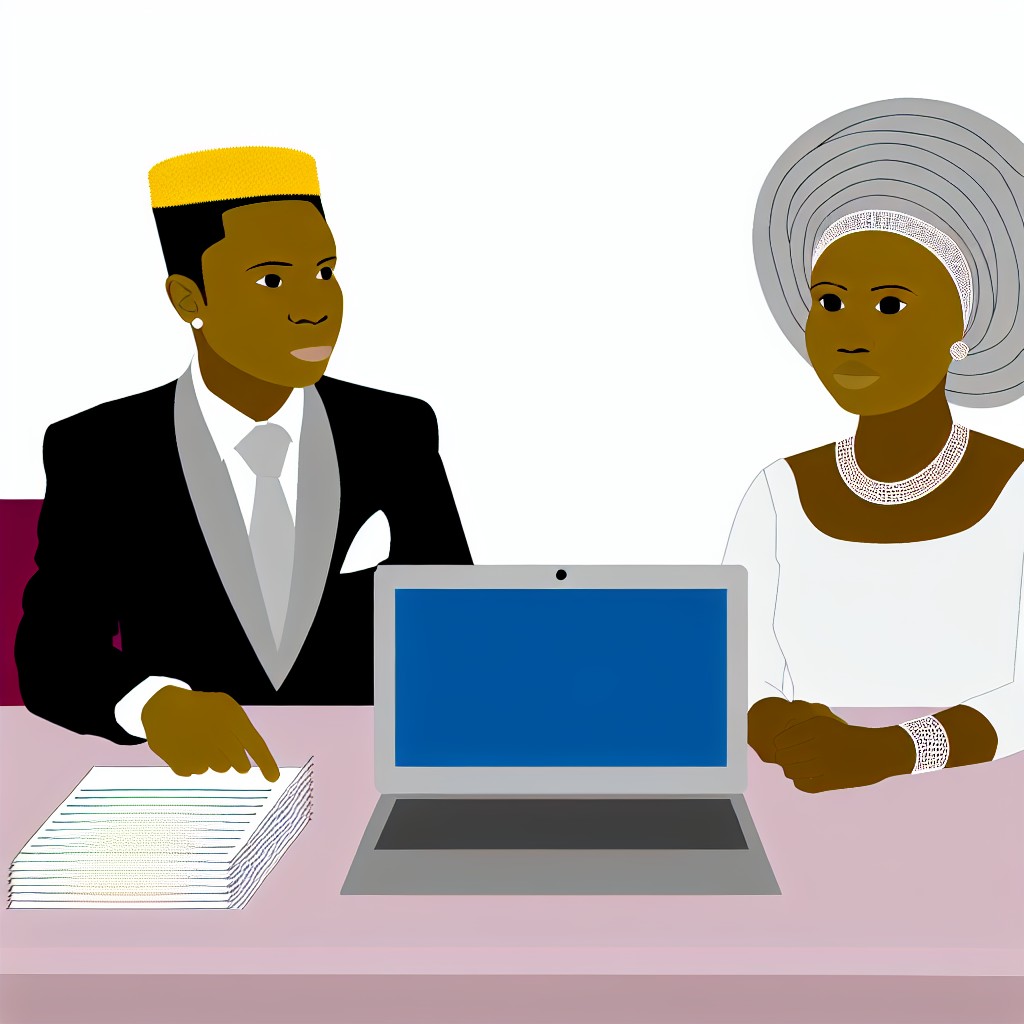
Gender Roles and Expectations Within Nigerian Marriages
Traditional Roles of Husbands
In many Nigerian cultures, husbands traditionally serve as the family’s primary providers.
They take responsibility for financial stability and decision-making.
Moreover, husbands often act as the head of the household.
They provide protection and guidance to their wives and children.
Additionally, they represent the family in social and community matters.
Expectations for Wives
Wives typically manage domestic affairs and care for the children.
They maintain the household and support their husbands’ efforts.
Furthermore, wives are expected to preserve family harmony and nurture relationships.
In many regions, women actively participate in extended family duties.
Some cultural groups also emphasize obedience and respect towards the husband.
Shifts in Contemporary Marriages
Modern Nigerian marriages increasingly embrace more egalitarian roles.
Many women now contribute financially to their families.
They pursue education and careers while managing household duties.
Meanwhile, some men share domestic responsibilities, including childcare.
These changes reflect broader societal and economic transformations.
Influence of Religion and Ethnicity
Religion significantly influences gender roles and expectations.
For example, Christian couples may follow different marital customs than Muslim couples.
Ethnic backgrounds also shape specific role definitions.
The Yoruba, Igbo, and Hausa cultures each have unique expectations.
Such diversity enriches the cultural fabric of Nigerian marriages.
Balancing Tradition with Modern Changes in Marriage Roles
Balancing tradition and modernization causes tension in some marriages.
Couples negotiate roles to accommodate changing economic realities.
Communication helps spouses align their expectations and responsibilities.
Community support and counseling services also assist in resolving conflicts.
Ultimately, mutual respect fosters stronger, more resilient marriages.
Challenges and Changes in Traditional Marriage Practices in Modern Nigeria
Social and Economic Influences on Marriage
Traditional marriage practices in Nigeria face significant social changes today.
Urbanization draws many young people away from their home communities.
Consequently, this shift affects how marriage customs are observed and valued.
Additionally, economic pressures influence choices regarding marriage arrangements.
For example, many couples delay marriage due to financial instability.
Moreover, the rising cost of bride price impacts family negotiations.
This economic demand sometimes discourages traditional marriages completely.
Impact of Education and Modern Lifestyles
Education plays a crucial role in transforming marriage perceptions among Nigerians.
More educated women advocate for equal say in marital decisions nowadays.
Therefore, traditional practices that limit women’s roles face increased scrutiny.
At the same time, modern lifestyles emphasize nuclear family structures over extended family living.
This emphasis changes relationship dynamics within Nigerian families.
Furthermore, technology affects communication and courtship practices profoundly.
Social media and dating apps create new platforms for meeting potential partners.
Religious and Legal Adjustments in Marriage Customs
Religion continues to strongly influence marriage traditions in Nigeria.
However, diverse religious beliefs create variations in marriage ceremonies.
This diversity sometimes causes conflicts about which traditional norms to follow.
In addition, Nigerian laws increasingly recognize civil marriages alongside customary unions.
This legal recognition supports couples who prefer non-traditional marriage forms.
Consequently, people seek more flexible and formalized marriage options today.
Changing Roles of Family and Community
Family involvement historically shaped marriage negotiations and approvals.
Nowadays, many young couples challenge family authority over their choices.
As a result, some marriages occur without full family consent.
Communal roles in matchmaking and celebrations gradually diminish in urban areas.
However, in rural regions, family traditions remain strong and widely respected.
Communities still organize cultural ceremonies but adapt them to new social realities.
Contemporary Marriage Practices in Nigeria
Many couples blend traditional customs with modern wedding elements.
This fusion honors cultural heritage while embracing contemporary values.
Popular practices include combining traditional attire with formal church or registry ceremonies.
Couples often opt for smaller, more intimate weddings compared to past generations.
Despite changes, marriage remains a celebrated milestone in Nigerian society.
Adapting to challenges helps preserve the institution’s significance.
Key Factors Driving Marriage Transformation
- Economic challenges affecting affordability and timing of weddings
- Urban migration influencing social networks and cultural exposure
- Increased educational attainment changing gender roles and expectations
- Legal reforms providing diverse marriage frameworks
- Technological advancements facilitating new courtship methods
The Importance of Marriage in Preserving Nigerian Cultural Heritage
Marriage as a Cultural Foundation
Marriage serves as a foundational pillar in Nigerian cultural identity.
It connects individuals to their ethnic roots and customs.
Furthermore, marriage strengthens family bonds across generations.
Through marriage, cultural practices and traditions continue to flourish.
It also promotes a sense of belonging within diverse Nigerian communities.
Transmission of Traditions and Customs
Marriage facilitates the passing of age-old customs from parents to children.
Couples actively participate in traditional ceremonies that reflect their heritage.
For instance, ceremonies like the Yoruba engagement ritual highlight cultural values.
Additionally, marriage ceremonies incorporate symbolic attire and dances unique to each tribe.
Families use these events to teach younger members about their history and identity.
Social Cohesion and Community Roles
Marriage plays a key role in promoting social cohesion within Nigerian societies.
It creates alliances between families, tribes, and even regions.
Moreover, it encourages mutual respect and cooperation among community members.
Traditional marriage processes often involve elders, reinforcing their social authority.
This dynamic helps maintain harmony and collective cultural responsibility.
Preserving Language and Oral Traditions
Marriage ceremonies include storytelling and proverbs that preserve native languages.
Couples often recite ancestral poems and praises during rites of passage.
Such oral traditions are vital for maintaining Nigeria’s diverse linguistic heritage.
In addition, elders pass on wisdom that guides family and societal values.
By celebrating marriages, communities keep these rich heritages alive for future generations.
Economic and Ritual Significance
Marriage also carries economic importance through bride price and gift exchanges.
These exchanges symbolize respect, commitment, and unity between families.
Rituals performed during marriage invoke blessings and protection from ancestors.
They reflect the spiritual connection Nigerians maintain with their cultural roots.
Consequently, marriage fosters both material and spiritual prosperity within communities.
Comparison of Marriage Practices Among Major Nigerian Ethnic Groups
Marriage Traditions of the Yoruba People
The Yoruba people place great emphasis on family involvement in marriage.
They traditionally perform an engagement ceremony called the “Introduction” or “Idana.”
During this event, families formally meet and discuss marital intentions.
The bride price, known as “Owo-ori,” is an important cultural component.
In addition, traditional music and dance form a lively part of the wedding celebrations.
Moreover, Yoruba weddings celebrate community solidarity and mutual respect.
Igbo Marriage Customs and Ceremonies
Igbo marriages usually consist of two major events: customary marriage and traditional marriage.
Firstly, they perform the “Ime Ego,” where the groom’s family pays a bride price.
Secondly, the “Igba Nkwu” ceremony celebrates the union with wine carrying and blessings.
Furthermore, the bride presents palm wine to the groom to signify acceptance.
The involvement of elders ensures adherence to cultural values and blessings.
Finally, the festivities include traditional dances, songs, and feasting.
Nuances of Hausa Marriage Practices
The Hausa people emphasize religious rituals aligned with Islamic teachings.
They begin with the “Kamu” marriage contract, formalizing the union.
Subsequently, the “Walima” feast marks the public celebration of the marriage.
Importantly, the bride price called “Sadaki” is negotiated and paid to the bride’s family.
Additionally, the ceremonies involve Quranic recitations and prayers for the couple.
Community participation strengthens social bonds during Hausa weddings.
Cultural Significance and Variations in Nigerian Marriages
All major ethnic groups honor the importance of family consent in marriage.
They each celebrate with music, dance, and communal feasting.
Nevertheless, the role of bride price varies in significance and procedure.
Moreover, religious influences shape marriage rituals especially among the Hausa.
While customs differ, marriage universally symbolizes union and social stability.
Thus, Nigerians celebrate marriage as a vital cultural and social institution.
Additional Resources
19 Things I Learned in Nigeria — Wait But Why
There have been numerous posts discussing the issue of husbands …


