




Understanding the Cultural Significance of Aso-Oke in Nigerian Weddings
Aso-Oke as a Symbol of Heritage
Aso-Oke holds deep cultural importance among the Yoruba people of Nigeria.
It represents tradition, identity, and social status in the community.
Moreover, it showcases the rich craftsmanship and artistic heritage passed down.
This fabric is more than material; it tells a story of lineage and pride.
Role in Wedding Ceremonies
Aso-Oke plays a central role in traditional Nigerian weddings.
It unites families through shared cultural expressions and values.
Additionally, the fabric distinguishes the bride and groom on their special day.
Wedding guests often wear Aso-Oke to honor the couple’s roots.
Hence, it fosters a collective sense of belonging and celebration.
Meaning Behind Colors and Patterns
Colors and patterns of Aso-Oke carry specific meanings and intentions.
For instance, red signifies vitality and strong emotions.
Blue often symbolizes peace and love within a marriage.
Gold and silver threads reflect wealth, success, and fertility.
In turn, patterns highlight cultural motifs and personal stories.
Importance of Aso-Oke in Modern Weddings
Today, couples blend tradition with contemporary fashion by using Aso-Oke.
The fabric keeps cultural heritage alive amid changing wedding trends.
Wedding planners and designers like Bankole Adeniyi help preserve this legacy.
Through Aso-Oke, modern weddings gain elegance grounded in cultural significance.
Consequently, the fabric continues to inspire pride and unity among families.
Different Types and Styles of Aso-Oke Fabric Available
Overview of Aso-Oke Fabric
Aso-Oke is a traditional Yoruba handwoven fabric rich in culture.
It is popular for weddings and special occasions across Nigeria.
Several types and styles of Aso-Oke cater to different tastes and events.
Understanding these variations helps you select the perfect fabric for your wedding.
Common Types of Aso-Oke Fabrics
Etu
Etu is a deep blue Aso-Oke fabric with indigo dye.
It boasts intricate patterns, symbolizing strength and elegance.
Many grooms prefer Etu for its royal and masculine appeal.
Alagbaa
Alagbaa fabric stands out for its vibrant colors and stripes.
It is woven with silk and cotton, offering a luxurious feel.
Brides often choose Alagbaa for its brightness and charm.
Similorogun
Similorogun combines various colors and patterns in a horizontal stripe.
This style suits both men and women for celebratory events.
Its versatility makes it a favorite among Aso-Oke enthusiasts.
Styles and Weaving Techniques
Handwoven Patterns
Traditional Aso-Oke is carefully handwoven on narrow looms.
This technique creates unique patterns that vary by region.
Each fabric tells a story through its distinctive designs.
Beaded and Embellished Aso-Oke
Some styles feature hand embroidery, beads, and sequins.
They add glamour and richness, perfect for bridal attire.
Such embellishments enhance the overall elegance of the fabric.
Determining Fabric Choice by Occasion and Style
Consider the color scheme of your wedding when selecting Aso-Oke.
Also, match the fabric style to your preferred level of formality.
Consult with expert weavers like Adeola Textile Crafts for custom options.
Ultimately, your choice should reflect your personality and cultural pride.
Choosing the Right Color Palette to Match Your Wedding Theme
Understanding Your Wedding Theme
Begin by identifying the overall theme of your wedding.
Consider whether your wedding is traditional, modern, or a blend of styles.
This clarity helps you select an aso-oke color that complements your wedding’s mood.
For instance, a classic white wedding demands subtle and elegant hues.
Conversely, a vibrant ceremony calls for bold and rich colors.
Matching Colors with Wedding Venue and Decorations
Next, observe the colors used in your venue and decorations.
Choose aso-oke shades that harmonize with floral arrangements and table settings.
Doing so creates a consistent and visually pleasing environment.
Moreover, coordinating colors boosts your wedding photographs’ overall appeal.
Selecting Colors That Flatter Skin Tone
It is vital to pick aso-oke colors that highlight your natural complexion.
Warm skin tones often shine in jewel tones like emerald and ruby.
Meanwhile, cooler skin tones can glow in blues, purples, and silver accents.
Your aso-oke should enhance your appearance without overpowering it.
Using Color Psychology to Influence the Mood
Consider the emotions associated with different colors.
Red evokes passion, making it perfect for energetic weddings.
Blue inspires calm and trust, ideal for relaxed ceremonies.
Therefore, choose colors that reflect how you want your day to feel.
Recommended Color Palettes for Popular Wedding Themes
Traditional weddings pair beautifully with gold, cream, and deep maroon.
Beach themes often combine aqua, coral, and sandy beige tones.
Rustic weddings suit earthy greens, browns, and soft neutrals.
Finally, contemporary weddings thrive on monochrome or metallic shades.
- Gold and maroon for elegance
- Aqua and coral for freshness
- Earthy tones for natural charm
- Monochrome or metallics for modern flair
By thoughtfully selecting your aso-oke colors, you create harmony on your special day.
Your wedding theme and personal style become beautifully intertwined.
Discover More: Inspiration for Customizing Your Nigerian Wedding Outfit
Considering Fabric Texture and Comfort for All-Day Wear
Understanding the Importance of Fabric Texture
The texture of your Aso-Oke greatly impacts your overall comfort throughout the day.
Choosing the right texture helps you feel confident and at ease during your wedding events.
Soft textures are ideal because they provide gentle contact with your skin.
Conversely, rough or stiff fabrics may cause irritation and discomfort as time goes by.
Therefore, examining fabric samples before deciding is essential for a pleasant experience.
Choosing Comfort Without Compromising Style
Comfort should never be sacrificed for appearance during your special day.
Luckily, modern Aso-Oke designs blend beautiful textures with soft, breathable materials.
Additionally, lightweight fabrics reduce heat retention, keeping you cool and composed.
Look for Aso-Oke with a smooth weave that allows natural airflow to your skin.
Also, test the fabric’s flexibility to ensure it allows unrestricted movement for dancing and posing.
Factors to Evaluate for Long-lasting Comfort
Consider these aspects when selecting your perfect Aso-Oke fabric.
- Breathability: Allows sweat to evaporate, preventing discomfort and stickiness.
- Weight: Light to medium-weight fabrics reduce strain and overheating.
- Finish: A soft finish ensures no rough areas will rub against your skin.
- Durability: Sturdy materials withstand hours of wear and multiple wedding events.
- Stretchability: Some give in the fabric offers ease for movement and sitting.
Testing Fabric Comfort Before Your Wedding
Always conduct a comfort test with your selected Aso-Oke fabric.
Wear a sample piece for an extended period to observe any discomfort.
Walk, sit, and move around in the fabric to check for irritation or stiffness.
Consult experienced tailors like Temitope Balogun or designers such as Kemi Adeyemi for expert fabric advice.
This ensures your choice remains comfortable from start to finish on your big day.
See Related Content: The Significance of Colors in Nigerian Bridal Wear
Tips on Matching Aso-Oke with Accessories and Other Wedding Attire
Choosing Complementary Colors
Start by selecting Aso-Oke colors that harmonize with your wedding theme.
Next, consider accessories that enhance but do not overwhelm your Aso-Oke.
For example, if your Aso-Oke is vibrant, opt for subtle jewelry to balance the look.
On the other hand, neutral Aso-Oke fabrics allow you to explore bolder accessory choices.
Additionally, coordinate your headgear, like the fila or gele, with your attire colors.
Selecting Appropriate Jewelry
Choose jewelry that complements the fabric's texture and patterns.
Gold pieces traditionally pair well with rich, earthy colored Aso-Oke.
However, silver or bronze accessories suit cooler-toned Aso-Oke fabrics beautifully.
Moreover, statement necklaces or earrings can highlight your neckline elegantly.
Consider avoiding oversized jewelry if your Aso-Oke features intricate embroidery to prevent clashing.
Coordinating with Other Wedding Attire
Ensure the bride and groom's Aso-Oke styles coordinate without being identical.
Matching elements like embroidery patterns can create unity between your outfits.
Remember to align your attire with your wedding party's colors and style.
For instance, bridesmaids' wrappers should complement the bride's gele and fabric.
Furthermore, choose footwear that complements the entire ensemble, such as traditional slippers or heels.
Considering Fabrics and Patterns
Select Aso-Oke fabric that feels comfortable and suits the wedding season.
Heavy fabrics work well for cooler weather, while lighter ones suit warm climates.
Patterns should reflect your personal style yet remain appropriate for the ceremony.
Stripes, checks, or traditional motifs all add character but should harmonize with your accessories.
Finally, take time to try different combinations before finalizing your look.
Learn More: TeaseBeautyLounge Abuja Wedding Fashion and Beauty Services Since Establishment
Where to Source Authentic and High-Quality Aso-Oke Fabrics
Local Markets Known for Genuine Aso-Oke
One of the best places to find authentic Aso-Oke is in the local markets of Lagos and Ibadan.
Markets such as Balogun and Oje are popular among brides-to-be.
These markets offer wide varieties directly from skilled weavers and trusted sellers.
Moreover, shopping locally allows you to inspect the fabric quality closely.
Additionally, you can often negotiate prices and ask questions about the fabric’s origin.
Specialized Aso-Oke Weaving Centers
Visiting dedicated weaving centers in Egbaland is an excellent option.
In places like Abeokuta, expert weavers produce some of the finest Aso-Oke fabrics.
These centers provide not only cloth but also custom weaving services for your wedding needs.
Furthermore, buying directly supports traditional artisans and preserves cultural heritage.
You can request unique patterns or specific color combinations from experienced craftsmen.
Reputable Boutiques and Designers
Many Nigerian designers specialize in premium Aso-Oke for weddings and special ceremonies.
Designers like Kemi Ajayi and Bola Adewale offer authentic fabrics sourced from trusted suppliers.
These boutiques often guarantee quality and provide styling advice tailored to your preferences.
Also, they may include customization options, ensuring a perfect fit and design.
Shopping at established boutiques offers convenience and authenticity assurance.
Online Stores with Verified Authenticity
Online shopping platforms are a growing avenue to buy Aso-Oke fabrics conveniently.
Websites such as LagosTraditionalCloth.com and YorubaWeaves.com showcase authentic pieces.
Make sure to check customer reviews and verification badges before purchasing.
These stores often provide detailed product descriptions and high-quality images for clarity.
Moreover, many offer worldwide shipping, making it accessible regardless of location.
Guidelines for Verifying Aso-Oke Authenticity
Always ask for the fabric’s origin and the name of the weaver or company.
Check that the fabric feels sturdy and is finely woven with traditional patterns.
Beware of cheaper imitations that may use synthetic fibers instead of cotton or silk.
Request certification or authenticity cards if available from boutiques or weavers.
Lastly, trust sellers who have positive reputations and transparent business practices.
You Might Also Like: The Meaning Behind Nigerian Wedding Beads and Jewelry
Budgeting and Cost Considerations When Purchasing Aso-Oke
Understanding the Factors That Affect Aso-Oke Prices
The price of Aso-Oke varies based on fabric quality.
Craftsmanship also influences the cost significantly.
Intricate patterns and handwoven designs usually cost more.
Purchasing from well-known designers like Faroun Textiles may increase the price.
Imported or rare fabrics tend to have higher price tags.
Knowing these factors helps you plan your budget effectively.
Setting a Realistic Budget for Your Wedding Attire
Start by determining how much of your wedding budget to allocate to Aso-Oke.
Consider other expenses like accessories, tailoring, and matching outfits.
Leave some flexibility in your budget for unexpected costs.
Consulting with Aisha Ogunleye, an experienced bridal consultant, can help set realistic expectations.
Ways to Get the Best Value for Your Money
- Compare prices from vendors such as Lagos Looms and Olayinka Fabrics.
- Ask about discounts for bulk purchases or repeat clients.
- Choosing locally woven Aso-Oke can reduce shipping and import fees.
- Purchase during festive seasons when vendors often run promotions.
Additional Costs to Consider Beyond the Fabric
Budget for tailoring fees to ensure a perfect fit and look.
Account for costs of matching gele, beads, and other accessories.
Transportation costs may apply if you shop from distant markets like Oshodi or Balogun.
Factor in customization requests such as embroidery or embellishments.
Consulting with Stylists or Tailors Experienced in Aso-Oke Designs
Benefits of Professional Guidance
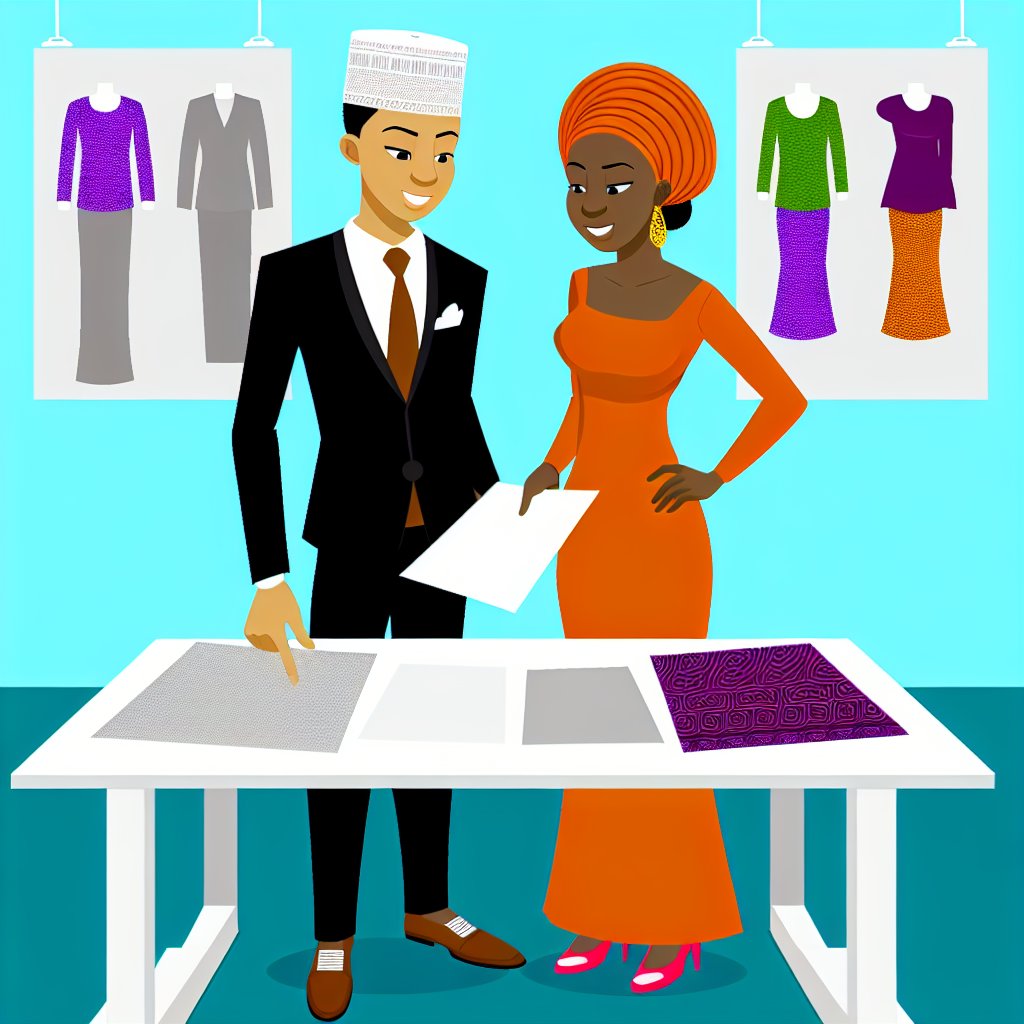
Working with a stylist or tailor familiar with Aso-Oke ensures a perfect wedding look.
They understand traditional patterns and modern adaptations thoroughly.
Additionally, experienced professionals help balance style and cultural significance.
They advise on fabric choices that suit your skin tone and wedding theme.
Furthermore, their expertise guarantees proper fitting and comfort for your big day.
Finding the Right Expert
Search for stylists and tailors with proven experience in Aso-Oke designs.
Read reviews and ask for referrals within your community or social networks.
Also, visit local boutiques specializing in Yoruba traditional attire.
Meet several experts to compare styles and design portfolios before deciding.
Collaborating on Custom Designs
Communicate your wedding vision clearly with your stylist or tailor.
Discuss color schemes, embroidery, and accessory options extensively.
Tailors like Kemi Olufunmilayo excel in blending tradition with personalized style.
Stylists such as Bimpe Adetunji offer creative ideas to elevate your look.
Collaborative design ensures your Aso-Oke truly reflects your personality.
Preparing for Fittings and Adjustments
Schedule multiple fittings to perfect the garment’s shape and details.
Professional tailors adjust cuts to enhance your silhouette elegantly.
They also recommend matching gele and accessories to complete your ensemble.
Early preparation avoids last-minute stress and ensures a flawless appearance.
- Bring photos or inspiration boards to each meeting.
- Be open to expert advice to optimize your design.
- Confirm timelines to align with your wedding schedule.
Incorporating Personal Style While Respecting Traditional Elements
Balancing Individual Expression and Cultural Heritage
Choosing the perfect Aso-Oke begins by understanding its cultural significance.
However, you can infuse your personal style without losing tradition.
First, consider the traditional colors and patterns that reflect your heritage.
Then, explore unique textures or modern twists that highlight your personality.
Moreover, collaborate with skilled artisans like Kemi Textiles to create customized designs.
This collaboration ensures your outfit remains authentic yet distinctly yours.
Selecting Colors That Reflect Your Style and Tradition
Colors carry deep meanings within Yoruba culture.
Bright colors like red and gold symbolize celebration and prosperity.
Meanwhile, softer hues can represent peace and elegance.
Therefore, choose shades that resonate with both your personal taste and cultural context.
Also, consider coordinating with your partner to create a harmonious wedding theme.
Choosing Patterns and Embellishments Thoughtfully
Traditional Aso-Oke features intricate handwoven patterns passed down for generations.
To personalize, select motifs that tell your story or signify family values.
In addition, you may add delicate embroidery or beadwork to enhance the design.
Nonetheless, avoid overdecorating to maintain the fabric’s classic appeal.
Practical Tips for Wearing Aso-Oke with Modern Flair
Complement your attire with accessories that blend old and new styles.
For example, modern jewelry paired with traditional headgear can create balance.
Also, consider tailoring the outfit for comfort while preserving its original structure.
Finally, trust vendors like Eleganza Fashion House who specialize in fusing tradition with innovation.
Timing Your Purchase and Fittings to Ensure Readiness for the Wedding Day
Start Early to Avoid Last-Minute Rush
Begin selecting your aso-oke several months before the wedding date.
This allows ample time for fabric sourcing and design decisions.
Early planning helps you avoid stress and rushed choices.
Many bridal shops recommend starting at least three to four months ahead.
Consequently, you gain peace of mind and time to make adjustments.
Schedule Multiple Fittings for a Perfect Fit
Plan for at least two to three fittings before the wedding day.
Initial fittings help tailor the aso-oke to your measurements accurately.
Subsequent fittings allow for fine-tuning and alterations.
This process ensures your outfit is comfortable and flattering.
Repeat trials help identify any design or fitting issues early.
Coordinate with Your Tailor and Vendors
Communicate clearly with your tailor about your wedding timeline.
Establish deadlines for fabric selection, stitching, and trials.
Professional tailors like Amaka Designs excel in timely delivery.
Also, confirm pick-up dates and plan for last-minute adjustments.
Keep your wedding planner informed to synchronize schedules smoothly.
Consider Seasonal and Shipping Factors
Factor in possible delays due to seasonal demand like festive periods.
Importing aso-oke fabric may require additional waiting time.
Order fabrics from reliable suppliers such as Lade Textiles early.
If your aso-oke involves intricate embroidery, allow extra time for craftsmanship.
This way, you ensure all components arrive and are ready on time.
Prepare for Unexpected Delays
Build in a buffer period in case of unforeseen delays.
This could result from fabric shortages or tailoring challenges.
Discuss contingency plans with your tailor to handle such cases.
Maintain flexibility by scheduling fittings early and often.
Preparation reduces stress and prevents last-minute disappointments.
Additional Resources
Elegant Aqua Blue Nigerian Aso Oke Traditional Attire for Women …


