




Historical Background of Extended Families in Nigerian Culture
Significance of Extended Families in Traditional Society
Extended families form the backbone of Nigerian traditional society.
They provide social support and ensure collective responsibility among members.
Moreover, extended families preserve cultural values and customs over generations.
They also play a crucial role in nurturing children and raising them in communal settings.
Consequently, individuals rely on broader family ties beyond the nuclear household.
Structure and Composition of Extended Families
The typical extended family includes parents, children, grandparents, uncles, aunts, and cousins.
Additionally, it may encompass in-laws and other close relatives linked by blood or marriage.
This wide network strengthens social cohesion and creates a safety net for members.
Notably, elders hold significant authority and act as custodians of family wisdom.
Influence of Ethnic Groups on Family Patterns
Nigerian ethnic groups such as the Yoruba, Igbo, and Hausa have distinct extended family traditions.
For example, the Yoruba emphasize lineage rights and communal decision-making.
Meanwhile, the Igbo place high value on the kindred group or “umunna.”
In contrast, Hausa families often integrate religious leaders and elders into family governance.
Therefore, ethnic customs shape the specific roles within extended families.
Role of Extended Families in Marital Alliances
Historically, marriages connected extended families for social and economic purposes.
Families negotiate bride price and formalize unions to strengthen ties between kin groups.
Besides, extended families provide emotional and financial support to newlyweds.
They assist in conflict resolution and foster cooperation between spouses.
Ultimately, this communal involvement maintains family honor and unity.
The Structure and Composition of Extended Families in Nigeria
Definition and Importance of Extended Families
Extended families include relatives beyond the nuclear family.
They often consist of grandparents, aunts, uncles, and cousins.
Extended families play a vital role in Nigerian society.
They provide social, economic, and emotional support to members.
Due to cultural values, many Nigerians prefer living in extended family units.
Common Members in Nigerian Extended Families
Typically, the father’s and mother’s siblings form the core of the extended family.
Grandparents usually hold respected positions within the family hierarchy.
Children, nieces, and nephews share strong bonds fostered by family traditions.
Additionally, family friends and community elders may be considered part of the family.
Family Roles and Responsibilities
Each member has specific roles to maintain harmony and support.
For instance, grandparents often mentor younger generations about traditions.
Uncles and aunts assist in decision-making processes for the family’s welfare.
Parents allocate resources and ensure children’s education and well-being.
Moreover, cousins often serve as close companions and confidants.
Household Arrangements and Living Patterns
Many extended families live together in compound-style homes.
This setup encourages constant interaction and mutual assistance.
Some families maintain strong ties even when physically apart through regular visits.
Consequently, the close-knit structure promotes collective problem-solving.
Ethnic and Regional Variations
Extended family structures vary across Nigeria’s diverse ethnic groups.
For example, the Yoruba emphasize lineage and worship of ancestors within families.
The Igbo uphold a system where the eldest male governs family decisions.
Hausa families often include polygamous households, expanding the family network.
Despite differences, respect for elders and family unity remain common values.
Effects of Urbanization on Extended Families
Urbanization has changed traditional family arrangements in Nigeria.
More young adults now live independently in cities away from their families.
However, many still maintain strong emotional and financial ties with extended relatives.
Technology allows families to communicate frequently despite geographical distance.
As a result, extended families continue adapting while preserving cultural bonds.
Influence of Extended Families on Marriage Decisions and Partner Selection
Role of Extended Families in Marriage Decisions
In Nigerian culture, extended families play a crucial role in marriage decisions.
They often act as advisors and gatekeepers during the courtship process.
Family elders, including uncles and aunties, contribute their opinions heavily.
Moreover, extended families provide emotional and financial support during matrimonial arrangements.
This involvement strengthens family bonds and ensures collective approval.
Therefore, individuals rarely make marriage decisions in isolation.
Factors Considered by Extended Families
Extended families emphasize compatibility based on culture, religion, and social standing.
They evaluate the partner’s background, family reputation, and character traits.
In addition, financial stability and educational attainment influence family approval.
These factors help families maintain social cohesion and protect their heritage.
Families also consider the potential partner’s ability to integrate into their communal lifestyle.
As a result, partner selection involves a holistic and collective assessment.
Partner Selection Process Involving Extended Families
The process often begins with family introductions or formal meetings called “knocking on doors.”
During these meetings, families discuss intentions, expectations, and future plans.
Extended relatives participate actively in negotiations, including bride price and wedding planning.
Furthermore, they mediate to resolve conflicts or concerns that arise between families.
This collaborative approach reflects respect for tradition and community values.
Consequently, the couple’s union gains legitimacy and broader familial support.
- Extended families offer a wide support network for the couple.
- They preserve cultural practices and ensure rituals are properly observed.
- Family oversight reduces risks of impulsive or unsuitable marriages.
- This involvement fosters lasting relationships between the two families.
- Shared responsibilities within extended families ease marital and child-rearing challenges.
Hence, extended families contribute to the stability and success of Nigerian marriages.
Learn More: Affinity Entertainment Band Lagos | Live Band, DJ, Catering & Event Services
Role of Extended Families in Marriage Ceremonies and Traditional Rites
Participation of Extended Families in Ceremonial Preparations
Extended families actively engage in preparing for marriage ceremonies.
They provide financial and material support to the couple.
Relatives organize and coordinate various traditional rites.
Furthermore, they help ensure cultural practices are respected and followed.
This involvement strengthens family bonds and social ties.
Cultural Significance of Extended Families During Rites
Extended families symbolize unity and continuity during marriage rites.
They represent ancestral lineage and communal heritage seamlessly.
Moreover, elders from the families bless the union publicly.
Their presence reinforces mutual respect between the two families.
Consequently, the marriage gains wider social recognition and acceptance.
Key Roles Played by Family Members
Uncles and aunties often act as mediators and advisors.
Younger relatives engage in performing traditional songs and dances.
Female relatives typically prepare customary food and attire.
Male elders lead prayer and libation ceremonies solemnly.
These roles ensure the ceremony adheres to time-honored customs effectively.
Extended Family Influence on Marriage Negotiations
Family elders negotiate dowry and bride price on behalf of the couple.
They emphasize respect, honor, and fairness in discussions.
Close relatives advocate for mutual understanding and harmony between families.
Such negotiations deepen trust and cooperation among all parties involved.
Therefore, extended families safeguard the marriage’s legitimacy and social acceptance.
Collective Celebration and Community Involvement
Extended families invite community members to share in the celebrations.
Together, they perform rituals that bind communities and families.
Community participation increases the ceremony’s joy and significance.
Extended families also represent their lineage respectfully to all guests.
This collective approach fosters lasting social support for the marriage.
Discover More: Rina’s Touch in Ondo City Offering Certified Artistic Makeup and Styling Services
Impact of Extended Families on Conflict Resolution in Marriages
Role of Elders in Mediating Disputes
Extended families often involve respected elders who mediate marital conflicts.
These elders bring wisdom and cultural knowledge to resolve disagreements.
They listen carefully to both parties before offering impartial advice.
Furthermore, they act as neutral figures who de-escalate tensions quickly.
Consequently, their involvement prevents minor issues from becoming major disputes.
Support Systems Within Extended Families
Family members provide emotional support to couples during challenging times.
They encourage communication and patience between spouses.
Moreover, they offer practical advice based on shared experiences.
The presence of supportive relatives reassures couples they are not alone.
This support often strengthens marital bonds over time.
Cultural Traditions Guiding Conflict Resolution
Nigerian extended families follow cultural norms that promote harmony in marriages.
For example, traditional ceremonies often reinforce commitment and understanding.
These customs emphasize respect for elders and collective decision-making.
As a result, they foster a collaborative approach to solving marital problems.
Such traditions preserve family unity across generations.
Challenges Arising from Family Involvement
Sometimes, differing opinions within the extended family complicate conflicts.
In certain cases, biased interventions may worsen misunderstandings.
Additionally, privacy concerns arise when sensitive issues become public.
Therefore, couples must balance family input with personal boundaries.
Effective communication remains essential to navigate these challenges.
Strategies to Enhance Positive Family Involvement
Couples can establish clear boundaries to manage family participation.
They may designate trusted relatives to help mediate when necessary.
Open dialogue between spouses about family involvement improves trust.
Moreover, couples should appreciate the intentions behind family support.
These strategies maximize the benefits of extended family in conflict resolution.
Gain More Insights: Bright and Beautiful Makeover in Ikeja Lagos | Bridal Makeup and Gele Training
Economic Support and Financial Responsibilities within Extended Families
Financial Contributions to Marriage Ceremonies
Extended families play a crucial role in supporting marriage ceremonies in Nigeria.
Relatives often contribute money to cover costs for traditional wedding events.
For example, the Onyeka family pooled resources to fund Emeka and Ifeoma’s ceremony.
Similarly, the Musa clan organized collective payments to handle the bride price.
These contributions relieve the couple from financial burdens during their wedding.
Shared Financial Obligations After Marriage
After marriage, extended families share financial responsibilities toward the couple’s wellbeing.
Parents, uncles, and aunts often provide monetary support during hardships.
For instance, when Nneoma’s business struggled, her uncle Chuka helped sustain her family.
Additionally, extended family assists with school fees and health expenses for children.
This shared approach fosters economic stability within the wider family network.
Business Collaborations and Wealth Generation
Extended families collaborate on business ventures to boost collective economic power.
The Okonkwo family jointly invested in a chain of food markets across Anambra State.
Similarly, the Abdullahi family co-founded a transport company servicing Northern Nigeria.
These entrepreneurial efforts generate income benefiting all involved family members.
Such financial interdependence strengthens marital foundations and community ties.
Coordinated Management of Economic Challenges
Families often pool finances to manage unforeseen economic challenges and emergencies.
When Chidinma’s husband lost his job, her siblings organized fundraisers to assist them.
Likewise, the Mohammed extended family supported famine relief efforts affecting relatives.
Through group savings and loans, families soften the impact of financial crises.
This mutual support system exemplifies the strength of extended family networks in Nigeria.
Discover More: Blessedgold Catering Outfit Osogbo | Event Planning and Catering Services
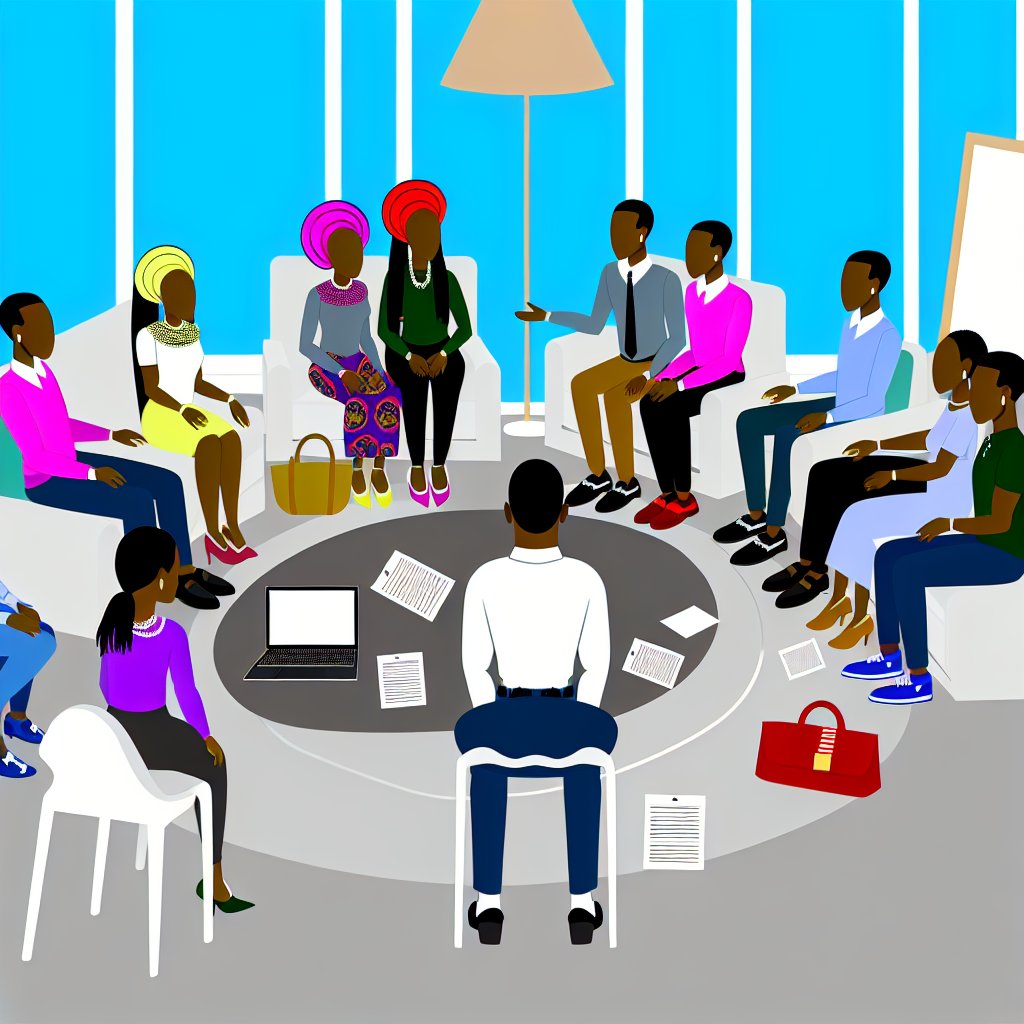
Challenges posed by extended families in modern Nigerian marriages
Influence on Decision-Making
Extended families often play a significant role in marital decisions.
They sometimes impose expectations on couples regarding career and finances.
This influence can compromise personal choices and lead to tension.
For example, a couple might face pressure to prioritize family obligations over individual goals.
Moreover, disagreements arise when family members disagree with a spouse’s decisions.
Consequently, this can create conflicts between partners and their relatives.
Financial Strain and Obligations
Extended families frequently expect financial support from married couples.
These demands can strain the couple’s resources and budget planning.
The pressure to contribute to family events or emergencies is often overwhelming.
In some cases, couples sacrifice savings or investments to meet these obligations.
Further, disputes may occur if contributions are deemed insufficient by relatives.
Thus, financial stress may affect marital harmony and stability.
Privacy and Personal Space Issues
Extended families may intrude on the couple’s private life and decisions.
This intrusion can reduce the couple’s ability to maintain autonomy.
For instance, relatives might interfere in child-rearing or household management.
Such involvement often leads to resentment and misunderstandings within the marriage.
Additionally, constant supervision by family can limit intimacy and communication.
Therefore, protecting personal space becomes a major challenge for couples.
Balancing Traditions with Modern Values
Extended families often uphold traditional practices that conflict with modern beliefs.
Married couples struggle to reconcile these differing value systems.
For example, expectations about gender roles may clash with individual career aspirations.
Similarly, cultural rituals can sometimes feel outdated or restrictive to younger couples.
This clash leads to disagreements both within the marriage and with relatives.
Thus, negotiation and compromise become essential for peaceful coexistence.
Managing Expectations from Multiple Relatives
Married couples face pressure from many family members simultaneously.
Each relative may have different views on the couple’s responsibilities.
Such competing interests complicate the couple’s efforts to satisfy everyone.
For instance, Uncles and Aunts may insist on involvement in wedding plans or ceremonies.
Sisters and brothers may expect priority in childcare or family events.
Consequently, couples often feel overwhelmed trying to balance these demands.
Setting clear boundaries becomes crucial to managing these expectations effectively.
Impact on Emotional Well-being
Ongoing conflicts with extended family cause emotional stress for couples.
They may experience anxiety, frustration, or feelings of isolation.
Continuous family interference reduces marital satisfaction and peace of mind.
In some cases, this leads to arguments or even separation.
Therefore, investing in communication and counseling helps couples navigate these challenges.
Ultimately, healthy boundaries foster trust and mutual respect within the marriage.
The Evolving Role of Extended Families with Urbanization and Modernization
Changes in Family Dynamics and Living Arrangements
Extended families have traditionally been central to Nigerian marriages.
Rapid urbanization influences family living arrangements.
More couples now prefer nuclear family setups in cities like Lagos and Abuja.
Consequently, extended family members often live separately from young couples.
This shift changes how family support systems function day to day.
Impact on Support Systems and Social Obligations
Although physical proximity decreases, extended families still provide emotional support.
Moreover, they remain involved in major decisions affecting marriages.
Urban couples find balancing traditional social obligations with modern careers challenging.
Therefore, the role of elders like Mrs. Adebayo or Mr. Okeke adapts to new contexts.
They often offer guidance through digital communication channels instead of in-person meetings.
Economic Considerations in Modern Nigerian Marriages
Urbanization creates new financial pressures for young couples.
Extended families sometimes contribute funds for weddings or housing.
Nevertheless, demands on extended family resources intensify due to urban costs.
Professional couples such as Chinedu and Amaka may rely less on family for financial aid.
This independence reflects Nigeria’s evolving economic landscape and modernization.
Balancing Tradition with Contemporary Lifestyles
Many couples honor customs while embracing modern values.
For example, traditional ceremonies may precede more intimate urban celebrations.
Extended families participate in cultural rites like the Igbo Igbankwu or Yoruba engagement.
At the same time, couples like Tunde and Folake negotiate household roles based on mutual agreement.
This blending fosters respect for heritage alongside personal autonomy.
Extended Families as Cultural Anchors
Despite urban challenges, extended families preserve cultural identity.
They teach younger generations about customs, language, and moral values.
Group elders such as Pastor Adeyemi or Auntie Nneka act as cultural mentors.
These roles remain crucial in maintaining cohesion beyond the nuclear family.
Thus, modernization reshapes but does not erase the influence of extended families.
Comparative Perspectives on Marriage Dynamics
Influence of Extended Families in Marriages
Extended families play a central role in shaping marital decisions in many Nigerian communities.
They provide emotional support to couples during both celebrations and challenges.
Moreover, elders in extended families often guide young couples in resolving conflicts.
This involvement frequently strengthens family bonds and promotes social cohesion.
Extended families also contribute to financial assistance during weddings and other ceremonies.
In addition, their presence helps preserve cultural values and traditions within marriages.
Couples can benefit from shared wisdom and collective experience within their extended family network.
Characteristics of Nuclear Families in Marital Settings
Nuclear families emphasize independence and self-reliance for married couples.
They tend to limit external influence on decisions affecting the couple’s relationship.
This often promotes privacy and autonomy in managing marital affairs.
Furthermore, nuclear families typically allow couples to establish their own household norms.
Financial responsibilities and support usually come primarily from partners themselves.
Couples with nuclear family backgrounds might rely more on peer groups or professionals for advice.
Such settings can encourage quicker adaptation to modern lifestyles and foreign cultural influences.
Contrasting Social Support Structures
Extended families provide a broad social safety net with multiple layers of support.
Conversely, nuclear families often depend on a smaller circle, mainly the couple and their children.
This difference affects how couples manage crises, celebrations, and daily pressures.
Importantly, the extended family network can mitigate loneliness and provide childcare assistance.
However, nuclear family couples might experience more intense pressure to solve problems independently.
Besides, extended family involvement sometimes leads to challenges due to conflicting expectations.
Alternatively, nuclear families may benefit from less interference but face isolation risks.
Impact on Conflict Resolution and Decision-Making
Extended families often intervene directly to resolve disputes between spouses.
Such mediation draws on senior family members’ authority and experience.
They can facilitate dialogue and promote reconciliation during misunderstandings.
In contrast, nuclear families rely mostly on internal communication between partners.
Couples in nuclear settings might seek external counseling more readily than extended family members.
While extended family involvement can ease tension, it sometimes complicates personal autonomy.
On the other hand, nuclear families’ independence fosters personal accountability but less external guidance.
Balancing Tradition and Modernity in Marital Dynamics
Extended families sustain traditional marriage customs and rituals in Nigerian society.
They encourage respect for cultural heritage through ceremonies and practices.
This continuity strengthens identity and belonging within the community.
Conversely, nuclear families are more adaptable to changing social norms and global influences.
They may prioritize personal preferences over collective traditions in marital choices.
Both family structures face challenges integrating tradition with contemporary lifestyles.
Ultimately, couples navigate these perspectives to build harmonious and fulfilling marriages.
The Significance of Extended Families in Child-Rearing and Upbringing within Marriages
Support System for Parenting
Extended families provide vital support to young parents in raising children.
They contribute wisdom based on years of experience with child-rearing.
Moreover, relatives often assist with daily childcare tasks and responsibilities.
This support reduces stress for couples and strengthens the family bond.
Transmission of Cultural Values and Traditions
Grandparents and aunts play key roles in passing cultural heritage to children.
They teach language, customs, and moral values that shape a child's identity.
Consequently, children grow up with a strong sense of belonging and community.
Furthermore, involving elders reinforces respect for family history and traditions.
Shared Responsibilities in Child Discipline
Extended families collectively manage discipline, ensuring consistency for children.
Relatives offer balanced guidance that complements parents' approaches.
This shared responsibility fosters well-rounded social and emotional development.
In addition, it instills a sense of accountability within the broader family unit.
Emotional and Financial Assistance
Extended relatives offer emotional comfort during parenting challenges and crises.
They also contribute financially to support children's education and healthcare needs.
Such cooperation helps alleviate pressures on nuclear families.
Therefore, children benefit from more stable and nurturing environments.
Creating Strong Social Networks for Children
Children grow up surrounded by many loving relatives and role models.
This network nurtures social skills through regular interaction and communal activities.
Furthermore, extended family members broaden children's perspectives and opportunities.
Ultimately, this environment builds resilience and confidence in young ones.
Additional Resources
Nigerian weddings – tell me about them : r/WeddingPhotography


