




Cultural Significance of Weddings in Nigerian Society
Symbol of Community and Identity
Weddings in Nigeria serve as a profound symbol of community and cultural identity.
They unite families, clans, and even entire villages in celebration.
These ceremonies reinforce social ties and strengthen relationships.
They also showcase rich traditions passed down through generations.
In this way, weddings preserve the heritage of diverse Nigerian ethnic groups.
Expression of Social Status and Values
Wedding rites often reflect the social status of the families involved.
Families display wealth, respect, and prestige through elaborate ceremonies.
Moreover, weddings emphasize core values such as respect, unity, and commitment.
The rituals performed demonstrate the couple’s readiness for family responsibilities.
Thus, weddings serve as a public affirmation of societal roles and obligations.
Celebration of Love and New Beginnings
In addition to tradition, weddings celebrate love and new beginnings.
They mark the official union of two individuals and their families.
Joy and hope fill the atmosphere during these colorful festivities.
Families and friends gather to offer support and blessings to the couple.
Consequently, weddings embody both cultural richness and personal happiness.
Role of Ceremonial Practices
Ceremonial practices vary greatly across Nigeria’s ethnic groups.
For example, the Yoruba, Igbo, and Hausa each have unique wedding customs.
These include traditional attire, music, dance, and symbolic rituals.
Each practice carries deep meaning about heritage and family bonds.
Therefore, weddings act as a living archive of Nigeria’s cultural diversity.
Roles of Immediate Family Members in Traditional Wedding Ceremonies
Involvement of the Bride’s Family
The bride’s parents play a vital role throughout the wedding rites.
They formally introduce the bride to the groom’s family with warmth.
Moreover, they oversee the bride’s preparations and adornments.
The mother often guides the bride on cultural customs to observe.
Also, the father typically gives approval and blesses the union publicly.
Immediate siblings assist in organizing traditional dances and ceremonies.
Furthermore, they help in receiving guests and ensuring the bride’s comfort.
Participation of the Groom’s Family
The groom’s parents often lead the negotiation of bride price and dowry.
They represent their family’s goodwill in all traditional engagements.
Additionally, the father formally accepts the bride into his family.
The mother supports the bride during the transition with advice and gifts.
Brothers of the groom usually escort him during processions and celebrations.
They also help coordinate the cultural dances and festivities on the groom’s side.
Responsibilities of Siblings and Extended Family
Siblings serve as cultural custodians who uphold family traditions during the event.
They actively participate in ritual practices that unite both families.
Uncles and aunts often act as mediators and facilitators between families.
They provide counsel and assist in smoothing any disagreements efficiently.
Close cousins handle logistical arrangements and sometimes perform traditional music.
Overall, the extended family ensures that customs are respected and followed.
Significance of Unified Family Roles in Wedding Ceremonies
The combined roles of immediate family create a harmonious atmosphere.
Each family member’s contribution strengthens cultural identity and acceptance.
Furthermore, these roles symbolize unity and mutual respect between both families.
Family participation reassures community support for the couple’s new journey.
Thus, traditional wedding rites thrive on active and sincere family involvement.
The Influence of Extended Family Participation on Marriage Legitimacy
Role of Extended Family in Validating Marriages
Extended family members play a crucial role in validating Nigerian wedding rites.
They act as witnesses to the union.
This strengthens its social acceptance.
Moreover, their presence affirms the couple’s commitment to cultural traditions.
Families such as the Okafos and Afolayans actively participate in these ceremonies.
Therefore, extended family involvement enhances the perceived legitimacy of the marriage.
Social and Cultural Importance
Family participation reinforces communal bonds in Nigerian society.
It symbolizes mutual respect between two families united by marriage.
Additionally, extended family members provide emotional support.
They also offer financial assistance during and after the wedding.
Such support often continues well beyond the wedding day itself.
Without this involvement, the marriage risks social disapproval.
It may also face misunderstanding from the community.
Contribution to Legal Recognition
In many Nigerian communities, family endorsements assist in legal marriage recognition.
Traditional leaders often require extended family approval before confirming the union.
This step ensures the marriage complies with cultural standards.
It also meets legal requirements for marriage documentation.
For instance, elders like Chief Okon of the Calabar community oversee these validations.
Consequently, family participation bridges customary practices with official documentation.
Impact on Long-Term Marital Stability
When extended families actively participate, couples enjoy stronger relational support.
They provide guidance during marital challenges.
Family members often intervene to help resolve conflicts.
For example, elders from the Adebanjos and Baloguns mediate disputes effectively.
Such involvement encourages couples to prioritize unity and respect.
Hence, family participation contributes significantly to lasting marriages.
Typical Roles of Family Members
- Elders offer blessings and traditional advice to the couple.
- Younger family members assist in organizing celebrations and logistics.
- Relatives present gifts to symbolize goodwill and prosperity.
- Extended family negotiates dowry and bride price arrangements.
- Neighbors and friends from the wider family circle witness the rites.
Gain More Insights: Kbee Alaga Events in Sango Ota Providing Traditional Wedding Services and Pre-Marital Counseling
Family Involvement as a Means of Preserving Cultural Heritage and Customs
Role of Families in Maintaining Traditions
Families actively participate in Nigerian wedding rites to preserve ancestral customs.
They ensure cultural practices are passed down through generations.
Moreover, elders teach younger members about traditional values during preparations.
Consequently, family involvement strengthens community identity and cultural pride.
Without family engagement, many customs risk fading into obscurity over time.
Transmission of Cultural Knowledge through Participation
Wedding ceremonies serve as educational platforms for cultural transmission.
Parents and relatives demonstrate rituals, songs, and dances to the youth.
Thus, young people learn the significance behind each wedding element.
Additionally, storytelling during events reinforces historical and familial ties.
This interactive learning preserves the essence of Nigerian heritage effectively.
Symbolic Meaning of Family Roles in Wedding Rites
Each family member carries specific responsibilities during the ceremonies.
For instance, the mother of the bride often oversees traditional dress preparations.
Meanwhile, the father of the groom may lead payment negotiations for bride price.
These roles symbolize respect, unity, and continuity of family lineage.
Altogether, such participation reflects deep reverence for ancestral customs.
Impact on Community and Social Cohesion
Family participation in weddings builds stronger social bonds within communities.
Neighbors and extended families gather, reinforcing mutual support networks.
Consequently, communal values and cooperation thrive through shared experiences.
This solidarity helps preserve cultural diversity amidst modern influences.
Therefore, weddings become pivotal events for cultural resilience and collective identity.
Delve into the Subject: Alaga Adukeherbs Traditional Yoruba Compere Services in Lagos with Years of Experience
Impact of Family Participation on Strengthening Inter-Family Relationships
Fostering Unity Through Collective Involvement
Family participation in Nigerian wedding rites creates a platform for unity.
Members from both sides actively engage in planning and cultural activities.
This shared involvement helps break down barriers and build lasting bonds.
For example, the Nwachukwu and Ajayi families collaborated closely during wedding preparations.
Consequently, this cooperation encourages mutual respect and understanding.
Enhancing Communication and Trust Between Families
Active participation fosters open communication channels between families.
Relatives discuss expectations, resolve conflicts, and make collective decisions.
This dialogue increases trust and reduces misunderstandings between the two families.
Moreover, it establishes a positive foundation for future interactions.
During the Chika and Kunle wedding, regular meetings promoted transparency and harmony.
Preserving Cultural Heritage and Shared Values
Families collaborating in wedding rites reinforce cultural traditions and rituals.
These shared experiences deepen appreciation for ancestral customs.
Consequently, both families feel a stronger connection through their cultural heritage.
This cultural bonding supports family pride and collective identity over time.
The Okonkwo and Salami families demonstrated this through elaborate ritual exchanges.
Creating Support Networks for the Couple
Family participation ensures the couple receives widespread emotional support.
Involving extended relatives strengthens interpersonal ties and communal care.
This network helps the couple navigate early married life challenges.
Additionally, it promotes a united front during important life events and decisions.
For instance, the Obi and Adeyemi families maintained close involvement post-wedding.
Advantages of Active Family Engagement
- Builds long-term trust and harmony among families
- Encourages mutual respect through shared responsibilities
- Strengthens cultural identity and preserves traditions
- Facilitates open communication and conflict resolution
- Creates reliable support systems for newlyweds
Learn More: NODTALES Handcrafted Indigenous Drinks in Ajah Lagos with Award-Winning Mixologists
Economic and Logistical Support Provided by Families During Wedding Rites
Financial Contributions from Families
Families play a vital role in funding Nigerian wedding ceremonies.
They often pool resources to cover major expenses like venue and catering.
Moreover, relatives contribute towards buying traditional attire and gifts.
These collective financial efforts reduce the burden on the couple.
Additionally, families sometimes sponsor cultural performances or entertainment.
This financial support highlights their commitment to the union and cultural heritage.
Coordination and Planning Assistance
Families actively help organize and plan the wedding events.
Experienced elders often guide the preparation of traditional rites and customs.
Their involvement ensures the smooth execution of complex ceremonies.
Furthermore, they liaise with vendors and service providers to secure necessary items.
Relatives also coordinate guest invitations and seating arrangements to honor social protocols.
This logistical support fosters unity and respect within the community.
Provision of Resources and Venues
It is common for families to offer their homes or community halls for celebrations.
Family members provide essential resources such as decorations and utensils.
They often contribute food, drinks, and traditional delicacies for guests.
These provisions enhance the cultural authenticity of the wedding rites.
Such generosity strengthens familial bonds during the joyous occasion.
Emotional and Social Support During Preparation
Families offer encouragement and guidance to the bride and groom throughout preparations.
They also foster a sense of belonging and shared responsibility.
This social support alleviates stress and excitement associated with weddings.
Moreover, families uphold cultural values and pass traditions to younger generations.
In this way, their participation preserves Nigeria’s rich matrimonial heritage.
Delve into the Subject: 10 Forgotten Nigerian Wedding Customs and Their Meanings
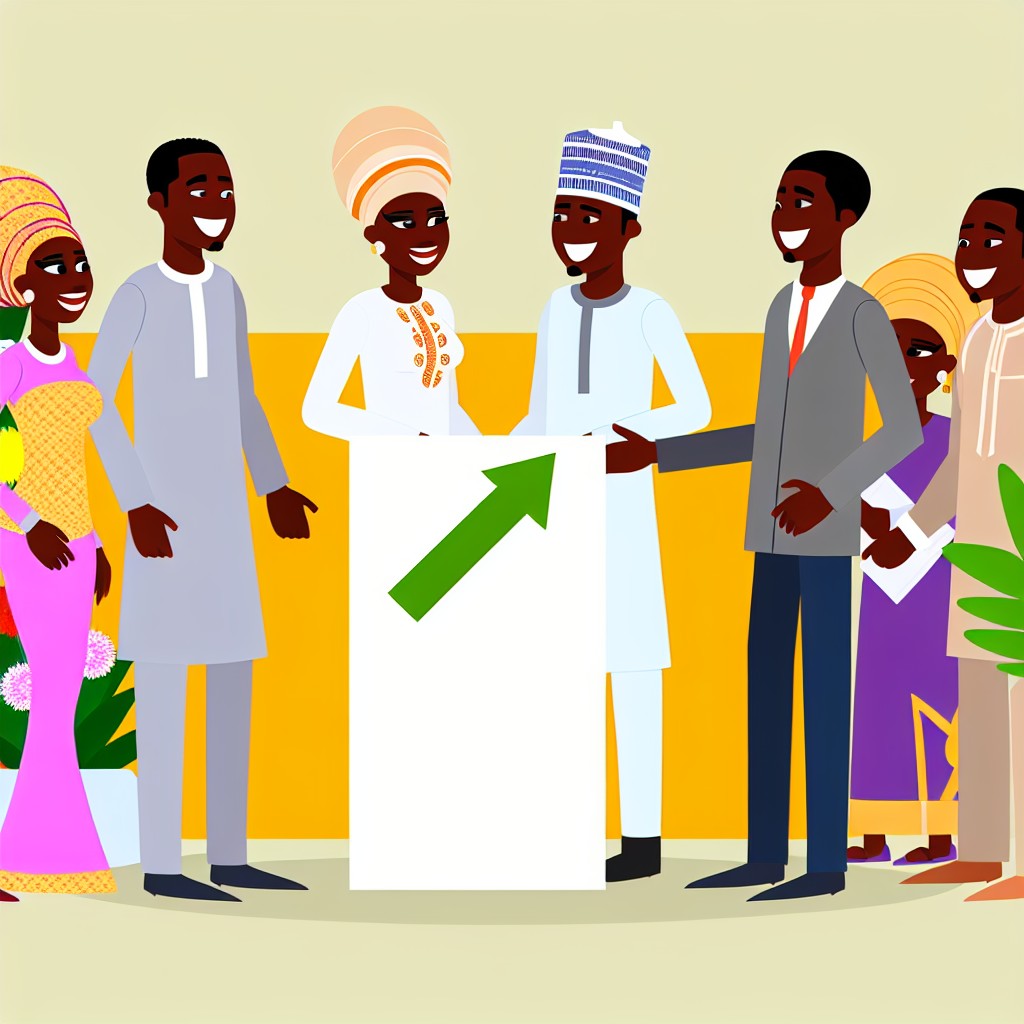
The Role of Family Elders in Guiding and Blessing the Matrimonial Union
Significance of Family Elders in Nigerian Wedding Rites
Family elders hold a respected position in Nigerian wedding ceremonies.
They ensure cultural traditions pass from one generation to another.
Moreover, elders symbolize wisdom and authority within the family.
Consequently, their involvement adds dignity and solemnity to the union.
Guidance Provided by Family Elders
Elders offer valuable advice to couples about marital responsibilities.
They emphasize respect, patience, and harmony in married life.
Furthermore, elders share personal experiences to teach important lessons.
This guidance strengthens the foundation for a lasting relationship.
Blessings and Prayers from Elders
Family elders formally bless the couple during the wedding rites.
These blessings invoke protection, fertility, and prosperity for the union.
They perform traditional prayers, often using symbolic items and rituals.
As a result, the couple receives communal support for their new journey.
Involvement of Elders in Specific Ceremonial Roles
Elders officiate the exchange of vows and traditional gifts between families.
They mediate discussions surrounding bride price and marital agreements.
Also, elders facilitate reconciliation when misunderstandings arise during the ceremony.
Through these actions, they maintain peace and uphold family honor.
Promoting Unity Between Families
Family elders act as bridges linking both the bride’s and groom’s families.
They foster mutual respect and understanding among relatives present.
Their presence reassures guests that the union is well-supported.
Therefore, elders help to build harmonious ties beyond the couple themselves.
How Family Participation Fosters Community Acceptance and Social Cohesion
Strengthening Communal Bonds Through Involvement
Family involvement in Nigerian wedding rites strengthens ties within the community.
Relatives actively participate in various ceremonies, showcasing unity and support.
Consequently, this involvement fosters a sense of belonging among community members.
Moreover, families exchange blessings and goodwill, nurturing lasting relationships.
Through shared experiences, communities develop deeper mutual respect and understanding.
Promoting Social Cohesion and Collective Identity
Family participation highlights shared cultural values during wedding celebrations.
This collective expression reinforces a strong community identity and pride.
In addition, families publicly affirm alliances, promoting social harmony and cooperation.
Communities consequently view the marriage as an integration of two supportive networks.
Therefore, this acceptance reduces conflict and encourages peaceful coexistence.
Creating Support Systems for the Couples
Families provide emotional and practical support to the newlyweds through participation.
They organize and contribute to rituals that symbolize cooperation and mutual aid.
Furthermore, community members rally together to celebrate and assist the couple.
This involvement ensures the couple feels valued and backed by their wider network.
As a result, social bonds are reinforced beyond immediate family ties.
Cultural Transmission and Community Continuity
Elders actively engage families in teaching younger generations wedding traditions.
This participation ensures cultural practices are preserved and passed on effectively.
Youth witness firsthand the importance of communal roles in significant life events.
Thus, family involvement connects the past, present, and future of the community.
Collectively, these ceremonies maintain the cultural fabric and social cohesion over time.
Differences in Family Roles Across Various Nigerian Ethnic Groups in Weddings
Family Roles in Yoruba Weddings
The Yoruba ethnic group places great emphasis on family involvement during weddings.
Firstly, the bride’s family plays a crucial role in the traditional introduction ceremony known as “Ìbẹ̀wò.”
Moreover, the groom’s family actively negotiates the bride price and dowry details with the bride’s kin.
In addition, maternal and paternal relatives often participate in ritual blessings and dance performances.
Furthermore, the elders guide the couple on marriage values and community responsibilities.
Family Participation in Igbo Wedding Traditions
The Igbo people accord significant responsibilities to families during the “Iku Aka” or knocking ceremony.
Primarily, the groom’s family visits the bride’s family to formally declare marriage intentions.
Besides, the bride’s family lists essential items and tasks for the bride price negotiations.
Also, the extended family members bring gifts, contribute financially, and share advice with the young couple.
Also, the paternal uncle often leads the bride price presentation and prayers.
Roles of Families in Hausa-Fulani Weddings
The Hausa-Fulani community highlights family roles deeply influenced by Islamic customs.
Subsequently, the groom’s family sends emissaries to propose marriage formally.
The bride’s family ensures proper Islamic rites and consent from the woman’s guardian.
Both families consult religious leaders to validate the marriage contract and offer prayers.
Additionally, family members coordinate celebratory feasts and communal prayers.
Distinctive Family Roles Reflecting Cultural Values in Nigerian Weddings
Despite differences, Nigerian ethnic groups all emphasize family unity during weddings.
Families provide social, financial, and emotional support to ensure successful ceremonies.
However, the modes of participation vary, reflecting distinct cultural values and religious beliefs.
For instance, Yoruba and Igbo families focus more on negotiations and ceremonial greetings.
In contrast, the Hausa-Fulani prioritize religious validation and guardian consent.
Understanding these roles enhances appreciation of Nigeria’s rich wedding traditions.
Challenges and Benefits of Involving Family in Modern Nigerian Wedding Practices
Challenges of Family Participation
Family involvement in Nigerian weddings sometimes leads to disagreements over traditions.
Moreover, differing expectations between families can cause tensions and delays.
In some cases, the financial burden shared among families creates additional pressure.
Furthermore, balancing modern desires with traditional customs may lead to conflicts.
Communication gaps often arise when families have diverse cultural backgrounds.
Yet, these challenges can be managed with patience and open discussions.
Benefits of Family Involvement
Family participation strengthens bonds and unites both sides of the couple.
Additionally, elders provide valuable wisdom and guidance throughout the wedding rites.
Involving family ensures that cultural heritage is preserved and respected.
It also creates lasting memories that reflect shared values and love.
Moreover, families often contribute resources that help ease financial demands.
Their presence fosters a sense of community and belonging for the couple.
Balancing Tradition and Modernity
Many couples find ways to honor family wishes while embracing contemporary styles.
They collaborate with relatives to blend old customs and new trends effectively.
This balance respects elders and satisfies younger generations’ expectations.
Event planners like Olumide Elegance Weddings help mediate between families smoothly.
Such cooperation enhances the overall wedding experience for all involved.
Strategies for Successful Family Involvement
Clear communication before the event prevents misunderstandings and conflicts.
Setting agreed-upon roles helps each family member feel valued and respected.
Couples like Emeka and Zainab often hold family meetings to ensure alignment.
Prioritizing mutual respect fosters a positive atmosphere throughout preparations.
Finally, embracing flexibility allows traditions to evolve gracefully with changing times.
Additional Resources
A Synodal Approach to Reimagining Nigerian Catholic Marriage …


