




The Role of Wedding Planners in Coordinating Traditional Nigerian Ceremonies
Bridging Modern Planning with Cultural Heritage
Wedding planners like Yetunde Ajayi expertly blend modern coordination with Nigerian traditions.
They ensure every ritual is respected and executed precisely.
Moreover, they act as cultural interpreters for the couple and vendors.
As a result, the ceremony resonates deeply with family and community values.
Managing Complex Rituals and Timelines
Traditional Nigerian weddings include numerous ceremonies with detailed steps.
Planners organize each event carefully to maintain smooth transitions.
They collaborate tightly with elders, families, and ritual specialists.
Furthermore, they create detailed schedules that honor cultural timing requirements.
This approach avoids conflicts while preserving the ceremony’s significance.
Coordinating Vendors to Reflect Authentic Traditions
Wedding planners coordinate vendors specializing in traditional attire, music, and décor.
For example, they hire stylists proficient in Nigerian fabrics and styles.
They also engage drummers and dancers familiar with specific ethnic dances.
This collaboration brings authenticity and vibrancy to the wedding atmosphere.
As a result, vendors contribute meaningfully to cultural storytelling.
Providing Emotional and Logistical Support
Wedding planners offer support during emotionally charged moments in ceremonies.
They ensure the couple and families remain focused on the rituals without stress.
Additionally, they handle unexpected challenges discreetly and efficiently.
Thus, planners create a relaxed environment while honoring tradition.
Key Skills and Qualities of Successful Coordinators
- Strong knowledge of diverse Nigerian ethnic rituals.
- Excellent communication and negotiation abilities.
- Flexibility and problem-solving under pressure.
- Respectfulness toward elders and cultural norms.
- Attention to detail when managing multiple elements.
These qualities enable planners to execute flawless, respectful ceremonies.
How Caterers Incorporate Local Cuisine to Reflect Cultural Heritage
Celebrating Authentic Flavors
Caterers emphasize authentic Nigerian flavors to honor tradition.
They use indigenous ingredients like yam, egusi, and palm oil.
Additionally, chefs such as Chinedu Okafor source fresh local produce daily.
This dedication preserves the richness of traditional Nigerian cuisine.
Guests experience the true taste of home during weddings.
Crafting Menus That Tell Stories
Caterers design menus that reflect cultural stories behind dishes.
For example, Heritage Bites Catering includes symbolic meals like isi ewu and jollof rice.
Each dish represents a distinct ethnic group’s heritage.
Thus, meals become a medium to educate and connect guests.
This approach adds depth and meaning to wedding celebrations.
Balancing Tradition with Modern Presentation
Caterers maintain tradition while presenting food with modern aesthetics.
Nneka’s Delights combines traditional recipes with elegant plating techniques.
This fusion attracts younger generations without losing cultural authenticity.
Furthermore, it encourages appreciation for Nigerian cuisine among diverse guests.
It creates a visually appealing and culturally resonant dining experience.
Collaborating with Local Farmers and Artisans
Catering teams often work closely with local farmers to source produce.
Farmers like Mr. Adewale supply fresh yam and leafy greens directly.
This partnership supports local economies and ensures ingredient quality.
Additionally, it reinforces the community-centered nature of traditional weddings.
Such collaboration strengthens the connection between culture and cuisine.
Menu Highlights and Specialty Dishes
Popular dishes often served include pounded yam, amala, and nkwobi.
These meals carry specific cultural meanings within Nigerian weddings.
Pounded yam symbolizes unity and strength within the marriage.
Dishes like moi moi highlight skillful preparation and culinary heritage.
Caterers like Blessing’s Kitchen customize menus to showcase these specialties.
The Importance of Traditional Attire Vendors in Showcasing Nigerian Fabrics and Styles
Preserving Cultural Heritage Through Fashion
Traditional attire vendors play a vital role in preserving Nigerian culture.
They offer authentic fabrics that reflect regional identities and histories.
These vendors help couples embrace and display their ethnic roots proudly.
Their work keeps age-old weaving and dyeing techniques alive.
Consequently, they foster appreciation for Nigeria’s rich textile heritage.
Variety of Nigerian Fabrics and Styles Supplied
Vendors provide a diverse range of fabrics including Aso Oke, Ankara, and George.
Each fabric offers unique textures and colors vital to traditional weddings.
In addition, vendors supply styles such as Agbada, Iro and Buba, and Kaftans.
These styles cater to different ethnic groups from Yoruba to Igbo and Hausa.
They also customize designs to suit the bride and groom’s preferences.
Collaboration Between Vendors and Couples for Traditional Weddings
Vendors often consult couples to understand their cultural background and tastes.
They suggest fabric choices that align with wedding themes.
Additionally, vendors provide tailored fittings to ensure perfect garment construction.
Vendors also advise on coordinating accessories like headwraps and beads.
This collaboration delivers a cohesive and eye-catching traditional wedding look.
Supporting Local Artisans Through Vendor Partnerships
Many attire vendors partner with local weavers, dyers, and tailors.
These collaborations sustain small-scale artisans and their craftsmanship.
They also promote economic growth within communities by providing steady work.
Through these partnerships, authentic handmade textiles remain in circulation.
Vendors help maintain Nigeria’s cultural economy and artistic legacy.
Reputable Vendors Enriching the Traditional Wedding Experience
Trusted vendors like Adeola Textiles and Emeka Designs have built strong client trust.
They deliver quality materials on time, which is crucial for wedding preparations.
Such reliability reduces stress and ensures traditional attire looks flawless.
Many couples return to these vendors for family events and celebrations.
Ultimately, these vendors showcase exquisite cultural attire at Nigerian traditional weddings.
Gain More Insights: How Traditional Music and Dance Elevate Nigerian Weddings
Makeup Artists and Hairstylists Enhancing Authentic Nigerian Bridal Looks
Celebrating Traditional Beauty with Expert Techniques
Talented makeup artists like Adaora Nwankwo bring Nigerian bridal beauty to life.
They use techniques that highlight the bride’s natural features beautifully.
Moreover, their skills honor cultural significance in every brushstroke.
Hairstylists such as Chinedu Okeke craft intricate hairstyles inspired by Nigerian heritage.
They blend traditional styles with modern trends to create timeless looks.
Consequently, brides feel confident and culturally connected on their special day.
Collaborative Planning for Personalized Bridal Looks
Makeup artists and hairstylists work closely with brides during initial consultations.
They discuss preferences, skin tone, and traditional attire to tailor their work.
In addition, they consider the wedding’s cultural rituals to ensure look authenticity.
For example, they may incorporate gele tying to complement the makeup and hairstyle.
This collaboration results in a cohesive and radiant appearance for the bride.
Signature Styles That Reflect Nigerian Traditions
Artists specialize in traditional makeup elements like bold eye liners and vibrant lip colors.
They often incorporate earth tones that symbolize cultural values and harmony.
Hairstylists excel in creating elaborate braids, buns, and gele headwrap designs.
Popular gele styles from Lagos to Aba inspire variations that suit individual tastes.
These signature styles reinforce the bride’s identity and cultural pride during celebrations.
Using Quality Products to Achieve Lasting Results
Professional vendors recommend high-quality cosmetics that withstand long ceremonies.
They select skin-friendly, long-lasting products suitable for the tropical Nigerian climate.
Makeup artists like Funke Balogun prefer brands that provide vibrant pigment and durability.
Hairstylists choose products that maintain hairstyles despite heat and humidity.
As a result, the bridal look remains flawless from traditional rites to the reception.
Supporting Nigerian Vendors and Cultural Heritage
Hiring local makeup artists and hairstylists strengthens the Nigerian wedding vendor community.
Companies such as Serenity Style Studio showcase authentic cultural styling expertise.
These vendors bring passion, knowledge, and respect for cherished traditions.
Their work enhances the vibrancy and authenticity of traditional Nigerian weddings.
Therefore, choosing these professionals ensures an unforgettable, culturally rich bridal experience.
Find Out More: Folest Alaga Traditional Wedding Services in Ikorodu Lagos Nigeria
Musicians and DJs: Providing Traditional Sounds and Modern Twists
Role of Traditional Musicians in Nigerian Weddings
Traditional musicians play a vital role in Nigerian wedding ceremonies.
They bring authentic sounds that reflect rich cultural heritage.
For example, the talking drum, shekere, and ogene instruments add vibrant rhythms.
Moreover, musicians like Chinedu Eze specialize in Yoruba and Igbo wedding melodies.
Their music sets the tone for important ritual moments and celebrations.
Incorporating Modern Music for Contemporary Celebrations
Many DJs blend traditional beats with modern music styles.
DJ Tolu Ayoola skillfully mixes Afrobeat and hip-hop with classic wedding tunes.
This fusion appeals to younger guests while respecting cultural roots.
Consequently, the dancefloor stays lively throughout the reception.
Additionally, modern sound systems enhance audio clarity for all attendees.
Customization and Collaboration with Couples
Musicians and DJs consult closely with couples to personalize playlists.
They consider preferences and family traditions when selecting tracks.
Artists like Emeka Okafor tailor performances to specific ethnic groups.
This collaboration ensures a meaningful and memorable musical experience.
Furthermore, live performances often include audience interaction and participation.
Comprehensive Services Offered by Music Vendors
- Live band performances featuring traditional instruments
- DJ services combining cultural and contemporary music
- Sound system setup and event sound engineering
- Custom playlist creation and event timeline coordination
Vendors such as Lagos Harmony Events specialize in full-service musical entertainment.
They guarantee seamless integration of all musical elements during the wedding.
Learn More: TEMINICROWN ALAGA Lagos | Traditional Yoruba Wedding Compere and Coordinator
Photographers and Videographers Capturing Rituals and Symbolic Moments
Importance of Visual Storytelling in Nigerian Weddings
Visual storytelling plays a crucial role in preserving Nigerian wedding traditions.
Photographers and videographers help families relive these special moments for years.
They also showcase unique rituals and cultural symbols to a wider audience.
Focusing on Key Rituals and Symbolism
Skilled professionals pay close attention to rituals such as the bride price ceremony.
They capture symbolic acts like the breaking of kola nut with precision.
The traditional attire and use of beads receive special photographic emphasis.
These experts also document the exchange of gifts between families intimately.
Techniques Adopted by Professionals
Photographers like Ifeanyi Okoro employ both candid and posed photography styles.
This combination ensures natural moments and formal portraits are both recorded.
Videographers use drone footage to capture outdoor celebrations magnificently.
Lighting techniques enhance the visual appeal of colorful traditional outfits.
Equipment and Preparation for Capturing Nigerian Wedding Rituals
Photographers arrive prepared with multiple lenses to handle diverse environments.
Professional videographers, such as those from Oku Visuals, use stabilizers for smooth footage.
They also prepare for unpredictable weather to avoid missing important scenes.
Furthermore, backup equipment guarantees uninterrupted coverage during the event.
Collaboration with Cultural Experts and Wedding Planners
Photographers work closely with planners like Adaora Events to understand ritual sequences.
This collaboration ensures no symbolic moment is overlooked during the shoot.
They consult cultural advisors to respect tradition while capturing sacred practices.
Such teamwork results in authentic and meaningful visual narratives.
Delivering Lasting Memories to Families
After events, professionals like Emeka Studios offer tailored photo albums and video edits.
These deliveries highlight the emotional and cultural significance of the wedding day.
Families treasure these visuals as precious heirlooms for future generations.
The artistry of photographers and videographers brings Nigerian traditions vividly to life.
Gain More Insights: Queen Tee ALAGA Traditional Wedding Customs and Ijawo Setup in Lagos
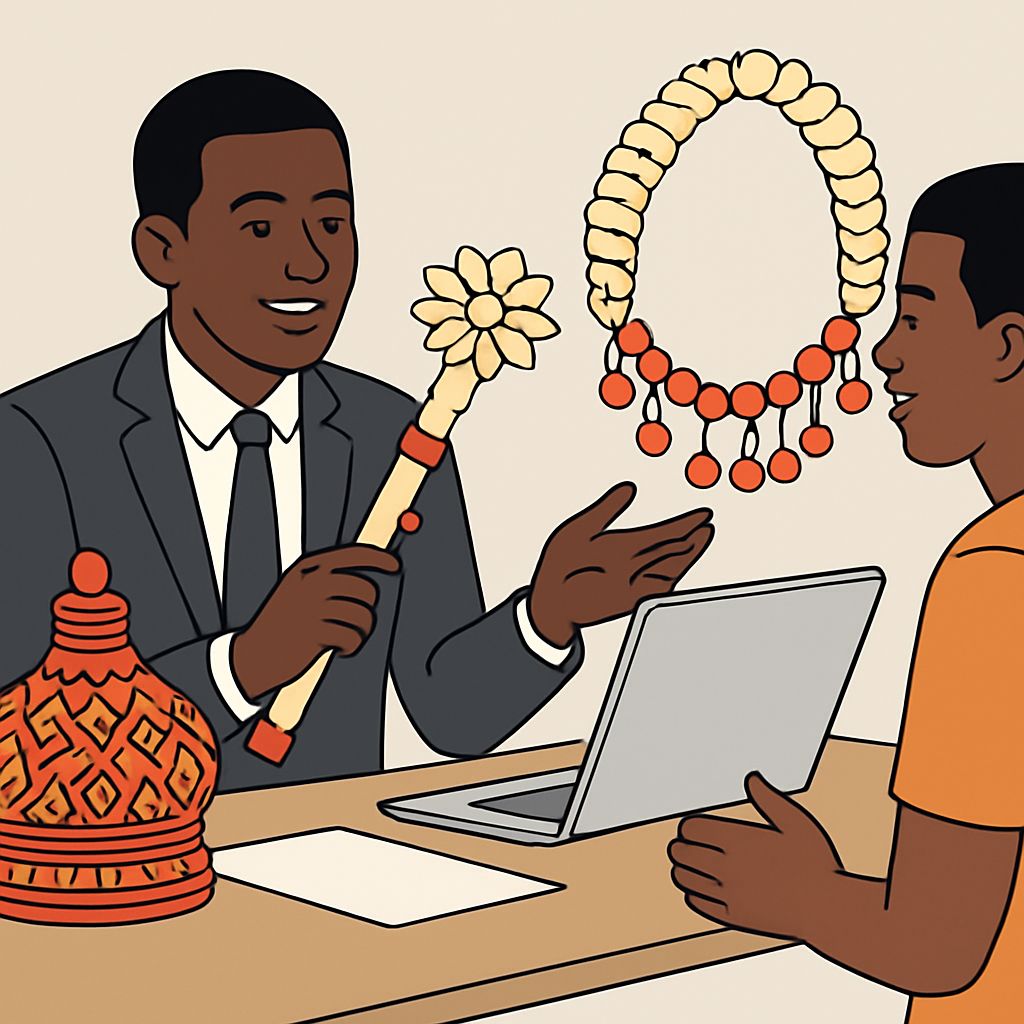
Decorators Utilizing Cultural Symbols and Colors to Create Authentic Ambiance
Incorporating Traditional Colors
Decorators focus on vibrant colors that represent Nigerian heritage.
They often choose shades like deep red, bright yellow, and royal blue.
These colors symbolize prosperity, joy, and unity during the ceremonies.
Moreover, the choice reflects regional variations within Nigeria’s diverse cultures.
For example, the Igbo community favors red and white in their decor.
Yoruba weddings commonly feature green and gold to highlight wealth and spirituality.
Therefore, decorators carefully select colors to match the cultural background of the couple.
Use of Cultural Symbols and Motifs
Design firms integrate symbols that carry deep traditional meanings.
They include motifs like the Uli patterns, Nsibidi scripts, and coral beads.
These elements connect guests with the ancestral heritage of the bride and groom.
For instance, coral beads signify royalty and authority within many Nigerian tribes.
Additionally, weavings and carvings reflecting local art add authenticity.
By using these symbols, decorators help tell the couple’s cultural story visually.
Ambiance Created Through Decor Techniques
Vendors combine natural materials such as raffia, palm leaves, and calabash items.
They arrange these with modern lighting to highlight traditional aesthetics.
Satin drapes and embroidered fabrics blend elegance with cultural richness.
Furthermore, lighting designers use warm amber lights to create a welcoming atmosphere.
The spatial layout often mimics traditional gathering spaces like palace courtyards.
As a result, guests feel immersed in an environment that honors ancestral customs.
Collaborations Between Vendors and Families
Decorators consult closely with families to understand their cultural preferences.
They incorporate cherished heirlooms or symbolic objects into the design.
This partnership ensures that the decor respects familial traditions and ethnic identity.
For example, a Lagos-based decorator, Amaka Eze, specializes in capturing Yoruba aesthetics.
Meanwhile, Abuja’s Chukwu Interiors adapts Igbo wedding themes with authentic fabrics and artifacts.
Working together ensures the final presentation celebrates the couple’s unique heritage.
- Choosing culturally significant colors and patterns
- Including symbols such as beads, traditional art, and scripts
- Utilizing natural materials to enhance authenticity
- Incorporating family heirlooms and stories into the decor
Florists Integrating Indigenous Flowers and Plants Significant to Nigerian Traditions
Understanding the Cultural Significance of Indigenous Flora
Nigerian traditional weddings deeply value symbolic plants and flowers.
Florists like Amina Ojo from Blossoms of Lagos emphasize these symbols.
They incorporate plants that reflect cultural and spiritual meanings.
For example, kola nuts symbolize hospitality and unity in many Nigerian cultures.
Additionally, the use of chrysanthemum flowers often represents joy and celebration.
Therefore, selecting the right flora enhances the authenticity of the wedding.
Common Indigenous Flowers and Plants Used in Weddings
Florists source a wide variety of native plants for wedding ceremonies.
Popular choices include the fragrant ivory gardenia and vibrant hibiscus blossoms.
Moreover, calamus reeds and palm fronds often feature in traditional decorations.
The aromatic scent of African marigold also adds a pleasant touch.
Each plant carries specific cultural stories and associations to the couple.
Consequently, florists must understand these meanings deeply for careful selection.
Techniques for Incorporating Indigenous Flora into Wedding Themes
Florists like Chinedu Eze skillfully blend indigenous elements with modern styles.
They design bespoke floral arrangements that reflect the couple’s heritage.
For instance, using clusters of desert rose intertwined with traditional beads.
Furthermore, they create garlands and headdresses from local herbs and flowers.
These elements add authenticity while complementing the wedding’s color palette.
Such thoughtful designs bring Nigerian traditions vividly to life during ceremonies.
Collaboration with Local Growers and Artisans
Florists collaborate closely with local farmers and plant cultivators.
Grace Enweluzo of Harmony Florals sources directly from indigenous flower farms.
This partnership ensures fresh and culturally significant plants reach the wedding venue.
Furthermore, florists work with artisans to craft traditional floral crowns and buttons.
These collaborations also support the local economy and preserve cultural practices.
Ultimately, this teamwork enhances the overall experience of Nigerian wedding rituals.
Transportation Providers Ensuring Smooth Arrival and Departure for the Bridal Procession
Coordinating Arrival Times and Routes
Reliable transportation providers carefully plan the bridal procession’s arrival times.
They coordinate routes to avoid traffic delays around Lagos and Abuja.
Additionally, they communicate with event planners to align schedules perfectly.
This coordination ensures that the bride and groom arrive on time for each ceremony segment.
Selecting Culturally Appropriate Vehicles
Vendors like Royal Elegance Motors provide traditional yet comfortable cars for the couple.
These vehicles often feature intricate decorations reflecting Nigerian wedding themes.
Furthermore, luxury buses and vans accommodate family members and guests traveling together.
Choosing the right vehicles enhances both comfort and the visual appeal of the procession.
Professional Chauffeurs Enhancing the Experience
Skilled chauffeurs trained by Majestic Drive Services ensure a smooth and respectful journey.
They understand the importance of punctuality and cultural sensitivities during traditional weddings.
Also, they assist with managing luggage and ceremonial items safely during transit.
This professionalism contributes to a seamless experience for the bridal party.
Handling Unexpected Challenges During Transit
Transportation vendors prepare contingency plans for possible delays or vehicle issues.
For example, Evergreen Shuttle Services keeps backup vehicles on standby.
Moreover, they maintain active communication with event coordinators to adjust plans in real-time.
These measures ensure the procession proceeds without disruption despite challenges.
Supporting the Overall Ritual Atmosphere
Transportation providers often integrate music and décor aligned with Yoruba or Igbo traditions.
Decorated cars with traditional fabrics and symbols enhance the festive mood.
In this way, vendors help make transportation part of the wedding’s cultural storytelling.
Ultimately, their efforts bring Nigerian traditional wedding rituals vividly to life.
Craftsmen and Artisans Supplying Handmade Wedding Accessories and Gifts
Role of Skilled Craftsmen in Nigerian Weddings
Skilled craftsmen bring cultural heritage to life through their artistry.
They produce unique accessories that reflect traditional Nigerian values.
Moreover, their work adds authenticity to wedding celebrations.
For example, artisans like Chuka Obi create intricate beadwork for brides.
Similarly, Adaeze Nwafor handcrafts beautiful lace fans used in ceremonies.
Consequently, their contributions enrich the wedding atmosphere significantly.
Traditional Materials Used in Handmade Accessories
Artisans source authentic materials such as coral beads and leather.
They also incorporate local fabrics like aso oke and ankara fabric.
Additionally, natural elements like cowries and brass are carefully used.
These materials ensure that every piece remains true to cultural origins.
Furthermore, craftsmen often collaborate with material suppliers in market hubs like Lagos.
Popular Handmade Wedding Accessories and Their Significance
Beaded crowns symbolize royalty and are worn by the bride and groom.
Handwoven fans are not only decorative but signify respect and honor.
Coral bead necklaces represent fertility, wealth, and social status.
Engraved walking sticks for grooms highlight strength and leadership qualities.
In addition, leather sandals showcase craftsmanship and traditional aesthetics.
Artisan Workshops and Custom Orders
Many artisans operate workshops in key cultural cities like Benin and Enugu.
They welcome custom orders tailored to specific wedding themes and families.
Clients often consult with artisans to ensure designs match cultural symbolism.
Workshops like the one owned by Ifeanyi Eze produce bespoke wedding gifts.
These personalized items become treasured heirlooms passed down generations.
Supporting Local Artisans and Promoting Cultural Preservation
Wedding vendors help preserve Nigerian heritage by promoting artisan crafts.
They connect couples with authentic handmade items rather than mass-produced goods.
This support boosts local economies and sustains traditional skills effectively.
For instance, Royal Heritage Crafts partners with artisans to market their work.
This collaboration ensures the survival of rich cultural craftsmanship.
Additional Resources
My Traditional Wedding in Lagos, Nigeria: The Most Beautiful Day …


