




Overview of Long-Distance Relationships Within the Nigerian Marital Context
Emergence of Long-Distance Marriages in Nigeria
Long-distance marriages have become increasingly common in Nigeria.
Many couples live apart due to work.
Some live apart due to education or family obligations.
Furthermore, economic factors often force one spouse to seek employment abroad.
This situation reflects Nigeria’s growing diasporic population.
It also reflects internal migration within the country.
Therefore, long-distance relationships play a significant role in Nigerian marriages today.
Common Causes of Separation Among Nigerian Couples
Work-related relocation ranks as the leading cause of physical separation.
For example, Folake works in Lagos.
Her husband, Olumide, is based in Abuja.
Additionally, educational pursuits also separate many couples for extended periods.
Health reasons or family responsibilities sometimes require temporary relocation.
Moreover, some marriages endure distance due to cross-border or international migration.
Communication Practices in Long-Distance Nigerian Marriages
Nigerian couples rely heavily on mobile phone conversations.
They also use messaging apps to stay connected.
Platforms like WhatsApp and Telegram facilitate daily communication between spouses.
Video calls help bridge emotional gaps and maintain intimacy.
However, inconsistent internet access in some areas challenges this connectivity.
Occasionally, postal letters supplement digital communication.
Traditional in-person visits also occur to maintain closeness.
Cultural Expectations and Social Perceptions
Many Nigerians value physical presence as a sign of marital commitment.
Therefore, long-distance marriages often face societal scrutiny and skepticism.
Relatives sometimes question the strength and legitimacy of such unions.
Despite this, couples like Kelechi and Amarachi demonstrate resilience.
They maintain strong bonds despite the distance.
Culturally, long-distance marriages require extra effort to fulfill communal roles.
They also require dedication to familial responsibilities.
Challenges Faced by Long-Distance Couples in Nigeria
Emotional loneliness remains a significant challenge for separated spouses.
Trust issues may arise due to prolonged absence and limited interaction.
Financial strain often surfaces because of travel costs.
Couples also face separate household expenses.
Additionally, parenting from a distance complicates child-rearing responsibilities.
Nevertheless, many Nigerian couples develop effective coping mechanisms over time.
Support Systems and Adaptations for Long-Distance Marriages
Couples often join online groups to share experiences and advice.
Religious organizations sometimes offer counseling tailored to long-distance marriages.
Family members may assist by facilitating communication or hosting visits.
Furthermore, flexible work arrangements help some spouses reunite more frequently.
Ultimately, these support systems improve relationship stability despite the distance.
Cultural Perceptions and Societal Attitudes Towards Long-Distance Marriages in Nigeria
Traditional Views on Marriage and Distance
Nigerian culture traditionally values close-knit family structures.
Marriage often symbolizes unity between two families and communities.
Consequently, physical proximity plays a significant role in societal expectations.
Many believe that living apart weakens the marital bond.
Moreover, extended family involvement intensifies pressure to stay geographically close.
For instance, in communities like the Yoruba and Igbo, communal living remains common.
Therefore, long-distance marriages face skepticism from elders in these areas.
Changing Perspectives Among Younger Generations
However, younger Nigerians gradually challenge traditional ideals.
In urban centers such as Lagos and Abuja, career demands lead to increased mobility.
Subsequently, couples often find themselves maintaining relationships across cities or countries.
This shift fosters more acceptance of long-distance marriages.
Social media and technology further help sustain emotional connections.
Nonetheless, some family members still hold reservations about these arrangements.
Influence of Religion and Social Norms
Religion plays a crucial role in shaping attitudes towards marriage.
Christian and Muslim communities emphasize marital unity and togetherness.
Sometimes, religious leaders discourage prolonged separation of spouses.
Meanwhile, social norms stress regular physical presence to nurture family ties.
Despite this, some churches and mosques provide counseling to support separated couples.
Challenges Faced by Long-Distance Nigerian Marriages
Long-distance marriages often encounter unique social challenges.
Couples may experience gossip and judgment from neighbors and relatives.
Furthermore, lack of daily interaction can raise doubts about fidelity.
Economic strain from travel expenses also contributes to stress.
In some cases, families hesitate to offer full support to separated couples.
Community Support and Adaptation
Certain Nigerian communities adapt by finding ways to support distant couples.
They encourage frequent visits and communication via technology.
Also, families sometimes organize joint events to maintain connections.
These efforts aim to balance tradition with modern realities.
Ultimately, societal attitudes continue evolving as globalization influences lifestyles.
Emotional Challenges Faced by Couples in Long-Distance Nigerian Marriages
Feelings of Loneliness and Isolation
Nkechi often struggles with loneliness when her husband, Chimaobi, travels abroad for work.
Distance increases feelings of isolation for many Nigerian couples in similar situations.
Furthermore, the absence of daily physical presence creates emotional gaps in the relationship.
As a result, partners sometimes feel disconnected despite regular communication.
Trust and Insecurity Issues
Trust becomes a major emotional challenge when couples spend long periods apart.
Oluwaseun experiences moments of insecurity due to lack of physical reassurance from his wife, Amara.
Time zone differences and communication barriers often cause misunderstandings.
Therefore, couples must work actively to maintain transparency and honesty.
The Stress of Maintaining Communication
Frequent misunderstandings arise from irregular or poor communication channels.
Emeka and Funke face challenges coordinating schedules to talk consistently.
Additionally, technical issues sometimes disrupt calls, increasing frustration.
Hence, investing in reliable communication tools is crucial for emotional stability.
Emotional Fatigue and Pressure
Both partners may experience emotional fatigue from balancing relationship demands and personal responsibilities.
Yetunde feels overwhelmed managing household tasks alone while her husband, Tunde, works abroad.
This pressure can lead to burnout and emotional withdrawal if left unaddressed.
Accordingly, couples should set realistic expectations and seek support when needed.
Impact of Cultural Expectations
Nigerian cultural norms often expect spouses to be physically present for emotional support.
Gbenga finds it difficult to explain the long-distance marriage situation to elders in his community.
Such societal pressures sometimes add emotional strain on the couple.
Thus, understanding and empathy from extended family members helps ease this burden.
Methods for Coping with Emotional Challenges
Setting clear communication routines helps reduce uncertainty and anxiety.
Engaging in joint activities online can strengthen emotional bonds.
Additionally, seeking counseling or support groups offers valuable emotional outlets.
For example, the Lagos-based couples network “Strong Ties” supports long-distance partners.
Altogether, proactive emotional management increases resilience in Nigerian long-distance marriages.
See Related Content: Overcoming Financial Stress in Nigerian Marriages
Impact of Long-Distance Separation on Communication and Trust Between Spouses
Challenges to Effective Communication
Long-distance separation often creates significant hurdles for consistent communication.
Couples like Chika and Emeka experience unpredictable internet connectivity that disrupts conversations.
Moreover, time zone differences frequently cause delays in responses.
Therefore, misunderstandings arise more easily and frequently between spouses.
In addition, lack of physical presence limits nonverbal cues essential for emotional connection.
These factors combined reduce the overall quality of interactions over time.
Strategies to Maintain Open Communication
Couples must proactively schedule regular video calls to stay connected.
Also, sharing daily updates through messaging apps helps bridge communication gaps.
In fact, Ejike and Ifeoma use voice notes to express feelings vividly.
Furthermore, setting clear expectations about availability reduces frustration.
Using social media tools, like shared photo albums, fosters a sense of togetherness.
Consequently, thoughtful efforts enhance intimacy despite physical distance.
Effects of Separation on Trust
Distance can breed insecurity, leading to doubts about a partner’s faithfulness.
For instance, Ola and Funmi wrestle with jealousy caused by prolonged absence.
Nevertheless, these fears may stem from poor communication rather than actual betrayal.
On the other hand, some couples grow stronger by reaffirming commitments consistently.
Trust becomes the foundation that helps them endure challenges caused by separation.
Thus, maintaining trust requires intention, honesty, and patience from both partners.
Building and Sustaining Trust Despite Distance
Honest conversations about feelings reduce misunderstandings significantly.
Likewise, transparency regarding social interactions alleviates suspicion.
Ayodele and Nneka share passwords and locations only after mutual agreement, boosting confidence.
Additionally, making plans for future reunions reinforces commitment and hope.
Couples should celebrate milestones virtually to honor their relationship’s progress.
Trust flourishes when both spouses prioritize openness and reliability.
See Related Content: The Role of Counseling in Resolving Nigerian Marital Conflicts
Financial Implications of Maintaining Long-Distance Marriages in Nigeria
Costs of Communication and Travel
Maintaining frequent communication incurs significant expenses in long-distance marriages.
For example, international phone calls and internet data packages add up quickly.
Additionally, couples must budget for occasional flights or trips home.
Flights between Nigeria and major cities like London or Atlanta often cost several hundred dollars.
Over time, travel expenses can strain monthly household budgets.
Nonetheless, many couples prioritize travel to preserve their relationships.
Managing Dual Households
Long-distance couples often maintain separate households in different locations.
This duplication leads to higher overall living expenses.
For instance, rents or mortgage payments must be covered on both sides.
Moreover, utility bills and daily upkeep multiply across two homes.
Consequently, couples spend more than they would living together.
They may need to adjust lifestyle choices to manage these financial demands.
Impact on Savings and Investments
Many couples postpone jointly saving for major goals due to financial pressures.
Expenses related to separation reduce funds available for investments or emergencies.
Foluke and Emeka, married for three years apart, struggle to contribute consistently.
They prioritize immediate costs over longer-term financial security.
Therefore, long-distance marriages can affect the couple’s ability to build wealth.
Financial advisors often recommend focused budgeting in such situations.
Role of Extended Family Support
Extended families in Nigeria sometimes provide financial assistance to long-distance couples.
Parents or siblings may help with travel or living costs.
This support can alleviate some burdens but may create dependency.
It also highlights the cultural importance of family networks in marriage.
Still, not every couple has access to such help.
Hence, individual financial management remains crucial for many couples.
Effective Strategies to Reduce Financial Strain
- Using affordable mobile apps for free communication
- Planning trips during off-peak travel seasons
- Sharing household responsibilities to cut costs
- Creating joint financial plans despite physical distance
Implementing these tactics can help mitigate the financial challenges.
Ultimately, financial cooperation strengthens the marriage beyond physical presence.
You Might Also Like: How to Address Family Interference in Nigerian Marriages
Role of Technology and Social Media in Sustaining Nigerian Long-Distance Marriages
Digital Communication Tools Enhancing Connection
Technology plays a vital role in maintaining emotional bonds in Nigerian long-distance marriages.
Couples like Emeka and Nneka use video calls to bridge physical distance effectively.
Instant messaging apps help them share daily experiences and feelings promptly.
Consequently, these tools reduce feelings of loneliness and foster intimacy.
Platforms such as WhatsApp and Telegram enable group chats with family and friends.
This social inclusion strengthens support networks surrounding the marriage.
Social Media’s Influence on Interaction
Social media platforms offer wide-reaching opportunities for couples to stay connected.
For instance, Instagram and Facebook allow couples to share photos and milestones instantly.
Tagging each other publicly reinforces their relationship status.
However, social media can also introduce challenges such as misunderstandings from misinterpreted posts.
Therefore, open communication about social media use remains essential.
Innovative Apps Supporting Relationship Growth
Several Nigerian couples leverage relationship-specific apps to nurture their bond.
Apps like “LuvSync” and “HeartLink” provide daily prompts for sharing feelings.
These digital nudges encourage meaningful conversations over time.
Additionally, budgeting apps help couples manage finances despite geographic separation.
Thus, technology not only connects emotionally but also practically assists long-distance marriages.
Challenges and Solutions in Digital Dependence
While technology is beneficial, unreliable internet remains a common obstacle.
For example, rural areas in Enugu and Sokoto face frequent connectivity issues.
Couples often compensate by scheduling calls during peak signal times.
Moreover, they adopt asynchronous communication like voice notes when live chats fail.
Local startups such as “NetWave Nigeria” work to improve internet infrastructure nationwide.
Technological advances continue to support Nigerian marriages across distances.
Find Out More: Navigating Career Priorities in Nigerian Marriages
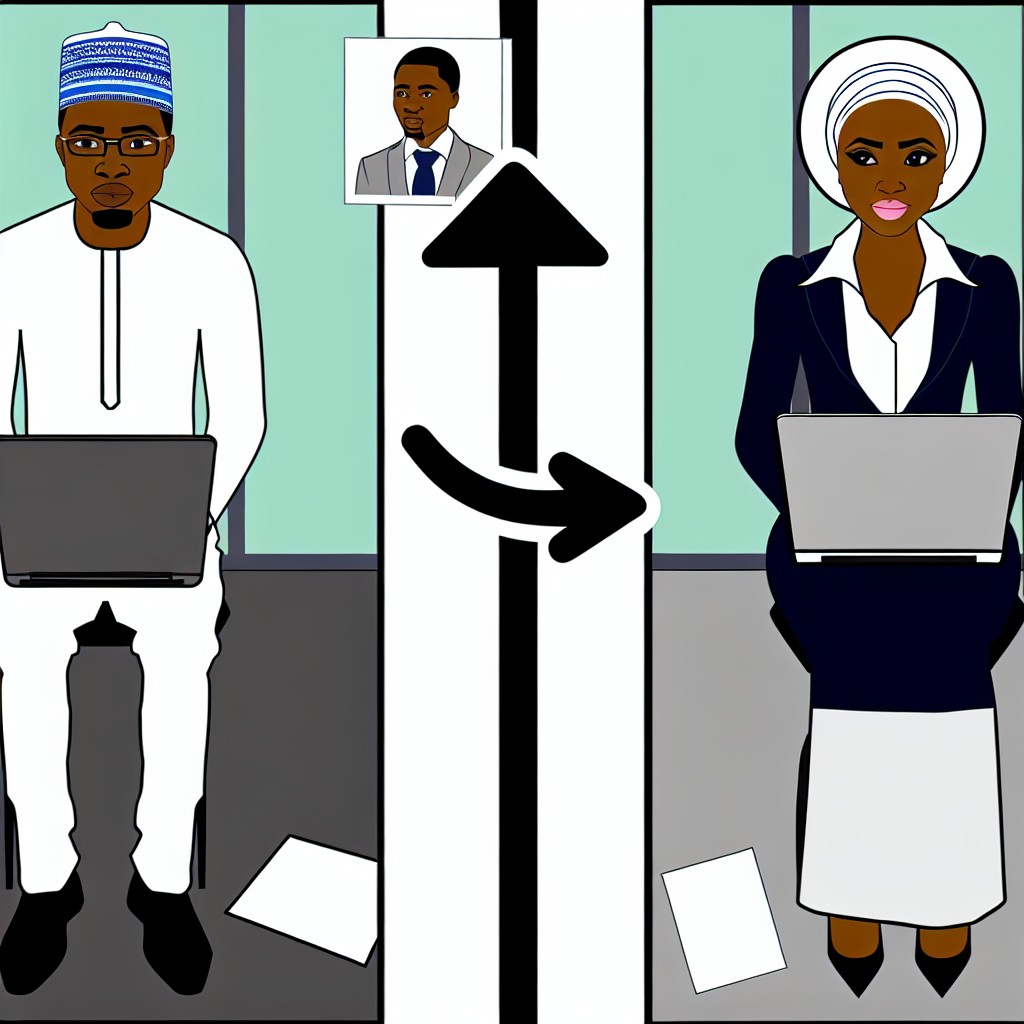
Effects of Long-Distance on Extended Family Relationships and Support Systems
Disruption of Traditional Family Ties
Long-distance marriages often strain connections with extended family members.
For example, couples like Emeka and Ngozi experience less frequent visits to relatives.
Consequently, the strong bonds that typically hold Nigerian families together weaken over time.
This distance limits participation in important family events and ceremonies.
As a result, spouses feel isolated from their wider family networks.
Impact on Emotional and Practical Support
Extended families traditionally provide crucial emotional and practical support.
When couples live apart, they lose immediate access to this support system.
For instance, assistance with childcare or household tasks becomes challenging.
Moreover, emotional encouragement during difficult times decreases significantly.
This gap often leads to increased stress and feelings of loneliness.
Challenges in Maintaining Family Roles and Expectations
Extended families often expect certain roles and responsibilities to be fulfilled.
Long-distance couples may struggle to meet these expectations consistently.
For example, elders might expect regular visits or involvement in communal affairs.
However, physical absence can lead to misunderstandings or feelings of neglect.
Over time, this can create tension between the couple and their relatives.
Strategies to Strengthen Extended Family Bonds
Couples can use technology to maintain communication with relatives.
Video calls and messaging apps help bridge the physical gap effectively.
Additionally, planning periodic visits during major family events reinforces bonds.
They can also delegate family responsibilities to trusted relatives locally.
These efforts help sustain extended family ties despite the distance.
Strategies and Coping Mechanisms Employed by Nigerian Couples to Manage Long-Distance Marriages
Maintaining Consistent Communication
Nigerian couples prioritize consistent communication to sustain their long-distance marriages.
They use various digital platforms such as WhatsApp, FaceTime, and Skype for regular interaction.
Moreover, voice notes and video calls help to bridge the emotional gap between partners.
Ayodele and Ifeoma, a couple from Lagos and Ibadan respectively, schedule weekly video calls to stay connected.
Communication fosters trust, which remains crucial in managing the challenges of distance.
Additionally, couples often share daily updates, strengthening their emotional bond despite physical separation.
Setting Clear Expectations and Goals
Successful long-distance couples set clear expectations regarding their relationship roles and commitments.
They openly discuss future goals to create a shared vision for their marriage.
For instance, Amarachi and Emeka, residing in London and Port Harcourt, align their career and family plans.
These conversations help reduce misunderstandings and manage anxieties about separation.
Furthermore, writing down mutual goals provides a tangible reminder of their partnership’s direction.
Clear expectations foster accountability and mutual respect between spouses.
Scheduling Visits to Maintain Physical Intimacy
Couples invest effort into planning in-person visits despite geographical barriers.
They coordinate holidays and special occasions to spend quality time together.
For example, Nneka travels from Abuja to Enugu to see her husband, Chuka, every two months.
These visits rejuvenate their connection and provide emotional relief.
Importantly, they use the anticipation of reunions as motivation to persevere through separation.
Physical closeness during visits complements virtual communication effectively.
Building Emotional Support Networks
Nigerian couples cultivate emotional support by involving family and friends.
They share their experiences and challenges with trusted confidants for guidance.
Additionally, some join online support groups focused on long-distance relationships.
Therapists like Mrs. Folasade Adewale offer counseling specifically tailored to remote couples.
This network provides encouragement and practical advice, reinforcing resilience.
Support systems help mitigate feelings of loneliness and isolation common in long-distance marriages.
Leveraging Technology to Enhance Connection
Beyond basic communication tools, couples use apps that encourage shared activities.
They watch movies simultaneously via streaming services or play online games together.
Using calendars and reminders, couples like Bimbo and Tunde stay organized about important dates.
Moreover, they exchange photos and voice messages to capture everyday moments.
Technology thus personalizes the relationship experience, making distance less daunting.
It also creates new opportunities for intimacy and interaction beyond conventional calls.
Prioritizing Personal Growth and Independence
Couples recognize the importance of personal development during separation periods.
They pursue individual goals such as education, career advancement, or hobbies.
For example, Nneka used her time apart from her husband to complete a professional certification.
This independence promotes self-confidence, which positively impacts the marriage.
Simultaneously, couples encourage each other’s growth as part of their shared success.
Balancing togetherness and autonomy strengthens the long-distance marriage foundation.
Case Studies Highlighting Successful Long-Distance Nigerian Marriages
The Strength of Communication Between Adaeze and Chijioke
Adaeze and Chijioke maintained strong communication despite living apart for several years.
They scheduled daily video calls and shared messages to stay connected.
Moreover, they visited each other every few months to nurture their relationship.
Their commitment helped them build trust and understanding.
Eventually, they reunited and transitioned smoothly into married life in the same city.
This consistency reinforced their bond through the long-distance period.
Mutual Support Between Ifeoma and Emeka During Career Moves
Ifeoma moved to the United Kingdom for further studies while Emeka stayed in Lagos.
Despite the distance, they supported each other’s career ambitions enthusiastically.
They used technology effectively to stay involved in daily experiences.
Additionally, they shared their future goals openly to align their expectations.
This mutual support helped sustain their emotional connection for over four years.
They married successfully upon Ifeoma’s return to Nigeria without significant challenges.
Examples of Long-Distance Marriages Facing Challenges
Struggles with Trust Between Nneka and Tunde
Nneka and Tunde’s long-distance marriage suffered from lack of trust and frequent misunderstandings.
Long periods without face-to-face interaction created feelings of insecurity.
They depended heavily on texts, which sometimes led to misinterpretations.
Moreover, their inability to communicate deeply caused emotional distance.
Eventually, these ongoing issues contributed to the dissolution of their marriage.
Financial Strain Affecting the Relationship of Oluchi and Kelechi
Oluchi and Kelechi faced financial difficulties while managing their long-distance marriage.
High costs of travel and communication added pressure to their limited resources.
This financial strain increased stress and triggered frequent arguments.
In addition, differences in financial management styles amplified their disagreements.
Consequently, they found it difficult to maintain harmony over time.
Lessons Learned from Diverse Long-Distance Marriage Experiences
- Consistent and open communication builds a strong foundation.
- Trust must be actively nurtured to prevent insecurity and doubts.
- Mutual support for career and personal goals strengthens the partnership.
- Financial planning is essential to handle the costs of distance effectively.
- Regular physical visits help maintain emotional closeness.
Recommendations for Counseling and Support Services Tailored for Long-Distance Married Couples in Nigeria
Establishing Accessible Counseling Platforms
Creating online counseling platforms increases accessibility for couples separated by distance.
These platforms should offer confidential and culturally sensitive support.
Additionally, they must operate at flexible hours to accommodate various time zones.
For example, Lagos-based firm Harmony Wellness provides virtual sessions for couples across Nigeria.
Moreover, providing phone and chat support can complement video counseling services.
Training Counselors on Long-Distance Relationship Dynamics
Counselors need specialized training on challenges unique to long-distance marriages.
They should understand communication barriers, trust issues, and cultural expectations.
Organizations like Nigerian Marriage Enrichment Centre include such training modules.
Furthermore, ongoing professional development ensures counselors stay updated on best practices.
Developing Support Groups for Long-Distance Couples
Support groups create a sense of community for couples managing distance in marriage.
These groups can meet virtually or in person within local communities.
Members share experiences, coping strategies, and emotional encouragement.
For example, Abuja Couples Network hosts monthly online meetings tailored for long-distance couples.
Such groups reduce feelings of isolation and strengthen relationship resilience.
Promoting Communication Skill Workshops
Workshops should focus on enhancing remote communication techniques.
Couples learn how to express emotions effectively through digital means.
This training covers conflict resolution and active listening skills.
Counselor Ngozi Okeke frequently leads such interactive workshops in Port Harcourt.
Improved communication markedly reduces misunderstandings between geographically separated spouses.
Incorporating Technology Solutions
Counseling services should advise couples on using technology to maintain connection.
Apps for shared calendars, video calls, and joint activities help bridge the gap.
For example, couples can schedule virtual date nights or prayer sessions.
Technology companies like ConnectNgi develop tools customized for Nigerian couples.
Incorporating these tools enhances emotional intimacy and daily interaction.
Encouraging Family Involvement with Boundaries
Family support plays an important role in long-distance marriages.
Counselors should guide couples on setting healthy boundaries with extended family.
This instruction prevents undue pressure and preserves couple autonomy.
Workshops can include role-playing scenarios to practice boundary setting.
Respectful communication with relatives strengthens overall support networks.
Offering Financial and Legal Advisory Services
Distance often complicates financial coordination and legal matters.
Counseling centers can partner with financial planners and legal advisors.
They help couples navigate joint accounts, property rights, and custodial issues.
The Abuja-based firm Unity Legal Aid provides free consultations for married couples.
This additional support reduces stress related to money and legal uncertainties.
Additional Resources
Changing last name is a dealbreaker : r/Nigeria
Why is dating among Nigerians/Africans hard in the Diaspora? : r …