




The Cultural Significance of Marriage in Nigerian Society
Marriage as a Social Institution
Marriage holds a central place in Nigerian culture.
It symbolizes the union of two individuals and their families.
Many communities view marriage as a responsibility, not just a personal choice.
Therefore, it often involves extensive consultations among relatives.
This process strengthens family ties and social networks.
Moreover, marriage validates social status and identity within the society.
Marriage Traditions and Customs
Different ethnic groups celebrate marriage with unique traditions.
For example, the Yoruba engage in elaborate engagement ceremonies called “Introduction” or “Idana.”
The Igbo observe the “Iku aka,” symbolizing bride price and family approval.
Similarly, the Hausa have the “Kunnuwa,” a tradition marked by prayers and blessings.
These customs emphasize respect for ancestors and community values.
Consequently, they reinforce collective commitment beyond the couple.
Role of Family in Marriage Decisions
Families play a key role in marriage choices across Nigeria.
Parents and elders offer guidance and often approve potential partners.
This influence ensures compatibility of families, not just individuals.
In many cases, marriage arrangements involve negotiations between families.
Furthermore, family elders act as mediators and advisors throughout the union.
Their support integrates the couple into a larger social network.
Marriage and Community Expectations
The wider community observes marriage as a social contract.
It often serves to strengthen inter-family alliances and peace.
Therefore, many weddings blend multiple cultural rituals.
Community elders and religious leaders frequently bless the marriage.
This public approval upholds social harmony and moral standards.
Additionally, the community provides support during and after the marriage ceremonies.
Marriage as a Path to Social Stability
Marriage promotes societal stability and continuity in Nigeria.
It encourages procreation and the raising of children within families.
This system supports inheritance, lineage, and cultural values.
Hence, marriage connects generations and preserves traditions.
It also provides emotional and economic security for individuals.
Ultimately, Nigerian marriages reflect the intertwined nature of love, family, and culture.
The Role of Love as a Foundation for Marriage Decisions in Nigeria
Importance of Romantic Affection in Choosing a Partner
Love plays a critical role in marriage decisions across Nigeria.
Many young Nigerians prioritize romantic connection before formalizing relationships.
In cities like Lagos and Abuja, love-based relationships are increasingly common.
However, love alone does not completely determine partner selection.
Couples often consider emotional compatibility alongside cultural expectations.
How Love Influences Compatibility and Commitment
Love fosters deep understanding and commitment between partners.
It helps couples navigate challenges during courtship and marriage life.
Furthermore, love encourages mutual respect and emotional support.
Many Nigerian couples like Chinedu and Amaka cite love as their bond’s core.
Such emotional ties strengthen decision-making towards long-term partnership.
Integration of Traditional and Modern Views on Love
Traditional Nigerian families sometimes view love marriage cautiously.
Nonetheless, modern perspectives increasingly embrace love as a prerequisite.
Young adults balance respect for family wishes with personal romantic feelings.
For example, Tunde negotiated family approval while honoring his love for Ifeoma.
This balance creates a harmonious foundation for lasting marital decisions.
Factors Enhancing Love’s Role in Marriage Choices
Communication fosters transparency and deepens emotional connection in relationships.
Shared values and goals also promote trust and love longevity.
Social media and mobile technology expose Nigerians to diverse love concepts.
This exposure broadens understanding of emotional needs and marriage expectations.
As a result, love increasingly shapes who couples choose to marry.
Family Expectations and Their Impact on Partner Selection
The Role of Extended Family in Marriage Decisions
Families in Nigeria often play a vital role in shaping marriage choices.
They express clear expectations about suitable partners for their children.
Moreover, extended family members provide advice and guidance during courtship.
Such involvement ensures that family values and traditions are upheld.
Consequently, individuals often consider family preferences seriously.
For instance, families may prioritize partners from certain ethnic or religious backgrounds.
This emphasis maintains cultural identity and social harmony within the community.
Furthermore, families often assess the financial stability and character of potential partners.
They believe these traits contribute to a successful and lasting marriage.
In many cases, parental approval can determine whether a relationship progresses.
Balancing Personal Choice with Family Desires
Young Nigerians frequently negotiate their personal desires and family expectations.
They seek partners they love while respecting their relatives’ opinions.
Sometimes, this leads to challenging compromises and difficult conversations.
Nevertheless, open communication helps families and individuals find common ground.
In some cases, couples engage in traditional meetings to formalize family involvement.
Such gatherings allow both sides to express expectations and build mutual respect.
Balancing love with family wishes strengthens the foundation of the marriage.
Common Family Expectations in Partner Selection
- Compatibility with family cultural and religious values.
- Good moral character and respectful behavior towards elders.
- Education level and professional ambition.
- Financial stability or potential to provide for the family.
- Ability to maintain family dignity and reputation.
- Willingness to engage in extended family obligations and traditions.
Significance of Family Name and Heritage in Partner Selection
Family names carry significant weight in marriage considerations.
Some families desire to preserve their legacy through marriage alliances.
As a result, they may favor partners from respected or prominent families.
Such unions often enhance social status and strengthen community ties.
Therefore, potential partners are carefully evaluated for their family background.
This scrutiny reflects the importance placed on heritage and social connections.
Family expectations deeply influence partner selection in Nigeria.
Delve into the Subject: Holy Ake Mc/Comedian/Oap Services in Asaba with Event Planning and Vendor Coordination
The Influence of Extended Family Members in Marriage Negotiations
Role of Extended Family in Decision-Making
Extended family members play a vital role in marriage negotiations in Nigeria.
They often act as mediators between the prospective bride and groom.
Moreover, elders provide guidance based on cultural values and traditions.
This involvement strengthens family bonds and ensures social harmony.
Consequently, the opinions of uncles, aunts, and grandparents carry significant weight.
Family Expectations and Social Standing
Families seek marriages that reflect honor and maintain social status.
Therefore, extended family members evaluate potential partners carefully.
They consider aspects such as background, education, and tribe.
Also, families assess the financial stability and character of the suitor.
These factors influence their approval or rejection of a marriage proposal.
Negotiating Bride Price and Wedding Customs
Extended families actively participate in negotiating the bride price.
They discuss acceptable amounts reflecting cultural norms and family preferences.
Typically, negotiations involve a committee of respected family members.
Furthermore, families coordinate traditional wedding rites ensuring customs are honored.
This collective effort symbolizes unity and shared responsibility.
Conflict Resolution and Mediation
When disputes arise, extended family members serve as mediators.
They address misunderstandings between the two families diplomatically.
Additionally, elders encourage compromise to preserve long-term relationships.
This mediation ensures that marriage negotiations progress smoothly and respectfully.
Family involvement reduces conflicts and fosters mutual respect.
Emotional Support and Guidance in Marriage
Beyond negotiations, extended family members offer emotional support to couples.
They share wisdom about married life and handling future challenges.
Relatives like aunts and older cousins often mentor younger family members.
This guidance strengthens the couple’s commitment and resilience.
Consequently, family involvement contributes to lasting and successful marriages.
Uncover the Details: MODDYEVENT ALAGA Lagos Traditional Marriage Compere with Religious Fluency
Balancing Individual Choice and Familial Obligations in Marriage
The Role of Personal Desire in Marriage Decisions
Individuals in Nigeria often prioritize their feelings of love and compatibility first.
Chika, a Lagos-based entrepreneur, chose his partner based on mutual respect and affection.
Moreover, many urban Nigerians emphasize personal happiness when considering marriage.
They believe that emotional connection lays a strong foundation for lasting relationships.
However, this choice does not occur in isolation from family influences.
Influence of Family on Marital Choices
Families in Nigeria usually hold significant power in marriage decisions.
For example, the Okonkwo family carefully evaluated potential partners for their son before giving consent.
Parents and elders often consider social status, tribal alignment, and family reputation.
Additionally, many families expect prospective spouses to meet traditional and cultural expectations.
Therefore, marital decisions frequently become a negotiation between individuals and their families.
Reconciling Personal Wishes with Familial Expectations
Many couples work hard to find common ground between love and family duties.
Juliet and Emeka resolved their differences through open dialogue with both families involved.
They respected their parents’ concerns while asserting their own choices.
Furthermore, mediation by respected community elders often helps ease tensions.
This balance maintains family harmony without sacrificing personal happiness.
Practical Strategies for Harmonizing Both Interests
Successful couples adopt clear communication from the start of their relationship.
They also involve their families early to build trust and understanding.
Some couples seek guidance from marriage counselors familiar with Nigerian customs.
Others participate in cultural rituals to demonstrate respect for family traditions.
Collectively, these steps foster cooperation between partners and their families.
Effects of Balancing Personal and Familial Priorities on Marital Satisfaction
Balancing love and family expectations often leads to stronger marital bonds.
Couples like Amina and Tunde report increased mutual support after involving their families.
Such support networks reduce conflicts and offer valuable advice during challenges.
Thus, integrating both personal and familial priorities enhances marital satisfaction.
Ultimately, this balance reflects the complex social fabric of Nigerian marriage decisions.
See Related Content: Buketti Foods Lagos Catering Services for Weddings and Corporate Events
How Traditional Customs Shape Love and Marriage Dynamics
Cultural Expectations and Family Roles
Traditional customs influence marriage decisions in various Nigerian communities.
Families often play a crucial role in choosing suitable partners.
Parents and elders expect respect and obedience in these matters.
Moreover, marriage is seen as a union between families, not just individuals.
Therefore, family approval carries significant weight in marriage discussions.
Influence of Extended Family and Community
Extended family members contribute opinions on prospective spouses.
Community elders sometimes mediate marriage negotiations and ceremonies.
Likewise, these customs ensure social harmony and reinforce communal values.
Consequently, love relationships often must align with family and cultural norms.
This interplay shapes how couples approach commitment and partnership.
Customary Marriage Practices
Customary weddings often involve elaborate rituals unique to each ethnic group.
For example, the Igbo’s “Iku Aka” marks formal engagement between families.
Similarly, the Yoruba celebrate the “Introduction” ceremony called “Idana.”
These practices symbolize respect and acceptance within the community.
Thus, traditional ceremonies reinforce bonds beyond the couple themselves.
Balancing Love and Family Expectations
Couples navigate between personal affection and cultural obligations.
Many discuss their intentions with family elders before proposing marriage.
At times, love matches require family blessings to proceed smoothly.
Additionally, compromises may arise to satisfy both partners and families.
Ultimately, harmonious relationships rely on respect for customs and emotions.
Changing Perspectives and Modern Influence
Younger generations increasingly prioritize individual choice in marriage.
Nevertheless, many still honor traditional values alongside love.
Social media and education broaden views on romantic relationships.
However, families continue to influence marriage decisions significantly.
Thus, a blend of tradition and modernity guides today’s relationships.
-
Family background and reputation influence eligibility.
-
Economic stability and career prospects matter greatly.
-
Religious beliefs and practices are often essential.
-
Physical appearance and character traits receive attention.
-
Compatibility between families affects long-term success.
Traditional customs deeply shape how love and marriage develop in Nigeria.
Individuals and families work together to preserve meaningful cultural bonds.
Discover More: IYAN ALADUKE Catering in Lagos Offering Authentic Nigerian Dishes
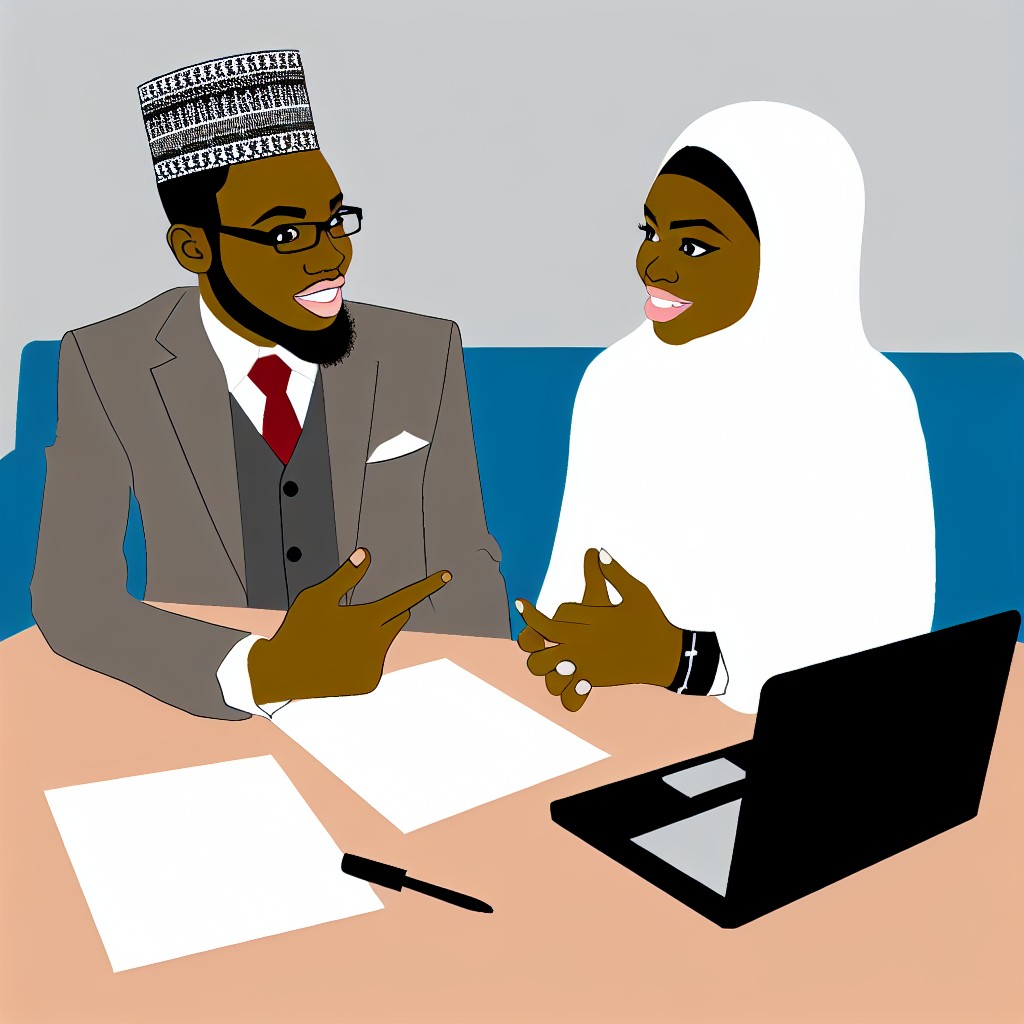
The Effect of Parental Approval and Disapproval on Couples
Parental Approval and Its Positive Impact
Parental approval plays a crucial role in marriage decisions across Nigeria.
When parents show support, couples often feel more confident and secure.
Moreover, this approval strengthens family ties and promotes harmony.
For instance, Oluwaseyi and Tunde sought consent from their parents before engagement.
Because their parents blessed the union, they gained social acceptance quickly.
Accordingly, parental approval reduces conflicts and eases wedding preparations.
It also fosters emotional stability between partners during challenging times.
Challenges Arising from Parental Disapproval
Conversely, parental disapproval can create significant challenges for couples.
Chinedu and Amara faced resistance when Amara’s family opposed the marriage.
This disapproval caused emotional strain and delayed their wedding plans.
Furthermore, family disagreements may lead to social isolation for the couple.
In some cases, couples experience pressure to end the relationship altogether.
Such disapproval often stems from cultural, religious, or economic differences.
Therefore, couples must navigate these issues carefully to maintain their bond.
Strategies Couples Use to Manage Parental Opinions
Many couples seek dialogue to address parental concerns respectfully.
Amina and Musa held family meetings to clarify misunderstandings and build trust.
They involved respected elders who mediate and offer guidance.
Additionally, some couples consult marriage counselors to improve communication.
This approach helps parents feel heard and consider the couple’s perspective.
Moreover, demonstrating commitment and respect often shifts parental attitudes positively.
Ultimately, couples balance honoring family expectations with pursuing their own happiness.
Social and Cultural Implications of Parental Influence
In Nigeria, family is central to social identity and community standing.
Parental approval often reflects broader societal acceptance of the union.
Therefore, couples may prioritize their family’s opinion over personal preferences.
This dynamic emphasizes collective decision-making in marriage matters.
However, younger generations increasingly advocate for personal choice within cultural frameworks.
As a result, parental influence evolves alongside changing social values.
Understanding this balance remains key to successful marriage decisions.
Differences in Marriage Decision-Making Across Nigerian Ethnic Groups
Hausa-Fulani Traditions and Family Influence
The Hausa-Fulani community places great importance on family approval in marriage decisions.
Usually, elders and parents negotiate marriage arrangements extensively.
Moreover, marriages often happen through arranged introductions rather than love-based choices.
However, love is gradually becoming a factor among younger Hausa-Fulani individuals.
Despite this, family reputation and social standing remain top priorities.
Yoruba Marriage Decisions Balancing Love and Family
The Yoruba people traditionally value both individual choice and family approval.
Young couples often seek parental consent after expressing their interest.
Furthermore, the Yoruba place emphasis on the bride price and elaborate ceremonies.
Families actively participate in discussions about compatibility and family background.
Therefore, love influences decisions but never outweighs family considerations entirely.
Igbo Emphasis on Personal Choice and Community Roles
The Igbo culture prioritizes personal choice more than many other groups.
Generally, lovers propose marriage after informing their families.
In addition, community elders often bless the union during traditional rites.
Still, families review the prospective partner’s character and family lineage carefully.
Thus, love is a significant driver, supported by family endorsement.
Smaller Ethnic Groups and Unique Marriage Practices
Smaller Nigerian ethnic groups, such as the Tiv and Efik, have unique approaches.
For example, some Tiv communities emphasize clan consent before marriage.
Likewise, among the Efik, engagement ceremonies require extended family involvement.
Nevertheless, love steadily influences even communities with strong traditional practices.
Consequently, there is a growing blend of modern and customary decision-making styles.
Shared Factors Shaping Marriage Choices Across Ethnic Lines
Despite differences, respect for elders is universal in all Nigerian ethnic groups.
Families commonly assess social compatibility between prospective couples.
Additionally, financial arrangements and dowries play significant roles.
Moreover, religion often shapes the manner and timing of marriages.
Love and family influence remain intertwined in diverse ways.
The Role of Religion in Shaping Attitudes Toward Love and Marriage
Religious Beliefs and Marriage Values
Religion plays a vital role in defining marriage values in Nigerian society.
Christianity and Islam notably influence how couples perceive love and commitment.
Religious teachings emphasize the sanctity and permanence of marriage.
Many churches encourage couples to marry within the faith for spiritual unity.
Islamic principles guide matrimonial decisions through family and community involvement.
Significance of Religious Wedding Ceremonies
Religious wedding ceremonies mark important milestones in couples’ lives.
Church weddings involve prayers and vows that reinforce lifelong partnership.
Muslim marriages include the Nikah ceremony, underscoring contractual and spiritual bonds.
These ceremonies receive strong support from families and congregations alike.
They symbolize community approval and shared values in marital unions.
Community Influence Through Religious Networks
Religious communities act as support systems for couples before and after marriage.
Pastors, imams, and elders often provide counseling to nurture healthy relationships.
Couples learn conflict resolution and develop mutual respect rooted in faith.
Religious gatherings foster connections between families and strengthen social bonds.
This collective engagement greatly influences marriage decisions and relationship longevity.
Religious Teachings on Family Roles in Marriage
Religious doctrines typically define distinct roles within a marriage.
Christian teachings often portray the husband as leader and wife as nurturer.
Islamic principles emphasize mutual respect while detailing family responsibilities.
These roles shape expectations for love, care, and partnership between spouses.
Thus, religion helps frame ideal behaviors and commitments in Nigerian marriages.
Challenges and Adaptations in Interfaith Marriages
Interfaith marriages present unique challenges influenced by religious beliefs.
Couples often negotiate differing traditions and rituals for their wedding ceremonies.
Family acceptance can vary significantly depending on religious tolerance.
Mediation by religious leaders helps bridge disagreements in some cases.
These marriages require flexibility and understanding anchored in love and respect.
Modern Shifts in Marriage Trends Influenced by Love and Family Ties
The Growing Emphasis on Romantic Love
Romantic love increasingly shapes marriage decisions across Nigeria.
Young couples express strong desires to marry for love rather than convenience.
For instance, Chinedu and Amina chose each other after years of dating passionately.
Moreover, social media boosts awareness about romantic partnerships and personal choice.
Consequently, many urban Nigerians prioritize emotional connection over traditional expectations.
The Role of Family Influence in Marriage Choices
Despite changing attitudes, family ties still heavily affect marital decisions.
In particular, parents often guide or approve their children’s partners.
For example, Ngozi’s parents insisted on vetting her fiancé carefully before approval.
Additionally, extended families remain involved in many marriage negotiations and ceremonies.
Thus, balancing personal love and family expectations creates a complex dynamic.
Balancing Tradition and Personal Desire
Many Nigerians navigate between honoring tradition and pursuing love.
Oluwatobi married with his family’s blessing, while also following his heart.
Similarly, families adapt their expectations to accept love marriages more readily.
This evolving balance reflects broader social modernization and education.
Therefore, love and family influence intertwine uniquely in each marriage story.
Social and Economic Factors Encouraging Change
Urbanization and education expose couples to diverse marriage perspectives.
For instance, Lagos-based couples frequently discuss partnership as friendship and love.
Economic independence, especially for women like Fatima, supports choosing partners freely.
Consequently, love-based marriages become more practical and accepted.
Furthermore, changing gender roles contribute to reshaping traditional family pressures.
Common Patterns Emerging in Contemporary Marriages
- Younger generations initiate relationships before family introductions.
- Families often negotiate terms but allow personal choice finality.
- Inter-ethnic and inter-religious marriages gain more acceptance.
- Couples emphasize compatibility, communication, and shared values.
Each pattern signals gradual transformation blending love and familial respect.
Additional Resources
The Changing Phases of African Marriage and Family: Perspectives …
Why is dating among Nigerians/Africans hard in the Diaspora? : r …


