




Cultural Importance of Colors in Nigerian Bridal Wear
Symbolism and Tradition
Colors hold deep symbolic meaning in Nigerian bridal attire.
Each hue reflects distinct cultural values and beliefs.
For instance, red signifies passion and vitality in many Nigerian cultures.
Meanwhile, white often represents purity and new beginnings.
Therefore, the choice of colors connects the bride to her heritage.
It also conveys messages about family, status, and personal aspirations.
Regional Variations and Their Significance
Nigeria’s diverse ethnic groups use colors differently for bridal wear.
The Yoruba frequently incorporate vibrant yellow to symbolize wealth.
Conversely, the Igbo prefer red to highlight energy and life force.
Moreover, the Hausa community often selects green, representing fertility and prosperity.
Consequently, these color traditions distinguish brides’ cultural identities.
Colors as Expressions of Identity and Celebration
Bridal colors express individual and communal pride during weddings.
They enhance the festive atmosphere with brightness and meaning.
Additionally, color combinations demonstrate the bride’s creativity and style.
Wedding planners like Adesuwa Events often recommend specific color palettes.
These selections help honor ancestral customs while embracing modern trends.
Evolving Trends in Modern Nigerian Bridal Fashion
Contemporary designers blend traditional colors with innovative designs.
Designers such as Chika Okeke integrate symbolism into bridal collections.
They promote cultural heritage while appealing to global fashion tastes.
Thus, color remains a vital element shaping Nigerian bridal wear.
It continuously inspires both brides and fashion professionals alike.
Symbolism of White in Nigerian Weddings
Representation of Purity
White holds a special place in Nigerian bridal wear traditions.
It symbolizes purity, innocence, and new beginnings.
Moreover, white reflects the bride’s fresh start and commitment to her marriage.
Therefore, brides often choose white attire to embody these virtues.
This choice also connects to broader cultural meanings of white across Nigeria.
Traditional Importance of White
White is widely regarded as a sacred and holy color in many Nigerian cultures.
Families honor this by dressing brides in white to signify respect for tradition.
Consequently, white acts as a visual reminder of the solemnity of the wedding ceremony.
It promotes a sense of peace and unity between the couple and their families.
Common White Bridal Attire Elements
Brides often wear white lace, satin, or silk fabrics during the wedding.
Additionally, white head ties or veils are popular accessories that enhance the purity symbol.
Jewelry paired with white clothing typically follows subtle, elegant designs.
These choices further emphasize the bride’s pure and graceful image.
Influence on Wedding Atmosphere
The presence of white brightens the wedding environment with a serene aura.
Guests associate white attire with joy, hope, and peacefulness during the celebration.
Hence, it contributes positively to both visual and emotional aspects of the event.
White in Nigerian bridal wear deeply enriches the cultural significance of weddings.
The Role of Red in Nigerian Bridal Attire and Its Association with Vitality and Celebration
Symbolism of Red in Nigerian Weddings
Red represents energy and passion in Nigerian bridal wear.
It conveys a vibrant spirit essential for wedding celebrations.
Moreover, red signifies vitality and strength among Nigerian brides.
Thus, wearing red emphasizes the bride’s dynamic presence on her special day.
Traditional and Cultural Connections
Many Nigerian ethnic groups associate red with important ceremonies.
For example, the Igbo often use red to symbolize life force and prosperity.
Similarly, the Yoruba embrace red for its festive and auspicious meanings.
Consequently, red fabric frequently appears in bridal attire to honor these customs.
Emotional Impact and Celebration
Red evokes excitement and joy during wedding festivities.
It draws attention and highlights the bride amidst the celebrations.
Furthermore, red’s boldness encourages a lively and memorable event.
Therefore, it enhances the overall mood and spirit of the wedding day.
Popular Red Fabrics and Styles
Nigerian brides often wear red lace, silk, or Ankara textiles.
These materials provide a rich texture that complements red’s intensity.
Additionally, designers like Amaka Elegance create stunning red bridal ensembles.
Their work blends tradition with modern fashion trends effectively.
Incorporating Red Accessories
Brides often pair red attire with gold jewelry for added elegance.
Veils, beads, and head ties in red complete the traditional bridal look.
These accessories symbolize wealth, power, and celebration simultaneously.
Overall, they reinforce red’s significance throughout the wedding ceremony.
Gain More Insights: TeaseBeautyLounge Abuja Wedding Fashion and Beauty Services Since Establishment
Meaning of Green in Bridal Wear as a Symbol of Fertility and Growth
Symbolic Significance of Green
Green holds deep cultural meaning in Nigerian bridal wear.
It traditionally represents fertility and abundant growth.
Therefore, brides often choose green to express hope for a prosperous union.
Moreover, the color’s connection to nature emphasizes renewal and life.
Consequently, green reflects a bride’s desire for growth in marriage and family.
Green’s Role in Nigerian Wedding Traditions
Green fabrics frequently appear in the intricate designs of bridal attire.
For example, designers like Ifeanyi Adanma incorporate green to symbolize blessings.
Additionally, families see green as a positive omen that encourages fertility.
Thus, incorporating green enhances the spiritual and emotional weight of the wedding.
It also connects the bride to ancestral traditions regarding prosperity.
Common Shades and Their Meanings
Different shades of green carry subtle nuances in meaning.
Light green suggests fresh beginnings and hope in married life.
On the other hand, dark green symbolizes stability and enduring growth.
Designers carefully select greens to complement the bride’s personal story.
They blend various shades to celebrate both fertility and harmony.
Cultural Practices Surrounding Green Attire
Brides may wear green gele headwraps to signify growth and renewal.
Likewise, green beads or embroidery highlight fertility blessings.
Families sometimes gift green accessories to reinforce these wishes.
Consequently, green adornments enhance the ceremonial focus on life and prosperity.
These practices reflect the community’s shared values and hopes for the couple.
See Related Content: The Meaning Behind Nigerian Wedding Beads and Jewelry
Significance of Gold and Yellow Hues in Representing Wealth and Prosperity
Symbolism of Gold in Nigerian Bridal Wear
Gold holds a prestigious place in Nigerian bridal traditions.
It symbolizes wealth, success, and high social status.
Moreover, gold represents the bride's family's prosperity.
Designers like Kemi Okafor often incorporate gold threads intricately.
The shimmering nature of gold fabric attracts admiration and respect.
Furthermore, gold in attire reflects the hope for a prosperous marital life.
Meaning Behind Yellow Tones in Ceremonial Garments
Yellow hues complement gold in conveying positive meanings.
Yellow signifies happiness, energy, and optimism for the couple.
Many bridal outfits include vibrant yellow to express joy.
Additionally, yellow tones connect to the sun's life-giving qualities.
Fashion houses such as Adanna Creations skillfully blend yellow and gold.
The combination highlights abundance and vitality during celebrations.
Use of Gold and Yellow in Fabrics and Accessories
Bridal attire incorporates gold lace, embroidery, and beads prominently.
Yellow silk and satin fabrics enhance the overall richness of the outfit.
Accessories like gele and jewelry also feature gold and yellow accents.
These design choices emphasize the bride's elegance and affluence.
Celebrants associate such colors with blessings for financial growth.
Thus, gold and yellow remain essential markers of prosperity in weddings.
Uncover the Details: Thrills Couture Collection Abuja Wedding Fashion Services Including Bridal and Asoebi
The Use of Blue in Bridal Outfits to Convey Peace and Harmony
Symbolism of Blue in Nigerian Bridal Wear
Blue embodies tranquility and calmness in Nigerian bridal fashion.
Moreover, it represents peace between families coming together.
Brides often choose blue to invite harmony into their marriage.
Designers like Chiamaka Eleanya advocate blue for its spiritual significance.
How Blue Enhances Bridal Aesthetics and Meaning
Blue textiles create a soothing visual effect during wedding ceremonies.
Additionally, blue accents soften bold patterns often used in traditional attire.
Mixing blue with gold symbolizes balance between strength and peace.
Popular choices include deep navy and serene sky blue shades.
Common Blue Fabrics and Accessories
Brides select blue iro and buba fabrics for their elegance and comfort.
Furthermore, gele headwraps in blue add a graceful touch.
Other accessories include beads and coral jewelry accented with blue stones.
For example, Modupe Adetola frequently incorporates blue beads into bridal sets.
Blue as a Bridge Between Tradition and Modernity
Blue helps blend traditional Nigerian motifs with contemporary bridal trends.
Consequently, many bridal boutiques like Eniola Styles promote blue-themed collections.
Young brides embrace blue to express both cultural pride and personal peace.
Thus, blue remains a timeless choice that signifies unity and harmony.
See Related Content: Chinnyworld Creations Enugu – Bead Accessories and Bridal Bead Rentals Since Inception
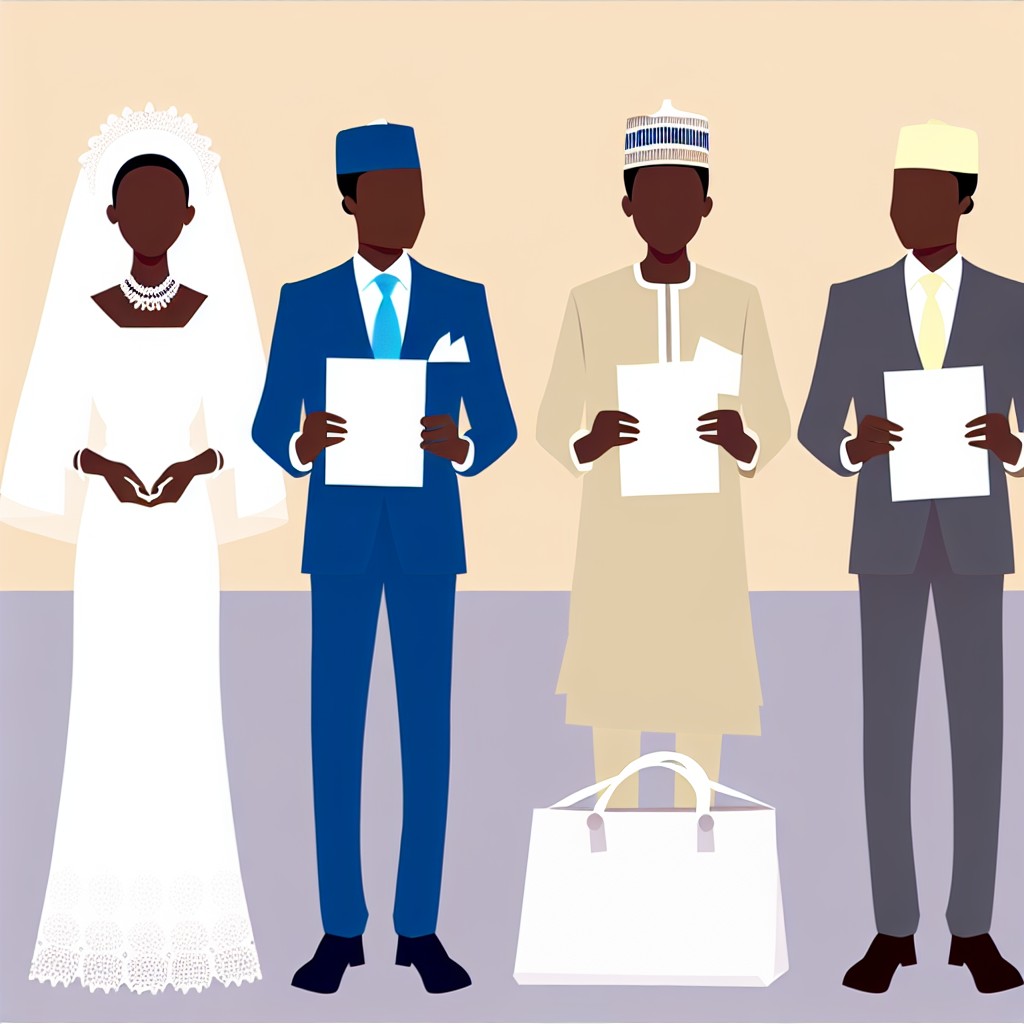
How Regional and Ethnic Differences Influence Color Choices in Bridal Attire
Ethnic Diversity and Its Role in Color Symbolism
Nigeria’s rich ethnic diversity shapes bridal color choices uniquely.
Each ethnic group brings its own cultural meanings to colors.
These colors express traditions, beliefs, and social status during weddings.
For example, the Yoruba, Igbo, and Hausa have distinct bridal color preferences.
Consequently, understanding ethnic symbolism helps explain varied bridal colors.
Yoruba Bridal Colors and Their Meanings
The Yoruba people favor bright and vibrant colors for weddings.
Red signifies passion, vitality, and celebration in Yoruba bridal wear.
Additionally, gold symbolizes wealth, royalty, and spiritual blessings.
Thus, brides often wear reds, golds, and oranges to honor these values.
Moreover, traditional fabrics like Aso-Oke enhance these color choices beautifully.
Igbo Wedding Colors and Significance
The Igbo community prefers colors that highlight purity and prosperity.
White commonly represents purity and new beginnings for Igbo brides.
Green symbolizes fertility, growth, and vitality in their ceremonies.
Therefore, bridal outfits often combine white and green tones elegantly.
Furthermore, coral beads are significant and complement these colors perfectly.
Hausa Bridal Colors and Themes
Hausa brides embrace colors linked to tradition and modesty.
Blue reflects peace, loyalty, and protection in Hausa bridal attire.
Deep maroon or purple conveys dignity, honor, and wealth.
Hence, these colors are carefully selected to represent cultural ideals.
In addition, rich embroidery and elaborate headpieces complete the look.
Regional Variations Within Ethnic Groups
Regional climate and history also influence bridal color preferences.
For instance, southern regions often use lighter, brighter shades.
Northern areas prefer deeper, earthy tones reflecting local aesthetics.
Thus, brides adapt their attire based on both ethnicity and geography.
This blending ensures respect for both cultural roots and local preferences.
Influence of Modern Trends and Urbanization
Contemporary brides mix traditional colors with modern fashion trends.
Urban Nigerian weddings showcase a fusion of ethnic symbolism and style.
Designers like Adaora Eze integrate cultural colors with modern cuts.
This approach honors heritage while appealing to present-day tastes.
Consequently, bridal wear evolves without losing ethnic vibrancy altogether.
Common Colors Across Multiple Ethnic Groups
- Red symbolizes love, joy, and celebration across many groups.
- Gold often represents wealth, prosperity, and spiritual blessings.
- White conveys purity, peace, and new beginnings in various traditions.
- Green reflects fertility and life in several ethnic bridal ceremonies.
Impact of Modern Fashion Trends on Traditional Color Symbolism in Nigerian Weddings
Shift in Color Preferences
Modern Nigerian brides increasingly experiment with colors beyond traditional palettes.
They incorporate pastel shades and metallic hues in their bridal wear.
Consequently, this trend challenges the longstanding meanings tied to specific colors.
For example, white and blush pink often replace red and gold in many ceremonies.
Designers like Amara Onwude have popularized contemporary colors while respecting cultural roots.
Fusion of Western and Indigenous Styles
Nigerian bridal fashion embraces a blend of Western designs and indigenous fabrics.
This fusion influences color choices by integrating more global fashion trends.
Brides combine traditional attire with modern silhouettes to create unique looks.
Moreover, this blending introduces a broader spectrum of symbolic interpretations.
Tailors such as Chidi Okeke adapt traditional dyes to contemporary patterns smoothly.
Preservation of Symbolism Amid Change
Despite trends, many brides still honor color symbolism through subtle details.
For instance, beads, head ties, and embroidery often display traditional hues.
These elements maintain cultural stories and family heritage visibly.
Stylists like Ifeoma Nwosu emphasize preserving symbolism alongside innovation.
Thus, modern fashion does not completely erase traditional meanings but evolves them.
Role of Social Media and Influencers
Social media platforms amplify emerging bridal fashion trends across Nigeria.
Influencers showcase bold color blends that inspire brides nationwide.
Consequently, younger generations feel empowered to redefine wedding aesthetics.
Platforms like Instagram highlight designers such as Emeka Azikiwe for trendsetting styles.
This exposure also raises awareness about the cultural significance behind colors.
Popular Modern Color Combinations in Nigerian Weddings
- Blush pink paired with gold accents
- Soft lavender combined with traditional coral beads
- Ivory with detailed green embroidery
- Metallic silver matched with deep blue fabrics
- Peach tones harmonizing with classic red gele
Connection Between Fabric Patterns and Color Symbolism in Bridal Wear
Importance of Fabric Patterns in Nigerian Bridal Attire
Fabric patterns play a vital role in Nigerian bridal wear.
They represent cultural heritage and personal identity.
Designers like Chiamaka Obi incorporate traditional motifs in their creations.
Moreover, patterns often reflect regional origins and social status.
Brides use these patterns to express their unique story on their wedding day.
Symbolism Behind Colors in Bridal Fabrics
Colors in Nigerian bridal wear carry deep cultural meanings.
Red, for example, symbolizes vitality and passion.
Meanwhile, white represents purity and new beginnings.
Gold conveys wealth, royalty, and prosperity.
These colors are deliberately chosen to communicate the bride’s values.
Relationship Between Patterns and Color Choices
Fabric patterns and colors complement each other in bridal wear.
Patterns highlight the meaning of colors, enhancing their impact.
For instance, intricate blue patterns symbolize peace and love.
Similarly, green patterns represent fertility and growth.
Designers skillfully blend patterns and colors to create meaningful ensembles.
Cultural Significance Conveyed Through Designs
Traditional weavers like Ifeoma Nnadi preserve time-honored techniques.
These techniques add authenticity to bridal fabrics.
Patterns often tell stories of family lineage or historical events.
Colors combined with these designs reinforce important cultural beliefs.
Hence, bridal attire becomes a rich tapestry of symbolism and beauty.
Popular Fabrics and Their Visual Language
Common bridal fabrics include Aso-Oke, Ankara, and Adire.
Aso-Oke often showcases bold geometric patterns.
Ankara features vibrant florals and abstract shapes.
Adire uses resist-dye methods for unique, handcrafted patterns.
Each fabric type enhances color symbolism through its distinctive texture and design.
Enduring Cultural Relevance of Color in Nigerian Bridal Ceremonies
Symbolism That Transcends Time
Color plays an essential role in Nigerian bridal ceremonies.
It symbolizes identity and tradition.
It communicates values such as prosperity.
It also represents fertility.
Furthermore, it shows unity across generations.
These vibrant hues reinforce the connection between the bride and her cultural heritage.
Families and communities honor their history by preserving color symbolism in wedding attire.
The choice of colors remains a meaningful expression of cultural pride.
Continuity Amidst Modern Influences
Nigerian bridal wear continuously adapts while maintaining traditional color significance.
Designers like Amaka Obi and Chinedu Eze skillfully blend contemporary fashion with cultural colors.
This fusion allows brides to express personal style without losing ancestral symbolism.
Consequently, color keeps its cultural relevance despite changing fashion trends.
It becomes a visual narrative connecting past, present, and future generations.
Community and Identity Reinforced Through Color
Colors in bridal wear foster a sense of belonging within Nigerian ethnic groups.
For example, the Yoruba favor deep indigo.
The Igbo prefer rich red tones.
This diversity highlights vibrant cultural identities within the nation.
Wedding celebrations serve as opportunities to showcase communal heritage.
Thus, color remains indispensable in uniting families and communities during ceremonies.
Ongoing Cultural Education and Celebration
Wedding colors educate younger generations about Nigerian customs and beliefs.
Families intentionally pass down color traditions to preserve cultural continuity.
In addition, public celebrations and festivals highlight the significance of these colors.
Such practices encourage respect for cultural diversity and heritage among youth.
Ultimately, color sustains Nigeria’s rich bridal traditions well into the future.
Additional Resources
An Edo bride traditional wedding attire. West Africa Nigeria The red …


