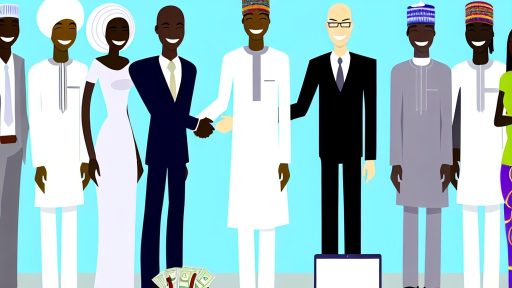




Introduction to Nigerian Folklore and Its Cultural Significance
Role of Folklore in Nigerian Society
Nigerian folklore plays a vital role in preserving cultural heritage.
It conveys moral lessons and social values through stories and proverbs.
Moreover, folklore strengthens community bonds by sharing common traditions.
Stories passed down orally connect generations and foster identity.
Consequently, these tales influence behavior and worldview in many communities.
Forms and Themes of Nigerian Folklore
Folklore in Nigeria includes myths, legends, fables, and oral histories.
Each ethnic group adds unique elements, enriching the national culture.
Common themes involve human relationships, spirituality, and nature.
Furthermore, animals often symbolize traits such as wisdom or cunning in stories.
These forms serve as both entertainment and educational tools.
Significance of Folklore in Shaping Cultural Norms
Folklore upholds societal norms by illustrating consequences of good and bad actions.
It offers guidance on acceptable conduct, including roles within families.
Additionally, folklore supports the transmission of indigenous knowledge and customs.
For example, many Nigerian folktales explain the origins of cultural practices.
Thus, folklore remains a powerful medium shaping collective cultural consciousness.
Common Marriage Themes and Motifs in Nigerian Folktales
Respect for Family and Community
Nigerian folktales often emphasize respect for family and community in marriage.
They portray marriage as a union that strengthens family bonds and social ties.
Characters seek approval from elders before proceeding with marriage plans.
Consequently, family consent plays a crucial role in many stories.
This respect promotes harmony and mutual support within communities.
Love and Loyalty as Foundations
Love and loyalty appear as central themes in numerous folktales.
Characters demonstrate unwavering commitment despite challenges and temptations.
For instance, tales often highlight lovers overcoming obstacles to be together.
Therefore, loyalty signifies deep trust and long-lasting relationships.
These motifs teach the importance of faithfulness in marriage.
Marriage as a Journey and Transformation
Marriage frequently symbolizes a new section or personal transformation in folktales.
Brides and grooms grow through trials that test their character and values.
These stories link marriage with maturity, responsibility, and self-discovery.
As a result, marriage marks a pivotal life event full of hope and change.
Folktales depict this transition to prepare listeners for similar experiences.
Role of Gender and Duties
Folktales often define distinct roles and duties for husbands and wives.
Men are portrayed as providers and protectors, while women manage the home.
These stories reflect traditional expectations and social structures in Nigeria.
However, some tales also celebrate women’s wisdom and agency.
Consequently, marriage is viewed as a partnership balanced by complementary roles.
Use of Symbolism and Magical Elements
Symbolism and magic frequently appear to convey marriage themes vividly.
Objects like beads, kola nuts, and animals symbolize love, fertility, and unity.
Magical events test the couple’s virtues or predict their future together.
Thus, these motifs add depth and moral lessons to marriage narratives.
Folktales use such elements to engage audiences while teaching cultural values.
Consequences of Betrayal and Dishonesty
Betrayal and dishonesty lead to consequences in many Nigerian marriage stories.
Folktales warn that deceit damages trust and causes suffering for families.
Characters who betray partners often face social rejection or personal loss.
Therefore, truthfulness and integrity are upheld as vital virtues in marriage.
These stories reinforce ethical behavior and respect between spouses.
Celebration of Marriage Ceremonies
Marriage ceremonies feature prominently, highlighting cultural heritage and joy.
Folktales describe elaborate rituals, dancing, and gift exchanges during weddings.
These festivities honor ancestral traditions and community involvement.
Furthermore, they symbolize the beginning of a blessed and prosperous union.
Stories encourage respect and appreciation for these important cultural events.
Examples of Popular Folktales Featuring Marriage
- The Tale of Amina and Obi, which showcases loyalty and courage in love.
- The story of Ngozi’s test, illustrating respect for family approval in marriage.
- How Efe’s magical bride teaches patience and transformation through trials.
- The legend of Chinedu’s honesty, warning against deceit and betrayal.
Role of Elders and Ancestral Wisdom in Marriage Narratives
Significance of Elders in Nigerian Communities
Elders hold respected positions within Nigerian families and communities.
They represent a link between past traditions and present practices.
Furthermore, elders act as custodians of cultural values and customs.
They ensure marriage traditions are preserved and passed down accurately.
Moreover, their advice guides young couples toward harmonious relationships.
Transmission of Ancestral Wisdom through Folklore
Folklore serves as a vital tool for conveying ancestral knowledge.
Stories narrated by elders embed lessons about marriage roles and responsibilities.
Consequently, younger generations learn values such as respect, loyalty, and commitment.
These narratives often highlight the importance of family unity and social cohesion.
Additionally, proverbs within folklore emphasize the significance of patience in marriage.
Practical Influence on Marriage Customs
Elders actively participate in traditional marriage ceremonies and decision-making.
They mediate disputes and advise on resolving marital challenges.
Through their wisdom, elders uphold the sanctity and seriousness of marital bonds.
Also, their involvement reinforces community support around newlyweds.
They remind couples of the ancestral examples that paved the way for lasting unions.
Values Emphasized by Elders in Marriage Stories
- Mutual respect and understanding between spouses
- Endurance and resilience through hardships
- Fidelity and trust as foundations for love
- Importance of extended family harmony
- Honoring commitments to community and tradition
Such values continue to shape how marriage is perceived and practiced today.
Learn More: The Impact of Language on Nigerian Wedding Traditions
Influence of Folklore on Traditional Marriage Customs and Rites
Role of Stories in Shaping Marriage Values
Nigerian folklore conveys important lessons about marriage and family life.
It emphasizes respect, loyalty, and the importance of harmony between couples.
Traditional tales often illustrate consequences of betrayal and dishonesty in marriage.
Moreover, these stories highlight virtues such as patience and mutual support.
Thus, they influence how communities perceive and approach marriage customs.
Folklore and Marriage Rites
Folklore shapes many traditional marriage ceremonies across Nigeria’s ethnic groups.
For instance, the Yoruba people incorporate proverbs and oral poetry in engagement ceremonies.
These elements serve to bless the couple and connect them to ancestral wisdom.
Similarly, Igbo marriage rites use storytelling to explain the significance of bride price and family unity.
This representation reinforces social bonds and mutual responsibilities.
Symbolic Practices Derived from Folklore
Several symbolic acts in marriage rites have roots in folk beliefs and myths.
For example, the use of kolanut signifies hospitality, respect, and spiritual blessing.
Also, the Yoruba tradition of wine tasting during the engagement symbolizes acceptance and consent.
These practices originate from ancient tales that stress agreement and harmony.
Consequently, they remain integral in traditional marriage ceremonies today.
Community Involvement and Folklore
Folklore encourages communal participation during marriage rites.
Stories told by elders educate younger generations about marriage roles and expectations.
This collective storytelling fosters community bonding and tradition preservation.
Additionally, it ensures that marriage customs continue to reflect cultural values.
Find Out More: The Role of Elders in Strengthening Nigerian Marriage Bonds
Portrayal of Gender Roles and Expectations through Folklore
Representation of Masculinity in Nigerian Folktales
Nigerian folklore often portrays men as strong protectors and providers.
Heroes like Amadi exemplify bravery and leadership within their communities.
Consequently, these stories reinforce the idea that men must be courageous and decisive.
Moreover, men are shown as the heads of households, responsible for family welfare.
Thus, folklore supports traditional masculine roles in society and marriage.
Depiction of Femininity and Women’s Roles
Women in Nigerian folktales are frequently depicted as nurturing and wise figures.
Characters such as Ngozi demonstrate patience, loyalty, and domestic skill.
In addition, stories highlight women’s roles in maintaining harmony within the family.
As a result, these narratives emphasize women’s responsibilities in caregiving and support.
Therefore, folklore encourages expectations of women as devoted wives and mothers.
Gender Dynamics and Marital Expectations
Folklore reveals a complementary relationship between men and women in marriage.
Men are expected to provide and protect, while women manage the household.
This division reflects cultural beliefs about appropriate duties for each gender.
Furthermore, respect and obedience from wives to husbands are common themes.
Similarly, husbands are portrayed as decision-makers within the marriage.
Influence on Contemporary Views of Marital Roles
Folk stories continue to shape how many Nigerians view marital roles today.
Young couples often learn expectations about gender through these timeless tales.
Consequently, they influence attitudes toward power, responsibility, and respect in marriage.
However, some modern narratives challenge traditional roles by presenting alternative perspectives.
Nevertheless, the lasting impact of folklore remains significant in shaping gender perceptions.
Find Out More: How Cultural Festivals Inspire Nigerian Weddings
Moral Lessons from Folktales That Guide Marital Behavior
The Value of Trust and Honesty
Nigerian folktales emphasize trust as the foundation of a strong marriage.
The story of Ifeoma and Chukwudi teaches that honesty fosters lasting bonds.
Many tales reveal the consequences of deceit within relationships.
Couples learn to prioritize openness and truthfulness in their unions.
Respecting Roles and Responsibilities
Folktales often highlight the importance of understanding each partner’s duties.
They show how mutual respect for roles maintains harmony at home.
The tale of Adanna and Emeka illustrates how fulfilling responsibilities sustains love.
These stories encourage couples to support one another’s efforts equally.
Patience as a Pillar of Marriage
Nigerian folklore frequently presents patience as essential for overcoming marital challenges.
In the story of Amina and Kunle, endurance helps the couple navigate hardships together.
Patience is taught as a vital virtue in maintaining peace.
Couples are encouraged to handle disagreements calmly and thoughtfully.
The Importance of Communication
Many folktales demonstrate how clear communication resolves conflicts in marriage.
The narrative of Zainab and Ibrahim reveals how dialogue strengthens emotional bonds.
These stories promote expressing feelings honestly to avoid misunderstandings.
Couples are guided to listen attentively and speak kindly to each other.
Lessons on Loyalty and Commitment
Loyalty often appears as a central theme in Nigerian marital folktales.
The story of Chika and Ngozi underscores staying faithful despite temptations.
Such tales teach that commitment builds trust and security in marriage.
Spouses are reminded to uphold their promises and honor their vows.
Shared Growth and Cooperation
Folktales frequently portray marriage as a partnership that requires cooperation.
The story of Efe and Dalila shows how sharing goals nurtures joint success.
Couples learn to work together toward common dreams.
Mutual support enables them to overcome obstacles more easily.
Examples of Cautionary Tales
Cautionary tales warn against selfishness and pride that disrupt marriages.
The folktale of Obinna and Ife warns about the dangers of arrogance.
Selfish actions often lead to heartbreak and separation in these stories.
Humility and selflessness are promoted to maintain marital unity.
Key Moral Teachings for Marital Harmony
- Trust and honesty create a solid marital foundation.
- Respect for roles nurtures harmony and balance.
- Patience helps couples endure tough times together.
- Open communication resolves conflicts effectively.
- Loyalty strengthens commitment and faithfulness.
- Cooperation encourages shared growth and success.
- Humility prevents pride and selfishness from harming marriages.
Discover More: Marriage as a Unifying Force Among Nigerian Ethnic Groups

Folklore’s Impact on Contemporary Attitudes Toward Marriage
Preservation of Cultural Values
Nigerian folklore preserves essential cultural values related to marriage.
It emphasizes respect, loyalty, and family unity as core principles.
Consequently, many Nigerians view marriage through a traditional cultural lens.
This perspective encourages individuals to honor their ancestors’ marital customs.
Moreover, folklore stories often illustrate the importance of mutual support between spouses.
Influence on Gender Roles
Folklore shapes how society views gender roles in a marriage.
Typically, stories depict men as providers and women as caretakers.
Therefore, some contemporary attitudes still favor traditional gender expectations.
However, these narratives also highlight the strength and wisdom of women.
Thus, folklore adds complexity to how gender roles are perceived today.
Marriage as a Social Contract
Folklore reinforces marriage as a binding social contract, not just personal choice.
It stresses the role of families and communities in arranging and supporting marriages.
As a result, collective responsibility remains a key aspect of marriage in Nigeria.
Folktales often portray marriage as essential for social harmony and continuity.
Therefore, individuals often consider family approval vital when entering marriage.
Lessons from Traditional Stories
Traditional Nigerian tales offer lessons on conflict resolution and marital patience.
Characters in folklore demonstrate how to overcome challenges together.
These stories encourage couples to communicate openly and persist through difficulties.
Additionally, folklore often showcases consequences of neglecting marital duties.
Thus, it serves as a moral guide promoting successful and respectful marriages.
Effects of Folklore on Modern Relationship Expectations
Folklore continues to influence expectations about love and commitment today.
It stresses the value of loyalty and lifelong partnership in marriage.
Consequently, many people approach marriage with seriousness and long-term intent.
Still, modern influences sometimes blend with traditional views to shape new attitudes.
Ultimately, folklore remains a powerful force in shaping how Nigerians perceive marriage.
Comparison of Regional Variations in Marriage-Related Folklore
Marriage Folklore Among the Yoruba People
The Yoruba people hold marriage as a vital social institution.
They often tell stories emphasizing family harmony and respect.
Moreover, Yoruba folklore highlights the importance of bride price and consent.
For example, the tale of Akin and Ifeoluwa stresses mutual understanding in marriage.
This narrative teaches that love grows through patience and communication.
Additionally, proverbs reinforce the value of commitment and loyalty.
Therefore, Yoruba marriage stories foster community cohesion and marital stability.
Marriage Folklore Among the Igbo People
The Igbo culture showcases different themes in their marriage folklore.
They focus on wealth, bride wealth negotiations, and family alliances.
Consequently, many stories reflect the economic and social aspects of marriage.
The tale of Nnamdi and Chinyere highlights negotiation skills during marriage arrangements.
Furthermore, it teaches respect for elders and the importance of tradition.
Igbo proverbs frequently celebrate perseverance and partnership in marriage.
Thus, these stories shape perceptions of marriage as a strategic and communal bond.
Marriage Folklore Among the Hausa People
The Hausa people incorporate Islamic values in their marriage folklore.
The tales often emphasize religious duties and moral conduct within marriage.
For instance, the story of Musa and Aisha teaches patience and faithfulness.
It also stresses that marriage is a sacred covenant before God.
Moreover, Hausa narratives highlight the role of extended family support.
Proverbs encourage mutual respect, kindness, and generosity between spouses.
These teachings impact how marriage is viewed as both spiritual and social union.
Shared Themes and Unique Characteristics in Regional Folklore
Despite regional differences, several themes connect these folkloric traditions.
Respect for elders, family involvement, and mutual responsibility appear everywhere.
However, economic focus varies, with the Igbo placing the most emphasis on wealth.
Religious undertones dominate Hausa folklore more than Yoruba tales.
Furthermore, Yoruba stories often center on emotional bonds and reconciliation.
These variations reflect diverse historical, cultural, and religious influences.
Therefore, regional folklore collectively shapes Nigeria's rich perception of marriage.
Folklore as a Tool for Conflict Resolution Within Marriages
Role of Storytelling in Addressing Marital Issues
Nigerian folklore uses storytelling to convey important lessons about marriage.
These stories often feature relatable characters facing common marital challenges.
Through tales, couples learn about patience, forgiveness, and understanding each other.
For example, the story of Ifeanyi and Amina teaches compromise and cooperation.
Moreover, elders use these folktales to guide couples during disputes.
Thus, storytelling becomes a non-confrontational way to introduce solutions.
Symbolism and Morals Encouraging Reconciliation
Folklore employs symbolism that resonates deeply with couples.
Animals like the tortoise represent wisdom and careful thinking during conflicts.
Likewise, the tortoise’s tales teach reflection before reacting angrily.
Such symbolic stories emphasize seeking peaceful resolutions.
They also remind spouses to value harmony over pride or stubbornness.
Consequently, couples internalize morals that foster reconciliation.
Community Involvement and Mediation Inspired by Folklore
Nigerian folklore highlights the importance of community elders in resolving disputes.
These stories show how wise elders mediate marital conflicts respectfully.
Communities often use these narratives to legitimize elder involvement.
Therefore, couples feel encouraged to seek advice from trusted family members.
Additionally, communal gatherings inspired by folklore provide a safe space to discuss issues.
This involvement promotes accountability and mutual respect in relationships.
Practical Lessons Derived from Folklore
Folklore teaches specific practices for managing disagreements effectively.
For instance, delaying anger and discussing problems calmly is a recurring theme.
Couples learn to listen actively before responding to accusations.
Many folktales advise balancing individual needs with shared goals.
Families like the Adeyemis encourage seeking harmony through empathy.
These lessons continue to shape positive marital behaviors today.
Effective Conflict Resolution Techniques Illustrated by Folklore
- Use storytelling to convey relatable marital lessons
- Employ symbolic characters to teach wisdom and patience
- Encourage mediation by respected community elders
- Promote calm and respectful communication between spouses
- Foster empathy and compromise for lasting harmony
The Preservation and Transmission of Marriage Values via Storytelling
The Role of Storytelling in Nigerian Communities
Storytelling plays a vital role in Nigerian communities.
It serves as a primary means to pass down cultural values about marriage.
Older generations narrate tales that highlight virtues like loyalty and respect.
Furthermore, storytelling creates a shared experience that unites families and villages.
This tradition helps preserve rich cultural heritage across generations.
Marriage Lessons Imparted Through Folklore
Nigerian folklore conveys important marriage lessons to listeners of all ages.
Stories often illustrate the consequences of both wise and poor marital choices.
They emphasize communication, patience, and mutual support between partners.
Moreover, these narratives reflect societal expectations and roles within marriage.
Through vivid characters and situations, storytellers teach desirable behaviors.
Methods of Storytelling and Their Impact
Storytelling takes many forms, including oral tales, songs, and proverbs.
Each method reinforces marriage values uniquely and memorably.
Oral stories capture attention with compelling plots and moral lessons.
Proverbs succinctly express essential truths about partnership and commitment.
Additionally, music integrates emotions that deepen understanding and retention.
Storytellers as Cultural Custodians
Storytellers hold respected positions as guardians of tradition.
They carefully select and adapt stories to reflect changing societal contexts.
Through their craft, they encourage reflection on marriage’s role and significance.
They inspire younger generations to value and uphold familial bonds.
Thus, storytellers ensure the continuity of marriage ideals within Nigerian culture.
Additional Resources
The Impact of Mental Health Education on Nigerian Immigrants in …