



Introduction to Nigerian Wedding Customs and Their Cultural Significance
Nigerian weddings showcase rich cultural traditions that vary across ethnic groups.
Each custom reflects unique values and social meanings deeply rooted in history.
Moreover, these practices strengthen family bonds and communal relationships during celebrations.
Wedding customs often symbolize respect, unity, and prosperity within Nigerian societies.
For instance, rituals like the bride price and traditional attire carry deep cultural significance.
Additionally, these customs pass down heritage from one generation to the next.
They also highlight the diversity and vibrancy of Nigeria’s cultural landscape.
Understanding these traditions helps appreciate the importance of marriage in Nigerian life.
Therefore, exploring forgotten wedding customs reveals lesser-known but meaningful practices.
In turn, this exploration enriches knowledge about Nigeria’s social and cultural identity.
Overview of the Concept of Bride Price and Its Traditional Meaning
Definition and Cultural Importance
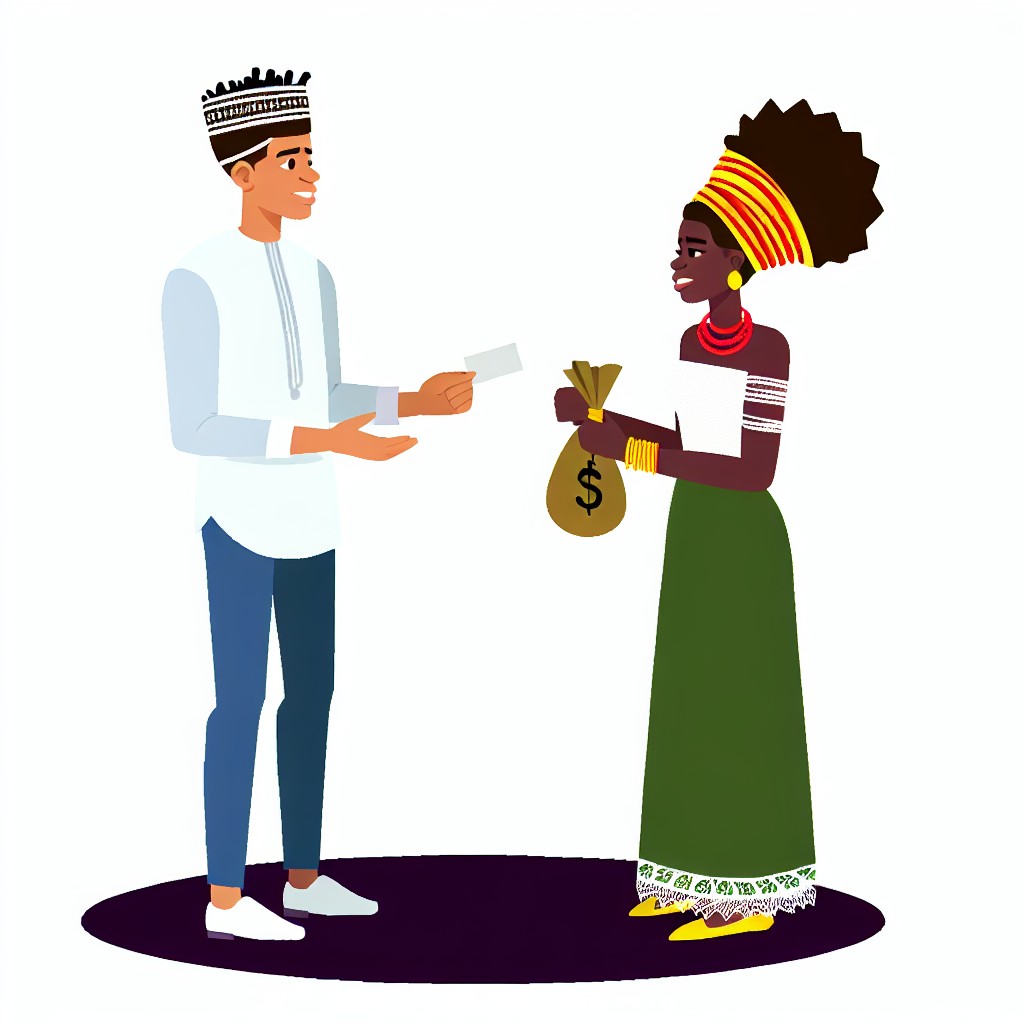
Bride price is a traditional payment made by the groom’s family to the bride’s family.
It symbolizes appreciation and respect for the bride’s family’s role in raising her.
Moreover, bride price marks the formal union between two families in Nigerian culture.
This custom varies significantly among Nigeria’s many ethnic groups and communities.
Therefore, its specific practices and values reflect diverse cultural identities across the country.
Symbolism Behind the Bride Price
The bride price represents a gesture of goodwill and commitment from the groom’s family.
Traditionally, it affirms the bride’s transition into her new family permanently.
It also serves to strengthen ties and social bonds between extended families.
Furthermore, the payment acknowledges the family’s investment in the bride’s upbringing and dignity.
As a result, it holds deep emotional and social significance in many Nigerian communities.
Forms and Components of Bride Price
Bride price usually includes money, livestock, or valuable items depending on tradition.
Sometimes it involves symbolic gifts such as kola nuts, drinks, or fabric.
Communities may require varying amounts or types of gifts to fulfill this custom.
In addition, negotiations often occur between families to agree on a fair bride price.
This process emphasizes dialogue, respect, and mutual understanding among families.
Modern Perspectives and Continuity
Today, views on bride price have evolved but still remain important culturally.
Some Nigerians question its financial burden while others value its heritage and symbolism.
Regardless, many families continue to uphold this tradition joyfully and respectfully.
Additionally, bride price ceremonies often incorporate celebrations reflecting cultural pride and unity.
Hence, bride price remains a central pillar in the tradition of Nigerian weddings.
The Symbolic Role of Traditional Attire in Nigerian Weddings
Significance of Traditional Attire
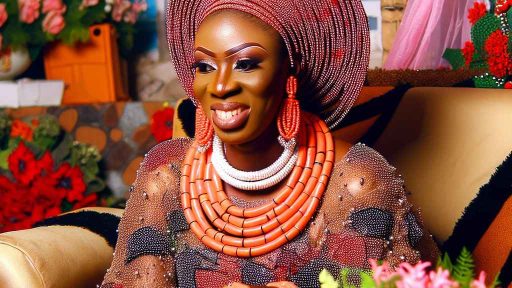
Traditional attire plays a vital role in Nigerian weddings.
It goes beyond fashion to represent cultural identity and heritage.
Moreover, clothing reflects social status and family backgrounds.
Certain fabrics and colors hold symbolic meanings in different ethnic groups.
For example, the Igbo often wear Isiagu to showcase prestige and unity.
Similarly, the Yoruba commonly select Aso Oke fabric for celebratory purposes.
Therefore, attire connects the couple to their ancestors and traditions.
Distinctive Clothing Styles Across Regions
Nigeria's ethnic diversity creates a variety of wedding attires.
The Hausa bride traditionally wears a richly embroidered wrapper and veil called Zani.
On the other hand, the Tiv people favor the Anger wrapper symbolizing fertility and harmony.
Transitioning, the Efik and Ibibio brides favor colorful lace fabrics adorned with coral beads.
Such differences emphasize each culture's unique aesthetics and values.
Symbolic Accessories and Their Meanings
Accessories complement traditional wedding attire with deep symbolism.
Coral beads represent royalty, beauty, and spiritual protection in many Nigerian groups.
Additionally, cowrie shells can symbolize wealth and fertility.
Groom and bride often wear matching beads to signify unity.
Furthermore, head ties, called gele among the Yoruba, express femininity and elegance.
These adornments enhance the celebratory spirit and convey important cultural messages.
The Communal Aspect of Attire Preparation
Preparing wedding attire involves the entire family and community.
Tailors and artisans like Musa Abdulkadir craft intricate designs with care.
Friends and relatives assist in sewing or beading the clothing.
This collaboration reflects collective support for the marriage union.
Consequently, attire embodies not only individual identity but community bonds.
Modern Influences and Preservation of Tradition
Modern Nigerian couples blend contemporary styles with traditional elements.
Designers such as Emeka Ajayi innovatively incorporate classic fabrics into modern cuts.
These fashions maintain cultural relevance while appealing to younger generations.
Nevertheless, couples strive to preserve symbolic meanings behind their wedding attire.
In this way, tradition continues to thrive in evolving Nigerian society.
Uncover the Details: The Role of Elders in Nigerian Wedding Ceremonies
The Practice of ‘Money Spraying’ and Its Cultural Implications
Overview of Money Spraying
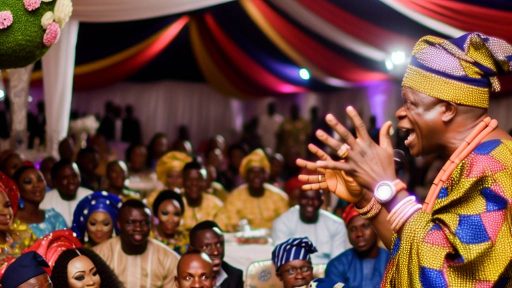
Money spraying is a vibrant tradition observed at Nigerian weddings.
It involves guests showering the bride and groom with money during celebrations.
Typically, guests throw currency notes on the couple as they dance.
This action symbolizes good wishes and blessings for the newlyweds.
Moreover, it creates an atmosphere of joy and communal support.
Cultural Significance Behind the Tradition
Money spraying expresses respect and admiration for the bride and groom.
It also signifies wealth, prosperity, and a successful marriage.
Furthermore, the practice reflects a communal sharing of happiness among families.
Often, it helps the couple start their new life with financial support.
In many Nigerian communities, money spraying represents generosity and goodwill.
Variations and Regional Practices
The style of money spraying varies across Nigeria’s ethnic groups.
For example, the Yoruba people integrate drumming and dancing during spraying.
The Igbo may combine spraying with traditional songs and blessing prayers.
In addition, the Hausa include money spraying during the bride’s entrance.
These variations highlight diverse cultural expressions while sharing one core meaning.
Modern Adaptations and Social Perspectives
Today, money spraying remains popular but adapts to contemporary weddings.
Some couples limit spraying to designated dance floors or moments.
Others use decorative money alternatives to avoid damage or waste.
Socially, spraying often strengthens bonds among family and friends.
However, some critique the practice for encouraging excessive spending.
Nevertheless, it endures as an iconic symbol of Nigerian wedding celebrations.
Gain More Insights: Exploring Pre-Wedding Ceremonies in Nigerian Culture
The Significance of the Palm Wine Carrying Ceremony
Cultural Symbolism of Palm Wine
The palm wine carrying ceremony holds deep cultural meaning in many Nigerian weddings.
It symbolizes the sweetness and joy expected in the couple’s married life.
Moreover, it signifies unity between two families and communities.
Traditionally, palm wine represents hospitality and respect in numerous Nigerian cultures.
Therefore, it plays a vital role in wedding celebrations as a gesture of goodwill.
Role in the Wedding Ceremony
During the ceremony, a close relative typically carries the palm wine to the bride’s family.
This act formally introduces the groom’s family and expresses his intention to marry.
Furthermore, the portability of palm wine allows it to be shared among family members and guests.
The exchange of palm wine also serves as a ritual blessing for the couple’s future.
Thus, it bridges both families and confirms acceptance of the union.
Traditional Practices and Variations
The palm wine carrying ceremony varies among ethnic groups across Nigeria.
For example, among the Igbo, a decorated calabash or bottle is commonly used to carry the wine.
Alternatively, the Yoruba often accompany the palm wine with traditional songs and drumming.
Despite variations, the essence of the ceremony remains the same—to celebrate love and commitment.
Additionally, elders often bless the palm wine before it is served to the couple.
Modern Relevance and Adaptations
Although some aspects have evolved, the ceremony retains its importance today.
Couples like Adaeze and Chinedu still include it in their traditional wedding festivities.
Event planners such as Olujimi Celebrations incorporate the palm wine carrying to honor heritage.
This blend of tradition and modernity enhances cultural continuity in Nigerian weddings.
Ultimately, the ceremony continues to spread joy and connection among families and guests alike.
Learn More: The Role of Bride Price in Nigerian Traditional Weddings
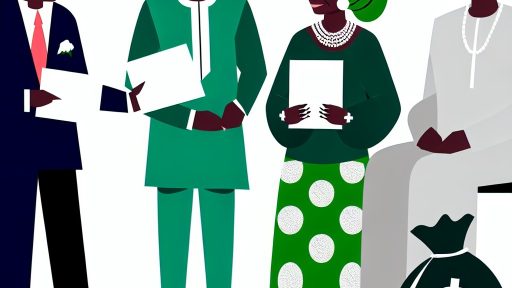
The Role of Elders and Family in the Negotiation and Blessing Process
Respect and Authority of Elders
Elders hold a revered position in Nigerian communities.
They lead critical discussions during wedding negotiations.
Additionally, their wisdom guides families toward mutual understanding.
Therefore, their presence commands respect from all parties.
Without elders, the negotiation process lacks cultural legitimacy.
Family Involvement in Negotiations
Both bride’s and groom’s families actively participate in talks.
They discuss dowry, gifts, and marriage terms carefully.
Importantly, family input ensures agreements honor tradition and fairness.
Consequently, families build lasting relationships through these discussions.
Families also reconcile differences to maintain community harmony.
Symbolism in Blessing Ceremonies
Blessing rituals mark the formal acceptance of the union.
Elders perform prayers and rituals to invoke ancestral favor.
These acts symbolize approval and spiritual protection for the couple.
Moreover, blessings strengthen communal bonds and shared values.
Thus, the couple receives support from their entire family network.
Key Participants in the Process
Village chiefs and titled men often join elders in negotiations.
Senior women also play vital roles in blessing ceremonies.
Close relatives, such as uncles and aunts, act as mediators and advisors.
Community leaders sometimes witness agreements to ensure transparency.
This group collectively upholds the integrity of marriage arrangements.
Maintaining Tradition Through Dialogue
Families exchange stories of ancestors’ marriage customs during talks.
They emphasize respect, commitment, and family unity in discussions.
This dialogue preserves cultural heritage across generations.
Furthermore, it fosters empathy between differing family backgrounds.
Hence, negotiation and blessing remain essential aspects of Nigerian weddings.
Learn More: Why Storytelling Plays a Key Role in Nigerian Traditional Weddings
Traditional Dance Rituals Unique to Various Nigerian Ethnic Groups
Yoruba Dance Celebrations
The Yoruba people perform the Bata drum dance during weddings.
This dance invokes ancestral blessings for the couple’s prosperity.
Moreover, the rhythmic beats symbolize unity and strength in marriage.
Dancers often wear colorful Aso Oke, reflecting cultural pride.
Yoruba families use the dance to welcome new members into the community.
Igbo Dance Traditions
The Igbo feature the Atilogwu dance in their wedding ceremonies.
This energetic dance showcases agility and youthful vitality.
It also expresses joy and approval of the marriage bond.
Traditional attire, including George wrappers, enhances the dancers’ movements vividly.
Furthermore, the dance represents the couple’s readiness to face life’s challenges together.
Hausa Dance Expressions
The Hausa people incorporate the Sharo festival-inspired dance at weddings.
Men exhibit bravery through performances involving symbolic whippings.
These dance displays emphasize endurance and courage in marriage.
Women complement the dance with graceful movements and melodic ululations.
Besides entertainment, the ritual builds respect and trust between families.
Efik and Ibibio Cultural Dances
Efik and Ibibio weddings highlight the Mmanwu masquerade dance.
This spiritual dance connects the living with ancestral spirits.
The masquerade’s colorful costumes symbolize protection and fertility blessings.
Community members eagerly anticipate the masquerade’s appearance during celebrations.
Importantly, the dance strengthens communal ties and honors tradition.
Nuances Across Other Ethnic Dance Forms
Across Nigeria, dance rituals typically involve coordinated group performances.
These dances often use drums, flutes, and other indigenous instruments.
Family elders lead dances that pass on cultural knowledge to youth.
Creative choreography conveys stories about love, loyalty, and heritage.
Ultimately, dance rituals affirm the societal importance of marriage in Nigerian cultures.
Meaning Behind Specific Food and Drink Served During the Wedding
Traditional Foods Symbolizing Prosperity and Unity
Food plays a vital role in Nigerian weddings as a symbol of blessing and abundance.
For example, pounded yam represents strength and the ability to provide for family.
It also signifies the couple’s readiness to face life’s challenges together.
Similarly, jollof rice, often served in vibrant colors, celebrates joy and communal harmony.
This dish brings family and friends together to share in the happiness of the union.
Additionally, dishes like egusi soup symbolize fertility and nourishment.
The rich flavors celebrate the hope for a thriving, fruitful marriage.
Drinks and Their Cultural Significance
Palm wine holds an honored place during Nigerian wedding ceremonies.
Its sweetness represents the pleasant life wished for the newlyweds.
Moreover, sharing palm wine signifies unity between families and communities.
In some traditions, kola nuts accompany palm wine to express hospitality and respect.
The kola nut ceremony also marks the formal acceptance of the bride into the groom’s family.
Soft drinks and traditional herbs are served to refresh guests and symbolize health.
Special Delicacies and Their Symbolism
Snail meat is often included to indicate the value of patience in marriage.
It reminds couples of the slow and steady growth needed for a strong bond.
Moi Moi, a steamed bean pudding, represents unity through its mixture of ingredients.
This delicacy shows how different strengths combine to create something wholesome.
Furthermore, suya, a spicy grilled meat, reflects the warmth and excitement of matrimonial life.
Serving these foods together conveys diverse blessings and deep cultural meanings.
Role of Food Presentation in Expressing Respect
Beautifully arranged dishes demonstrate respect for guests and solemnity of the occasion.
Elegant platters highlight the family’s pride and the importance of tradition.
The care in presentation also symbolizes the careful nurturing needed in marriage.
Family elders often partake first, showing their blessing and approval of the union.
This practice reinforces the sacredness of joining two families through food.
The Custom of Kola Nut Breaking and Its Importance in Marriage Rites
Symbolism of the Kola Nut
The kola nut symbolizes hospitality and respect in many Nigerian cultures.
It signifies the invitation of families to unite and build a lasting relationship.
Moreover, the kola nut represents purity and sincerity in intentions during marriage discussions.
Role of Kola Nut Breaking in Marriage Ceremonies
During traditional weddings, the elders break the kola nut to commence the event.
This act formally welcomes the bride’s family into the groom’s lineage.
It also serves as a spiritual blessing, invoking protection and prosperity for the couple.
Steps Involved in the Kola Nut Breaking Ceremony
The eldest member of the family usually begins the kola nut breaking ritual.
He carefully breaks the kola nut into pieces while offering prayers and blessings.
The broken nut pieces are shared among the participants to symbolize unity.
Importance of Respect and Etiquette
All guests show respect by handling the kola nut with clean hands.
Interruptions during the ceremony are avoided to maintain its sanctity.
Additionally, respectful words accompany the act to reflect seriousness and goodwill.
Modern Interpretations and Continuity
Many couples today continue the kola nut ceremony to honor ancestral traditions.
It bridges the gap between generations and reinforces cultural identity.
Therefore, kola nut breaking remains an essential and meaningful part of Nigerian weddings.
How Modern Influences Have Caused Some Customs to Be Forgotten or Altered
Impact of Urbanization on Traditional Practices
Urbanization has dramatically changed lifestyles across Nigeria.
Consequently, many couples now live far from their ancestral homes.
This distance makes it difficult to observe some traditional wedding customs.
Moreover, city life often limits access to extended family members.
Therefore, several rituals that require large family involvement are overlooked.
Influence of Western Culture and Media
Western culture has greatly shaped Nigerian wedding ceremonies.
Many couples prefer contemporary wedding styles seen in movies and social media.
As a result, customs like traditional attire and native dance are sometimes skipped.
Additionally, themes and formalities inspired by Western weddings often replace indigenous elements.
Thus, older customs gradually lose their prominence in modern celebrations.
Changing Economic Realities and Priorities
The rising cost of weddings influences decisions around customs.
Families prioritize expenses differently in today’s economy.
Consequently, some expensive traditional ceremonies get simplified or dropped altogether.
In particular, elaborate rites requiring costly gifts or hospitality are affected.
Hence, economic considerations push couples to adapt or abandon certain traditions.
Shift in Religious and Social Perspectives
Religious conversions impact how some customs are practiced.
Christianity and Islam introduce new marriage frameworks across communities.
Some traditional rites conflict with these religious beliefs and are thus omitted.
Furthermore, modern education encourages critical views of certain cultural practices.
This shift leads to questioning and modifying old customs to fit contemporary values.
Efforts to Preserve and Revive Forgotten Customs
Some cultural advocates strive to keep old wedding traditions alive.
They organize events showcasing native attire, dances, and ceremonies.
Local community leaders often promote understanding of ancestral customs.
Moreover, digital platforms help educate younger generations about their heritage.
With continued interest, many forgotten customs may find renewed appreciation.
Additional Resources
I have always felt that western wedding traditions sideline the …