




How Fabric Choices Express Cultural Identity and Traditional Symbolism
Fabric choices communicate cultural identity at weddings.
They convey meaning through color, pattern, texture, and motifs.
These selections reflect heritage, roles, and artisanal traditions.
Color and Pattern as Cultural Signals
Color choices convey cultural meanings at weddings.
Patterns carry symbolic associations across families and communities.
Moreover, colors coordinate roles between families and guests.
Texture and Weave Indicating Status and Formality
Texture and weave communicate formality levels during ceremonies.
Finer weaves often denote special occasions and elevated status.
Consequently, selected textures influence the overall wedding aesthetic.
Ceremonial Roles and Family Identity
Fabrics help identify participants and their roles at ceremonies.
Additionally, families may adopt consistent fabric elements for recognition.
Similarly, matching fabrics foster visible unity between groups.
Artisanship and Symbolic Motifs
Handcrafted details express cultural craftsmanship and heritage value.
Furthermore, motifs carry layered meanings tied to tradition and memory.
Therefore, stitches and embellishments serve as symbolic language during weddings.
Contemporary Expressions and Intergenerational Continuity
Modern couples blend traditional fabrics with current fashion sensibilities.
Thus, fabrics bridge generational preferences and evolving cultural identity.
Moreover, artisans and families maintain continuity through shared textile choices.
Key Functions of Fabric Choices
- Signal communal ties and familial alliances.
- Mark ceremonial roles and degrees of formality.
- Carry symbolic motifs and cultural narratives.
- Reflect craftsmanship and intergenerational continuity.
Fabric choices shape perception and meaning at weddings.
Selections resonate beyond aesthetics to express cultural identity.
Color, Pattern and Texture in Wedding Visual Themes
This topic describes how color, pattern, and texture shape wedding visuals.
Designers use these elements to create mood and cohesion.
The following sections explain color mood, pattern interest, and texture depth.
Color and Mood
Color establishes the overall mood of a wedding.
Planners therefore choose palettes to create intentional atmosphere.
Warm hues create energetic atmospheres.
Meanwhile, cool hues create calm atmospheres.
Additionally, color links different design elements across a venue.
Pattern and Visual Interest
Patterns draw the eye and establish focal points within spaces.
Moreover, patterns introduce rhythm and visual movement across decorations.
Similarly, scale and repetition influence how patterns read from a distance.
Consequently, designers balance bold and subtle patterns for cohesion.
- Scale influences visual dominance.
- Contrast determines clarity and emphasis.
- Placement guides viewer attention and flow.
Texture and Depth
Texture adds physical depth and sensory richness.
Moreover, textures change how light reflects and absorbs on surfaces.
For instance, matte fabrics reduce glare while shiny fabrics catch light.
Therefore, layering textures prevents a flat visual presentation.
Harmonizing Elements for a Unified Theme
Harmonizing color, pattern and texture creates a coherent visual theme.
First, identify one dominant element to anchor the overall design.
Then, support that anchor with complementary accents and contrasts.
Additionally, maintain consistent color temperatures across fabric selections.
Finally, repeat small motifs to reinforce unity throughout the venue.
Practical Guidance for Selecting Fabrics
Consider venue lighting when evaluating colors and textures together.
Moreover, view fabric samples at typical ceremony and reception distances.
Also, compare multiple samples side by side before finalizing choices.
Furthermore, coordinate fabric decisions with other decor for visual unity.
How Fabric Weight and Drape Shape Silhouette and Structure
Fabric weight affects how garments stand away from the body.
Drape determines how fabric follows curves and motion.
Designers choose fabric combinations to achieve target visual effects.
Fabric Weight Effects
Heavier materials create defined, structured silhouettes.
Lighter materials produce softer and flowing outlines.
Consequently, weight dictates how much tailoring a design needs.
Drape and Movement
Drape determines how fabric follows body curves and motion.
Soft drape produces graceful, continuous lines around the wearer.
Stiffer drape yields architectural shapes and visible edges.
Therefore drape guides designers in planning movement and flow.
Garment Construction Responses
Pattern shapes adapt to fabric weight and drape characteristics.
Sewing techniques change to accommodate stretch and stiffness.
Seam finishes and edge treatments vary with fabric behavior.
Construction often requires internal support for heavier or structured looks.
Support and Shaping Elements
Designers add internal supports to maintain desired silhouettes.
They adjust layers and linings to balance weight and comfort.
Adding structure changes how garments drape on the body.
Design Decisions for Desired Silhouettes
Designers select fabric pairings to reach specific visual effects.
They consider weight, drape, and intended movement together.
Consequently final silhouettes reflect integrated choices from fabric to finish.
Practical Considerations for Construction
Plan seam placement and pattern cutting around fabric behavior.
Test fabric drape before finalizing garment proportions.
Adjust ease and allowance based on expected movement and weight.
- Use strategic layering to add volume without adding heaviness.
- Prioritize breathable linings when heavier fabrics limit airflow.
- Select edge finishes that prevent sagging in softer materials.
Discover More: Blaize World Ibadan Bridal Makeup Artistry and Gele Tying Services
How Formality and Ceremony Type Influence Fabric Choices
Ceremony type and formality guide pragmatic fabric decisions.
They also shape stylistic choices for garments and trims.
Consequently, event context affects construction and decoration approaches.
Ceremony Type and Practical Needs
Ceremony type often dictates practical fabric needs.
For example, outdoor events demand fabrics that tolerate movement and weather.
Indoor ceremonies allow more intricate surface treatments.
Moreover, religious rites may require modesty and extended coverage.
Formality Levels and Styling Approaches
Casual gatherings favor relaxed fabrics and simple styling choices.
Semi formal occasions mix refined materials with practical design elements.
Formal celebrations emphasize refined finishes and elevated ornamentation.
- Choose easily fastened closures for quick dressing.
- Include detachable accessories to shift looks between events.
- Use structured tailoring for polished presentation at formal rites.
Role-Based Fabric and Styling Decisions
Principal participants often select fabrics that signal ceremony importance.
Family coordinators balance unity and individual comfort.
Elders usually prefer respectful coverage and comfortable fabrics.
Coordinating Across Multiple Ceremonies
Many celebrations span different ceremony types across a single day.
Therefore, attendees often pick fabrics that adapt between settings.
For instance, layering allows transitions from daytime rites to evening receptions.
- Opt for removable embellishments to simplify transitions between events.
- Plan garments that permit easy alteration on short notice.
- Coordinate with other attendees to maintain visual cohesion across ceremonies.
Ultimately, ceremony type and formality guide pragmatic and stylistic fabric choices.
You Might Also Like: RitzyDazzle Bridal Makeup Artist Brand Choice Alimosho Lagos
Regional and Ethnic Variations in Fabric Use
This section examines regional and ethnic variations in fabric use.
It highlights geographic, production, social, contemporary, and seasonal factors.
The following headings break down these influences in separate parts.
Geographic Influences on Fabric Choices
Fabrics communicate cultural identity.
Local availability shapes which materials communities favor.
Consequently, wedding aesthetics reflect regional production and trade patterns.
Moreover, proximity to production centers influences ornamentation and finishing techniques.
Traditional Production and Embellishment Practices
Artisans sustain regional textile techniques through generations.
Therefore, embellishment styles vary between communities.
Additionally, weaving and surface work create distinguishable regional signatures.
Social Roles and Collective Styling
Families coordinate fabrics to signal group affiliation during ceremonies.
Meanwhile, community norms guide matching and complementary outfits.
Furthermore, accessories and shared items reinforce regional aesthetics.
Contemporary Cross-Regional Trends
Designers blend regional motifs with contemporary silhouettes.
Consequently, weddings display hybrid aesthetics more frequently.
In addition, urban couples adopt and adapt fabrics across regions.
Ritual Timing and Seasonal Considerations
Seasonal rituals influence fabric choices for comfort and symbolism.
Thus, ceremony timing interacts with local preferences and availability.
Timing affects both practical choices and symbolic meanings.
Gain More Insights: The Role of Designers and Stylists in Wedding Vendor Teams
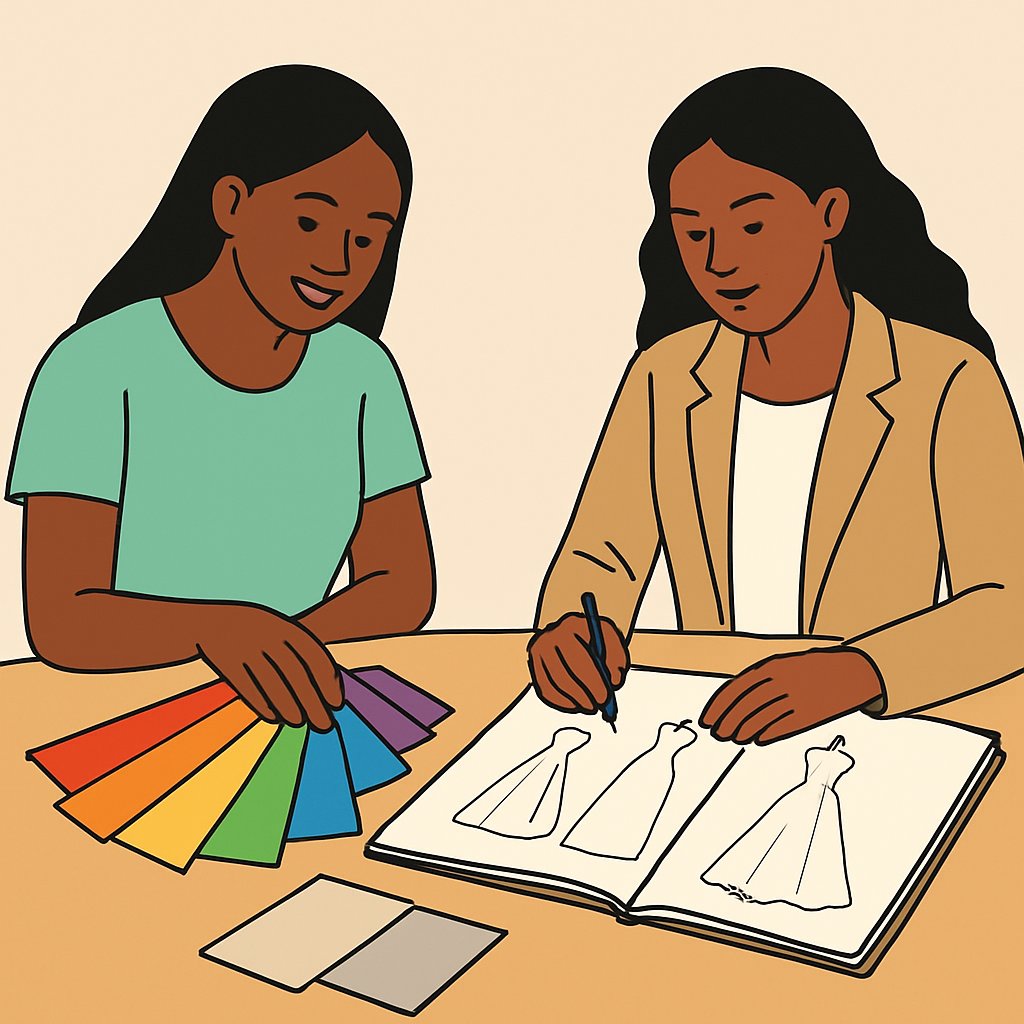
Economic and Supply Dynamics Shaping Fabric Use
Supply routes determine how easily fabrics reach wedding markets.
Costs affect which fabrics wedding planners and families consider affordable.
Artisan skills shape fabric finishing and decorative techniques.
Economic Factors Influencing Fabric Availability
Moreover, market demand shifts production priorities toward certain textiles.
Additionally, price signals reflect material scarcity and labor inputs.
Consequently, perceived status can align with higher-cost or rarer fabrics.
Sourcing and Supply Chains
Meanwhile, local production capacity affects responsiveness to demand spikes.
- Local production capacity
- Import availability
- Distribution networks
- Seasonal supply fluctuations
Furthermore, logistics and storage influence fabric condition and stock levels.
Artisanship and Perceived Status
Therefore, handcrafted details often signal craftsmanship and attention.
Moreover, labor intensity affects how communities value specific textiles.
Consequently, artisanship influences both availability and social perception of fabrics.
Supporting Craft Economies
Training and skill transmission sustain artisanal production over time.
Also, investments in craft capacity can expand fabric variety accessible to weddings.
Imports can supplement local offerings when domestic output falls short.
Interaction Between Economics, Sourcing, and Craft
Taken together, these forces shape what fabrics appear at weddings and why.
Finally, perceived status arises from availability, labor intensity, and artisan reputation.
Therefore, buyers encounter varying availability based on broader economic forces.
Delve into the Subject: Oma Glam Wedding Makeup Services in Kano | Long-Lasting Bridal Glam
Practical Considerations for Comfort, Climate and Movement
Comfort guides many fabric decisions for wedding garments.
Climate affects how garments perform during ceremonies and receptions.
Movement requirements shape construction for dancing and procession.
Comfort and Wearability
Therefore wearability remains a priority for long celebrations.
Additionally designers consider how garments feel against the skin.
Moreover linings and seam placement help reduce friction and irritation.
Also adjustable closures support personalized fit throughout the day.
- Breathability and airflow promote sustained comfort.
- Soft inner layers prevent discomfort during extended wear.
- Strategic seams avoid rubbing in high-motion areas.
- Adjustable elements enable quick fit changes.
Climate Adaptability
Therefore venue temperature and weather patterns inform practical choices.
Additionally ventilation features help during hot or humid conditions.
Moreover layering options allow adaptation between outdoor and indoor settings.
Also moisture management and quick drying aid comfort after unexpected weather.
- Ventilation details increase airflow in warm environments.
- Layering solutions facilitate transitions between temperatures.
- Moisture handling reduces discomfort in humid conditions.
- Fast drying improves readiness after brief showers.
Movement and Functionality
Therefore designers prioritize freedom of motion in key areas.
Designers plan hems and skirt volumes to avoid tripping.
Moreover discreet reinforcements support high-stress points during activity.
Also closures and fastenings must balance security with flexibility.
- Added panels and pleats permit wider strides and turns.
- Reinforced seams withstand frequent movement and adjustments.
- Flexible fastenings allow quick dressing and removal.
- Tailored lengths reduce the risk of catching or snagging.
Care and Practical Logistics
Care needs influence choices for travel and repeated wearing.
Therefore ease of cleaning remains a practical concern for many attendees.
Additionally wrinkle resistance and packability help with transport logistics.
Moreover on-site repairability allows quick fixes before events.
Also durability supports multiple uses beyond a single celebration.
- Low maintenance options reduce wardrobe stress during event days.
- Packable constructions ease travel to and from venues.
- Repair-friendly seams simplify emergency adjustments.
- Durable finishes extend garment usefulness over time.
Contemporary Trends and Fusion Tailoring
Tailors reinterpret traditional fabrics into streamlined modern garments.
They emphasize clean lines and simplified ornamentation.
Traditional textiles gain fresh visual relevance at weddings.
Reinterpreting Traditional Fabrics in Modern Forms
Designers update classic textiles with minimalist detailing.
They streamline silhouettes to highlight fabric qualities.
This approach balances heritage references with contemporary aesthetics.
Tailoring Techniques That Transform Fabrics
Tailors use precision cutting to reshape traditional materials.
Structured sewing adds contemporary form to classic fabrics.
Designers add detachable elements to enable flexible styling.
- Strategic paneling creates hybrid silhouettes without heavy embellishment.
- Contrast linings and hidden seams modernize classic textiles.
- Modular pieces enable multiple looks from one garment.
Cross-Cultural Fusion in Wedding Wardrobe
Designers blend traditional motifs with global tailoring methods.
They mix garment conventions to create hybrid outfits.
These hybrids cater to couples seeking personal expression.
Versatility and Functionality for Contemporary Ceremonies
Modern wedding garments prioritize movement and adaptability.
For example, removable trains allow ceremony to reception transitions.
Consequently, garments suit varied wedding formats and pacing.
Styling and Presentation for Modern Celebrations
Styling pairs reimagined fabrics with minimalist accessories.
Balanced proportions maintain elegance without excess.
Careful tailoring ensures garments photograph well and wear comfortably.
Additional Resources
Google search results for Why Fabric Choices Shape the Look of Nigerian Weddings Wedding Fashion
Bing search results for Why Fabric Choices Shape the Look of Nigerian Weddings Wedding Fashion


