




Marriage in Nigerian Culture
Significance of Marriage
Marriage holds a vital place in Nigerian culture.
It represents not only union but also social status.
Families and communities highly regard the institution of marriage.
Thus, marriage often symbolizes respect and responsibility.
Moreover, it strengthens communal bonds and kinship networks.
Cultural Traditions and Practices
Nigerian marriages are rich with cultural ceremonies and rituals.
These practices vary across ethnic groups like Yoruba, Igbo, and Hausa.
For instance, the engagement rites and bride price hold deep meaning.
They emphasize commitment, family approval, and mutual respect.
As a result, marriage connects individuals and their extended families.
Role of Marriage in Society
Marriage plays a crucial role in maintaining social order.
It ensures the continuity of heritage and family lineage.
Furthermore, it fosters stability within communities and social networks.
Government and religious organizations also encourage stable marriages.
Consequently, marriage is viewed as a foundation for societal growth.
Marriage and Individual Identity
Being married enhances an individual’s social identity and acceptance.
Women and men often gain respect through marital status in society.
Additionally, marriage can offer emotional support and a sense of belonging.
Thus, individuals find both personal and social fulfillment in marriage.
Marriage represents a respected and cherished milestone.
The Role of Marriage in Fostering Emotional Stability and Mental Well-Being
Emotional Support within Nigerian Marriages
Nigerian marriages often provide strong emotional support to spouses.
For example, couples like Chinedu and Amina share daily experiences openly.
This openness helps reduce feelings of loneliness and isolation significantly.
Furthermore, emotional support preserves mental health during challenging times.
Therefore, marriage acts as a vital source of comfort and reassurance.
Sense of Belonging and Identity
Marriage strengthens individuals’ sense of belonging in the community.
In many Nigerian cultures, families warmly welcome new members.
Consequently, spouses feel accepted and valued within extended family networks.
For instance, Folashade found confidence through her husband’s supportive family.
This acceptance nurtures positive self-identity and emotional well-being.
Shared Responsibilities and Reduced Stress
Marriage promotes sharing of daily responsibilities and life challenges.
Couples like Emeka and Ifeoma manage household duties together.
This cooperation lowers the stress levels often experienced alone.
Additionally, joint problem-solving enhances resilience against mental strain.
Thus, partnerships help maintain a balanced and healthy mindset.
Encouragement of Positive Social Connections
Married couples generally enjoy wider social support networks.
For example, the Oladipupo family participates actively in local gatherings.
This engagement increases feelings of social integration and support.
Importantly, sustained social interaction benefits mental wellness greatly.
Hence, marriage extends emotional connections beyond just the couple.
Cultural Traditions Enhancing Psychological Well-Being
Nigerian weddings include rituals that promote mental harmony between spouses.
During the ceremony, family elders offer blessings and advice for happiness.
These traditions symbolize commitment and communal backing.
As a result, couples gain confidence and reduce anxiety about their future.
Thus, cultural practices reinforce the psychological benefits of marriage.
Marriage as a Source of Social Identity and Community Acceptance
Marriage and Social Status in Nigerian Culture
Marriage defines an individual's social identity in many Nigerian communities.
It indicates maturity and readiness to contribute to societal growth.
For example, Chuka Nwachukwu gained respect after marrying Adaora Nwafor.
Also, social standing often increases when families unite through marriage.
This achievement affirms one's place within the extended family and community.
Community Recognition and Belonging
Marriage offers individuals a sense of belonging in their local communities.
Communities celebrate weddings as collective milestones that strengthen bonds.
In addition, marriage ceremonies include rituals that publicly recognize the union.
For instance, in Lagos, the Okafor family warmly welcomed Ifeoma Umeh during her traditional wedding.
These events reinforce the couple's acceptance into social circles.
Role of Marriage in Social Networks
Marriage expands social networks by connecting families and acquaintances.
Through marriage, individuals access new support systems and opportunities.
Moreover, spouses often gain respect by association with their partner's family.
For example, Bayo Owolabi built business ties through his wife's relatives in Ibadan.
Overall, these connections play a key role in personal and professional life.
Cultural Traditions That Promote Social Acceptance
Nigerian marriage traditions emphasize respect, unity, and community inclusion.
Families exchange gifts and host ceremonies that solidify social acceptance.
Furthermore, elders publicly endorse the couple during marriage rites.
In Enugu, marriages often include a blessing from the town's chief elder, affirming unity.
Thus, cultural rituals maintain community cohesion and support for married couples.
Psychological Impact of Social Acceptance Through Marriage
Social acceptance boosts self-esteem and emotional well-being for many Nigerians.
Marriage validates personal identity and confirms social roles in society.
As a result, individuals experience a stronger sense of purpose and belonging.
For instance, Ngozi expressed contentment after receiving her community's full acceptance.
This acceptance mitigates feelings of isolation and promotes psychological resilience.
Social Advantages Gained Through Nigerian Marriage
- Defines social identity and enhances community status.
- Fosters a feeling of belonging through public recognition.
- Expands social networks and support systems.
- Preserves cultural traditions that encourage acceptance.
- Improves psychological well-being via social validation.
Gain More Insights: Chops World Abuja Event Catering Service Specializing in Small Chops and Drinks
Psychological Effects of Extended Family Support in Nigerian Marriages
Emotional Stability and Sense of Belonging
Extended family support strengthens emotional stability in Nigerian marriages.
For example, Adaeze and Emeka often turn to their families during stressful times.
They receive guidance and reassurance that helps maintain their emotional balance.
Moreover, belonging to a large family network reduces feelings of isolation.
This close-knit support system fosters a deep sense of security.
Consequently, couples feel more resilient when facing marital challenges.
Conflict Resolution and Moral Guidance
Extended families in Nigeria play a key role in resolving marital conflicts.
Relatives like uncles and aunts mediate when disputes arise, offering wise counsel.
For instance, the Okoye family often gathers to discuss and settle disagreements.
They provide moral guidance based on cultural values and traditions.
Thus, couples benefit from collective wisdom that promotes harmony.
Additionally, this mediation prevents escalation and strengthens relationship bonds.
Shared Responsibilities and Social Support
Extended families share responsibilities, easing pressures on married couples.
Relatives assist with child-rearing, household chores, and financial support.
Lola and Kunle receive help from their siblings and parents regularly.
This support lightens daily stresses, increasing overall marital satisfaction.
Furthermore, social support networks encourage emotional expression and empathy.
As a result, couples experience improved mental well-being and connectedness.
Cultural Identity and Strengthened Commitment
Family involvement reinforces cultural identity within Nigerian marriages.
Respected families like the Eze family uphold traditions that unite couples.
Extended kinship bonds instill respect, loyalty, and shared values.
These cultural ties enhance commitment and encourage long-term stability.
Moreover, couples feel proud to be part of a larger heritage.
Consequently, their psychological resilience and marriage satisfaction grow steadily.
Delve into the Subject: Mia_Tastes Small Chops and Cocktails Service in Ibadan and Lagos
The Impact of Marital Roles and Expectations on Individual Self-Esteem
Marital Roles Within Nigerian Culture
Marriage assigns distinct roles to partners in Nigerian families.
Husbands often adopt the role of providers and protectors.
Wives commonly take charge of managing the household and nurturing children.
These roles carry significant cultural importance and social recognition.
Consequently, fulfilling these expectations enhances individual identity and confidence.
Positive Effects on Self-Esteem
Meeting marital expectations positively reinforces a spouse’s self-worth.
Chiamaka, a Lagos-based teacher, feels pride in supporting her family emotionally.
Similarly, Emeka takes satisfaction in fulfilling his duty as the family’s financial backbone.
This sense of purpose fosters strong personal validation within the community.
Moreover, public acknowledgment of these roles boosts marital partners’ social esteem.
Challenges Arising from Rigid Expectations
However, strict adherence to traditional roles can also create pressure.
Olu, an engineer in Abuja, sometimes struggles with the expectation to be the sole provider.
Such pressure may result in feelings of inadequacy and lowered self-esteem.
Additionally, partners who deviate from these roles may face social judgment.
Therefore, balancing expectations is crucial for maintaining psychological well-being.
Community and Family Support
Extended family plays a vital role in reinforcing marital roles positively.
Communities such as the Igbo or Yoruba often celebrate marital achievements publicly.
This collective recognition strengthens individual confidence and belonging.
Furthermore, elders like Chief Adesanya serve as mentors in navigating marital expectations.
Such support networks help couples find healthy ways to meet cultural roles.
Adoption of Flexible Roles in Modern Nigerian Marriages
Modern Nigerian couples increasingly adopt more flexible roles in marriage.
For instance, Ada and Tunde share financial and domestic responsibilities equally.
This flexibility helps reduce stress and enhances mutual respect.
Consequently, it promotes balanced self-esteem for both spouses.
Encouraging open communication allows individuals to redefine expectations together.
See Related Content: Mc First October Port Harcourt | Event Host, Comedian, Hypeman Services
Marriage as a Foundation for Shared Purpose
Building a Unified Vision
Nigerian marriage creates a strong platform for couples to develop a shared vision.
When partners align their goals, they form a powerful sense of unity.
This unity helps individuals focus on common objectives beyond personal ambitions.
Moreover, shared purpose strengthens emotional bonds between spouses.
In many Nigerian families, this shared vision is deeply rooted in cultural values.
Collaborating on Life Goals
Marriage encourages collaboration on important life decisions such as finances and career.
Couples like Ifeoma and Chinedu plan their futures together intentionally.
They regularly discuss aspirations and adjust their goals as circumstances change.
Additionally, this collaboration provides emotional support during challenging times.
Thus, partners feel more secure knowing they work as a team.
Cultural Reinforcement of Joint Aspirations
Nigerian traditions emphasize the importance of collective family goals over individual desires.
Extended families often support married couples in their joint pursuits.
For instance, elders like Mrs. Adeyemi guide young couples in maintaining balanced life plans.
This reinforcement motivates couples to remain committed to shared responsibilities.
Furthermore, social recognition boosts their confidence in achieving common ambitions.
- Enhances communication and reduces misunderstandings.
- Builds trust and mutual respect between partners.
- Encourages resilience during inevitable life challenges.
- Creates a sense of belonging and partnership.
- Facilitates goal achievement that benefits the entire family.
Uncover the Details: Sip With Dingu Mixology and Bartending Services in Abuja by Dingudrinks_Hospitality Ltd
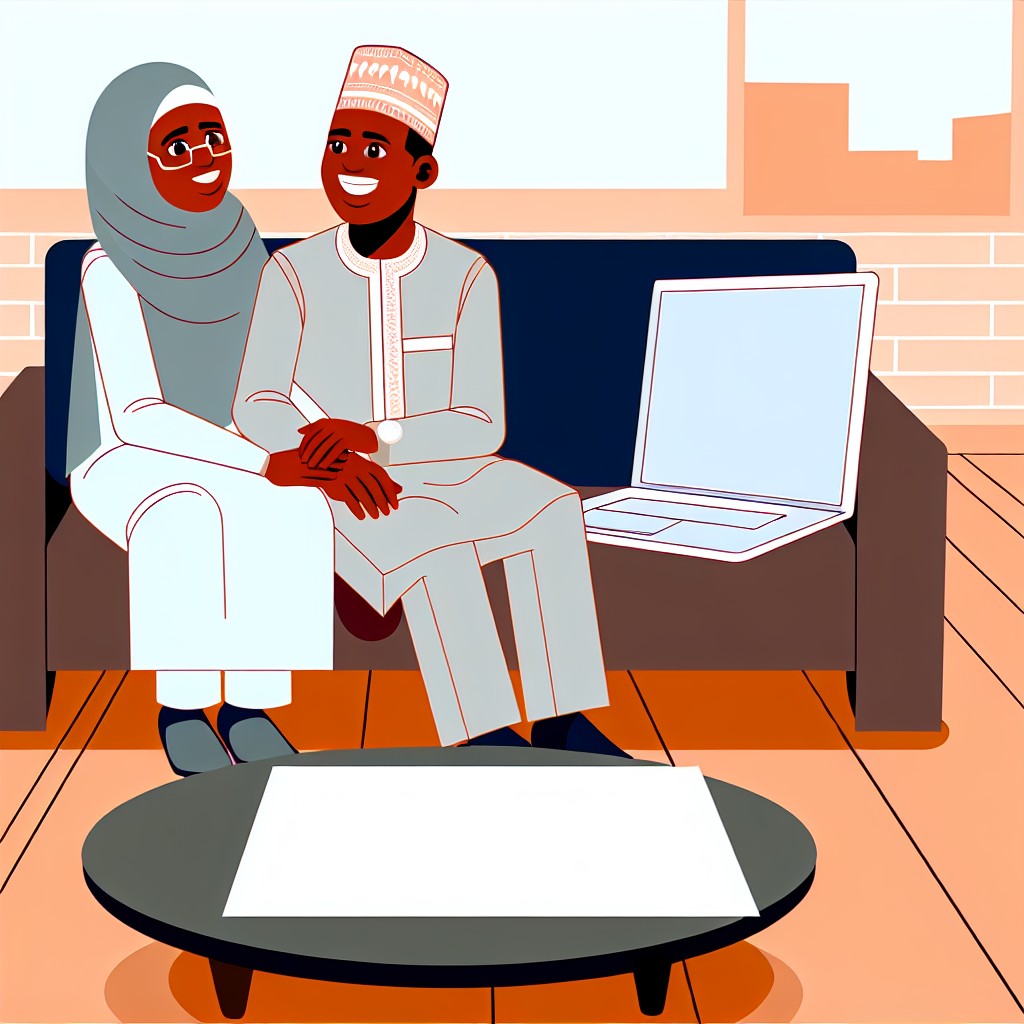
The Influence of Traditional Marriage Rituals on Psychological Bonding
Cultural Significance of Marriage Rituals
Traditional marriage rituals form the foundation of Nigerian unions.
These ceremonies reflect deep cultural values and social commitments.
They provide couples with a sense of belonging within their communities.
For instance, engagement rites often involve families, strengthening bonds beyond the couple.
Moreover, rituals serve as visible commitments that enhance trust and security.
Fostering Emotional Connection through Rituals
Marriage ceremonies actively promote emotional intimacy between partners.
They incorporate symbolic acts that reinforce couple identity and unity.
For example, the exchange of kola nuts or traditional gifts symbolizes mutual respect.
This shared participation helps partners feel emotionally connected and valued.
In addition, public celebrations openly affirm the couple’s commitment to each other.
Role of Community and Family Involvement
Marriage rituals include extended family and community participation.
This collective involvement fosters a support network for the couple.
It encourages psychological bonding by creating shared responsibilities and expectations.
Community blessings and prayers also boost the couple’s emotional resilience.
Hence, communal approval strengthens confidence in the marital relationship.
Psychological Impact of Traditional Symbols and Practices
Symbols such as beads, attire, and dance carry profound psychological meaning.
These elements cultivate pride, identity, and emotional security in couples.
Similarly, traditional vows emphasize lifelong partnership and mutual care.
They anchor the couple’s psychological commitment beyond legal aspects.
Therefore, rituals help reduce anxiety and promote marital stability.
Mental Health Benefits of Traditional Marriage Rituals
Traditional marriage rituals enhance feelings of acceptance and emotional safety.
This positive emotional state reduces stress and improves mental health.
Spouses often experience higher self-esteem due to cultural acknowledgment.
Furthermore, rituals encourage open communication and conflict resolution.
Consequently, these effects contribute to stronger, happier marriages in Nigerian culture.
Marriage as a Buffer Against Loneliness and Social Isolation
Social Connectedness Through Marriage
Marriage strengthens social bonds by connecting individuals to extended families.
This connection reduces feelings of loneliness for many Nigerians.
Spouses often provide emotional support during challenging times.
Therefore, marriage fosters a sense of belonging and shared experience.
Additionally, married couples participate more actively in cultural and religious gatherings.
These social interactions further decrease isolation and promote mental well-being.
Emotional Support Within the Marital Relationship
Spouses serve as primary emotional anchors for each other.
They share joys, challenges, and everyday experiences, reducing emotional loneliness.
In Nigerian society, this support is vital due to communal values placed on family unity.
Furthermore, couples like Chinedu and Amaka find comfort in mutual understanding.
This emotional companionship improves resilience against psychological stress.
Community Roles and Expectations
Marriage aligns individuals with community roles that encourage participation and connection.
Communities often expect married couples to contribute to social events and traditions.
This participation reinforces social ties and counters isolation.
Likewise, elders such as Mama Funke and Chief Olawale often emphasize the importance of marital bonds.
These expectations promote stable relationships that combat loneliness.
Practical Benefits That Reduce Isolation
Marriage often facilitates shared living arrangements that enhance companionship.
Couples like Ade and Ifeoma benefit from mutual care and daily interaction.
This arrangement reduces the risk of social isolation, especially in urban settings.
In addition, spouses encourage engagement in social and recreational activities together.
Consequently, marriage acts as a vital psychological buffer against loneliness.
The Role of Marriage in Stress Reduction Through Emotional and Financial Support
Emotional Support Within Nigerian Marriages
Marriage often provides a safe space for spouses to express their feelings freely.
In Nigerian culture, couples like Ifeoma and Chinedu share their daily challenges openly.
This openness fosters understanding and helps reduce emotional burdens for both partners.
Moreover, married individuals frequently enjoy greater social acceptance.
This social acceptance enhances emotional security.
Additionally, emotional support from a spouse can improve mental health and resilience.
Hence, marriage strengthens emotional bonds that buffer against everyday stressors.
Financial Support and Stability in Marriage
Marriage often combines resources, creating stronger financial foundations.
For example, couples such as Amina and Emeka pool incomes to cover household expenses effectively.
As a result, they experience less financial strain compared to single individuals.
Financial cooperation also enables long-term planning, which reduces uncertainty about the future.
Furthermore, shared responsibilities lighten individual pressure, promoting economic stability.
This financial support directly alleviates stress linked to economic hardships.
Combined Benefits of Emotional and Financial Support
Nigerian marriages offer a unique blend of emotional and financial support mechanisms.
Together, these supports create a holistic system for managing life’s difficulties.
For instance, Ngozi and Tunde rely on each other both emotionally and financially during crises.
Consequently, their partnership effectively diminishes the impact of external stresses.
Community and family expectations also reinforce the supportive nature of marriages.
Thus, married couples in Nigeria enjoy mental peace and stability often unavailable to single peers.
Challenges in Nigerian Marriages and Their Psychological Implications
Societal Pressure and Expectations
Nigerian marriages often face immense societal pressure from extended families and communities.
This pressure increases stress on couples to conform to cultural norms quickly.
Moreover, many couples struggle with unrealistic expectations set by elders and traditions.
Consequently, individuals often suppress personal feelings to avoid disappointing relatives.
This suppression can lead to emotional exhaustion and anxiety over time.
Financial Strain and Its Impact on Mental Health
Financial difficulties commonly create tension among married couples in Nigeria.
Many partners worry about meeting basic household needs and societal financial obligations.
In addition, cultural practices such as bride price can impose significant monetary burdens.
Therefore, ongoing financial stress frequently results in feelings of inadequacy and frustration.
This stress contributes to elevated risks of depression and conflicts within the marriage.
Communication Barriers and Emotional Disconnection
Communication styles in Nigerian marriages vary greatly between partners.
Traditional gender roles sometimes discourage open emotional discussions.
As a result, misunderstandings often escalate and reduce emotional intimacy.
Furthermore, a lack of effective dialogue can erode trust and increase resentment.
These communication barriers may eventually lead to psychological distress and loneliness.
Infidelity and Trust Issues
Instances of infidelity present serious challenges to marital stability.
Trust violations often ignite deep emotional wounds and uncertainty about the future.
Many couples find it difficult to rebuild trust once it is broken.
Consequently, this creates prolonged emotional turmoil affecting mental well-being.
Without proper counseling, the psychological impact may worsen over time.
Dealing with Family Interference
Extended family involvement frequently complicates marital dynamics in Nigeria.
In-laws sometimes meddle in couples’ decisions, creating more conflict.
This interference often pressures couples to prioritize family desires over their own needs.
Such external pressures can cause feelings of helplessness and irritation.
Ultimately, this strain may contribute to anxiety and reduced marital satisfaction.
Mental Health Stigma and Lack of Support
Mental health challenges in marriages often go unaddressed due to stigma.
Many couples fear judgment when seeking psychological help within their communities.
Therefore, they avoid professional counseling even when experiencing severe stress.
This lack of support perpetuates emotional suffering and unresolved marital issues.
Increasing awareness and acceptance are crucial to improving psychological outcomes.
Psychological Effects Arising from These Challenges
Increased levels of anxiety and chronic stress among spouses.
Development of depressive symptoms linked to unresolved conflicts.
Feelings of isolation due to communication breakdowns.
Reduced self-esteem stemming from social and financial pressures.
Emotional fatigue caused by ongoing marital stressors.
Additional Resources
The Long-Term Effects of Civil Conflict on Psychological Well-being
Is there any country on Earth Nigerians Haven’t married from and …


