




Overview of Traditional Music and Dance as Cultural Staples in Nigerian Weddings
Significance of Traditional Music in Weddings
Traditional music plays a vital role in Nigerian weddings.
It expresses emotions and celebrates cultural heritage effectively.
Moreover, traditional songs connect families and communities deeply.
Musicians like Olumide Bassey often perform live to create an authentic atmosphere.
Consequently, music sets the tone for various wedding ceremonies and rituals.
Role of Traditional Dance in Celebrations
Traditional dances energize and engage wedding guests throughout the event.
Each ethnic group has unique dances that tell stories of love and unity.
For instance, the Yoruba Ijala and Igbo Atilogwu dances symbolize joy and strength.
Dance troupes led by Chukwuma Nwafor usually showcase skilled performances.
Furthermore, dances invite participation, fostering a festive and inclusive mood.
Common Instruments in Nigerian Wedding Music
Various traditional instruments create the rich sounds heard at weddings.
- The talking drum mimics speech patterns to convey messages.
- The shekere adds rhythmic texture with its distinct beads-covered gourd.
- The ogene bell keeps time and signals changes during performances.
- Flutes and xylophones enrich melodies with vibrant tones.
Musicians skillfully combine these instruments to enhance the celebratory experience.
Integration of Music and Dance in Wedding Rituals
Music and dance accompany key moments, such as the bride’s procession.
The couple’s entrance often features songs blessing their union.
Traditional performances mark transitions between ceremony segments elegantly.
Therefore, music and dance are essential to preserving cultural identity at weddings.
Their presence ensures every wedding reflects Nigeria’s diverse cultural tapestry.
Role of Indigenous Musical Instruments in Creating a Festive Wedding Atmosphere
Cultural Significance of Traditional Instruments
Indigenous musical instruments embody the rich heritage of Nigerian communities.
They connect wedding guests to their cultural roots and ancestral traditions.
These instruments also symbolize unity and joy during matrimonial celebrations.
For instance, the talking drum conveys messages and emotions through rhythms.
It plays a vital role in engaging attendees throughout the event.
Popular Indigenous Instruments at Nigerian Weddings
Several traditional instruments create vibrant sounds that energize wedding festivities.
- The dundun, a versatile drum, produces talk-like rhythms enhancing communication with dancers.
- The shekere, made from dried gourd and beads, adds rhythmic texture and visual appeal.
- The udu, a clay pot drum, delivers unique bass notes enriching the musical ensemble.
- The agogo bell contributes sharp metallic sounds that accentuate dance movements.
Event organizers, such as Amina Balogun from Harmony Events Nigeria, often employ these instruments.
They ensure the instruments match the couple’s cultural background and preferences.
Enhancing the Festive Atmosphere through Live Performances
Live musicians skillfully use indigenous instruments to create lively motions at weddings.
The dynamic beats encourage guests to participate in traditional dances and celebrations.
Additionally, the blend of percussions and melodic sounds fosters a welcoming environment.
Tribal drummers like Emeka Nwosu are renowned for energizing Nigerian wedding crowds.
They elevate the overall mood and set a memorable tone for the day.
Influence on Guest Experience and Interaction
Traditional music invites guests of all ages to connect and enjoy the festivity.
It facilitates social bonding as family members and friends dance together.
Furthermore, the infectious rhythms encourage spontaneous expressions of happiness.
Wedding planner Adaobi Okeke emphasizes how these instruments create emotional resonance.
Indigenous music significantly enriches the atmosphere and leaves lasting impressions.
Significance of Traditional Dance Styles in Expressing Community Identity and Heritage
Cultural Expression Through Dance
Traditional dance serves as a vibrant expression of Nigerian communities.
It conveys unique cultural stories that connect individuals with their roots.
Each dance style reflects the values and history of its community.
Through movement and rhythm, dancers communicate ancestral wisdom to new generations.
Traditional dance acts as a living archive of cultural heritage.
Fostering Community Unity
Traditional dances bring communities together in shared celebration.
During weddings, these dances strengthen bonds among family and friends.
They emphasize collective identity and mutual respect through synchronized performance.
Traditional dance promotes social cohesion and harmony as a result.
Communities take pride in preserving these dances as symbols of unity.
Preservation of Nigerian Cultural Heritage
Traditional dance is essential for preserving Nigeria’s diverse cultural heritage.
It enables the transmission of customs and beliefs across generations.
Important cultural knowledge risks fading away without these dances.
Schools and cultural groups increasingly promote traditional dance to ensure survival.
This art form remains vital to maintaining Nigeria’s rich identity consequently.
Iconic Traditional Dance Styles at Nigerian Weddings
Popular dance styles from various ethnic groups feature often at Nigerian weddings.
- The Yoruba Egungun dance honors ancestral spirits with elaborate costumes.
- The Igbo Atilogwu dance showcases energetic movements and acrobatics.
- The Hausa Bata dance highlights rhythmic drumming and graceful steps.
These dances collectively enhance the festive atmosphere of wedding ceremonies.
Including multiple dance styles reflects Nigeria’s cultural diversity.
Role of Dance Leaders and Performers in Cultural Preservation
Experienced dancers and choreographers lead traditional dance performances.
They teach precise moves and cultural significance to younger participants.
Dance leaders ensure authenticity and respect during performances.
Talented performers like Emeka Nwosu and Fatima Bello inspire communities to cherish heritage.
Such dedication helps keep traditional dances alive and relevant today.
Discover More: Folest Alaga Traditional Wedding Services in Ikorodu Lagos Nigeria
Impact of Music and Dance in Uniting Families and Guests During Wedding Ceremonies
Fostering Connection Through Traditional Tunes
Traditional music creates a warm, inviting atmosphere at Nigerian weddings.
It sparks a sense of shared heritage among families and guests.
The melodies performed by the renowned Ayodele Ensemble bring generations together.
Guests from diverse backgrounds find common ground in the rhythm.
These traditional sounds bridge gaps between families and enhance unity.
Dance as a Celebration of Togetherness
Dance plays a vital role in expressing joy and unity at wedding ceremonies.
Dancers like Nneka and her troupe lead guests in lively, participatory performances.
Moreover, couples partake in dances that symbolize their union and community support.
This shared movement encourages mingling and breaks down social barriers.
Dance creates lasting memories that bind families and friends together.
Encouraging Participation and Cultural Pride
Traditional music and dance invite active involvement from all attendees.
Guests eagerly join in, celebrating cultural pride with enthusiasm.
The Ibadan Cultural Group often guides guests through popular dance steps and songs.
This participation strengthens bonds beyond the wedding day.
Music and dance serve as powerful tools to unite communities.
Enhancing Emotional Connections at Weddings
Music evokes deep emotions that resonate during wedding celebrations.
Dance movements convey affection and solidarity among attendees.
These artistic expressions enable families to connect on a heartfelt level.
Music and dance honor ancestral traditions cherished by all parties.
They enrich the wedding experience and foster lasting unity.
Find Out More: TEMINICROWN ALAGA Lagos | Traditional Yoruba Wedding Compere and Coordinator
How Traditional Performances Enhance the Storytelling and Symbolism of Marriage Rites
Role of Traditional Music in Conveying Meaning
Traditional music sets the emotional tone at Nigerian weddings.
It tells stories of love, unity, and cultural heritage.
Musicians use indigenous instruments like the talking drum and shekere.
These sounds symbolize harmony and communication between families.
Moreover, songs often include proverbs and praise for the couple.
Consequently, guests understand deeper messages beyond the ceremony.
Dance as a Visual Storytelling Medium
Dance narrates the journey of the couple’s relationship.
Dancers perform choreographies reflecting courtship and family bonds.
Colorful costumes enhance the symbolism portrayed through movement.
Traditional dance also involves community participation, promoting unity.
Notably, specific dances honor ancestors or cultural deities.
Therefore, weddings become a vibrant display of heritage and respect.
Symbolic Elements in Performances
Every dance step and musical rhythm has cultural significance.
For example, the use of kola nuts in songs symbolizes hospitality.
Hand gestures in dances often represent blessings and fertility.
Drumming patterns may signal transitions in the marriage rites.
Furthermore, costumes reflect the couple’s ethnic identities and social status.
These elements reinforce the sacredness of the wedding process.
Connecting Generations through Cultural Expressions
Traditional performances link elders to the younger generation.
They pass on values and customs through engaging music and dance.
Children learn about their roots by witnessing these lively ceremonies.
In addition, elders bless and advise the couple during performances.
This participation strengthens family ties and communal support.
Such continuity ensures the preservation of traditions for future weddings.
See Related Content: Queen Tee ALAGA Traditional Wedding Customs and Ijawo Setup in Lagos
The Influence of Regional Diversity on Musical and Dance Expressions in Nigerian Weddings
Distinctive Traditions across Nigeria’s Regions
Nigeria’s diverse ethnic groups shape unique musical and dance forms at weddings.
Each region brings its cultural richness.
This adds vibrancy to wedding celebrations.
For instance, Yoruba weddings feature engaging drumming.
They also include graceful dances.
Meanwhile, Igbo ceremonies emphasize energetic movements.
They combine these with spirited songs.
Hausa weddings incorporate traditional rhythms.
They combine these rhythms with elegant dance styles.
Musical Instruments Reflecting Regional Heritage
Traditional instruments highlight the origins of wedding performances in each region.
The Yoruba use the talking drum.
They also play the shekere to set the tone.
In contrast, the Igbo rely on the ogene bell.
They also use the udu drum to energize their festivities.
In northern Nigeria, the kakaki trumpet adds grandeur.
This trumpet features prominently in Hausa wedding music.
These instruments communicate cultural stories.
They also unite guests during celebrations.
Regional Dance Styles as Expressions of Identity
Dance plays a vital role in exhibiting regional identities during weddings.
Yoruba dances often involve synchronized steps.
They also feature elaborate body movements.
Igbo dances showcase fast footwork.
They include rhythmic clapping to engage participants.
Hausa dances tend to be more reserved yet elegant.
They focus on gesture and poise.
Such variations highlight distinct cultural aesthetics among Nigerian communities.
How Regional Diversity Enriches Wedding Experiences
Regional diversity encourages blending traditions for a dynamic wedding atmosphere.
Guests enjoy a rich variety of sounds and rhythms.
They also experience diverse dance forms throughout the event.
Merging regional styles fosters unity among families and friends.
This unity bridges different cultural backgrounds.
Professional performers like Chioma Eze and Kabir Sule collaborate to create these moments.
Ultimately, Nigeria’s regional diversity celebrates cultural uniqueness and shared joy.
Discover More: Alaga Tǒh Dara in Akure | Traditional Yoruba Wedding Ceremony Services
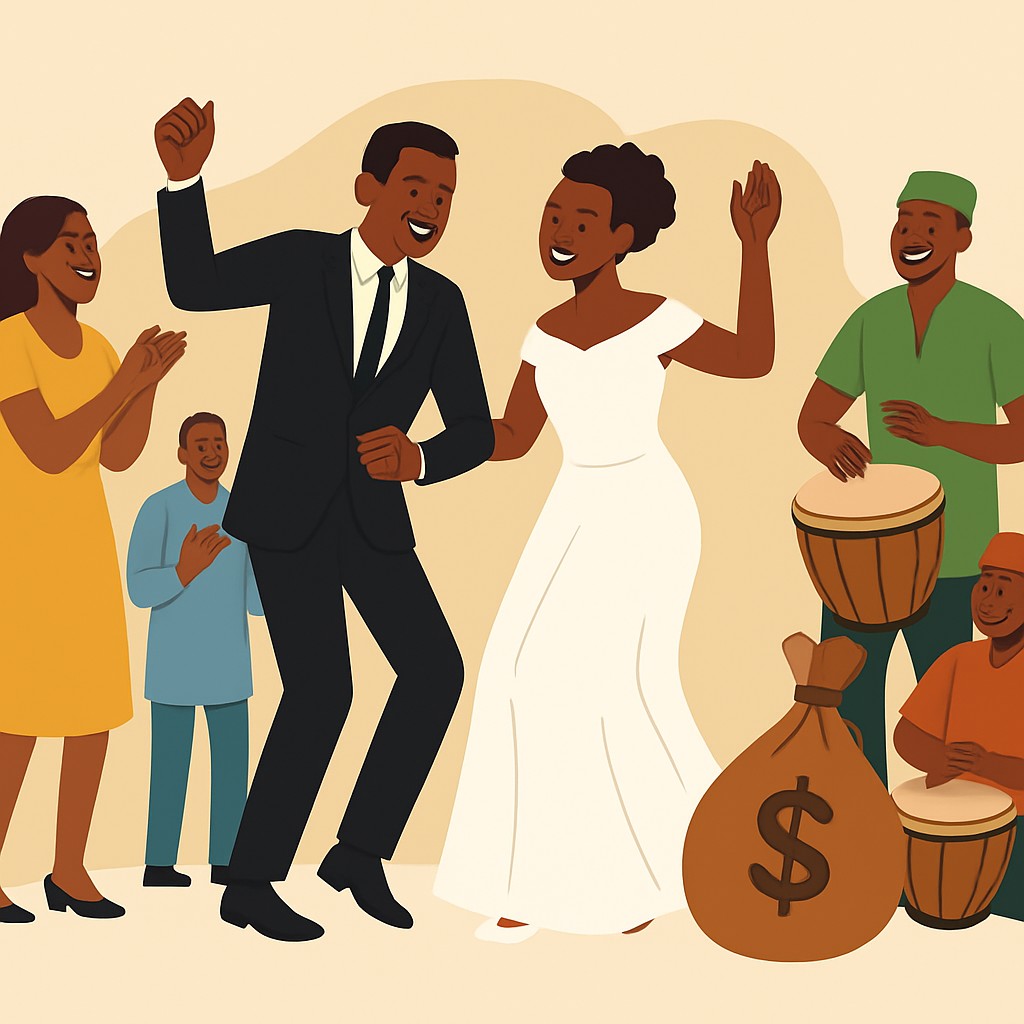
Integration of Traditional Music and Dance with Modern Wedding Elements
Blending Cultural Heritage with Contemporary Styles
Nigerian weddings uniquely combine tradition with modern influences.
They blend indigenous music and dance with contemporary sounds and choreography.
This fusion preserves cultural identity while appealing to younger generations.
Event planners like Amarachi Events specialize in creating this seamless integration.
They collaborate with local musicians and DJs to design tailored performances.
For instance, traditional drumming often accompanies modern beats on the dance floor.
This contrast excites guests and encourages lively participation throughout the celebration.
Incorporating Traditional Instruments into Modern Arrangements
Musicians skillfully mix instruments like the talking drum with keyboards and guitars.
This combination produces vibrant music that respects heritage and contemporary tastes.
Bands such as Lagos Rhythms frequently use this approach at weddings.
They adapt well-known traditional melodies with fresh instrumental layers.
The result creates an unforgettable auditory experience for attendees.
Modern Venues Hosting Traditional Performances
Many couples choose upscale venues while keeping authentic cultural components.
Hotels like The Moorhouse Ikoyi accommodate both sophisticated decor and traditional shows.
These spaces allow room for dancers performing styles like Atilogwu and Bata dance.
Professional dancers from groups such as Zulu Dance Company bring energy and grace.
Guests enjoy witnessing cultural storytelling through expressive movement in elegant settings.
Fashion and Dance Fusion
Traditional attire influences modern wedding fashion trends significantly.
Designers like Adaobi Okechukwu create gowns inspired by native fabrics and dance movements.
Brides and grooms often wear outfits designed to facilitate fluid dance performances.
This synergy enhances the visual appeal during both formal and informal moments.
Engaging Guests with Interactive Traditional Activities
Hosts frequently encourage guests to participate in traditional dance sessions.
Dance instructors guide attendees through iconic steps like the Shaku Shaku and Igbo Atilogwu.
These activities foster a sense of community and celebration among diverse crowd members.
Additionally, live drumming workshops are included in some wedding programs.
These hands-on experiences deepen appreciation for Nigerian cultural arts.
Collaborative Efforts Between Traditional and Modern Artists
Collaborations between veteran traditional performers and contemporary artists happen often.
For example, renowned drummer Chike Anioke partners with producer Tolu Ajayi to create unique soundtracks.
These collaborations showcase the evolution of Nigerian wedding entertainment.
They honor cultural roots while embracing innovation and creativity.
Contribution of Traditional Entertainers, Drummers, and Dancers to the Celebratory Mood
Traditional Entertainers as Cultural Ambassadors
Traditional entertainers infuse Nigerian weddings with rich cultural heritage.
They narrate stories and folklore through music and theatrics.
Moreover, their performances connect guests with ancestral traditions.
Professional groups such as the Osun Cultural Ensemble often lead these acts.
Consequently, they elevate the atmosphere by bringing history to life.
Role of Drummers in Setting the Rhythm
Drummers provide the pulsating beats that energize wedding celebrations.
The dundun and igba drums are the heartbeat of many ceremonies.
In addition, drumming guides dancers and singers during performances.
Experienced drummers like Baba Adewale skillfully control tempo and dynamics.
Therefore, their rhythms incite excitement and encourage guest participation.
Impact of Traditional Dancers on Festive Energy
Traditional dancers add vibrancy through expressive and coordinated movements.
They often wear colorful attire that showcases Nigerian craftsmanship.
Notably, dance troupes such as the Yoruba Dance Troupe inspire lively guest engagement.
Besides entertaining, dancers symbolize joy and communal unity.
Thus, their presence intensifies the celebratory mood throughout the wedding.
Synergy Among Performers Enhancing Festivities
The collaboration between entertainers, drummers, and dancers is indispensable.
This synergy creates a dynamic and immersive experience for attendees.
Together, they maintain continuous energy from the start to the end of the event.
Wedding planners like Adaobi Nwankwo emphasize integrating these elements for authentic celebration.
Ultimately, their combined talents transform Nigerian weddings into unforgettable cultural showcases.
The Role of Music and Dance in Blessing and Invoking Prosperity for the Couple
Symbolism Behind Traditional Music
Traditional music carries deep symbolic meanings in Nigerian weddings.
It invokes ancestral blessings and spiritual protection for the couple’s journey.
Moreover, rhythms often mimic the sounds of nature.
This fosters harmony and balance throughout the ceremony.
Musicians like Emeka Nwosu use melodies that celebrate unity and fertility.
Therefore, music serves as a sacred conduit to invite prosperity and joy.
The Power of Dance in Cultural Blessings
Dance plays an active role in visually expressing blessings during celebrations.
The couple participates in customary dances that symbolize growth and abundance.
Skilled performers such as the Egwu Eze troupe demonstrate traditional dance styles with grace.
These dances invoke positive energies that encourage a fruitful marriage.
Furthermore, communal dancing strengthens bonds among families and friends attending.
Specific Music and Dance Traditions That Invoke Prosperity
The Yoruba use the bata drum rhythm to call upon wealth and fortune.
The Igbo invoke prosperity through lively egwu egwu dances performed at key moments.
The Hausa community incorporates the use of the algaita flute to bless and protect.
Each ethnic group shares unique musical patterns aimed at fostering growth for the couple.
Together, these traditions create a powerful atmosphere of hope and celebration.
Community Participation and Its Effects
Family and guests actively join in music and dance to amplify blessings.
This collective energy enhances the spiritual potency of the wedding ceremony.
Experienced drummers like Amina Suleiman lead audiences with compelling beats.
Participants believe shared joy translates into shared prosperity for the couple.
Hence, music and dance become communal investments in the couple’s future.
Preservation of Cultural Legacy Through the Continuation of Traditional Wedding Arts
Role of Traditional Music in Cultural Heritage
Traditional music serves as a living archive of Nigeria’s rich cultural history.
It passes ancestral stories and values from one generation to another.
Moreover, traditional music strengthens community bonds during wedding celebrations.
Musicians like Emeka Nwosu revive indigenous sounds and instruments.
Therefore, traditional music maintains a vibrant connection to cultural roots.
Importance of Traditional Dance in Celebrating Ancestry
Traditional dances at weddings symbolize respect for ancestral customs.
Professional dance troupes, such as the Abuja Cultural Ensemble, showcase authentic moves.
These performances visually narrate family histories and cultural identities.
Consequently, dance fosters pride and unity among participants and guests.
It ensures customs remain an active part of modern celebrations.
Transmission of Traditions Across Generations
Families actively teach younger members traditional songs and dances before weddings.
Workshop programs led by cultural experts promote hands-on learning experiences.
These efforts guarantee traditions are not lost amid modernization.
Children and youth learn to appreciate their history through immersive participation.
Hence, cultural legacy remains dynamic and relevant in contemporary society.
Integration of Tradition with Contemporary Wedding Practices
Wedding planners like Ifeoma Chukwu skillfully combine traditional and modern elements.
This fusion respects cultural heritage while appealing to younger generations.
Live traditional drummers and dancers often open the wedding festivities.
Subsequently, contemporary celebrations gain more depth and authenticity.
Thus, traditional wedding arts continuously evolve and enrich Nigerian weddings.
Additional Resources
I’ve been to a few Filipino weddings, but what a surreal feeling being …


