




Overview of Wedding Vendor Teams and Their Composition
Wedding vendor teams include many professionals who work together.
They coordinate to create a smooth wedding experience for couples.
Common members include planners, photographers, caterers, and floral designers.
Designers and stylists also play vital roles within these teams.
Together, these roles support each other and deliver a cohesive event.
The Role of Wedding Planners and Coordinators
Wedding planners manage event logistics and the overall timeline.
They act as the main link between the couple and the vendor team.
Planners often recommend trusted designers and stylists to clients.
Meanwhile, coordinators handle event details on the wedding day.
They ensure that all vendors complete their tasks smoothly and on time.
Designers and Stylists within the Team
Designers create the wedding’s visual concept and overall theme.
They develop color schemes, decor elements, and ambiance details.
Stylists shape the couple’s and wedding party’s personal appearance.
They handle hair, makeup, and wardrobe to match the event style.
As a result, both roles help build a cohesive wedding aesthetic.
Additional Essential Vendors in the Team
Photographers capture memorable moments throughout the celebration.
Caterers provide food and beverage services tailored to the couple’s preferences.
Entertainment professionals, such as DJs or live bands, shape the event’s tone.
Florists design and deliver floral arrangements that match the wedding vision.
Each vendor contributes to an unforgettable experience.
Specific Roles and Responsibilities of Designers in Weddings
Concept Development and Theme Creation
Designers initiate wedding planning by developing a distinct concept.
They collaborate closely with couples to understand their vision and preferences.
Next, designers create mood boards and color palettes that match the theme.
They ensure the overall aesthetic feels cohesive across all wedding elements.
Moreover, designers integrate personal stories and cultural details into the concept.
Floral and Decor Design
Designers select floral arrangements that complement the wedding theme.
They work with florists like Bloom and Vine Studio to execute their vision.
Furthermore, designers coordinate decor items such as linens, lighting, and furniture.
They often source unique pieces to enhance the ambiance and create visual interest.
Designers also manage on-site setup to maintain consistency and quality control.
Venue Styling and Space Planning
Designers assess the wedding venue to optimize layout and flow.
They plan seating arrangements to encourage guest interaction and comfort.
Additionally, they position key focal points, such as the altar and reception areas.
Designers consider lighting and acoustics to enhance the atmosphere effectively.
They adapt their designs to fit both indoor and outdoor settings seamlessly.
Collaboration with Vendor Teams
Designers coordinate with caterers, photographers, and entertainers for cohesive planning.
They communicate design requirements clearly to each vendor to avoid conflicts.
Designers work alongside wedding planners like Ever After Events to synchronize schedules.
Their collaboration ensures every element aligns with the overarching wedding concept.
Finally, designers participate in rehearsals to troubleshoot any styling details.
Budget Management and Resource Allocation
Designers help couples set realistic budgets for design-related expenses.
They prioritize spending to focus on impactful decor elements.
Designers often negotiate with suppliers to get the best quality within costs.
They track expenditures to prevent overspending throughout wedding planning.
Consequently, designers maximize value without compromising design integrity.
How Stylists Shape the Wedding Aesthetic and Theme
Creating a Cohesive Visual Story
Stylists work closely with couples to understand their vision.
They interpret themes and moods to develop a unified look.
By selecting colors, textures, and decor, they build harmony.
Moreover, they ensure every element complements the wedding style.
Enhancing Key Elements through Detail
Stylists pay attention to intricate details like floral arrangements and table settings.
They coordinate linens, lighting, and accessories to enhance ambiance.
This attention to detail elevates the guest experience significantly.
Consequently, the wedding feels thoughtfully designed from start to finish.
Collaborating with Other Vendor Professionals
Stylists communicate regularly with photographers, florists, and venue managers.
This teamwork ensures visual consistency across all aspects.
For example, they align floral choices with the photography style.
Additionally, stylists adapt plans to suit venue constraints and opportunities.
Personalizing the Wedding to Reflect the Couple’s Identity
Stylists incorporate couples’ personal stories and preferences into design elements.
They use unique decor pieces that highlight individual tastes.
Through this, weddings become meaningful and memorable experiences.
Furthermore, stylists help couples express their personalities visually.
Bringing Themes to Life with Creativity
Stylists transform abstract ideas into tangible wedding concepts.
They innovate with color palettes, patterns, and props to capture themes.
This creative process brings energy and originality to the celebration.
As a result, weddings stand out with distinctive character and flair.
Uncover the Details: Oma Glam Wedding Makeup Services in Kano | Long-Lasting Bridal Glam
Collaborative Dynamics Between Designers, Stylists, and Other Vendors
Establishing Clear Communication Channels
Effective communication builds the foundation for a successful vendor team.
Designers like Olivia Hammond often begin with detailed planning meetings.
Stylists such as Mia Chen respond with mood boards and concept ideas.
Meanwhile, vendors from Floral Finesse and Elegant Catering align their plans.
They ensure visual concepts translate smoothly across the entire event.
Transparent dialogue throughout the process helps prevent misunderstandings.
Defining Roles and Responsibilities
Each vendor must understand their unique contribution to the wedding vision.
Designers focus on the overall aesthetic and structural elements.
By contrast, stylists concentrate on linens, tableware, and accessories.
For instance, stylist Clara Nguyen coordinates closely with Lighting by Rivera.
Similarly, vendors like Modern Events manage logistics and support creative freedom.
This division of labor supports efficiency and creative consistency.
Coordinated Workflow and Scheduling
Team members synchronize timelines to meet critical deadlines effectively.
For example, designer Marcus Elliott schedules floral installations after structural setups.
Stylist Gabriela Ruiz plans decor placements around final venue access.
Additionally, coordination with DJ Harmony keeps timing aligned with event flow.
A well-organized schedule helps prevent last-minute conflicts and delays.
Problem-Solving as a Unified Team
Challenges often arise during wedding preparations and require swift solutions.
Designers and stylists work together to adapt decor when venue restrictions appear.
Event coordinator Liam Sanchez plays a key role in mediating vendor discussions.
For example, a last-minute lighting change required immediate style adjustments.
Together, the vendor team combines expertise to protect the couple’s vision.
Creating a Cohesive Guest Experience
The ultimate goal of collaboration is a seamless, memorable celebration.
Design and style elements work together to create the desired atmosphere.
For instance, the team at Bella Flora complements the visual tone with thematic floral arrangements.
Savory Delights integrates color and styling into its catering presentation.
Therefore, guests experience a harmonious and immersive environment from start to finish.
Benefits of Strong Vendor Relationships
Trust and mutual respect among vendors build effective long-term partnerships.
Designers like Eliza Monroe value reliable stylists who understand evolving trends.
Similarly, venues such as The Grand Terrace prefer teams that work cohesively.
Long-term collaboration enhances creativity and streamlines event execution.
Ultimately, strong relationships elevate the quality of every wedding production.
Learn More: Clothes-by-Amme.ng Wedding Fashion and Accessories in Kano State
Importance of Designers and Stylists in Reflecting Cultural and Personal Identities
Capturing Cultural Heritage Through Design
Designers play a crucial role in honoring cultural heritage at weddings.
They incorporate traditional motifs and symbols into bridal attire.
Moreover, they ensure the design respects cultural customs and values.
For example, Lila Kapoor integrates Indian textiles and embroidery seamlessly.
This preserves authenticity while adapting styles to modern tastes.
Stylists also contribute by selecting accessories that reflect cultural identity.
They collaborate closely with designers to maintain a consistent cultural theme.
Expressing Personal Stories and Preferences
Designers tailor wedding looks to express the couple’s unique personality.
They listen carefully to clients’ stories and style inspirations.
For instance, Taylor Morgan crafts gowns that highlight a bride’s personal journey.
Stylists help by curating hairstyles and makeup that match individual preferences.
They use their expertise to blend trends with personal significance thoughtfully.
Furthermore, designers and stylists make the couple feel truly represented.
This approach creates meaningful and memorable wedding aesthetics.
Collaboration Within the Vendor Team
Effective communication between designers, stylists, and other vendors is essential.
They work alongside florists, photographers, and planners to create harmony.
Stylists adapt their work based on venue, lighting, and cultural elements.
Designers adjust garments to complement the overall wedding vision.
Teams like The Enchanted Atelier show how collaboration enhances cultural expression.
Ultimately, this teamwork ensures weddings authentically celebrate identity and style.
Delve into the Subject: Tips for Choosing a Tailor for Nigerian Wedding Attire
Challenges Faced by Designers and Stylists Coordinating with Teams
Communication Barriers in Vendor Collaboration
Designers and stylists often encounter communication gaps with other vendors.
These gaps can cause misunderstandings about schedules and deliverables.
Clarissa Bennett, a stylist at Luxe Events, highlights this issue regularly.
Wedding days move quickly, so timely information exchanges stay critical.
Additionally, florists and photographers often use different communication tools.
Consequently, messages sometimes become inconsistent across the vendor team.
Therefore, teams should establish clear communication protocols early in planning.
Conflicting Creative Visions and Expectations
Designers and stylists must align creative visions with other vendors.
However, each vendor contributes a distinct style and perspective.
For instance, interior designer Marcus Albright may prefer minimalism in decor.
By contrast, stylist Zoe Mercer often favors bold and colorful aesthetics.
Such differences can create friction during the planning process.
Moreover, couples frequently expect quick reconciliation of competing ideas.
To reduce conflicts, teams should hold joint creative meetings well before events.
This collaboration establishes a unified theme and a coordinated color palette.
Managing Scheduling and Timing Conflicts
Coordinating timing across vendors presents significant challenges.
Designers and stylists rely on accurate timelines from caterers and photographers.
Mia Chang, a planner at Evergreen Weddings, often cites timing overlaps.
Delays in setup or unexpected changes can disrupt the event flow.
Also, last minute adjustments demand quick decisions and flexibility.
Consequently, designers must stay proactive and adapt their schedules.
For example, using shared calendars improves coordination and reduces conflicts.
Logistical Challenges and Resource Limitations
Designers and stylists frequently face logistical constraints with large teams.
Limited access to venues often restricts preparation and setup time.
For instance, popular sites such as The Grand Pavilion limit access times.
Executing intricate styling details under tight schedules requires high efficiency.
Additionally, vendors must negotiate shared resources like outlets and furniture.
Therefore, clear agreements and backup plans prove essential before events.
Ultimately, effective teamwork helps teams overcome these logistical hurdles.
Maintaining Client Satisfaction Amid Team Challenges
Designers and stylists must manage client expectations during coordination challenges.
Clients often assume a seamless execution without seeing behind the scenes.
Stylist Elena Rosario stresses transparent and timely communication with clients.
Informing couples about potential delays reduces their anxiety and frustration.
Also, presenting contingency plans reassures clients about problem-solving readiness.
By balancing vendor collaboration with client communication, designers maintain trust.
Consequently, couples enjoy a beautiful and more relaxed wedding day.
Delve into the Subject: How to Choose the Perfect Aso-Oke for Your Wedding
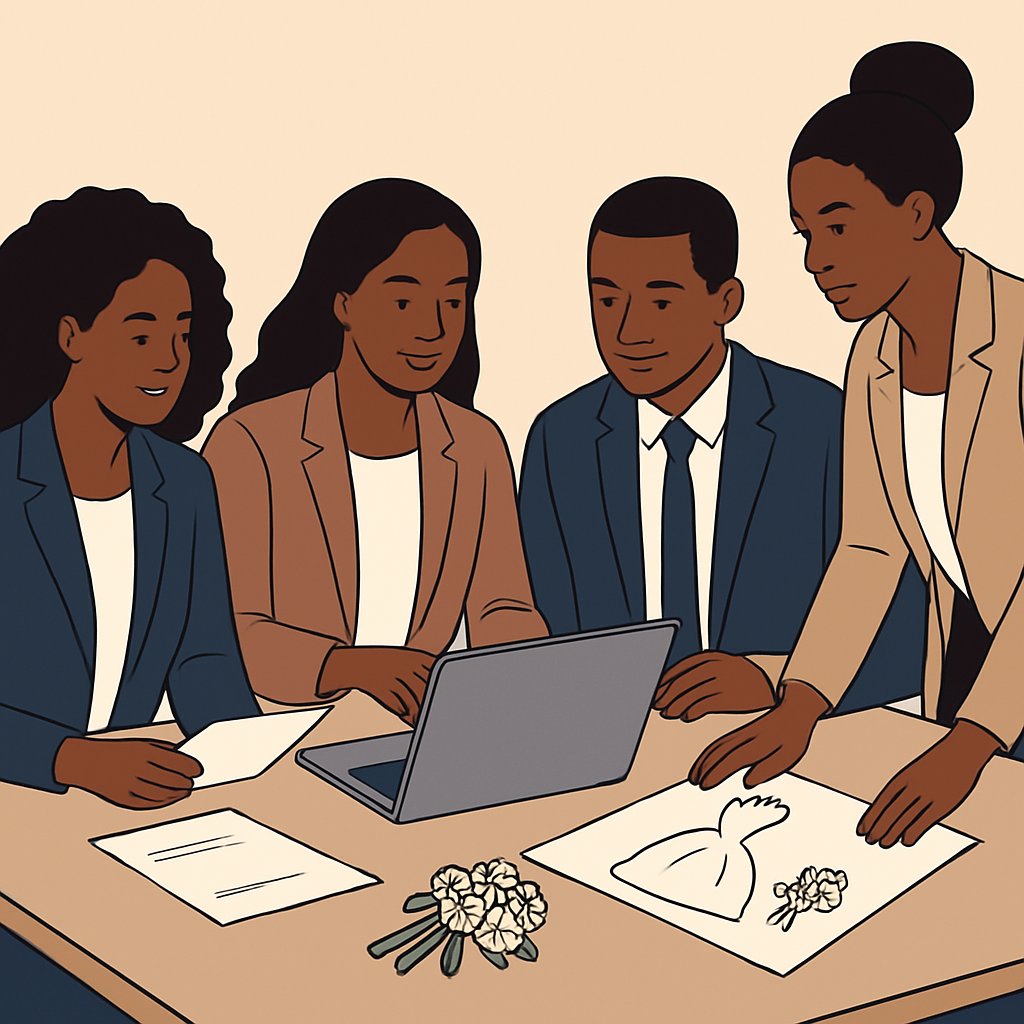
Showcasing Designer and Stylist Impact Through Wedding Case Studies
Elegant Garden Wedding in Charleston
Emma Caldwell, a renowned designer from Laurel Lane Creations, transformed the garden venue completely.
She incorporated soft pastels with lush greenery to create a dreamy atmosphere.
Meanwhile, stylist Marcus Lane curated the bridal party’s wardrobe to complement the setting perfectly.
His choice of flowing fabrics and subtle accessories enhanced the overall theme.
Together, their collaboration ensured a cohesive and unforgettable visual experience.
Modern Industrial Wedding in Brooklyn
Design agency Urban Muse Events led the decor with bold geometric elements and metallic hues.
Designer Nina Thompson utilized industrial materials creatively to maintain an edgy yet elegant vibe.
Stylist David Chen focused on sleek, contemporary fashion that harmonized with the venue’s raw aesthetics.
He selected tailored suits and minimalist dresses that reflected the couple’s style.
This seamless coordination between design and styling elevated the event’s distinct personality.
Romantic Vineyard Celebration in Napa Valley
Elena Rosetti of Bloom & Brush designed a palette inspired by vineyard sunsets and autumn tones.
She layered textures such as lace and velvet to evoke warmth and romance.
Stylist Jordan Reyes aligned the bridal party’s outfits to mirror the natural surroundings gracefully.
His attention to color matching enhanced the wedding photos dramatically.
Collectively, their efforts created an intimate and visually stunning celebration.
Key Contributions of Designers and Stylists in These Weddings
- Designers craft the event’s visual concept, setting the tone for all other elements.
- Stylists ensure that fashion choices complement the design, enhancing harmony among aesthetics.
- Collaboration between these professionals results in cohesive storytelling through visuals and apparel.
- Their expertise turns the couple’s vision into an immersive and memorable experience.
Lessons Learned From Successful Collaborations
Clear communication between designers, stylists, and other vendors is essential.
Early involvement of both professionals helps maintain consistent themes throughout the planning.
Flexibility and creativity allow teams to address unexpected challenges smoothly.
The blend of design and style shapes emotional connections for everyone present.
The Impact of Designers and Stylists on Bride and Groom Satisfaction
Creating a Personalized Wedding Experience
Designers and stylists tailor the wedding atmosphere to the couple’s unique vision.
They collaborate closely to ensure every detail aligns with personal style preferences.
As a result, couples feel more connected to their special day.
For example, Emily Grace Designs crafts bespoke decor that tells a couple’s love story.
Similarly, stylist Marco Alvarez coordinates wardrobe choices that enhance the overall theme.
Enhancing Visual Cohesion and Ambiance
Designers and stylists make the event visually seamless and engaging.
They select color palettes, textures, and patterns that complement each other.
Consequently, guests experience a harmonious aesthetic from start to finish.
Furthermore, these professionals adjust lighting and floral arrangements to evoke desired moods.
Elegant Touch Event Styling frequently uses these tactics to elevate wedding decor.
Reducing Stress and Increasing Confidence
Wedding planning can become overwhelming for couples without expert assistance.
Designers and stylists take charge of visual decisions, relieving pressure from the bride and groom.
This support allows couples to enjoy the journey and focus on their relationship.
Moreover, stylists like Olivia Chen provide wardrobe fittings that boost confidence and comfort.
Therefore, the day unfolds smoothly, increasing overall satisfaction.
Contributing to Memorable Wedding Experiences
Designers and stylists leave lasting impressions through thoughtful and creative touches.
They incorporate meaningful elements that resonate deeply with the couple and guests.
These moments become treasured memories cherished for years to come.
For instance, Luna & Co. Design Studio integrates cultural traditions into their styling concepts.
Additionally, stylist Javier Morales customizes looks that photograph beautifully and authentically.
Collaboration Within the Wedding Vendor Team
Designers and stylists work closely with photographers, caterers, and coordinators.
This teamwork ensures consistent execution of the couple’s vision throughout the event.
Furthermore, clear communication between vendors prevents last-minute mishaps.
Creative Concepts by Hannah often leads vendor meetings to align everyone’s efforts.
Ultimately, this collaborative spirit enhances the overall wedding experience and satisfaction.
Trends in Wedding Design and Styling Influencing Vendor Teamwork
Embracing Personalized and Experiential Weddings
Wedding designers increasingly focus on creating unique, personalized experiences.
Clients seek bespoke elements that reflect their individual love stories.
This trend encourages designers and stylists to collaborate closely with other vendors.
For example, Mia Landon from Enchanted Events coordinates with caterers and photographers.
Consequently, vendor teams align their services to craft cohesive and memorable celebrations.
Incorporating Sustainable and Eco-Friendly Designs
Many couples now prioritize sustainability in their wedding plans.
Designers like Oliver Crane integrate recycled and eco-conscious materials.
As a result, event rental companies and florists adjust their offerings accordingly.
This shared environmental commitment strengthens communication and planning among vendors.
Therefore, teams working with GreenLeaf Rentals experience smoother coordination.
Utilizing Technology for Seamless Collaboration
Technology plays a crucial role in enhancing vendor teamwork.
Stylists such as Zoe Hernandez use digital mood boards to unify the team’s vision.
Additionally, project management platforms help keep deadlines and details transparent.
This digital approach fosters efficiency among lighting designers, musicians, and caterers.
Moreover, it reduces misunderstandings and last-minute surprises during execution.
Blending Vintage and Modern Aesthetics
Current trends emphasize mixing classic charm with contemporary styles.
Designers like Ethan Palmer specialize in creating this balance.
They collaborate intensively with fabricators, rental vendors, and florists.
This convergence demands clear and ongoing communication among team members.
Subsequently, it ensures all elements harmonize perfectly on the wedding day.
Highlighting Color and Texture Innovation
Bold color choices and textured details shape trend-forward weddings.
Stylists such as Amara Singh experiment with new palettes and materials.
They work alongside floral designers and lighting specialists to enhance impact.
This innovation pushes vendors to share ideas and adapt flexibly.
Collaborative brainstorming sessions have become integral to successful event planning.
Enhancing Communication Among Designers, Stylists, and Vendors
Setting Expectations Early
Define roles and responsibilities before the planning begins.
Designers like Lucas Graham clarify their creative limits to avoid conflicts.
Additionally, stylists such as Elena Rivera communicate styling boundaries clearly.
This mutual understanding helps streamline decision-making throughout the process.
Using Visual Tools Effectively
Employ mood boards and sketches to ensure shared vision.
The Flourish Studio uses digital mood boards to coordinate visual concepts smoothly.
These tools help vendors visualize ideas and suggest improvements immediately.
Consequently, everyone works toward a cohesive wedding aesthetic.
Promoting Collaboration for Seamless Execution
Encouraging Open Feedback
Foster an environment where team members feel comfortable sharing opinions.
Stylists like Miriam Clarke regularly invite input from photographers and caterers alike.
This exchange enhances creativity and resolves issues early on.
Moreover, it strengthens professional relationships within the vendor team.
Scheduling Coordinated Planning Sessions
Regular meetings allow timely updates and collaborative troubleshooting.
Michael Chen, lead designer at Luxe Weddings, schedules weekly team calls.
These sessions synchronize efforts and prevent last-minute surprises.
As a result, timelines become manageable and less stressful for everyone.
Respecting Each Vendor’s Expertise
Value individual strengths and listen actively to their advice.
Stylists and designers appreciate when florists like Ava Robinson share insights on color trends.
This respect leads to innovative solutions benefiting the entire wedding plan.
Ultimately, it creates a harmonious working atmosphere and better client experiences.
Maintaining Flexibility and Problem-Solving Skills
Adapting to Unexpected Changes
Recognize that weddings often involve last-minute adjustments.
Designer Samuel Brooks suggests building contingency plans into timelines.
This readiness enables teams to respond calmly and efficiently.
Consequently, the overall event remains smooth despite unforeseen challenges.
Leveraging Technology for Coordination
Use shared calendars and project management tools like Asana or Trello.
Elena Vega, a stylist with Style & Grace Weddings, tracks appointments this way.
These methods enhance visibility and accountability across the vendor team.
Therefore, collaboration becomes more organized and less error-prone.
Additional Resources
Elegant Buttercream Cake for Somerley House Wedding
Recap/Breakdown of Large Nigerian-American Wedding (700 guests)


