




The Role of Marriage in Fostering Extended Family Networks in Nigerian Communities
Marriage as a Social Connector
Marriage acts as a powerful bond linking two families together.
It creates a foundation for extended family networks to grow.
In Nigerian communities, these connections are crucial for social cohesion.
Through marriage, individuals gain access to broader social support systems.
Consequently, families become interdependent, sharing resources and responsibilities.
Strengthening Kinship and Communal Support
Marriage reinforces kinship ties beyond the nuclear family.
This extended family system promotes mutual aid during celebrations and crises.
Nigerians often rely on these networks for financial and emotional support.
For example, couples like Emeka and Ifeoma often engage their families in child-rearing.
Similarly, elders in the community provide guidance and mediate conflicts.
Shared Responsibilities and Collective Growth
Extended families pool resources to improve their social and economic status.
This collective effort fosters growth and stability for future generations.
For instance, families may collaborate on farming or trade businesses.
Likewise, communal ceremonies offer opportunities to strengthen bonds and share wealth.
Ultimately, marriage symbolizes unity and shared visions for communal success.
Cultural Traditions That Promote Family Unity
Nigerian marriages involve elaborate rituals that unite families culturally.
These traditions deepen connections between diverse family members and clans.
Examples include the bride price, traditional weddings, and naming ceremonies.
Participation in such events fosters respect and loyalty among extended relatives.
Moreover, these customs preserve cultural identity and communal values across generations.
Marriage as a Foundation for Social Support Systems and Communal Cooperation
Building Strong Family Networks
Marriage creates the core unit of extended family networks in Nigerian communities.
These networks function as primary support systems during times of need.
For example, Adaeze and Emeka’s families often come together to assist each other.
Furthermore, marriage formalizes relationships that help strengthen social bonds.
Consequently, families collaborate to provide emotional and financial support.
Facilitating Communal Cooperation
Moreover, marriage encourages cooperation among different families within a community.
Lagos residents like Tunde and Amina demonstrate how married couples lead communal projects.
Community efforts often include farming cooperatives and shared celebrations.
These activities foster trust and mutual respect among neighbors.
As a result, marriage acts as a catalyst for local development initiatives.
Preserving Cultural Traditions and Values
Marriage serves as a key means of transmitting cultural traditions in Nigeria.
Couples often participate in ceremonies that reinforce community identity.
For instance, the Yoruba traditional wedding emphasizes family unity and respect.
Additionally, married couples educate children about communal values and customs.
This process helps maintain social cohesion across generations.
Enhancing Economic Collaboration
Marriage also strengthens economic ties between families and communities.
Newlyweds like Sola and Ijeoma often pool resources for shared ventures.
Joint economic activities include farming, trading, and artisan crafts.
By working together, families increase their financial stability.
Thus, marriage promotes cooperative economic growth within communities.
How Traditional Marriage Ceremonies Promote Cultural Unity and Shared Identity
Cultural Rituals as a Unifying Force
Traditional marriage ceremonies in Nigeria showcase rich cultural rituals.
These rituals bring families and communities together in celebration.
For example, the Yoruba engagement ceremony, known as Igba Nkwu, unites families.
Moreover, the Igbo Igbankwu ceremony emphasizes communal bonds and respect.
Therefore, these events reinforce shared cultural values across generations.
Community Participation and Social Cohesion
Community members actively participate in marriage ceremonies.
They contribute through roles such as musicians, elders, and food providers.
This collective involvement fosters a strong sense of belonging.
Additionally, ceremonies provide opportunities for dialogue and reconciliation.
Hence, they strengthen social cohesion within diverse groups.
Symbolic Expressions of Identity
Traditional attire worn during ceremonies highlights ethnic identity.
Colors and patterns often reflect clan or regional affiliations.
Wedding songs and dances tell stories of community heritage.
Furthermore, exchanging symbolic items preserves ancestral customs.
Consequently, these elements build pride and shared identity among attendees.
Passing Traditions to Future Generations
Marriage ceremonies serve as educational platforms for youth.
Young people learn cultural norms and histories from elders.
For instance, storytelling sessions during events explain clan origins.
Likewise, participation in rituals teaches responsibility and respect.
Thus, ceremonies ensure continuity of cultural unity through time.
Celebration of Diversity Within Unity
Nigeria’s many ethnic groups celebrate marriage uniquely but similarly.
Despite differences, ceremonies emphasize common community values.
Respect, hospitality, and family bonds unite various cultures.
Communities acknowledge this diversity while fostering mutual understanding.
This balance promotes harmony and a shared national identity.
See Related Content: Atinglez Cakes in Wuye Abuja | Custom Wedding Cake Design & Installation
The Impact of Marriage Alliances on Inter-Ethnic and Inter-Community Relationships
Promoting Social Unity Through Marriage
Marriage alliances create strong bonds between different ethnic groups.
These unions encourage mutual respect and understanding among communities.
For example, the marriage between Amina from Kano and Chinedu from Enugu blended Hausa and Igbo traditions.
Therefore, families learn about diverse cultural practices and values.
Such exchanges reduce prejudices and foster peaceful coexistence.
Strengthening Economic Cooperation
Marriage often links families engaged in varied economic activities.
Consequently, new business partnerships form across ethnic boundaries.
When Mariam from Ibadan married Emeka from Aba, their families shared trade networks.
This connection facilitated collaborative ventures and expanded markets.
Thus, marriage alliances serve as catalysts for local economic growth.
Cultural Exchange and Integration
Inter-community marriages promote blending of cultural festivities and customs.
For instance, traditional weddings combine Yoruba drumming with Tiv dance steps.
Children from these marriages grow up appreciating multiple heritages.
As a result, cultural barriers decline and integration rises.
This dynamic enriches Nigeria’s social fabric genuinely and deeply.
Building Peace and Resolving Conflicts
Marriage ties often play pivotal roles in conflict resolution.
Families linked by marriage work harder to maintain harmony.
The union of Fatima from Sokoto and Joseph from Jos helped ease community tensions.
Relatives act as mediators and peace advocates during disputes.
Thus, marriage contributes to lasting peace in multi-ethnic environments.
Expanding Social Networks and Support Systems
Marriage alliances broaden individuals’ social circles significantly.
They connect families and friends across regions and cultures.
These networks increase social support in times of need.
For example, during festivals, families share resources and celebrate collectively.
In this way, marriage strengthens communal ties and mutual assistance.
Examples of Inter-Ethnic Marriage Influences
In Lagos, the union of Chika, an Igbo banker, and Bola, a Yoruba teacher, united their communities.
Similarly, the marriage of Hadiza from Kaduna and Musa from Benin enhanced cultural harmony.
These marriages demonstrate the positive ripple effects on local neighborhoods.
Moreover, they inspire younger generations to embrace diversity confidently.
Gain More Insights: Trendsetters Studio Event Photography and Videography Services in Abia
Marriage as a Vehicle for Economic Collaboration and Resource Sharing Among Families
Strengthening Economic Bonds Between Families
Marriage in Nigerian communities often goes beyond a union of two individuals.
It creates a powerful link connecting two families economically.
Through marriage, families combine their financial resources and skills.
This union strengthens economic stability and opens new opportunities.
Moreover, marriages foster partnerships that facilitate shared investments.
Families pool money to start or expand businesses collectively.
For example, the Okafors and the Adenugbas jointly invested in a chain of agricultural shops.
Consequently, these collaborations create lasting wealth within communities.
Resource Sharing to Benefit Extended Families
Marriage allows families to share essential resources effectively.
Land, housing, and equipment become accessible to an extended network.
For instance, Emmanuel and Chidinma’s families share farmland to boost crop production.
This cooperation reduces individual costs and maximizes productivity.
Additionally, shared resources promote mutual aid during financial hardships.
Families support each other by lending tools or offering labor during planting seasons.
Besides economic benefits, this sharing strengthens social ties and trust.
Collaborative Business Ventures Inspired by Marriage
Married couples often inspire collaborative business projects between families.
They act as bridges, encouraging parents and siblings to work together.
Take the case of Tunde and Fatima, whose families launched a textile manufacturing venture.
This enterprise combines diverse skills from both sides of the family.
It also opens larger markets for their products within neighboring towns.
Such joint ventures improve income and create employment for community members.
Therefore, marriage plays a vital role in driving local economic growth.
Gain More Insights: SipsNSwirls Haven Mobile Bartending Services in Ojodu Berger, Nigeria
The Influence of Marital Unions on Youth Integration and Community Leadership
Fostering Social Bonds Among Youth
Marriage creates strong social bonds that connect young people to their communities.
These unions encourage youth to participate in communal activities more actively.
Consequently, young couples often establish networks that support collective goals.
Moreover, marriage reinforces shared values and cultural traditions among younger generations.
As a result, this strengthens cohesion and reduces social isolation within communities.
Empowering Youth Through Family Responsibilities
Marriage assigns important family responsibilities to young individuals.
Taking on these roles encourages youth to develop leadership skills.
They become more accountable and dedicated to improving community welfare.
In addition, married youth often inspire peers to follow positive pathways.
Thus, marriage serves as a catalyst for personal growth and communal involvement.
Marriage as a Pathway to Community Leadership
Marital unions often position young people to assume leadership roles in their communities.
Leadership qualities emerge as couples collaborate on family and social matters.
Furthermore, married individuals gain respect that helps them influence local decision-making.
Likewise, established family ties enhance trust between leaders and the community.
Therefore, marriage acts as a bridge linking youth to traditional and modern governance.
Strengthening Intergenerational Connections
Marriage connects youth with elders who provide guidance and wisdom.
These connections foster mentorship that shapes future community leaders.
Additionally, shared family networks create strong support systems for youth.
Many young couples benefit from elders’ experiences in navigating social responsibilities.
As a result, communities retain cultural heritage while encouraging youth innovation.
Community Benefits from Youth Marital Unions
The community gains stability as marriage promotes social order among youth.
Marriage encourages cooperation in addressing local challenges and opportunities.
It also facilitates the transmission of ethical values and community norms.
Besides, families formed through marriage contribute economically to communal development.
Ultimately, the collective strength of married youth drives community progress forward.
Discover More: Eventsforce GUARD Agency in Lagos – Bouncers and Crowd Control Services
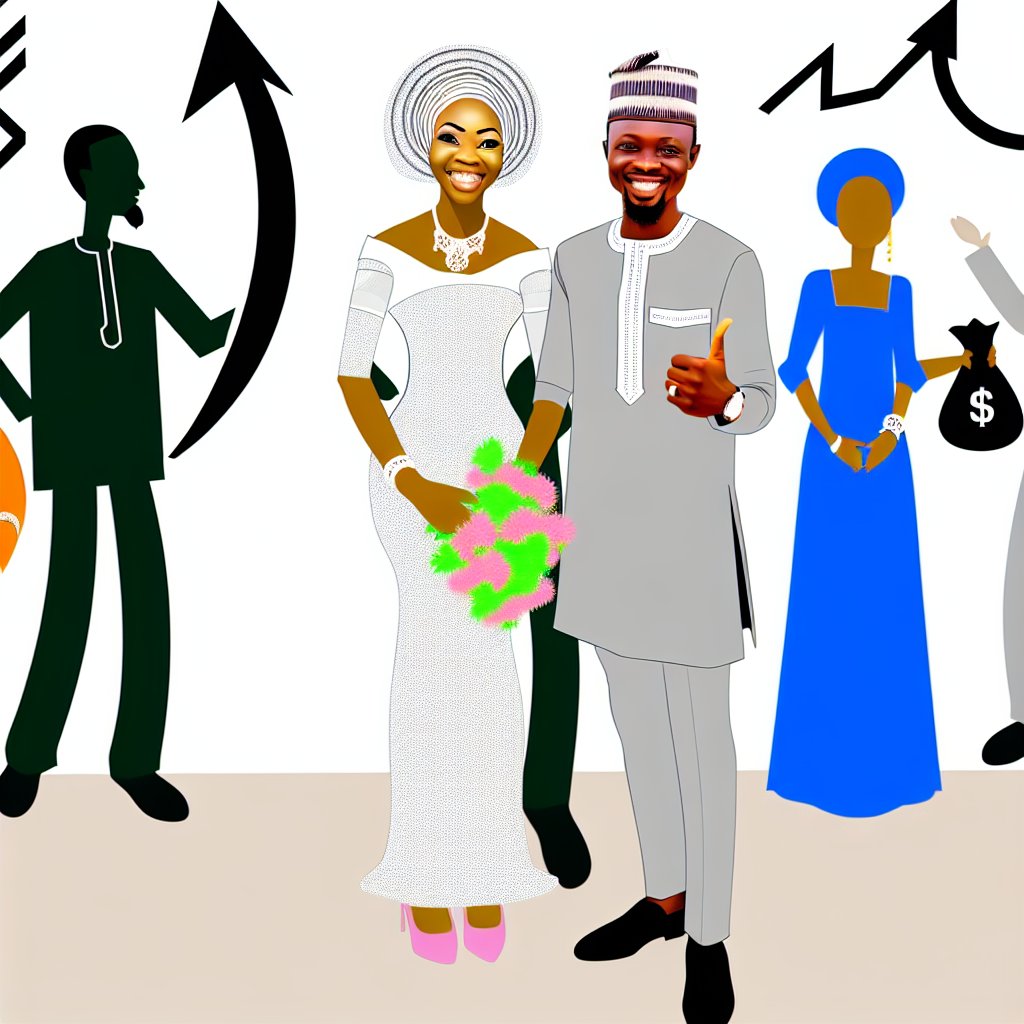
Role of Marriage in Maintaining Social Norms
Marriage as a Social Framework
Marriage creates a structured environment where social norms are reinforced daily.
It sets expectations for behavior that align with community values.
Through marriage, families transmit traditions from one generation to another.
Moreover, marriage supports social order by defining roles within households.
The union promotes respect, responsibility, and cooperation among community members.
Therefore, marriage acts as a key institution in preserving societal stability.
Transmission of Values Through Marriage
Couples often embody and exemplify core cultural values in their relationships.
Children raised in married households learn honesty, loyalty, and respect firsthand.
Elder family members guide young couples in upholding these traditional values.
Also, communal ceremonies linked to marriage reaffirm collective beliefs and morals.
Thus, marriage helps embed shared values deeply within communities.
Marriage and Conflict Resolution in Nigerian Communities
Marriage as a Bridge Between Families
Marriage frequently unites different families, creating bonds that foster peace.
These alliances reduce potential disputes through strengthened inter-family relationships.
Families often meditate conflicts with a focus on preserving marital harmony.
Community elders play a vital role in facilitating these reconciliations.
Consequently, marriage helps prevent prolonged feuds between extended kin groups.
Community-Based Conflict Resolution Mechanisms
Nigerian communities use marriage-related forums to address social disagreements.
Rituals and gatherings around marriage celebrations provide venues for dialogue.
Disputes involving married couples are resolved with input from family elders.
Such conflict resolution strengthens trust and cooperation within the community.
Therefore, marriage indirectly supports peaceful coexistence through cultural practices.
Community Involvement in Marriage Celebrations
Role of Family and Neighbors
Community members actively participate in marriage events across Nigerian villages and towns.
Family elders lead traditional rites.
This leadership strengthens intergenerational ties.
Neighbors offer support through preparations and sharing resources.
Moreover, women’s groups often organize cooking and decorations together.
Such involvement fosters mutual respect and collective responsibility.
Celebrations as a Social Gathering
Marriage ceremonies serve as important social occasions for communities.
People from diverse backgrounds gather to celebrate the union of a couple.
Consequently, these events encourage friendships and networking among attendees.
Music, dancing, and cultural performances create a festive atmosphere.
Additionally, communal meals allow guests to bond over shared experiences.
Enhancement of Social Cohesion
Strengthening Cultural Identity
Marriage rituals showcase unique cultural customs and traditional values.
Community members take pride in preserving ancestral practices during celebrations.
This shared cultural expression unites different generations within the group.
Furthermore, it educates younger people about their heritage and responsibilities.
Thus, cultural continuity strengthens community identity and belonging.
Building Support Networks
Marriage events provide opportunities to resolve conflicts and build trust.
As neighbors collaborate, they create lasting social support systems.
These networks help during personal and communal challenges later on.
In addition, marriage alliances often link families economically and politically.
Such ties improve community resilience and cooperation over time.
Celebration Practices that Unite
Communities engage in collective activities including gift exchanges and prayers.
These shared practices emphasize solidarity and collective joy.
Also, storytelling and proverbs during festivities reinforce common values.
Community-wide participation ensures no one feels excluded or isolated.
Therefore, marriage celebrations become a foundation for stronger social cohesion.
Marriage and Its Role in Preserving Communal Traditions and Heritage
Marriage as a Cultural Anchor
Marriage serves as a vital foundation for sustaining Nigerian cultural heritage.
It brings families and communities together, reinforcing shared values and customs.
Through marriage, elders pass down rituals that define communal identities.
Consequently, ceremonies like traditional weddings highlight cultural continuity.
These events showcase indigenous dress, music, and dance, strengthening cultural awareness.
Transmission of Language and Customs
Marriage promotes the use of native languages within extended families.
Couples often teach their children local dialects and storytelling traditions.
This language preservation enhances intergenerational communication and understanding.
Moreover, customary practices such as festivals and rites of passage are celebrated collectively.
Such observances ensure that Nigerian heritage remains vibrant and respected.
Strengthening Communal Bonds Through Family Networks
Marriage links distinct family groups, expanding social networks in communities.
These connections foster mutual support during economic or social challenges.
In addition, marriage alliances promote cooperation among diverse ethnic groups.
Communities often collaborate on projects, festivals, and conflict resolution through kinship ties.
Thus, marriage enhances unity and contributes to local stability.
Role of Marriage in Traditional Leadership and Social Structures
Married couples frequently participate in community decision-making bodies.
Traditional leaders consider marriage alliances when forming political or social coalitions.
Besides, marriages can legitimize claims to hereditary titles or land ownership.
This system preserves historical governance frameworks essential to Nigerian societies.
Therefore, marriage supports both social order and cultural legacy.
Common Practices That Reflect Community Heritage
Marriage celebrations feature communal feasts that reinforce social cohesion.
They also involve gift exchanges symbolizing respect and allegiance among families.
Music and dance performed during weddings highlight the region’s unique artistic heritage.
Local artisans craft attire and decorations that celebrate traditional aesthetics.
In this way, marriage ceremonies become living showcases of Nigerian cultural richness.
Additional Resources
PH, Nigeria Strengthen Ties On Trade, Aquaculture, Anti-Drug …
(PDF) Community Support As A Buffer Against Economic Stress …


