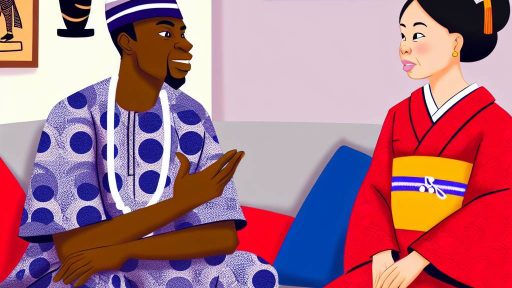




Understanding the Cultural Backgrounds of Both Partners
Recognizing Diverse Nigerian Ethnicities
Nigeria hosts over 250 ethnic groups.
Each group has unique traditions and values.
Couples must appreciate their respective ethnic heritages.
The Yoruba, Igbo, and Hausa-Fulani cultures differ significantly in customs.
Respecting these differences helps partners build trust and understanding.
The Role of Family and Community
Nigerian families often play a crucial role in shaping cultural identities.
Extended family influence affects decision-making in many marriages.
Couples must be aware of family expectations and obligations.
This awareness reduces misunderstandings and enhances communication.
Language and Communication Styles
Language differences commonly arise in multicultural Nigerian marriages.
Nonverbal communication varies across different ethnic groups.
Paying attention to tone, gestures, and expressions prevents misinterpretations.
Partners should clarify meanings to avoid conflicts.
Religious Beliefs and Practices
Religion strongly influences Nigerian cultural values and marriage customs.
Couples often belong to Christian, Muslim, or traditional faiths.
Understanding each other’s religious views fosters respect and compromise.
Partners can celebrate shared beliefs and navigate differences peacefully.
Celebrating Cultural Traditions Together
Incorporating both partners’ cultural rituals strengthens marital bonds.
Participating in weddings, festivals, and holidays creates shared memories.
Such participation demonstrates appreciation for each partner’s identity.
Consequently, couples grow closer and enhance mutual respect.
Encouraging Open Dialogue About Culture
Open communication helps partners express cultural expectations and concerns.
They should discuss values, customs, and possible areas of conflict.
Listening attentively promotes empathy and reduces assumptions.
Ongoing dialogue builds a solid foundation for resolving issues.
Seeking Cultural Knowledge and Education
Couples benefit from learning about each other’s cultures through books and events.
Attending cultural workshops or speaking with elders can provide insights.
Gaining knowledge diminishes stereotypes and encourages openness.
Continuous learning nurtures a harmonious marriage environment.
Recognizing Common Sources of Conflict in Culturally Diverse Nigerian Marriages
Cultural Differences and Expectations
Cultural backgrounds deeply influence individual values and behaviors.
For example, Ijeoma from Igbo culture and Okechukwu from Yoruba culture may hold different marriage customs.
These differences often create misunderstandings between couples.
Moreover, varying expectations about gender roles can spark disagreements.
While Ijeoma expects shared household duties, Okechukwu adheres to traditional roles.
Consequently, these contrasting views may lead to tension at home.
Communication Styles and Language Barriers
Effective communication is vital in resolving marital conflicts.
However, unique communication styles in different Nigerian cultures can cause friction.
For instance, direct communication preferred by some tribes may feel confrontational to others.
Additionally, multiple indigenous languages may create language barriers between spouses.
Obinna, a Hausa speaker, might struggle to express emotions to his Edo-speaking wife, Amaka.
Therefore, misinterpretations arise more frequently in such unions.
Family Influence and Traditions
Extended family involvement plays a significant role in Nigerian marriages.
Families often expect adherence to their cultural traditions.
Chinedu’s family may pressure him to honor Igbo rites, while Hadiza’s may insist on Hausa customs.
This external pressure can escalate conflicts between spouses.
Furthermore, differing opinions on child-rearing and celebrations may arise.
Hence, couples must navigate family expectations carefully to maintain harmony.
Religious Differences in Marriage
Religion is a prominent source of identity and guidance in Nigeria.
Interfaith marriages between Christians and Muslims face unique challenges.
For example, Christian Adebola and Muslim Musa may disagree on worship and holiday practices.
Such differences can cause emotional distance and misunderstanding.
Moreover, decisions about children’s religious upbringing can become contentious issues.
Financial Management and Decision-Making
Financial matters consistently rank high among marital conflicts.
Culturally diverse couples often have diverse perspectives on money management.
Uche prefers joint financial planning, while Bukola values financial independence.
These differences can create mistrust and arguments about spending habits.
Additionally, obligations to extended families affect financial priorities.
Therefore, clear communication and compromise are essential to ease tensions.
Social and Community Pressures
Nigerian society often has strong opinions about culturally diverse marriages.
Friends and community members may influence spouses’ attitudes and loyalties.
Maryam faces criticism from her Hausa community for marrying a Fulani man, Suleiman.
Such social pressures can create stress and strain the marital bond.
Also, differing views on social roles may cause frequent disagreements.
Couples must support one another to overcome external judgments and maintain unity.
Importance of Open and Respectful Communication
Creating a Foundation of Trust
Open communication builds trust in culturally diverse marriages.
When partners share their thoughts honestly, they foster mutual understanding.
Respectful dialogue ensures both voices are heard fully and fairly.
For example, Chinedu and Amina often express their feelings openly to avoid misunderstandings.
Consequently, they strengthen their emotional connection daily.
Understanding Cultural Differences Through Dialogue
Different cultural backgrounds bring unique perspectives to a marriage.
Therefore, partners must communicate to appreciate these differences.
Respectful conversations reduce assumptions and cultural stereotypes.
For instance, Ngozi explains her Igbo traditions patiently to Musa, who reciprocates with his Hausa customs.
As a result, they create shared values rooted in respect.
Strategies for Practicing Effective Communication
Active Listening
Active listening allows couples to fully understand each other’s viewpoints.
Additionally, it shows genuine respect and interest during discussions.
Mariam listens carefully when Obinna shares his challenges during family disagreements.
This habit helps them resolve conflicts faster and deeper.
Using “I” Statements
Using “I” statements reduces blame and defensiveness.
For example, saying “I feel hurt when…” expresses emotions without attacking.
Likewise, this technique promotes empathy and openness between spouses.
Fatima often uses this approach when discussing sensitive cultural expectations with Emeka.
Scheduling Regular Check-ins
Consistent communication prevents issues from escalating in diverse marriages.
Thus, setting aside time to talk ensures continuous emotional connection.
Both Olabisi and Tunde allocate weekly evenings for open conversations.
This practice strengthens their relationship and diminishes misunderstandings.
Benefits of Maintaining Respectful Interactions
- Enhances emotional safety by minimizing judgment.
- Encourages compromise and problem-solving together.
- Supports cultural identity without forcing conformity.
- Deepens intimacy through authentic sharing.
- Builds resilience against external cultural pressures.
Respectful communication turns cultural diversity into a relationship asset.
Therefore, committed couples thrive by embracing openness and kindness in dialogue.
Learn More: Tips for Building a Balanced Marriage in Nigerian Society
Practicing Active Listening to Appreciate Different Perspectives
Embracing Openness in Conversations
Active listening starts with a willingness to be open and attentive.
For instance, Ngozi patiently listens when her husband, Emeka, shares his cultural views.
This openness allows partners to express their thoughts without fear of judgment.
Consequently, it creates a safe space for sharing diverse cultural experiences.
Understanding Cultural Nuances through Listening
Each Nigerian culture carries unique values and communication styles.
Therefore, careful listening helps decode subtle meanings embedded in conversations.
Chinwe notices that her Yoruba husband’s expressions differ from her Igbo upbringing.
Thus, she avoids misunderstandings by paying close attention to his words.
Techniques for Effective Active Listening
Firstly, maintain eye contact to signal genuine interest.
Next, avoid interrupting your partner mid-sentence.
Furthermore, use brief verbal acknowledgments like “I see” or “Go on.”
Additionally, paraphrase their statements to confirm your understanding.
For example, Tunde repeats his wife Amina’s concerns to show empathy.
Benefits of Appreciating Different Perspectives
Active listening strengthens emotional connections between spouses.
Moreover, it reduces conflicts by clarifying intentions and feelings.
Besides, it fosters mutual respect and appreciation for each other’s background.
Eventually, couples like Bola and Fatima build a harmonious marriage despite cultural differences.
Common Challenges and How to Overcome Them
Sometimes, personal biases block effective listening.
To overcome this, Remi reminds himself to focus on his partner’s viewpoint fully.
Also, distractions like smartphones disrupt attentive conversations.
Therefore, Adanna suggests putting devices away during important talks.
Finally, misinterpretations occur without clarifying questions.
Hence, always ask politely if something is unclear before assuming.
Explore Further: The Role of Respect in Nigerian Marital Relationships
Establishing Shared Values While Respecting Cultural Differences
Recognizing the Importance of Shared Values
Shared values create a strong foundation for any marriage.
In Nigerian marriages, these values provide unity despite cultural diversity.
Respect for commitment, love, and family often unites couples.
Moreover, discussing core beliefs early prevents misunderstandings later.
Therefore, couples like Chinedu and Amaka benefit from establishing common ground.
Appreciating and Respecting Cultural Differences
Cultural differences bring richness to Nigerian marriages.
However, they can also cause conflicts if ignored or misunderstood.
For example, Olu and Fatimah value different languages and traditions.
Consequently, they take time to learn about each other’s backgrounds.
Respecting these differences fosters empathy and strengthens their bond.
Practical Ways to Balance Shared Values and Cultural Identities
Open communication helps couples express their values clearly.
Additionally, setting aside time for cultural celebrations honors both traditions.
Couples should create rituals combining elements from each culture.
For instance, Ijeoma and Kelechi host joint family gatherings featuring diverse customs.
Listening actively to each other promotes mutual respect and understanding.
Furthermore, agreeing on core principles helps resolve disagreements calmly.
Building Respect Through Joint Decision-Making
Making decisions together shows respect for both partners’ opinions.
This approach prevents dominance by one culture over the other.
For example, Nneka and Musa jointly decide on child-rearing practices blending their cultures.
Such collaboration empowers couples and promotes harmony.
It also models respect for future generations within the family.
Seeking Guidance from Trusted Community Members
Sometimes, couples benefit from advice by elders or counselors.
Experienced relatives like grandparents offer valuable cultural insights.
Marriage counselors familiar with Nigerian diversity can mediate challenges.
For example, Amina and Emeka consulted an elder from their community for advice.
This guidance helped them navigate conflicting cultural expectations respectfully.
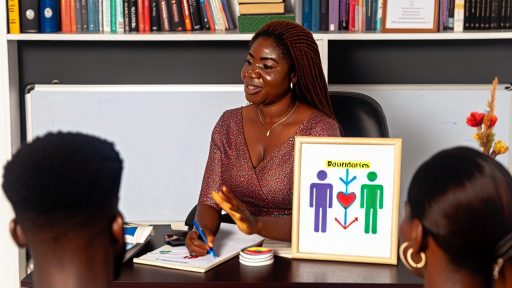
Discover More: The Importance of Setting Boundaries in Nigerian Marriages
Seeking Mediation Through Family Elders or Community Leaders When Needed
The Role of Family Elders in Conflict Resolution
Family elders hold a respected position in Nigerian culture.
They often provide wisdom and guidance during marital conflicts.
Consequently, couples turn to elders for advice and mediation.
Elders use their experience to understand each side of the disagreement.
Therefore, they help foster reconciliation and restore harmony.
Community Leaders as Neutral Mediators
Community leaders play a vital role in resolving disputes.
They are usually impartial and well-respected within the community.
Thus, couples can seek their help when family mediation is insufficient.
Leaders facilitate open dialogue and encourage mutual understanding.
In addition, they uphold cultural values and promote peaceful solutions.
Knowing When to Seek Mediation
Couples should recognize when conflicts escalate beyond personal resolution.
For example, persistent disagreements may harm the marriage’s foundation.
At this point, seeking mediation is a practical step forward.
In doing so, couples demonstrate commitment to resolving their issues.
Moreover, timely mediation prevents conflicts from lasting unnecessarily.
Preparing for a Mediation Session
Respectfully approach elders or leaders with a clear explanation of the problem.
Be honest but tactful when discussing sensitive matters during mediation.
Active listening helps all parties understand different cultural perspectives.
Both partners should express their feelings openly but respectfully.
Lastly, maintain patience throughout the mediation process to achieve positive results.
Benefits of Mediation in Culturally Diverse Nigerian Marriages
- Mediation strengthens family bonds by involving trusted elders.
- It reinforces respect for cultural traditions and community values.
- The process encourages compromise and collaborative problem-solving.
- It helps bridge cultural differences within the marriage.
- Mediation often leads to sustainable and peaceful resolutions.
See Related Content: How to Navigate Cultural Differences in Marriage

Balancing Traditional Customs with Modern Relationship Expectations
Respecting Cultural Heritage in Marriage
Nigerian marriages often blend diverse cultural traditions.
Respecting these customs strengthens family bonds and identity.
For example, Amaka and Chinedu honor their Igbo and Yoruba backgrounds.
They involve elders in important decisions to maintain tradition.
Moreover, they celebrate cultural festivals to reinforce their heritage.
Embracing Modern Relationship Dynamics
At the same time, modern couples like Fatima and Kunle expect equality and open communication.
They prioritize mutual understanding and personal growth within the marriage.
Additionally, they share household responsibilities irrespective of traditional gender roles.
Technology also plays a role in connecting families across distances.
Consequently, couples create new norms that reflect contemporary values.
Integrating Tradition and Modernity in Conflict Resolution
Couples often face challenges balancing respect for customs with personal needs.
For instance, disagreements may arise over family involvement in decision-making.
Effective communication helps both partners express their expectations clearly.
Furthermore, involving trusted family members can mediate conflicts respectfully.
Importantly, couples like Adaeze and Ibrahim agree to compromise while honoring their roots.
Strategies to Harmonize Differences
- Discuss cultural values openly without judgment.
- Set boundaries around family influence thoughtfully.
- Emphasize shared goals for the marriage.
- Take time to learn each other’s customs.
- Seek counseling from culturally sensitive professionals when needed.
These approaches nurture understanding and reduce conflicts effectively.
Developing Conflict Resolution Skills Tailored to Diverse Cultural Contexts
Recognizing Cultural Differences in Conflict
Understanding cultural backgrounds helps identify the root causes of conflicts.
For example, the communication style of a Yoruba spouse may differ from an Igbo partner.
Moreover, traditions and values influence how conflicts arise and are resolved.
Therefore, recognizing these differences builds empathy between partners.
It also allows couples to approach disagreements with greater sensitivity.
Effective Communication Across Cultures
Clear communication prevents misunderstandings in culturally diverse marriages.
Spouses should actively listen and respect each other’s viewpoints.
Additionally, avoiding assumptions helps reduce false interpretations.
Using “I” statements expresses feelings without blaming the other person.
Furthermore, confirming understanding ensures both partners stay on the same page.
Building Mutual Respect and Understanding
Respecting cultural practices fosters harmony in a Nigerian marriage.
Couples should celebrate their differences rather than view them as obstacles.
Engaging in shared cultural rituals can strengthen the marital bond.
Moreover, patience is key when adapting to unfamiliar customs.
This openness encourages trust and reduces conflict frequency.
Practical Conflict Resolution Techniques
Adopting culturally sensitive mediation techniques benefits conflict resolution.
For instance, involving respected elders like Chief Olumide can aid in negotiations.
Couples may also agree on cooling-off periods before discussing hot topics.
They should create a safe space where both partners freely express concerns.
Additionally, seeking professional counseling with experts familiar with Nigerian cultures can help.
Commitment to Continuous Learning and Adaptation
Couples must commit to learning about each other’s cultural backgrounds.
This effort reduces cultural misunderstandings that spark conflicts.
Attending cultural events together broadens awareness and appreciation.
Moreover, adapting conflict strategies as the relationship grows is essential.
Regularly revisiting conflict approaches fosters ongoing improvement and harmony.
Emphasizing Empathy and Patience in Resolving Misunderstandings
The Role of Empathy in Culturally Diverse Marriages
Empathy allows partners like Chinedu and Amina to genuinely understand each other’s feelings.
It fosters respect for diverse backgrounds within Nigerian marriages.
Moreover, empathy reduces the chances of conflict escalation.
By putting yourself in your spouse’s shoes, you appreciate their perspective better.
Therefore, empathy builds a strong emotional connection despite cultural differences.
Practicing Patience as a Key Conflict Resolution Tool
Patience helps couples navigate misunderstandings calmly.
It encourages listening fully before responding during disagreements.
For instance, Olu and Amaka use patience to bridge gaps in communication styles.
Consequently, patience promotes thoughtful discussions rather than impulsive reactions.
Furthermore, it allows time for emotions to settle before finding solutions.
Steps to Cultivate Empathy and Patience Daily
Start by actively listening without interrupting during conversations.
Ask clarifying questions to avoid assumptions about your partner’s intentions.
Show appreciation for cultural traditions that may be unfamiliar to you.
Practice deep breathing techniques to maintain calm during tense moments.
Share personal stories to deepen mutual understanding and connection.
Lastly, remind yourself that your partner’s differences enrich your marriage.
Benefits of Empathy and Patience in Nigerian Marriages
- Builds trust and emotional safety between spouses.
- Enhances effective communication across cultures.
- Reduces misunderstandings and unresolved conflicts.
- Creates a supportive environment for growth as a couple.
- Strengthens the resilience needed to face challenges together.
Creating a Supportive Environment for Continuous Dialogue and Compromise
Fostering Open and Respectful Communication
Open communication forms the foundation of a supportive marital environment.
Couples like Chinedu and Amaka share their feelings without judgment.
This openness encourages understanding even during disagreements.
Respectful listening ensures that both partners feel valued and heard.
Consequently, it minimizes misunderstandings rooted in cultural differences.
Establishing Regular Dialogue Rituals
Setting aside time for regular conversations promotes continuous dialogue.
Olubunmi and Emeka, a couple from Lagos, dedicate weekly evenings for talks.
This habit helps them address issues before they escalate.
Moreover, consistent dialogue strengthens emotional bonds over time.
Therefore, it becomes easier to navigate conflicts that arise from cultural expectations.
Encouraging Empathy and Cultural Awareness
Empathy plays a vital role in bridging cultural gaps in marriage.
By actively trying to understand each other’s backgrounds, couples grow closer.
For example, Ifeanyi learns about Amina's Hausa traditions with genuine interest.
This knowledge reduces preconceived notions and fosters patience.
Thus, empathy becomes an essential tool for reaching compromise.
Promoting Compromise as a Shared Goal
Marriage thrives when both partners commit to mutual compromise.
Rather than insisting on individual preferences, couples should seek common ground.
Lekan and Zainab negotiate holiday celebrations to respect both Yoruba and Fulani customs.
Such compromises demonstrate respect and flexibility in diverse marriages.
Ultimately, shared compromise nurtures harmony and long-term partnership.
Utilizing Conflict Resolution Techniques
Effective conflict resolution skills strengthen a supportive environment.
Techniques such as active listening and calm discussion help de-escalate tensions.
For example, Mariam suggests pause breaks during heated moments with Yusuf.
They then revisit unresolved issues calmly and thoughtfully.
This approach develops patience and reinforces dialogue over domination.
Creating a Safe Space for Honest Expression
Couples should cultivate environments where honesty feels safe and welcomed.
Chuka and Adaeze encourage each other to share worries without fear of rejection.
This security nurtures vulnerability crucial for genuine understanding.
Additionally, it allows partners to express culturally sensitive concerns openly.
Therefore, safety bolsters constructive conversations and collaborative solutions.
Seeking External Support to Enhance Communication and Compromise
Sometimes external guidance improves communication and compromise efforts.
Culturally aware counselors like Mrs. Adebayo provide valuable perspectives.
Her advice helps couples navigate conflicting traditions respectfully.
Likewise, community support groups offer shared experiences and encouragement.
Thus, professional and social resources enhance a supportive environment effectively.
Additional Resources
Exploring the Effectiveness of Premarital Counselling in Reducing …
There have been numerous posts discussing the issue of husbands …