



Introduction to Marriage Types in Nigeria
Civil Marriages
Civil marriages in Nigeria take place under the Marriage Act.
They are registered and recognized by the government.
Consequently, civil marriages provide legal protection for couples.
Additionally, couples obtain a marriage certificate as official proof.
Civil weddings often occur in registry offices or licensed venues.
This type of marriage appeals to couples seeking a formal legal union.
Traditional Marriages
Traditional marriages celebrate cultural customs and heritage.
They involve families negotiating bride price and marital obligations.
Moreover, these ceremonies reflect diverse ethnic practices across Nigeria.
Such marriages emphasize communal bonds and ancestral ties.
Traditional weddings usually include elaborate festivities and symbolic rituals.
However, recognition of traditional marriages depends on subsequent registration.
Religious Marriages
Religious marriages occur within a faith-based context.
They follow specific doctrines of churches or mosques.
Religious weddings often complement civil or traditional unions.
They focus on spiritual commitment and blessings from religious leaders.
Christian and Islamic marriages are the most common religious types in Nigeria.
Religious ceremonies vary significantly depending on denominational beliefs.
Legal Requirements and Implications of Civil Marriages in Nigeria
Legal Framework Governing Civil Marriages
The Matrimonial Causes Act regulates civil marriages in Nigeria.
Additionally, the Marriage Act sets out detailed procedures and legal requirements.
Civil marriages recognize unions between consenting adults, regardless of religion.
The law applies nationwide, promoting uniformity across all states.
It requires parties to be of marriageable age, typically 18 years or older.
Essential Steps to a Valid Civil Marriage
Couples must give a notice of marriage to the Registrar of Marriages.
The notice is publicly displayed for 21 days to allow objections.
After the waiting period, the Registrar schedules a marriage ceremony.
The ceremony must occur at a government registry or authorized venue.
Two witnesses are required to validate the marriage during the ceremony.
Documentation and Verification
Applicants must provide birth certificates or credible age evidence.
Valid identification such as national ID cards or passports is mandatory.
Divorcees need certified divorce decrees to remarry legally.
Widows or widowers must submit death certificates of former spouses.
The Registrar retains all marriage records officially for future reference.
Legal Implications of Civil Marriage
Civil marriage grants spouses legal rights in property ownership and inheritance.
It entitles couples to spousal benefits like pensions and social welfare.
Married couples must adhere to laws regarding maintenance and custody of children.
Civil marriage allows legal recourse in cases of divorce or separation.
Additionally, it protects parties from forced or fraudulent marriages.
Differences from Other Marriage Types
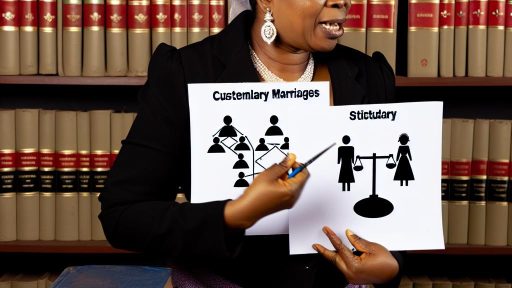
Civil marriages differ from traditional marriages by emphasizing statutory law.
Unlike religious marriages, civil unions are secular and inclusively designed.
Civil marriage certificates are widely accepted for official and legal purposes.
Consequently, this marriage type suits couples seeking government recognition quickly.
Civil marriages enhance legal protection and social acknowledgment for couples.
Cultural Significance and Practices Involved in Traditional Nigerian Marriages
Deep Rooted Cultural Importance
Traditional Nigerian marriages hold immense cultural significance across various ethnic groups.
They celebrate more than a union.
They affirm family ties and community bonds.
Moreover, these marriages preserve ancestral customs and values unique to each tribe.
Families use them to express respect for heritage and social identity.
Therefore, traditional weddings often symbolize continuity between past and future generations.
Pre-marriage Customs and Rituals
The process starts with formal introductions between the bride and groom’s families.
Often called the “knocking” ceremony, it serves as an official proposal.
Subsequently, both families discuss bride price and other marriage terms.
This negotiation respects cultural protocols and strengthens mutual understanding.
Additionally, rituals such as prayers and libations seek blessings from ancestors.
Key Elements of Traditional Wedding Ceremonies
The ceremonies feature vibrant attire reflecting the couple’s ethnic origins.
Commonly, brightly colored fabrics and intricate beads highlight the bride’s outfit.
Music and dance play a crucial role in celebrating the union joyfully.
Community participation is essential, with relatives and neighbors joining festivities.
Furthermore, the exchange of gifts represents goodwill between families.
Symbolic Acts During the Ceremony
One significant act is the presentation of kola nuts, symbolizing hospitality and respect.
Another important ritual involves the bride’s family officially handing her over to the groom.
These gestures reinforce trust and commitment between the two families.
The ritual feeding of the couple with traditional food signifies unity and shared destiny.
Collectively, these acts marry cultural meanings with personal promises.
Ongoing Influence on Modern Nigerian Marriages
Traditional marriages continue to influence civil and religious wedding practices.
Many couples choose to honor their roots by incorporating cultural rituals today.
Party planners and family elders often work together to blend old and new customs.
This fusion strengthens identity while adapting to contemporary life.
Traditional weddings remain a vibrant expression of Nigerian heritage.
Delve into the Subject: Understanding the Difference Between Customary and Statutory Marriages
Overview of Religious Marriages and the Role of Faith in Nigerian Weddings
Significance of Religious Marriages in Nigeria
Religious marriages hold deep cultural and spiritual importance in Nigeria.
They reflect the faith and values of the marrying couple and their families.
Usually, these ceremonies follow specific rituals unique to each religion.
Christian, Muslim, and traditional faiths all have distinct marriage rites.
Moreover, religious marriages serve to unite not only individuals but communities.
They often mark the foundation of a lifelong bond blessed by religious authority.
Role of Faith in Nigerian Wedding Ceremonies
Faith guides many aspects of wedding ceremonies across Nigeria.
For Christian couples, prayers, scripture readings, and church blessings are common.
Similarly, Muslim weddings typically include a Nikah ceremony conducted by an Imam.
Meanwhile, traditional religious marriages involve ancestral worship and cultural rites.
Each faith emphasizes commitment, love, and respect as pillars of marriage.
Additionally, faith often shapes the vows and promises exchanged during the wedding.
These sacred promises strengthen the couple’s bond before God and community.
Common Practices in Religious Wedding Ceremonies
Religious weddings often consist of multiple events spanning several days.
These may include pre-marriage counseling or religious instruction for the couple.
Guests typically participate by attending services, offering blessings, and sharing meals.
Religious leaders play a central role in officiating and guiding the ceremony.
They provide spiritual counsel and ensure all rituals are respected and followed.
Furthermore, music and dance often accompany these celebrations, reflecting joy and faith.
Flowers, traditional attire, and sacred objects enhance the symbolic meaning of the event.
Interactions between Religious and Legal Marriage Recognition
Religious marriages in Nigeria carry social and spiritual weight among communities.
However, they may not alone satisfy legal requirements for marriage recognition.
Hence, couples frequently undertake civil registration alongside religious vows.
This dual process ensures their union is recognized by both state and faith.
Some religious groups encourage civil ceremonies to protect couples’ legal rights.
In addition, religious documentation may be required for family or inheritance matters.
Therefore, faith and law work together to secure the stability of Nigerian marriages.
See Related Content: How Marriage Registrations Work in Nigeria
Comparative Analysis of Documentation and Legal Recognition for Each Marriage Type
Civil Marriage Documentation and Legal Status
Civil marriage requires formal registration at a government registry.
The couple must present valid identification.
They must also provide birth certificates.
Completed application forms are required.
Marriage officers issue a legal marriage certificate after solemnization.
This certificate holds nationwide recognition under Nigerian law.
Civil marriages comply fully with the Marriage Act of Nigeria.
They guarantee spousal rights regarding property.
These rights include inheritance and custody.
Traditional Marriage Documentation and Legal Recognition
Traditional marriages involve customary rites.
These rites are performed by family elders or community leaders.
Documentation often includes a bride price receipt.
It also includes a traditional marriage certificate.
However, informal documentation may not always meet civil registration standards.
For legal recognition, couples typically register their marriage under customary law.
Alternatively, they additionally register it as a civil marriage.
Traditional marriage certificates on their own have limited legal enforceability.
Nevertheless, some Nigerian states recognize customary marriages under specific laws.
This recognition entitles couples to some legal rights.
They often require formal registration for full protection.
Religious Marriage Documentation and Legal Status
Religious marriages are solemnized according to the doctrines of a religious body.
Churches or mosques issue marriage certificates based on their internal procedures.
These religious documents by themselves do not guarantee state legal recognition.
Couples must register the religious marriage with civil authorities for legal enforceability.
The Nigerian law requires religious marriages to comply with the Marriage Act for full validity.
Without civil registration, legal rights related to marriage may not be fully protected.
Overview of Legal Recognition and Documentation Differences
Each marriage type differs significantly in documentation requirements.
Civil marriage offers the most straightforward path to full legal recognition.
Traditional and religious marriages require additional civil registration steps.
Couples should ensure proper documentation to secure legal protections.
Failure to register may lead to challenges in enforcing marital rights.
Understanding these differences helps Nigerian couples choose their best marriage option.
See Related Content: Understanding Civil Marriage Requirements in Nigeria
Financial Considerations
Bride Price and Dowry
Bride price remains a central part of traditional marriages in Nigeria.
Families typically negotiate the amount to meet cultural expectations.
Similarly, dowry payments accompany some religious and civil wedding practices.
Additionally, dowry often includes clothing, household items, or monetary gifts.
These costs vary significantly depending on ethnic and family traditions.
Therefore, understanding local customs helps in budgeting effectively.
Church Fees
Religious weddings require payment of church fees for venue and services.
These fees cover decorations, officiating ministers, and registration within the church.
Some churches may also charge for rehearsal dinners and organizing ceremonies.
Consequently, couples should inquire early to avoid unexpected expenses.
Certain denominations have fixed prices, while others prefer donations.
Marriage Registration Costs
Civil marriages involve registration at a government registry office.
Fees for this process include legal documentation and issuance of marriage certificates.
These costs tend to be standardized but vary slightly between states.
Moreover, couples must consider additional charges for obtaining certified copies.
Registering a marriage legally ensures rights and protections under Nigerian law.
Budgeting Tips for Couples
Couples should list all expected payments before deciding on their marriage type.
Consulting family elders and local marriage registries can clarify potential costs.
Furthermore, setting a realistic budget helps prevent financial strain later.
Allocating funds for both traditional and modern expenses proves wise in many cases.
Finally, planning ahead fosters a smoother and more joyous wedding experience.
Explore Further: The Legal Process for Marriage Annulments in Nigeria

Social Acceptance and Family Expectations Associated with Each Marriage Type
Traditional Marriage
Traditional marriages often receive strong support from extended families and communities.
Families expect couples to honor cultural rites and customs during traditional weddings.
Elders such as Chief Emeka and Mrs. Okoye play important roles in these ceremonies.
Social acceptance usually comes easily because the process respects ethnic heritage.
Couples may face pressure to align with their families’ expectations on bride price and dowry.
Relatives from both sides might heavily participate to ensure traditional protocols are followed.
Traditional marriages often strengthen family bonds and community identity.
Civil Marriage
Civil marriages appeal to couples preferring a legal and straightforward union without religious involvement.
Families sometimes view civil marriages as less culturally significant than traditional or religious ones.
For example, Mr. and Mrs. Nnamdi faced initial skepticism from their families about their civil wedding.
Nonetheless, civil marriage receives growing acceptance, especially in urban areas like Lagos and Abuja.
Family expectations typically focus on legal recognition and stability rather than elaborate ceremonies.
Some parents appreciate that civil marriages avoid costly traditional rites.
Social acceptance of civil marriage varies significantly depending on regional and social contexts.
Religious Marriage
Religious marriages hold great importance for many Nigerian families, reflecting faith and spirituality.
Church or mosque weddings often symbolize moral commitment to family and community values.
Families expect couples like Ifeoma and Tunde to participate actively in their religious congregations.
Social acceptance is usually very high when marriages follow religious doctrines and customs.
Parents frequently see religious marriage as essential to legitimizing the union.
Expectations include adherence to religious teachings about family roles and responsibilities.
Religious marriages often strengthen couples’ social standing within their faith communities.
Balancing Expectations and Personal Choices
Couples must navigate differing family expectations and social pressures when choosing their marriage type.
For instance, Chinedu preferred a civil marriage, but his parents insisted on traditional rites first.
Open communication helps manage both personal preferences and family desires.
Some couples combine marriage types to satisfy legal, spiritual, and cultural requirements.
Understanding social acceptance helps partners build stronger relationships with their communities.
Choosing the right marriage type involves blending respect for tradition with modern values.
Benefits and Challenges of Combining Multiple Marriage Types
Advantages of Combining Civil and Religious Marriages
Combining civil and religious marriages gives couples legal and spiritual recognition.
This dual approach assures rights under the law and religious traditions.
Moreover, it provides a comprehensive framework for marital obligations.
Couples like Chinedu and Amina often benefit from this inclusive commitment.
They enjoy both government protections and community acceptance.
Furthermore, joint ceremonies can strengthen family bonds from both sides.
It also allows couples to honor cultural heritage alongside state requirements.
Legal Security Through Civil Marriage
Civil marriage ensures couples’ legal rights regarding inheritance and property.
It also secures parental rights and access to social benefits.
Femi and Bukunmi, for example, felt more secure after their civil registration.
This protection is crucial in cases of divorce or death.
Thus, civil marriage complements religious rites by offering legal stability.
Challenges of Managing Multiple Marital Requirements
Combining different marriage types can lead to conflicting obligations.
For instance, legal procedures may differ from religious customs.
Olusegun and Ifeoma experienced stress navigating these contrasting expectations.
Additionally, costs and time demands increase with multiple ceremonies.
Couples often need to manage paperwork for civil registration and religious approval.
Also, family members may disagree about the priority of one marriage type.
Social and Cultural Complexities
Balancing traditional practices with civil and religious norms is challenging.
Communities sometimes favor one marriage form over others.
This preference can create pressure on newlyweds, like Tunde and Ayo.
Moreover, different ethnic groups have unique marriage customs to respect.
Therefore, couples must communicate openly to manage these differences.
Effective Strategies for Combining Marriage Types
Counseling from legal and religious experts eases the process.
Couples should plan ceremonies well in advance to reduce conflicts.
Open dialogue with families helps align expectations from all sides.
Also, engaging trusted marriage planners can coordinate multiple events smoothly.
This approach benefits couples like Efe and Chukwu, who balanced traditions effectively.
Steps to Choose the Most Suitable Marriage Type Based on Personal Beliefs and Circumstances
Evaluate Personal Beliefs and Values
Start by reflecting on your core beliefs about marriage.
Consider your religious faith and its teachings on marriage.
Also, assess the importance of cultural and traditional values in your life.
For example, if faith guides your decisions, religious marriage might suit you best.
Conversely, you may prioritize cultural customs, favoring traditional marriage.
Understand the Legal Implications of Each Marriage Type
Research the legal requirements for civil, traditional, and religious marriages in Nigeria.
Civil marriage offers nationwide legal recognition and protection.
Traditional marriage provides cultural legitimacy but may lack formal legal backing.
Religious marriage varies by denomination and may require formal registration for legal status.
Consult legal experts like Mrs. Amina Balogun for accurate guidance.
Consider Family Expectations and Community Norms
Identify how your family and community view different marriage types.
Family support can influence the choice and success of your marriage.
Discuss your preferences with close relatives to gauge their views.
Balance respect for family traditions with your personal choices carefully.
Assess Financial and Logistical Factors
Review the costs associated with each marriage type.
Traditional weddings might incur expenses for cultural rites and ceremonies.
Civil marriages tend to require simpler processes, minimizing cost and time.
Religious ceremonies vary widely, so budget accordingly.
Plan your finances with experts like wedding planner Chinedu Okaro for accurate estimates.
Communicate Openly with Your Partner
Have honest discussions about each other’s expectations and preferences.
Agree on a marriage type that respects both partners’ beliefs and ambitions.
Address any concerns about cultural or religious differences early on.
This openness helps build mutual understanding and cooperation.
Seek Advice from Trusted Mentors and Professionals
Consult elders or experienced couples about their marriage experiences.
Reach out to legal advisers and clergy members for detailed explanations.
For instance, Pastor Samuel Eze and lawyer Folake Adetayo can offer valuable insights.
Their knowledge helps you make informed decisions about marriage choices.
Reflect on Long-Term Implications and Commitment
Consider how your chosen marriage type aligns with your future plans.
Think about inheritance rights, child legitimacy, and social acceptance.
Religious and civil marriages often provide clearer legal benefits over time.
Traditional marriages might require additional legal registration for full recognition.
Ensure your decision supports a stable and fulfilling partnership.
Navigating Marriage Options in Nigeria for Legal and Cultural Harmony
Understanding the Importance of Each Marriage Type
Nigerian couples face diverse marriage options reflecting rich cultural heritage.
Each type carries unique legal and cultural implications for couples.
Recognizing these differences helps ensure smooth marital arrangements and family acceptance.
Factors to Consider When Choosing Your Marriage Type
First, consider the legal requirements of each marriage option.
Civil marriages provide nationwide recognition and legal protection.
Traditional marriages uphold indigenous customs and community acknowledgment.
Religious marriages align with spiritual beliefs and faith communities.
Additionally, couples should evaluate their families’ expectations and cultural ties.
Financial implications and documentation processes also play a crucial role.
Steps to Harmonize Legal and Cultural Expectations
Begin by discussing marriage preferences openly with family and partners.
Seek advice from respected community elders or religious leaders when needed.
Consult a qualified legal professional to understand registration and rights.
Plan to fulfill all legal steps after cultural or religious ceremonies for full recognition.
Moreover, maintain communication to resolve potential conflicts between families or legal systems.
Benefits of Thoughtful Marriage Planning
Careful selection of marriage type promotes lasting legal protection and mutual respect.
It preserves cultural identity while ensuring compliance with Nigerian law.
Couples enjoy reduced misunderstandings and strengthened family bonds.
Thus, informed decisions create harmony between tradition, religion, and civil obligations.
Ultimately, this approach fosters a stable foundation for a successful marriage life.
Additional Resources
2023 Country Reports on Human Rights Practices: Nigeria
Do All Roads Lead to Islamic Radicalism? A Comparison of Islamic …