




Understanding the Cultural Significance of Nigerian Weddings
Celebration of Unity and Family Bonds
Nigerian weddings symbolize the union of two families, not just two individuals.
This celebration strengthens family ties and fosters community support.
Additionally, it reflects respect for family traditions and ancestors.
Therefore, weddings are often large gatherings that include relatives and friends.
Showcasing Rich Traditions and Heritage
Nigerian weddings display a vibrant mix of cultural customs and attire.
Each ethnic group has unique rites that give weddings distinct identities.
For example, the Yoruba tribe features the “engagement ceremony” called “Introduction.”
Meanwhile, the Igbo people hold a “traditional marriage” with specific rituals like exchanging kola nuts.
Consequently, these customs honor heritage and preserve cultural values.
Symbolism in Wedding Attire and Colors
Wedding clothing carries deep symbolic meanings across Nigeria.
Bright colors like red, gold, and green often represent prosperity and fertility.
Moreover, fabrics such as Aso Oke and Ankara emphasize cultural pride.
Brides and grooms wear attire that signifies respect for their lineage and community.
Importance of Ceremonial Rituals
Traditional rituals form the heart of Nigerian wedding ceremonies.
They may include prayers, libations, and the exchange of gifts or dowries.
These acts bless the couple and unite both families spiritually and socially.
Hence, they ensure the couple’s journey begins with harmony and blessings.
Role of Music and Dance in Festivities
Music and dance energize the celebrations and engage all guests.
Popular traditional rhythms like Fuji, Juju, and Afrobeat set festive moods.
Dance performances tell stories and express joy on this special day.
Therefore, lively entertainment enhances communal experience and togetherness.
Modern Influence and Adaptation
Contemporary Nigerian weddings blend tradition with modern practices gracefully.
Many couples incorporate Western-style ceremonies alongside cultural ones.
Wedding planners such as Eventique Weddings and Divine Celebrations help coordinate these hybrid events.
Consequently, this fusion creates personalized and memorable celebrations.
Establishing Your Wedding Budget and Financial Planning
Assessing Your Financial Situation
Begin by evaluating your current financial status honestly.
Discuss finances openly with your partner to understand shared resources.
Consult with family members who may contribute to the wedding expenses.
Track your income and expenses to gauge available funds accurately.
Setting a Realistic Budget
Create a comprehensive list of all potential wedding expenses.
Prioritize essential elements such as venue, catering, and attire first.
Allow flexibility in your budget to accommodate unexpected costs.
Use realistic estimates based on recent Nigerian wedding trends in Lagos or Abuja.
Allocating Funds to Key Wedding Components
- Divide your budget into categories such as ceremony, reception, and attire.
- Allocate approximately 40% of the budget to the venue and catering.
- Reserve funds for outfits, including traditional attire like aso-ebi and agbada.
- Include a buffer of 10% of the total budget for miscellaneous expenses.
Managing Payments and Contracts
Plan payment schedules to avoid last-minute financial pressure.
Secure vendors with clear contracts outlining deliverables and payment terms.
Use trusted wedding planners like Chinedu Events Management for negotiation help.
Keep receipts and records of all transactions for accountability.
Exploring Financing Options
Consider savings plans or personal loans to cover large expenses responsibly.
Explore sponsorship or crowd-funding within family or community networks.
Apply for dedicated wedding savings accounts from reputable Nigerian banks like First Bank.
Maintain a repayment plan if you utilize credit or loans for transparency.
Tracking Your Budget Progress
Regularly update a spreadsheet or budget app with actual expenses.
Compare planned costs against actual spending to identify variances quickly.
Adjust your budget categories accordingly to stay within financial limits.
Communicate changes and decisions with all stakeholders promptly.
Creating a Comprehensive Wedding Timeline
Setting the Foundation
Begin by defining your wedding vision and budget clearly.
Share your vision with family members to gain their support.
Next, create a guest list draft with your partner’s input.
Choose a wedding planner if you prefer professional assistance.
Contact Glorious Events for reliable planning services in Lagos.
Choosing Venues and Vendors Early
Research and visit potential ceremony and reception venues promptly.
Prioritize booking popular venues like The Federal Palace Hotel early on.
Secure vendors such as photographers, caterers, and florists next.
Engage Elegant Event Decorators to discuss creative decoration ideas.
Obtain quotes from multiple vendors before making final decisions.
Managing Invitations and Attire
Design and order custom invitations featuring traditional Nigerian motifs.
Send invitations six months ahead to allow guests ample response time.
Schedule fittings for bridal and groom attire early to ensure perfect tailoring.
Work with Fola’s Couture Studio, famous for Nigerian bridal wear.
Include native attire options like iro and buba for family members if desired.
Finalizing Details and Rehearsals
Confirm all vendor bookings at least one month before the wedding.
Create a detailed itinerary for the wedding day and share it with key participants.
Organize the traditional engagement ceremony rehearsal at your family home.
Coordinate with MC Chuka of Lagos to finalize ceremony flow and entertainment.
Rehearse procession and special cultural rites to ensure smooth execution.
Preparing for the Wedding Day
Send reminders and confirm arrivals with vendors during the final two weeks.
Arrange transportation and accommodation for out-of-town guests.
Delegate day-of tasks to trusted friends or the planner for stress-free execution.
Prepare emergency kits with essentials like pins, tissues, and breath mints.
Believe in your preparations and enjoy the celebration with your loved ones.
See Related Content: PORCH DELIGHT KITCHEN AND SERVICES ABEOKUTA – Event Catering and Planning Services
Choosing the Type of Wedding
Traditional Wedding
A traditional Nigerian wedding honors cultural customs and family heritage.
It usually involves colorful attire.
Cultural rites are part of the celebration.
It also includes community celebrations.
Additionally, traditional weddings are often organized by families and village elders.
They emphasize respect for ancestors and cultural values.
Moreover, guests expect vibrant music.
Dances feature prominently in the ceremony.
Customary food is served to attendees.
White Wedding
A white wedding is a Western-style ceremony.
It is usually held in a church or event center.
The bride typically wears a white bridal gown.
Formal suits are worn by the groom and groomsmen.
Furthermore, couples exchange vows in a religious or civil setting.
This wedding style appeals to couples seeking a modern and elegant celebration.
It often includes a reception with speeches.
Dinner and dancing follow the ceremony.
Combination Wedding
A combination wedding blends traditional and white wedding elements seamlessly.
Couples may hold a traditional ceremony followed by a white wedding the next day.
This approach allows honoring culture while embracing contemporary style.
It requires detailed coordination between families and wedding planners.
Furthermore, it provides guests with diverse and memorable experiences.
Factors to Consider When Choosing
First, discuss expectations and preferences with your partner and families.
Next, consider your budget and the time available for planning.
Also, evaluate the number of guests and their cultural backgrounds.
Moreover, choose a style that reflects your personalities and values.
Ultimately, make a decision that respects tradition while creating meaningful memories.
You Might Also Like: Wendy Cuisines Catering Services in Portharcourt Specializing in Nigerian and Intercontinental Cuisine
Selecting and Booking Key Vendors
Choosing the Perfect Venue
Start your vendor search by identifying the ideal venue for your wedding.
Consider locations that reflect your style and accommodate your guest list.
Research popular venues in Lagos, Abuja, or your preferred city.
Visit potential venues to evaluate their ambiance and available facilities.
Ask about available dates early to ensure your preferred timing.
Book the venue once you confirm availability and suitability.
Securing Reputable Caterers
Next, focus on selecting caterers who specialize in Nigerian cuisine.
Request recommendations from friends or wedding planners with experience.
Schedule tastings to sample different menu options and specialties.
Discuss dietary needs and traditional dishes important to your families.
Ensure the caterer can handle your guest count efficiently.
Confirm the caterer’s availability and secure a contract promptly.
Hiring Skilled Photographers
Find photographers who understand Nigerian wedding traditions and styles.
Review portfolios to match your aesthetic preferences and moments to capture.
Meet photographers to discuss your wedding itinerary and special requests.
Inquire about their package details, including albums and digital copies.
Verify their availability on your wedding date before finalizing.
Book your photographer early to lock in their services.
Uncover the Details: Dzab Creations Wedding Planning and Media Services in Abuja, Nigeria
Planning Traditional Marriage Rites and Legal Requirements
Understanding Traditional Marriage Rites
Traditional marriage rites form an essential part of Nigerian wedding celebrations.
They reflect cultural values and family heritage within each community.
Firstly, both families must meet to discuss intentions and confirm suitability.
During this meeting, the groom’s family formally introduces him to the bride’s family.
This introduction often includes presenting kola nuts and traditional gifts.
Secondly, the bride price negotiation follows the introduction ceremony.
The bride price symbolizes respect for the bride’s family and cultural traditions.
Families agree on the bride price, which often includes cash, clothing, and food items.
After settling the bride price, families prepare for the traditional wedding day.
The day features cultural displays, traditional attire, music, and dances.
Marriage blessings by elders and prayers highlight the event’s spiritual significance.
Complying with Legal Marriage Requirements
Legal registration complements traditional rites to ensure recognition by the government.
The couple must obtain a marriage license from the Marriage Registry office.
Applicants usually provide valid identification documents and birth certificates.
Additionally, three months’ publication of the intended marriage is mandatory.
This period allows for public objections, if any, before the wedding.
On the wedding day, the couple signs the marriage register in the presence of witnesses.
The Marriage Registrar issues a marriage certificate, confirming the legal union.
Furthermore, legal marriage protects the couple’s rights and inheritance claims.
It also helps avoid future disputes over marital status and child legitimacy.
Therefore, couples should plan their traditional and legal steps concurrently.
Coordinating Both Marriage Processes
Effective planning ensures that traditional rites and legal registration complement one another.
Certain customs may require completing legal registration before traditional celebrations.
For example, Yorùbá weddings often start with legal documentation preceding traditional engagement.
Meanwhile, Igbo weddings may hold traditional ceremonies first but finalize legal processes later.
Additionally, hiring experienced wedding planners like Alabi Events helps align both processes.
This approach minimizes scheduling conflicts and paperwork delays.
Effective communication between families and officials ensures smooth coordination.
Also, couples should budget for both cultural and legal expenses upfront.
Prompt completion of legal requirements allows stress-free enjoyment of celebrations.
Ultimately, balancing traditional rites with legal duties creates a memorable and valid marriage.
Learn More: Kr8tive Zea Films and Events Wedding Planning and Content Creation in Owerri
Designing Wedding Attire and Coordinating with Family Styles
Choosing Traditional Fabrics and Styles
Begin your planning by selecting traditional Nigerian fabrics that reflect your heritage.
Consult with your family to understand the preferred styles and fabrics.
Popular options include Ankara, Aso Oke, and George fabrics.
Additionally, consider seasonal comfort and color harmony for your wedding day.
Engage with experienced tailors such as Alhaji Musa or Seyi Classic Styles.
They will help bring your vision to life with expert craftsmanship.
Involving Families in the Attire Selection
Coordinate with both families early to unify the wedding attire theme.
Schedule meetings with family elders and style coordinators like Mrs. Funke Olayinka.
Discuss color palettes that honor family traditions and create visual harmony.
Include outfits for the couple, bridesmaids, groomsmen, and close relatives.
Share fabric swatches and design sketches to facilitate group consensus.
Be open to family input while maintaining your personal style preferences.
Coordinating Matching Styles for the Wedding Party
Choose complementary designs for bridesmaids and groomsmen to ensure cohesion.
Request samples and fittings at least two months before the wedding date.
Use accessories to enhance the look, such as gele, fila, and beads.
Communicate regularly with the dressmaker to track progress and adjustments.
Encourage group fittings with family members to avoid last-minute surprises.
This coordination will result in beautiful, consistent attire for the entire wedding party.
Managing Time and Budget for Attire
Set a realistic budget for fabric, tailoring, and accessories early in the process.
Prioritize spending on key pieces, such as the couple’s outfits.
Book tailors and designers promptly to secure your preferred dates.
Allow extra time for unforeseen alterations or fabric sourcing delays.
Balance style ambitions with practical timing to ensure perfect attire on your big day.
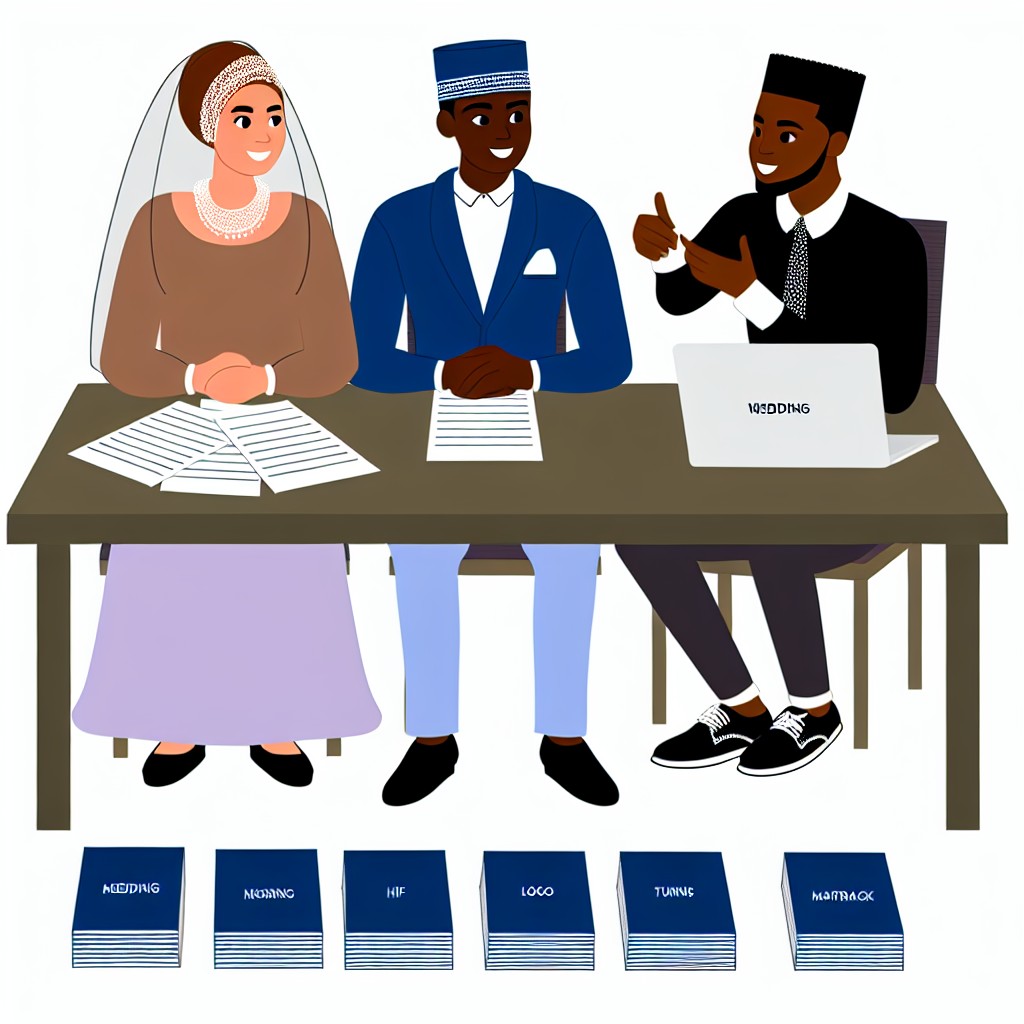
Invitation List Creation and Sending Out Invites on Time
Building a Thoughtful Invitation List
Start by discussing your guest list with your partner and close family members.
Consider relatives, friends, and important community members to include.
Be mindful of your venue capacity and budget constraints when finalizing the list.
Use a spreadsheet or a wedding planning app to organize names and contact details.
This approach helps you track RSVPs and any special guest requirements efficiently.
Choosing the Right Invitations
Select invitation designs that reflect your wedding theme and cultural heritage.
Work with reputable Nigerian card designers like Eleganza Prints or Royal Impressions.
Request sample invitations to ensure quality and style match your expectations.
Consider eco-friendly or digital invite options to complement your traditional invites.
Planning the Timing for Sending Invitations
Send invitations at least eight weeks before the wedding day to allow guests time to plan.
If many guests are traveling from abroad, send invites earlier, about three months prior.
Coordinate with your event planner or coordinator to schedule dispatch dates accurately.
Use courier services like GIG Logistics or DHL to ensure timely and safe delivery.
Tracking and Managing RSVPs
Include clear RSVP instructions with a deadline in your invitations.
Follow up promptly with guests who have not responded near the deadline.
Keep a dedicated contact person or team to handle queries and update the guest list.
This ensures accurate headcount, helping vendors and caterers plan accordingly.
Considerations for Inviting Special Groups
Inform elders and VIPs personally or through a family representative.
Send children's invitations separately to parents, specifying age-appropriate events.
For colleagues or acquaintances, group invitations can be more practical and polite.
Respect cultural customs when addressing invitations to traditional rulers or religious leaders.
Organizing Pre-Wedding Events
Introduction to Pre-Wedding Celebrations
Pre-wedding events create memorable moments for the couple and their families.
They build excitement and strengthen bonds among loved ones.
In Nigeria, these celebrations have cultural and social significance.
Therefore, planning them carefully is essential for a smooth wedding journey.
Below, we explore key pre-wedding events and planning tips to help you succeed.
Engagement Ceremony
The engagement ceremony formally announces the couple’s intention to marry.
It usually involves both families coming together to honor the couple.
Choose a convenient date and venue to accommodate guests comfortably.
For example, you might host it at the bride’s family compound or a garden hall.
Additionally, send invitations early to give guests enough time to plan.
Work with event planners such as “Adunni Events” for tailored Nigerian engagement services.
Prepare traditional items like kola nuts, gifts, and dowry tokens for the ceremony.
During the event, incorporate cultural music and dances to enrich the experience.
Bridal Shower
The bridal shower celebrates the bride and offers support from close friends and family.
Plan this event to be fun, intimate, and stress-free for the bride-to-be.
Select a theme that reflects the bride’s interests or cultural heritage.
Common venues include hotels like “Lagos Continental” or cozy restaurants such as “The Palm Court.”
Send personalized invitations to the bride’s close friends and relatives.
Include activities like games, gift exchanges, and hair or makeup demos.
Moreover, collaborate with local vendors such as “Ada’s Sugarcraft” for sweet treats.
Ensure the décor matches the chosen theme with colors and floral arrangements.
Managing Guest Accommodations and Transportation Logistics
Coordinating Comfortable Accommodations for Guests
Begin by identifying the number of out-of-town guests attending your wedding.
Next, research hotels and guesthouses near your wedding venue in Lagos or Abuja.
Contact establishments like The Wheatbaker Hotel or Transcorp Hilton for group rates and availability.
Furthermore, consider booking a block of rooms early to secure the best deals.
Communicate accommodation details clearly with your guests in advance.
You may also arrange an online booking portal through services like BookMyHotel.ng for convenience.
For VIP guests, reserve suites or executive rooms to ensure extra comfort.
Organizing Effective Transportation Plans
Transportation plays a vital role in ensuring guests arrive on time and stress-free.
Start by mapping out key routes between hotels, the wedding venue, and other event locations.
Moreover, coordinate with trusted local companies like SwiftRide Lagos or Capital Coach Services.
Arrange shuttle buses or vans that can accommodate groups traveling together.
Consider hiring professional drivers familiar with the wedding areas.
Provide a detailed schedule for pick-up and drop-off times to guests ahead of the event.
Additionally, prepare contingency plans for possible traffic delays or vehicle issues.
Communicating Logistics Clearly to Guests
Share all accommodation and transportation information via email newsletters or wedding websites.
Include contact numbers for transportation coordinators such as Akin Bello and Emeka Okoro.
Make sure guests know when and where to meet shuttle services each day.
Also, encourage guests to ask questions and confirm their arrangements early.
Use reminders closer to the wedding date to keep everyone informed and prepared.
Tips for Handling Last-Minute Changes and Stress Management
Expect the Unexpected
Last-minute changes are common when planning a Nigerian wedding.
Therefore, prepare mentally for unexpected adjustments.
Communicate openly with your vendors and wedding party.
This approach helps you adapt quickly and calmly.
Stay Organized to Reduce Stress
Keep a detailed checklist of all wedding tasks.
Update your schedule regularly to reflect any changes.
Use digital tools like calendars and reminders.
These help you stay on top of last-minute issues effectively.
Delegate Responsibilities
Assign trusted friends and family specific roles.
For example, appoint Amaka to coordinate with caterers.
Delegation lightens your workload and reduces pressure.
It also ensures quick problem-solving when challenges arise.
Practice Stress-Relief Techniques
Take short breaks to breathe deeply or meditate.
Consider light exercise such as a brief walk outside.
These activities help clear your mind and boost focus.
Remember, managing stress improves decision-making during the wedding.
Maintain Positive Communication
Stay calm and polite when discussing changes with vendors.
Clear communication prevents misunderstandings that cause stress.
Express gratitude to your wedding team frequently.
This builds goodwill and motivates timely cooperation.
Have Backup Plans Ready
Prepare alternatives for key elements like venue or catering.
For instance, confirm a secondary photographer with Mbali Studios.
Backup plans reduce panic if primary options fail.
They provide peace of mind throughout the planning process.
Keep Focus on the Bigger Picture
Remember the wedding celebrates your love and commitment.
Minor setbacks do not define the success of your day.
Keep a positive mindset and enjoy the moment.
Ultimately, joy and togetherness matter most to everyone involved.
Additional Resources
Looking for Wedding Coordinator/Decorator – September 2025 Hi …


