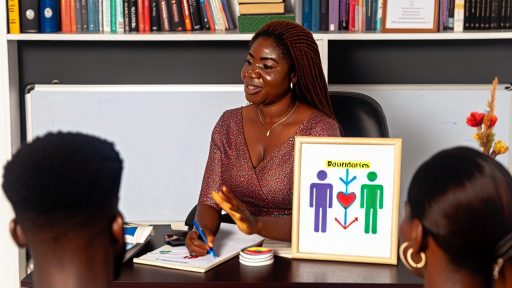




Understanding Common External Pressures in Nigerian Marriages
Family Expectations and Influences
Family expectations remain a significant pressure in Nigerian marriages.
Parents often have strong opinions about their children’s marital decisions.
Consequently, couples face pressure to meet traditional family roles and responsibilities.
Moreover, extended families may intervene in personal matters, creating tension.
Sometimes, high expectations about childbearing add to the marital stress.
Therefore, couples must navigate family loyalty while protecting their relationship.
Community and Societal Norms
Nigerian society holds deep-rooted cultural norms about marriage.
Societal expectations often dictate how couples should behave publicly.
In addition, there is pressure to conform to gender roles and marital duties.
Community gossip and judgment can strain even strong marriages.
Social media now amplifies these pressures through public scrutiny.
Thus, couples need strategies to withstand such external opinions effectively.
Religious and Traditional Beliefs
Religion strongly influences marital roles and decision-making in Nigeria.
Often, religious leaders provide guidance, which may conflict with personal choices.
Traditional rites and ceremonies sometimes cause financial and emotional stress.
Additionally, some beliefs may promote patriarchal dynamics harmful to spouses.
Couples must balance faith and personal values carefully for harmony.
Financial Pressures from Extended Networks
Financial demands from relatives frequently add burdens to Nigerian couples.
Many couples support not only their nuclear family but also extended family members.
Economic instability and unemployment worsen these financial expectations.
Consequently, money issues often become a root cause of marital conflict.
Proper financial planning and clear boundaries can help manage these pressures.
Work-Life Balance Challenges
The increasing demands of work life affect Nigerian couples deeply.
Long working hours often reduce quality time spouses spend together.
Career ambitions sometimes clash with traditional expectations of domestic roles.
Stress from job insecurity intensifies pressures on marriage stability.
Cultivating mutual support and understanding is essential to addressing these issues.
Overview of External Pressures Affecting Nigerian Marriages
- Family expectations and intrusions
- Community norms and societal judgment
- Religious rules and traditional obligations
- Financial responsibilities beyond the couple
- Work-related time and stress challenges
Recognizing these pressures allows couples to approach challenges proactively.
Ultimately, understanding external forces strengthens the marital bond.
The Importance of Mutual Communication in Addressing External Challenges
Fostering Open Dialogue Between Partners
Mutual communication builds a strong foundation in Nigerian marriages.
It helps couples to openly share their feelings and concerns.
Moreover, transparent discussions allow partners to understand each other’s perspectives better.
For instance, when Chinedu and Amara talk regularly, they navigate pressures more effectively.
Therefore, couples should create safe spaces for honest conversations.
Recognizing External Pressures Together
Couples often face pressure from family, society, and cultural expectations.
Mutual communication helps identify which challenges come from outside influences.
Additionally, recognizing these pressures together prevents misunderstandings.
Olu and Ifeoma overcame family interference by openly discussing their boundaries.
Thus, facing external demands as a unit strengthens the marital bond.
Using Communication to Build Trust and Support
Trust grows when couples consistently share their thoughts and worries.
Effective communication reassures each partner of their support and commitment.
For example, Kunle comforts his wife Ada whenever societal pressures weigh her down.
Consequently, this mutual backing reduces stress and deepens emotional connection.
Practical Communication Strategies for Couples
Active listening is key to understanding and addressing each other’s concerns.
Couples should use respectful language to avoid escalating conflicts.
Setting aside regular time to talk helps maintain consistent communication.
They can also express appreciation to reinforce positive interactions.
Finally, seeking help from counselors like Mrs. Nnaji can improve communication skills.
Benefits of Collaborative Problem Solving
When partners communicate well, they tackle external pressures as a united team.
It encourages creative solutions that respect both individuals’ needs.
Furthermore, collaboration reduces feelings of isolation during stressful times.
Linda and Emeka solved community expectations by jointly setting boundaries.
In this way, mutual communication empowers couples to face challenges confidently.
Setting Boundaries with Extended Family and Friends
Recognizing the Need for Boundaries
Extended family and friends often play significant roles in Nigerian marriages.
However, their influence can sometimes create undue pressure on couples.
Recognizing when boundaries are necessary protects the relationship’s health.
Moreover, clear boundaries encourage respect for the couple’s space and decisions.
Communicating Your Limits Clearly
Start by discussing concerns openly with your partner.
Then agree on what limits to set regarding family and friends’ involvement.
Next, communicate these boundaries firmly and kindly to relatives and friends.
For example, explain that certain topics or actions are off-limits.
Additionally, use “we” statements to show unity with your spouse.
Establishing Practical Boundaries
Define areas where family input is welcome and where it is not.
For instance, invite advice only on major decision-making occasions.
Request private time for marital discussions without interruptions.
Set boundaries about financial information sharing with extended relatives.
Also, determine limits on unsolicited visits or interference.
Handling Resistance and Maintaining Boundaries
Expect some family members to resist new boundaries at first.
Remain consistent in enforcing the limits you set.
Use polite but firm reminders when boundaries are crossed.
If necessary, enlist support from trusted mediators within the family.
Remember, prioritizing your marriage’s wellbeing benefits everyone in the long run.
Encouraging Mutual Respect and Understanding
Promote a culture of respect by modeling how to honor boundaries.
Express appreciation for family support within the agreed limits.
Encourage open dialogue to address concerns without breaching boundaries.
Over time, this builds stronger relationships based on trust and respect.
Ultimately, clear boundaries empower couples to navigate external pressures confidently.
Delve into the Subject: How to Handle Conflict in a Culturally Diverse Nigerian Marriage
Managing Societal Expectations and Cultural Norms
Recognizing Societal Influences on Marriage
Nigerian society places strong emphasis on family and community roles.
Societal expectations often dictate how couples should behave and live.
For instance, pressure to have children early is common in many communities.
Also, cultural traditions may influence decision-making within marriages.
Understanding these influences helps couples respond intentionally to pressures.
Respecting Cultural Norms While Maintaining Personal Boundaries
Cultural norms provide a sense of identity and belonging for many couples.
However, couples must balance respect for traditions with individual values.
Communicating openly about boundaries prevents misunderstandings with family members.
Likewise, couples should support each other when navigating conflicting expectations.
Setting clear limits helps preserve marriage health and mutual respect.
Building Supportive Networks Within the Community
Surrounding your marriage with positive influences strengthens resilience.
Seek advice from experienced couples who value healthy boundaries.
Community leaders like Pastor Adeola or Mrs. Ngozi can offer guidance.
Furthermore, joining marriage support groups fosters shared understanding and encouragement.
These networks reduce isolation caused by societal pressures.
Adapting Traditions to Fit Your Marriage
Couples can honor culture while creating new, personalized traditions.
This approach empowers couples to celebrate their union uniquely.
For example, Chinyere and Emeka modified their wedding rites to reflect their values.
Such adaptations show respect while asserting the couple’s shared identity.
Ultimately, flexibility nurtures harmony between societal norms and marital happiness.
Explore Further: Tips for Building a Balanced Marriage in Nigerian Society
Financial Independence and Joint Decision-Making as a Shield against Pressure
Building Financial Independence within Marriage
Nigerian marriages face various external pressures that can strain relationships.
Financial independence empowers each partner to contribute meaningfully to the household.
Moreover, it reduces dependency, thereby lowering vulnerability to external influence.
Couples like Adaobi and Chibuzo show that earning independently fosters mutual respect.
It also encourages personal growth and builds confidence within the marriage.
Consequently, financial independence becomes a protective barrier against undue family expectations.
Encouraging Joint Financial Planning
Joint financial planning builds transparency and trust between spouses.
It helps the couple to align their financial goals and priorities clearly.
Partners who plan together face external pressure as a united front.
For example, Ngozi and Emeka consult each other before making major purchases.
This cooperation reduces misunderstandings and resentment linked to money matters.
Therefore, it strengthens the couple’s ability to resist external demands related to finances.
Sharing Decision-Making Responsibilities
Joint decision-making fosters equality and partnership in marriage.
When couples like Esther and Femi make choices together, they become more resilient.
Such collaboration shows respect for each other’s opinions and needs.
It also minimizes the influence from extended families and friends who pressure individually.
Partners who decide together often experience greater satisfaction and harmony.
Thus, shared decisions work as a shield against divisive external interventions.
Strategies to Strengthen Financial and Emotional Bonds
Couples should schedule regular discussions about budgets, goals, and challenges.
Open communication prevents secrets that external parties can exploit.
They can also attend financial literacy workshops to improve money management skills.
Engaging trusted counselors like Dr. Ifeoma or marriage mentors can provide guidance.
Support networks help couples navigate pressures with confidence and unity.
Ultimately, financial independence and joint decisions build a strong, pressure-resistant marriage.
Find Out More: The Role of Respect in Nigerian Marital Relationships
Seeking Professional Counseling and Support Networks
Importance of Professional Counseling
Professional counseling offers couples objective guidance during challenging times.
It helps identify underlying issues caused by external pressures.
Counseling teaches effective communication techniques to improve understanding.
Therapists like Mrs. Grace Udoh specialize in Nigerian marriage dynamics.
They provide tailored strategies to handle family and societal expectations.
Consequently, couples gain tools to strengthen their emotional connection.
Finding the Right Counselor
Look for licensed marriage counselors with experience in cultural sensitivity.
Agencies such as Lagos Family Wellness Center offer specialized support.
Referrals from trusted friends, like the Obas, can lead to quality professionals.
Finally, ensure the counselor’s approach aligns with your values and goals.
Building and Using Support Networks
Support networks create safe spaces for couples to share experiences.
These groups reduce feelings of isolation caused by societal pressures.
Participating in organizations like Midtown Marriage Support Group connects couples.
Additionally, faith-based communities often provide encouragement and advice.
Friends and sympathetic family members also form important support bases.
Therefore, actively engaging with these groups strengthens resilience.
Benefits of Combining Counseling with Support Networks
Couples receive both professional insights and peer encouragement simultaneously.
This combination promotes holistic healing and growth.
Counseling addresses personal issues, while networks offer shared wisdom.
As a result, couples feel empowered to face external challenges together.
Seeking professional and social support enhances marriage stability in Nigeria.
Discover More: The Importance of Setting Boundaries in Nigerian Marriages
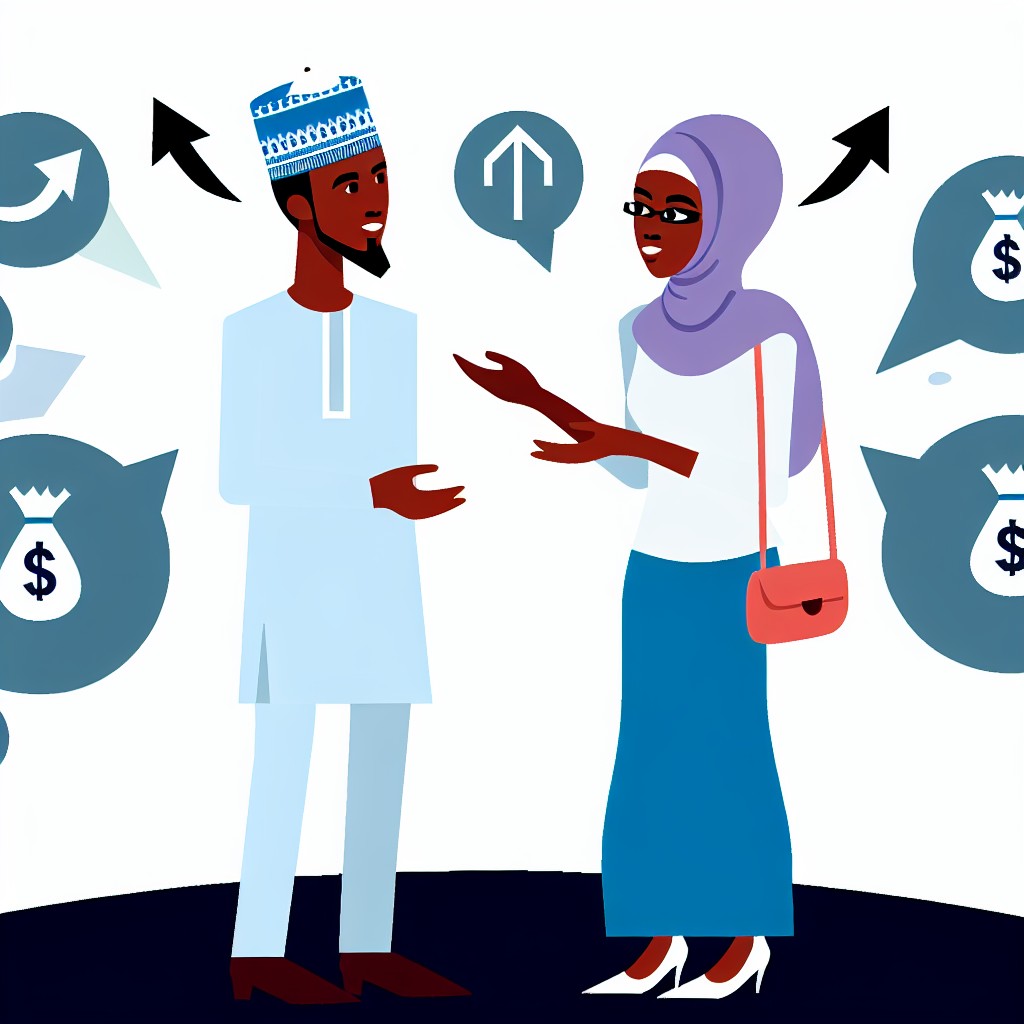
Developing Resilience Through Shared Goals and Values
The Importance of Common Goals in Marriage
Shared goals provide couples with a clear direction for their future together.
Furthermore, they create a united front against external pressures.
When couples like Chinedu and Amaka align their aspirations, challenges seem less daunting.
This alignment fosters cooperation and strengthens emotional bonds.
Building Core Values That Bind Couples
Core values act as a moral compass during difficult times.
For instance, respect, honesty, and commitment guide decision-making processes.
When these values are mutually upheld, trust deepens between partners.
Additionally, shared values reduce misunderstandings from external influences.
Effective Communication as a Resilience Tool
Couples develop resilience by openly discussing their goals and values.
Clear communication helps partners address misunderstandings before escalation.
Moreover, it enables them to support each other through societal expectations.
For example, Ngozi and Emeka regularly express their feelings to stay connected.
Practical Steps Toward Shared Vision
Begin by identifying individual dreams and aspirations.
Next, find common ground where these dreams intersect.
Then, set realistic, achievable goals as a team.
Repeat this process regularly to adjust as circumstances evolve.
- Schedule weekly discussions about personal and joint objectives.
- Create vision boards to visualize shared ambitions.
- Celebrate progress to reinforce commitment.
- Seek counseling if external pressures disrupt harmony.
Encouraging Community Support for Shared Values
Communities can amplify couples’ resilience through positive reinforcement.
Engaging with like-minded families fosters a supportive environment.
Church groups and social clubs often champion values important to marriage.
Therefore, Olu and Ifeoma attend community meetings to strengthen their bond.
Such involvement also helps buffer negative societal expectations.
Creating a United Front to Handle Community and Social Pressures
Strengthening Communication Between Partners
Open communication lays the foundation for a strong marriage.
Couples should discuss community expectations honestly.
Sharing feelings reduces misunderstandings caused by external pressure.
Adelaide and Emeka always set aside time weekly to talk about challenges.
This habit helps them stay aligned despite social demands.
Establishing Shared Goals and Boundaries
Couples must agree on their priorities before addressing outside opinions.
Setting boundaries protects the marriage from unwarranted interference.
Grace and Chidi clearly communicate what influences they accept from relatives.
Additionally, they avoid allowing gossip to affect their decision-making.
Such agreement reinforces teamwork and resilience against pressure.
Supporting Each Other Publicly and Privately
Public support shows unity to the wider community.
Likewise, private encouragement strengthens emotional bonds between spouses.
Lagos-based couple Ifeoma and Tunde always present a united front during family events.
They also debrief in private to manage any social stressors together.
This approach makes external negativity less effective over time.
Engaging Trusted Advisors and Support Networks
Seeking advice from experienced mentors can provide valuable perspectives.
For example, Pastor Olawale counsels many couples on managing societal expectations.
Close friends like Amina and Gabriel form support groups to share experiences.
This network creates a safe space for couples to express concerns freely.
Consequently, couples feel less isolated in facing pressure.
Fostering Mutual Respect Despite Differing Family Views
Respecting each other’s backgrounds reduces family-related conflicts.
Although relatives may hold opposing opinions, couples can stay united.
Funke and Olumide honor their parents’ traditions but decide together on their marriage path.
They consistently remind themselves that their partnership takes priority.
This mindset builds a stronger and more balanced relationship.
Balancing Traditional Practices with Personal Marital Needs
Respecting Cultural Values While Establishing Boundaries
Nigerian marriages often involve strong cultural expectations from extended families.
It is important to honor these traditions while protecting your marital space.
For example, couples like Chinedu and Amara discuss family demands openly.
Therefore, clear communication helps set respectful boundaries without disrespecting elders.
Additionally, explaining your couple’s needs can reduce misunderstandings.
Collaborative Decision-Making Between Spouses
Both partners must actively participate in balancing traditions with their personal needs.
Samuel and Ifeoma consult each other before attending family events or ceremonies.
This teamwork fosters mutual respect and strengthens their marriage.
Consequently, they create a shared framework for handling external pressures.
Moreover, joint decisions prevent one partner from feeling isolated or overwhelmed.
Negotiating Flexible Traditions
Not all cultural practices require full compliance.
Couples can adapt rituals or reduce involvement based on mutual comfort.
For instance, Onyeka and Ada choose selective participation during lengthy festivities.
This flexibility eases marital stress and nurtures personal happiness.
Furthermore, elders often appreciate the effort to maintain connections thoughtfully.
Seeking Support from Trusted Advisors
Family elders and respected community members can guide couples through tradition conflicts.
Emeka and Funke found counsel from their village chief helpful in setting limits tactfully.
Additionally, professional counselors familiar with Nigerian culture provide valuable insight.
They mediate conversations between family and couples effectively.
Thus, involving neutral parties helps balance expectations peacefully.
Emphasizing Marital Well-Being While Honoring Heritage
Couples should emphasize their emotional health alongside cultural respect.
Integrating personal goals with traditions results in a balanced marriage life.
For example, Tobechukwu and Chinelo schedule private time despite busy family commitments.
Similarly, mutual understanding encourages sustained love and partnership.
Hence, couples thrive by nurturing their relationship within the cultural framework.
Encouraging Openness to Change and Adaptability in Marriage Dynamics
Recognizing the Need for Change in Nigerian Marriages
External pressures often challenge traditional marriage roles in Nigeria.
Couples must identify these pressures early to protect their relationships.
For example, societal expectations about gender roles can create tension.
Moreover, economic hardships frequently require couples to adjust their roles.
Understanding these dynamics enables partners to stay united despite challenges.
Embracing Flexibility in Roles and Responsibilities
Partners should remain flexible with tasks and decision-making processes.
When Amarachi lost her job, Tunde adapted to provide financial support.
This shift prevented conflict and strengthened their partnership.
Furthermore, sharing household duties promotes respect and teamwork.
Allowing room for adjustment helps couples overcome unexpected obstacles.
Promoting Open Communication About Changes
Couples must discuss their feelings and concerns about evolving roles.
Open dialogue prevents misunderstandings and builds trust.
For instance, Amina and Musa regularly talk about balancing family and work.
Consequently, they navigate external pressures with mutual support.
Scheduled conversations can provide safe spaces for honest exchanges.
Adopting a Growth Mindset Together
Viewing challenges as opportunities helps couples evolve positively.
Rather than resisting change, embracing new approaches fosters resilience.
Couples can learn new skills to handle diverse responsibilities effectively.
Importantly, this mindset encourages lifelong learning within the marriage.
It also creates a dynamic relationship that adapts to societal shifts.
Practical Steps to Foster Adaptability
- Set joint goals that accommodate each partner’s strengths and weaknesses.
- Attend workshops or counseling sessions focused on marital growth.
- Encourage patience and empathy during phases of transition.
- Celebrate small milestones that reflect successful adaptation.
- Maintain respect despite differences in opinions or roles.
Additional Resources
Perceived causes of marital dissatisfaction among Nigerian …
The Changing Phases of African Marriage and Family: Perspectives …