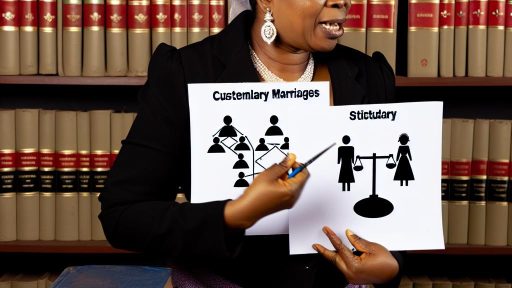




Historical Influence of Religious Leaders on Nigerian Marriage Customs
Role in Traditional Societies
Religious leaders shaped marriage customs in many Nigerian communities.
They guided the selection of marriage partners based on spiritual compatibility.
In addition, they conducted marriage rites that reflected communal values.
Moreover, leaders like Chief Imam Musa Adamu played critical roles in Islamic marriage ceremonies.
Their involvement ensured cultural and religious continuity throughout generations.
Impact on Marriage Ceremonies
Religious leaders officiated traditional marriage ceremonies with symbolic prayers.
They led rituals that blessed couples and sealed marital vows.
In Christian communities, pastors such as Reverend Isaac Nwankwo conducted wedding services.
Religious authorities often resolved marital disputes through customary laws.
Therefore, their presence strengthened the sanctity and social recognition of marriages.
Preservation of Moral and Ethical Standards
Leaders advocated for fidelity, respect, and mutual support within marriages.
They promoted adherence to religious doctrines affecting family life.
For example, Chief Priest Olumide Adeyemi emphasized the spiritual importance of marital unity.
In consequence, religious guidance helped to maintain societal order and family stability.
Religious leaders also educated couples about their responsibilities and rights.
Adaptation of Marriage Customs to Social Changes
As Nigeria modernized, religious leaders adapted marriage customs accordingly.
They incorporated civil laws while preserving core religious traditions.
Organizations like the Nigerian Council of Churches influenced marriage policies.
Leaders balanced respect for ancestral customs with contemporary social changes.
Thus, their historical influence continues to shape Nigerian marriage practices today.
Role of Religious Leaders in Solemnizing Marriage Ceremonies
Spiritual Guidance During Marriage
Religious leaders play a vital role in guiding couples through spiritual teachings.
They emphasize values such as love, commitment, and faithfulness during wedding preparations.
Moreover, they help couples understand the religious significance of marriage vows.
Through sermons and counseling, leaders prepare couples for lifelong marital challenges.
Conducting Traditional and Religious Rites
Religious leaders officiate marriage ceremonies according to specific faith traditions.
They perform rituals that align with the couple’s religious backgrounds.
In Nigeria, these ceremonies often blend cultural customs with religious practices.
For instance, Pastor Emeka Chukwu conducts Christian weddings that include prayers and scripture readings.
Similarly, Imam Khalid Bello leads Muslim marriage rites with recitations from the Quran.
Legal Recognition and Documentation
Besides spiritual duties, many religious leaders participate in the legal solemnization of marriage.
They ensure that couples fulfill both religious and statutory requirements.
Often, religious figures register marriages with local government authorities.
This dual role helps couples secure official marriage certificates promptly.
Consequently, elders like Bishop Esther Okonkwo combine pastoral duties with legal formalities.
Community Representation and Support
Religious leaders represent the wider faith community during weddings.
They publicly endorse the union, fostering social acceptance among family and friends.
Furthermore, they mobilize community members to support the couple’s new life.
This support often includes prayers, blessings, and ongoing marital counseling.
Priestess Adaobi Eze exemplifies this active role through continuous pastoral care after weddings.
Preparation and Counseling Sessions
Couples usually attend premarital counseling led by religious leaders.
These sessions cover communication, conflict resolution, and shared responsibilities.
Counselors like Reverend Daniel Nwafor tailor advice to specific religious values.
By doing so, they strengthen the couple’s foundation before the ceremony.
Additionally, these meetings help identify potential areas of marital tension early.
Encouraging Social and Moral Responsibilities
Religious leaders advocate for moral conduct within marriage and society.
They remind couples of their roles as role models in their communities.
Through guidance, leaders like Sheikh Haruna Ibrahim promote fidelity and respect.
This moral teaching extends beyond the wedding day into everyday married life.
Therefore, spiritual leaders cultivate family stability and community harmony.
Counseling and Guidance Provided by Religious Leaders to Couples
Spiritual Foundation for Marriage
Religious leaders emphasize the importance of a strong spiritual foundation in marriage.
They encourage couples to build their relationship on shared faith and values.
By fostering spiritual connection, leaders help couples navigate challenges with resilience.
Consequently, couples often develop deeper trust and mutual understanding.
Pre-Marital Counseling
Priests and imams conduct pre-marital counseling sessions for engaged couples.
During these sessions, they discuss expectations, responsibilities, and conflict resolution.
Additionally, they address financial planning and family roles to prepare couples for marriage.
This guidance helps partners start their union with realistic and harmonious perspectives.
Ongoing Marriage Support
Religious leaders offer continuous support through marriage counseling after the wedding.
They provide a safe space for couples to express their concerns openly and honestly.
Moreover, they teach effective communication skills to improve relationship dynamics.
Thus, couples learn to solve disagreements and strengthen their emotional bond.
Mediation in Marital Conflicts
When conflicts escalate, leaders often act as mediators between spouses.
They serve as impartial guides, promoting peaceful resolutions and reconciliation.
Through prayerful reflection and wise counsel, leaders encourage forgiveness and patience.
As a result, many couples restore harmony and renew their commitment to each other.
Community and Family Integration
Religious figures stress the role of extended family and community in supporting marriages.
They encourage couples to seek advice and support from elders and faith communities.
This network provides emotional encouragement and practical assistance.
Hence, marriages benefit from collective wisdom and shared experiences within the congregation.
Teaching Ethical and Moral Principles
Religious leaders impart ethical principles rooted in scriptures to married couples.
They highlight values such as honesty, loyalty, kindness, and responsibility.
By reinforcing these morals, couples build trust and mutual respect in their relationship.
Ultimately, these teachings guide spouses to nurture lasting and loving marriages.
Find Out More: What to Know About Customary Marriage Laws in Nigeria
Mediation and Conflict Resolution within Marriages Facilitated by Religious Leaders
Role of Religious Leaders as Mediators
Religious leaders in Nigeria act as trusted mediators in marital conflicts.
They provide a neutral platform where couples freely express their concerns.
Moreover, these leaders use their spiritual authority to encourage dialogue.
Many couples seek guidance from pastors, imams, or traditional priests during disputes.
Such leaders emphasize reconciliation and forgiveness based on religious teachings.
Therefore, their intervention often prevents conflicts from escalating further.
Techniques Used in Conflict Resolution
Religious leaders employ active listening to understand both partners clearly.
They ask open questions that help uncover underlying issues between spouses.
Additionally, they suggest practical actions rooted in faith to restore harmony.
They often promote patience, empathy, and mutual respect as foundational values.
Consequently, couples begin to rebuild trust and improve communication effectively.
Community Support Strengthened through Religious Mediation
Religious leaders mobilize community members to support struggling couples.
This communal backing strengthens the marriage by fostering accountability.
Furthermore, couples realize that their union impacts the wider faith community.
Community prayers and counseling sessions create a collective healing environment.
As a result, couples feel encouraged and less isolated during difficult times.
Examples of Successful Conflict Resolution
Pastor David Okoro helped a couple reconcile after months of silence.
He guided them using scripture and encouraged weekly communication exercises.
In the Muslim community, Imam Suleiman Bello resolved disputes through family mediations.
He focused on patience and understanding as key elements in forgiveness.
These interventions restored peace and renewed commitment in many marriages.
Gain More Insights: Civil, Traditional, or Religious? Choosing the Right Marriage Type in Nigeria
Impact of Religious Teachings on Marital Expectations and Roles
Shaping Marital Expectations through Faith
Religious leaders influence how couples perceive marriage in Nigeria.
They emphasize commitment, love, and mutual respect within the union.
Furthermore, spiritual teachings guide couples on handling challenges together.
Pastor Samuel Oladipo often reminds couples about the sanctity of marriage vows.
His sermons encourage couples to prioritize patience and forgiveness.
Thus, religious doctrines set clear expectations for marital behavior and responsibilities.
Defining Roles within the Marriage
Religious teachings outline specific roles for husbands and wives.
Imam Yusuf Ibrahim highlights the importance of the husband’s role as a protector.
Meanwhile, traditional Christian teachings encourage wives to nurture and support the family.
However, many leaders also promote partnership and shared decision-making.
Reverend Chinedu Anozie teaches that love transcends rigid role definitions.
Therefore, faith-based guidance balances respect for tradition and evolving family dynamics.
Promoting Harmony and Conflict Resolution
Religious leaders actively teach effective conflict resolution methods.
For example, Pastor Grace Nneka advises couples to communicate openly and pray together.
Likewise, Imam Kabir Musa encourages forgiveness to maintain peace.
These teachings reduce misunderstandings and reinforce marital harmony.
Consequently, couples in Nigeria often turn to their faith leaders for counseling.
Such support strengthens their ability to resolve disputes constructively.
Influence on Extended Family Interactions
Religious guidance also impacts relations with in-laws and extended families.
Prayer meetings led by clergy often include family members to foster unity.
Pastor Olufunke Adewale stresses respect for elders and peaceful coexistence.
Similarly, Imam Adamu Bello advises patience when dealing with extended family conflicts.
This guidance helps couples navigate external pressures effectively.
In this way, religious teachings extend beyond the couple to the wider family context.
Key Teachings Highlighted by Religious Leaders
- Commitment to lifelong partnership.
- Mutual respect and love.
- Defined but flexible marital roles.
- Effective communication and forgiveness.
- Respect for extended family relationships.
Find Out More: Understanding the Difference Between Customary and Statutory Marriages
The Involvement of Religious Leaders in Premarital Preparation and Education
Guidance and Counseling Before Marriage
Religious leaders actively provide premarital counseling to engaged couples.
Their guidance helps couples understand the responsibilities of marriage clearly.
For instance, Pastor Emmanuel Okafor offers counseling sessions at Grace Fellowship Church.
These sessions encourage open communication between partners before tying the knot.
Moreover, religious leaders emphasize the importance of faith-based values in marriage.
They address common marital challenges early to prevent future conflicts.
Consequently, couples become better equipped to handle married life’s demands.
Educational Programs and Workshops
Many churches and mosques organize premarital education workshops regularly.
Reverend Miriam Adebayo coordinates such programs at St. Mark’s Community Chapel.
The workshops cover topics like conflict resolution, financial management, and family planning.
Furthermore, these programs promote understanding of cultural and religious marital expectations.
Participants benefit from interactive discussions and role-playing sessions.
Through consistent education, couples build stronger emotional and spiritual connections.
Spiritual Preparation for Marriage
Religious leaders emphasize prayer and spiritual readiness before marriage ceremonies.
Imam Suleiman Bello leads couples in prayer sessions at Abuja Central Mosque.
This spiritual preparation strengthens couples’ commitment to each other and God.
It also fosters a sense of unity and purpose that transcends daily challenges.
Additionally, spiritual rituals led by leaders bless the marriage for prosperity and peace.
Support Networks and Follow-Up
After marriage, many religious leaders offer ongoing support for couples.
They create support groups where couples share experiences and advice.
Pastor Chinedu Nwachukwu facilitates such groups at Hope Outreach Ministry.
These networks ensure couples receive help during difficult times.
Therefore, religious leaders maintain a lasting involvement in couples’ marital journeys.
You Might Also Like: How Marriage Registrations Work in Nigeria
Religious Leaders’ Influence on Marriage Laws and Policies in Nigeria
Shaping Marriage Legislation Through Faith-Based Advocacy
Religious leaders play a crucial role in shaping Nigerian marriage laws.
They frequently engage with policymakers to reflect moral values in legislation.
For example, Reverend David Eze consults lawmakers on family-related bills.
His involvement ensures that religious perspectives are respected in legal frameworks.
Additionally, religious leaders hold forums to discuss marriage issues with government officials.
These meetings influence the development and amendment of marriage policies.
Therefore, religious voices actively contribute to the legislative process.
Collaboration Between Religious Bodies and Government Entities
Religious organizations collaborate closely with government agencies on marriage matters.
The Nigerian Interfaith Council partners with the Ministry of Justice to align laws with cultural values.
These collaborations promote legal protections for families and uphold traditional customs.
Furthermore, faith leaders provide expert advice during policy formulation.
Such partnerships enhance the effectiveness and acceptance of marriage regulations.
Promoting Awareness and Education on Marriage Laws
Religious leaders educate couples about their legal rights and responsibilities.
Imam Musa Abubakar regularly hosts seminars to explain nuances in Nigerian marriage laws.
These sessions increase legal literacy among congregants and the wider community.
Moreover, religious leaders distribute materials clarifying marriage registration procedures.
Consequently, more couples comply with legal requirements, strengthening marital stability.
Influence on Customary and Religious Marriage Practices
Religious leaders help standardize customary marriage practices within the legal framework.
Chief Priestess Yetunde Afolabi advocates for integrating traditional rites with statutory marriage laws.
This integration ensures that marriage ceremonies align with national legislation.
It prevents conflicts between customary customs and legal obligations.
Hence, couples benefit from clarity and protection under both cultural and legal systems.
Addressing Contemporary Issues in Marriage Through Religious Guidance
Religious leaders actively engage with lawmakers to address modern marital challenges.
They discuss topics such as polygamy, child marriage, and domestic violence.
Bishop Emmanuel Akande emphasizes protecting women’s rights within religious marriage contexts.
Their guidance helps shape reforms that balance tradition with human rights.
Thus, religious leaders act as mediators in evolving marriage laws to meet society’s needs.
Challenges Faced by Religious Leaders in Addressing Modern Marital Issues
Navigating Changing Social Norms
Religious leaders encounter difficulty adapting to evolving cultural expectations.
Many couples bring diverse backgrounds and values into their marriages.
Consequently, leaders must balance tradition with contemporary viewpoints.
For example, attitudes toward gender roles and career priorities have shifted.
These changes often challenge conventional religious teachings on marriage.
Addressing Sensitive Topics with Compassion
Leaders face challenges discussing intimate subjects openly.
Issues like infertility, domestic violence, and mental health require tact.
Pastors like Reverend David Okafor often find stigma complicating honest conversations.
Therefore, fostering trust and confidentiality is critical in counseling.
Moreover, religious leaders must remain non-judgmental while offering guidance.
Incorporating Modern Communication Tools
Many leaders struggle with adopting digital communication methods.
Online counseling and social media engagement present both opportunities and risks.
For instance, Pastor Amina Yusuf has embraced virtual sessions to reach youth.
However, some elders resist technology due to lack of familiarity.
Thus, training programs are essential to help leaders connect effectively.
Balancing Religious Doctrine with Legal Frameworks
Nigerian religious leaders must understand evolving family laws.
Conflicts sometimes arise between religious advice and civil legal requirements.
Worship centers led by Bishop Emmanuel Nwachukwu emphasize awareness of statutory rights.
Additionally, they educate couples on prenuptial agreements and divorce proceedings.
Successfully merging these perspectives requires continuous learning and collaboration.
Managing Diverse Congregational Expectations
Leaders often serve multi-denominational or interfaith communities.
Expectations about marriage counseling vary significantly across congregants.
For example, some couples prioritize religious rituals while others seek psychological support.
Pastor Fatima Abubakar highlights the need for personalized approaches.
Hence, leaders must be flexible and culturally sensitive to meet all needs.
Handling Generational Differences
Older members may prefer traditional solutions to marital problems.
Conversely, younger couples demand modern, evidence-based counseling.
Elder Chukwuemeka Uzo stresses that bridging this gap is essential for unity.
Leaders must educate both groups collaboratively to foster mutual understanding.
This balance ensures sustainable support within the religious community.
Differences in Roles Across Christianity, Islam, and Traditional Religions
Christianity and Marital Guidance
Christian religious leaders play a central role in Nigerian marriages.
Pastors and priests often officiate wedding ceremonies in churches.
They provide premarital counseling to help couples build strong foundations.
Moreover, church leaders offer spiritual guidance throughout the marriage journey.
They emphasize biblical principles such as love, forgiveness, and commitment.
Islamic Religious Leaders’ Contribution
Imams and Islamic scholars lead Muslim wedding ceremonies known as Nikah.
They ensure the marriage contract complies with Sharia law.
Before marriage, Imams counsel couples on their rights and responsibilities.
Furthermore, they guide couples in maintaining Islamic values within their union.
Imams also arbitrate marital disputes according to Islamic teachings when necessary.
Traditional Religious Leaders and Marriage Customs
Traditional rulers and priests hold essential roles in indigenous Nigerian marriages.
They oversee cultural rites and ceremonies that celebrate the union of two families.
Traditional leaders often perform blessing rituals invoking ancestral spirits.
They advise couples on communal values such as respect and family cohesion.
Additionally, traditional leaders mediate conflicts to preserve family harmony.
Comparative Overview of Roles
Christian, Islamic, and traditional leaders all guide couples in unique ways.
They embody the moral and spiritual frameworks of their respective communities.
Consequently, their roles adapt to religious doctrines and cultural expectations.
However, all leaders aim to nurture lasting, respectful marriages.
This diversity enriches Nigeria’s vibrant marital landscape.
The Evolving Role of Religious Leaders Amid Changing Social Values in Nigeria
Adapting to Modern Marital Challenges
Religious leaders in Nigeria have consistently shaped marital practices.
Social values around marriage are changing rapidly.
Therefore, these leaders must adapt to new expectations and challenges.
For instance, they now emphasize counseling beyond traditional rituals.
Moreover, they address issues like domestic violence and mental health.
By doing so, leaders like Pastor Samuel Okoye and Imam Musa Abdulkareem remain relevant.
They also incorporate contemporary family dynamics into their teachings.
Navigating Cultural Diversity and Religious Plurality
Nigeria’s diverse cultures influence marriage customs significantly.
Religious leaders engage with various ethnic groups sensitively.
Consequently, they promote mutual respect and understanding between communities.
Leaders like Bishop Chukwuma Nwankwo advocate interfaith dialogue in families.
Additionally, they support coexistence among Christian, Muslim, and traditional believers.
Promoting Gender Equality and Mutual Respect
The evolving social values demand greater gender equality in marriage.
Religious leaders encourage respect and partnership between spouses.
For example, Reverend Grace Eze teaches about shared decision-making.
They often challenge patriarchal norms that harm marital harmony.
Thus, these leaders play a crucial role in fostering balanced relationships.
Integrating Technology and Social Media
Religious figures increasingly use technology to reach couples.
Platforms like YouTube and WhatsApp allow wider dissemination of marital guidance.
Pastor Adeola Afolayan conducts virtual marriage seminars successfully.
These digital tools help address modern issues like trust and communication.
Providing Conflict Resolution and Support
Religious leaders serve as mediators in marital disputes.
They offer counseling aimed at restoring peace and dialogue.
Leaders like Sheikh Ibrahim Sani host reconciliation sessions regularly.
Additionally, they connect couples with professional therapists when needed.
Key Responsibilities of Religious Leaders Today
- Providing premarital and postmarital counseling
- Recognizing and respecting cultural differences
- Promoting gender equality and mutual respect
- Using technology to engage younger generations
- Facilitating conflict resolution and support
Additional Resources
Section 12: Religious Discrimination | U.S. Equal Employment …