



Understanding Traditional Nigerian Wedding Attire and Its Cultural Significance
Symbolism in Nigerian Wedding Clothing
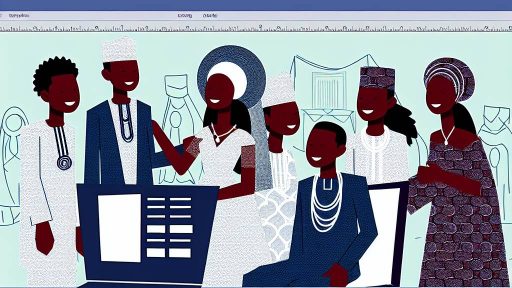
Traditional Nigerian wedding attire represents cultural identity and heritage.
Clothing choices signify respect for family and community traditions.
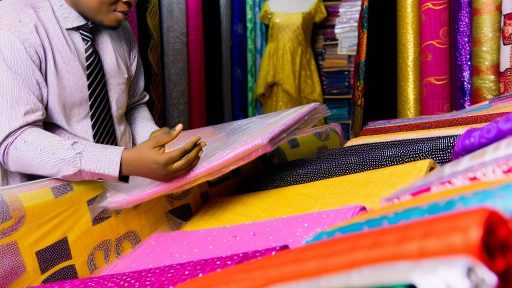
Various colors and patterns convey specific meanings and social status.
For instance, red often symbolizes vitality and celebration.
Similarly, gold reflects wealth and prosperity in many Nigerian cultures.
Thus, wearing traditional attire honors ancestors and strengthens cultural bonds.
Regional Variations and Key Elements
Nigeria hosts diverse ethnic groups, each with unique wedding attire styles.
The Yoruba people favor the “Aso Oke,” a hand-woven fabric with intricate designs.
In contrast, the Igbo community often wears “George” wrappers and blouses with coral beads.
Additionally, the Hausa attire includes richly embroidered robes called “Babban Riga.”
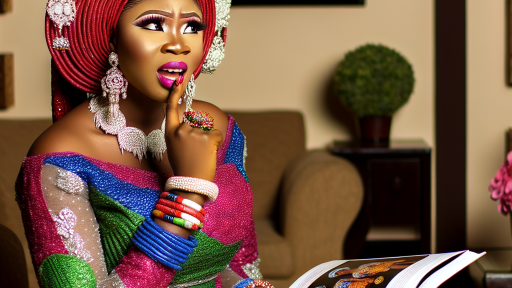
Accessories such as head ties (Gele) and beads enhance the traditional look.
Each element holds cultural importance and reflects the bride or groom’s origin.
Cultural Practices and Ceremony Connection
Traditional attire plays a crucial role in wedding rites and ceremonies.
It symbolizes the union of families and the community’s involvement.
Family elders often bless the couple while wearing customary garments.
Furthermore, the clothing links present celebrations with ancestral customs.
This continuity ensures respect for Nigerian history and shared values.
Therefore, wedding attire remains integral to preserving cultural identity.
Identifying Modern Fashion Trends Influencing Nigerian Weddings
Fusion of Traditional Fabrics with Contemporary Styles
Nigerian wedding fashion increasingly blends traditional fabrics with modern designs.
Designers use Ankara and Aso Oke in innovative, trendy cuts.
This fusion appeals to younger couples seeking cultural pride and fashionable looks.
Intricate beadwork and embroidery remain popular but appear in sleek forms.
Leading designers like Tolu Elegbede and Ada Olagunju drive these creative trends.
Use of Minimalist and Elegant Silhouettes
Modern Nigerian weddings showcase minimalist silhouettes combined with customary elements.
Bridal gowns feature clean lines paired with traditional veils or head wraps.
This style balances cultural heritage and contemporary elegance.
More brides choose tailored jumpsuits or two-piece ensembles with cultural fabric accents.
This trend highlights versatility and reflects global fashion influences.
Integration of Color Trends and Patterns
Bold and unconventional color palettes emerge in modern Nigerian wedding attire.
Pastels and metallic hues complement rich, traditional colors like royal blue.
Designers experiment with abstract patterns and mixed prints.
These palettes create fresh and vibrant wedding aesthetics.
Bridal stylist Chioma Eze emphasizes color harmony that respects tradition while embracing innovation.
Technology’s Role in Fashion Production and Promotion
Advancements in textile technology influence wedding fashion production in Nigeria.
Digital printing enables detailed, customizable fabric designs while preserving cultural symbols.
Social media platforms showcase emerging designers and fashion trends instantly.
Fashion influencers like Amaka Adesanya popularize new styles through Instagram and TikTok.
Technology accelerates the spread and acceptance of modern wedding fashion trends.
Popular Accessories Highlighting Modern Influences
Accessories blend traditional craftsmanship with modern aesthetics.
Geometric jewelry made from indigenous materials gains popularity.
Stylish headpieces and statement chokers often pair with classic gele wraps.
Bridal makeup trends reflect global beauty standards, enhancing natural features.
Together, these accessories add unique flair while honoring cultural roots.
Ways to Incorporate Traditional Fabrics and Patterns into Contemporary Designs
Choosing the Right Traditional Materials
Begin by selecting traditional fabrics that resonate with your heritage.
Silks, brocades, and handwoven cotton stand out as elegant choices.
Next, consider textures that complement modern cuts and silhouettes.
Additionally, consult fabric artisans like Meera Khurana for authentic selections.
Blending Traditional Patterns with Modern Style
Incorporate classic motifs such as paisleys or florals into modern outfits.
Designers like Arjun Varma use subtle embroidery to modernize traditional looks.
Moreover, balance pattern scale to prevent overwhelming the overall design.
For example, use traditional prints as accent panels or trims.
Using Color to Bridge Tradition and Modernity
Traditional palettes often feature rich reds, golds, and royal blues.
Pair these with neutral tones like ivory or charcoal to modernize the garment.
Harmony between bold and muted colors creates visual interest.
Fashion houses like Zensaro Couture showcase this method effectively.
Mixing Fabrics for a Contemporary Edge
Combine traditional materials with modern fabrics like chiffon or neoprene.
This fusion adds texture contrast and wearability to bridal ensembles.
For instance, pair a silk bodice with a tulle or organza skirt.
Stylist Rina Kapoor recommends such fabric combinations for versatility.
Highlighting Craftsmanship in New Ways
Use hand embroidery or beading on modern silhouettes.
This approach honors craftsmanship while appealing to today’s tastes.
Collaborate with artisans like the team at Anaya Arts for bespoke detailing.
Placing intricate work on sleeves or collars creates a fresh look.
Incorporating Traditional Accessories
Pair contemporary wedding dresses with traditional jewelry or headpieces.
Items like jhumkas or maang tikka elevate modern ensembles elegantly.
Mixing metals or styles can add a personalized, eclectic touch.
Jeweler Devika Mehta designs versatile pieces suitable for fusion wear.
Adopting Minimalist Approaches to Tradition
Use traditional patterns sparingly to avoid clutter.
Apply them on pockets, cuffs, or belts for subtle sophistication.
This method suits brides seeking a modern yet culturally rich style.
Designer Kabir Malhotra emphasizes minimalism for contemporary elegance.
Customizing Designs for Personal Heritage
Involve family traditions by incorporating heirloom fabrics or patterns.
Tailor designs that reflect your unique cultural stories.
Working with designers like Anjali Deshpande ensures meaningful personalization.
This practice strengthens emotional connections in wedding attire.
Discover More: Jodella Bridals Wedding Fashion Store in Owerri, Imo State with 3000+ Brides Served
Balancing Cultural Symbolism with Personal Style Preferences
Recognizing the Importance of Tradition
Wedding fashion often carries deep cultural symbolism.
Many families cherish specific garments and designs.
These elements honor heritage and reflect core values.
Therefore, respecting tradition helps preserve meaningful customs.
Meanwhile, understanding these symbols allows thoughtful incorporation.
Expressing Personal Style Confidently
Modern brides and grooms seek to showcase their individuality.
They prefer designs that resonate with their personality.
Thus, personal style enhances the emotional significance of attire.
Choosing unique colors, cuts, or accessories can highlight personal taste.
Moreover, this approach promotes comfort and confidence during the ceremony.
Harmonizing Tradition and Modernity
Successful wedding fashion balances cultural symbolism and personal preferences.
Start by identifying non-negotiable traditional elements to include.
Next, explore modern trends that complement those cultural pieces.
A tailored fusion enriches the wedding outfit’s visual and emotional appeal.
Furthermore, collaboration with designers can create bespoke garments reflecting both sides.
Practical Tips for Achieving Balance
Consult with family members about meaningful cultural symbols.
Research fashion houses known for blending tradition and modern styles.
Incorporate heirloom accessories such as jewelry or embroidered fabrics.
Choose contemporary silhouettes or fabrics that update traditional looks.
Finally, schedule fittings to ensure the outfit feels both authentic and fresh.
See Related Content: Hsmakeover Wedding Fashion Services in Sango Ota with 10 Years Experience
Choosing Accessories That Complement Both Traditional and Modern Looks
Understanding the Balance Between Styles
Accessories play a pivotal role in harmonizing traditional and modern wedding outfits.
First, identify the key elements of the traditional look you want to preserve.
Next, consider modern trends that can enhance but not overpower those elements.
For example, intricate henna designs pair beautifully with minimalistic jewelry.
Moreover, subtle metallic accessories add a contemporary flair without clashing.
Selecting Jewelry That Bridges Eras
Choose statement pieces reflecting cultural heritage, like a classic jadau necklace.
At the same time, mix in delicate chains or geometric earrings for a modern touch.
Besides, pearls remain timeless and work well in both traditional and modern contexts.
Jewelry from designers like Aarav Jewels expertly blend vintage and contemporary styles.
Therefore, invest in versatile pieces that complement various wedding ensembles.
Incorporating Contemporary Fabrics and Textures in Accessories
Opt for accessories made with modern materials such as resin or acrylic alongside traditional gold.
Additionally, fabrics like velvet or silk ribbons can add softness and contrast.
These tactile contrasts elevate the overall aesthetic and intrigue the eye.
Designer Maya Singh’s accessory line showcases a perfect blend of texture and tradition.
Consequently, combine fabric bracelets or hairbands with classic metal bangles for depth.
Choosing Shoes That Reflect Both Worlds
Wedding footwear should complement the whole look without distracting from it.
Classic juttis with modern embellishments like crystals provide an elegant solution.
Alternatively, sleek metallic heels in gold or silver subtly bridge traditional and modern.
Footwear specialists such as Arjun Malhotra offer custom options tailored to mixed styles.
Therefore, prioritize comfort and aesthetics to seamlessly merge the two influences.
Using Accessories to Unite Color and Motif
Match accessory colors thoughtfully to blend traditional and modern tones harmoniously.
For instance, deep reds and greens pair well with neutral metallic shades.
Furthermore, motifs like paisley or lotus on scarves or cufflinks can echo heritage themes.
Accessories from Rajasthan Heritage Crafts often celebrate this fusion through patterns.
Hence, use accessories as visual connectors that tie the entire look cohesively together.
Uncover the Details: Silk Wedding House Abuja Wedding Fashion Boutique with Dress Rental and Flower Bouquets
Collaborating with Designers Familiar with Nigerian Heritage and Modern Fashion
Importance of Cultural Understanding in Design
Partnering with designers who know Nigerian heritage enhances authentic wedding fashion.
They incorporate traditional fabrics and motifs into contemporary designs seamlessly.
Moreover, their cultural insight ensures respect for customs while adding modern flair.
Therefore, their creations resonate deeply with couples seeking meaningful attire.
Finding Designers Who Balance Tradition and Modernity
You can identify designers by exploring Nigerian fashion hubs like Lagos and Abuja.
Many, such as Ifeoma Adebayo and Chinedu Eze, specialize in blending heritage with innovation.
Additionally, attending fashion shows or cultural events helps discover emerging talent.
Online platforms and social media also showcase designers adept in marrying tradition and trends.
Working Effectively with Designers
Begin by communicating your vision clearly, highlighting cultural elements you value.
Discuss how modern styles can complement traditional aspects without overpowering them.
Designers like Funke Oladipo encourage collaborative brainstorming to merge ideas creatively.
Throughout the process, maintain open dialogue to refine designs and honor both influences.
Incorporating Traditional Elements in Modern Wedding Attire
Designers often use traditional textiles like Aso Oke, Ankara, and Adire innovatively.
For instance, Gele headwraps can be styled with contemporary gowns to create striking looks.
Furthermore, intricate beadwork and embroidery add cultural depth to sleek silhouettes.
This thoughtful integration balances heritage and current fashion trends successfully.
Benefits of Collaborative Design for Couples
Couples receive personalized attire that reflects their identity and story.
They gain confidence in wedding wear that honors family traditions and modern aesthetics.
Also, these designs become treasured keepsakes that celebrate cultural pride.
Ultimately, collaboration leads to wedding fashion that is unique, meaningful, and stylish.
Discover More: Dg Couture and Dg Fabrics Wedding Fashion Services in Ikota, Lagos
Adapting Traditional Wedding Attire for Comfort and Practicality
Choosing Comfortable Fabrics
Traditional wedding attire often uses heavy fabrics that can feel restrictive.
Selecting lighter, breathable materials improves comfort dramatically.
For example, silk blends and fine cotton retain elegance while offering breathability.
Moreover, modern embroidery techniques reduce added fabric weight.
This balance ensures the attire respects tradition without sacrificing practicality.
Incorporating Modern Fit Techniques
Many traditional garments follow fixed sizes that may not fit perfectly.
Tailoring outfits with modern fitting methods ensures better movement.
Designers like Marcella Bennett emphasize comfort without altering cultural elements.
Additionally, adjustable components like discreet elastic panels add flexibility.
These adaptations let individuals enjoy the ceremony without discomfort.
Blending Classic Styles with Contemporary Elements
Bridal fashion experts recommend integrating modern cuts with traditional motifs.
For instance, Asha Verma creates lehengas with lighter skirts and modern silhouettes.
Besides aesthetics, this makes walking and dancing during the reception easier.
Choosing detachable layers or sleeves also adds practicality throughout the event.
Consequently, brides and grooms feel stylish and comfortable simultaneously.
Practical Accessories to Enhance Wearability
Traditional accessories can sometimes be heavy or cumbersome throughout the day.
Opting for lightweight jewelry or fabric-based embellishments helps.
Artisans like Yara Nguyen craft elegant but easy-to-wear pieces for weddings.
Furthermore, shoes with supportive soles protect feet during long ceremonies.
Implementing these accessory choices complements the outfit’s functionality.
Strategies for Maintaining Traditions with Comfort
Start by consulting experienced designers familiar with cultural attire.
They suggest smart fabric blends and cuts tailored for comfort and style.
Schedule multiple fittings to ensure the garment works well in movement.
Consider breathability, weight, and adaptability when selecting each piece.
Thoughtful planning allows tradition and modern comfort to coexist.
Showcasing Iconic Styles from Different Nigerian Ethnic Groups in a Modern Context
Yoruba Influence in Contemporary Wedding Fashion
The Yoruba people showcase vibrant and intricate traditional attire.
Designers like Adebayo Oke-Lawal incorporate modern cuts with traditional fabrics.
They blend Aso Oke fabric with contemporary silhouettes for fresh elegance.
Moreover, modern weddings often feature gele headwraps styled creatively.
Consequently, brides wear bold yet elegant designs reflecting Yoruba heritage.
Igbo Traditions Interwoven with Modern Elements
Igbo culture values red coral beads and George wrapper styles.
Fashion brands such as Nkem Designs reinvent these classics for today’s looks.
They introduce sleek tailoring while preserving iconic traditional patterns.
Additionally, grooms may opt for modern agbada or isi agu fabric shirts.
Therefore, the combination creates a harmonious blend of old and new.
Hausa Fashion’s Modern Renaissance
Hausa traditional attire includes richly embroidered babban riga robes.
Stylists like Zainab Sani modernize these with lighter fabrics and sharper lines.
They update classic styles to suit urban wedding settings effortlessly.
Also, accessories such as embroidered caps receive contemporary twists.
Thus, wedding fashion embraces Hausa legacy while appealing to youth.
Incorporating Niger Delta Aesthetics with Contemporary Flair
Niger Delta brides often wear lace and satin with symbolic patterns.
Contemporary designers, including Emeka Obasi, experiment with these textiles.
They emphasize minimalism while maintaining cultural embroidery details.
Furthermore, men’s attire includes modernized shirts paired with classic wrappers.
This fusion exemplifies respect for tradition with a modern vision.
Common Trends Uniting Nigerian Wedding Fashion
- Use of rich, vibrant fabrics such as Ankara, lace, and Aso Oke.
- Creative fusion of traditional accessories with modern styles.
- Tailoring that balances comfort and elegance for all-day events.
- Customization reflecting personal and ethnic identity.
- Incorporation of neutral and pastel tones alongside classic colors.
These trends demonstrate how tradition and modernity coexist beautifully.
Wedding fashion in Nigeria continues to evolve while honoring cultural roots.
Navigating Family Expectations While Expressing Individuality in Wedding Fashion
Understanding Family Traditions and Values
Family traditions often shape expectations for wedding attire.
These customs hold sentimental value and symbolize cultural heritage.
They connect generations through shared memories and rituals.
Acknowledging these traditions shows respect and appreciation.
At the same time, each couple desires to express their unique style.
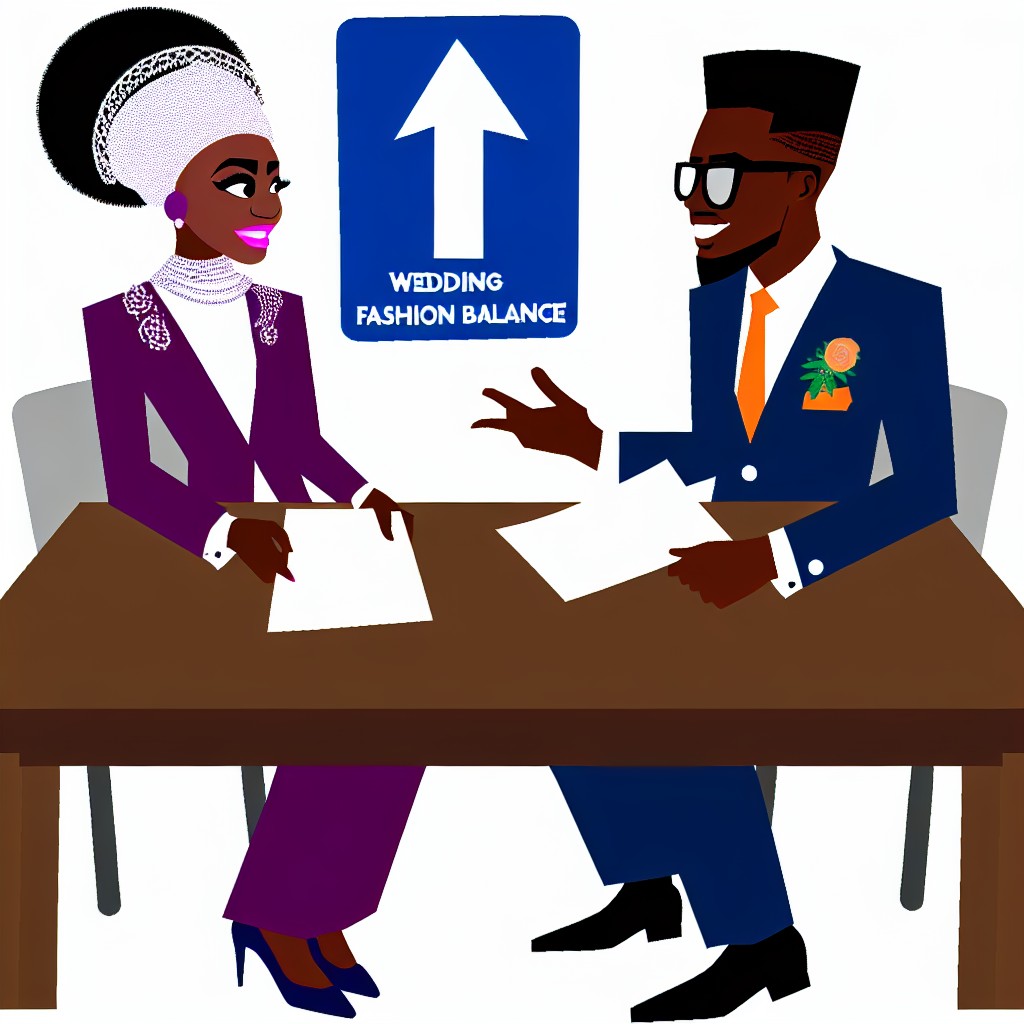
Balancing these two goals requires thoughtful communication and compromise.
Communicating Your Vision with Family
Start by openly discussing your wedding fashion ideas with close family members.
This conversation can clarify your intentions and reduce misunderstandings.
Express how certain elements reflect your personality and modern influences.
Similarly, invite their opinions and feelings about traditional attire.
By listening actively, you demonstrate respect for their values.
Moreover, this dialogue can inspire creative ways to blend styles harmoniously.
Incorporating Traditional Elements with Modern Flair
Identify key traditional features you wish to preserve in your outfit.
For instance, family heirlooms like veils or jewelry carry emotional significance.
Update fabric choices or silhouettes to reflect current trends.
Likewise, colors can combine classic tones with contemporary shades.
This approach honors heritage while allowing personal expression to shine.
Experienced designers like Clara Bentley specialize in blending tradition and modernity elegantly.
Seeking Professional Guidance
Consulting bridal stylists can help you navigate complex family expectations.
They offer expert advice on harmonizing diverse aesthetic preferences.
Furthermore, stylists recommend designers familiar with cultural details.
For example, the atelier of Simone Laurent provides custom gowns integrating heritage motifs.
Working collaboratively ensures your vision and family values align beautifully.
Consequently, you feel confident and authentic on your special day.
Balancing Compromise and Assertion in Wedding Fashion Choices
Remember, some compromises may be necessary to maintain family harmony.
However, stand firm on aspects crucial to your individual identity.
Prioritize elements that represent your personal journey and style.
Respectful negotiation helps avoid conflict and nurtures mutual understanding.
Your wedding fashion should celebrate both tradition and modernity.
Embrace this balance to create a meaningful and memorable bridal look.
Planning Wardrobe Transitions for Different Segments of the Wedding Ceremony
Understanding the Importance of Wardrobe Planning
Your wedding day consists of multiple segments that often call for varied attire.
Therefore, planning wardrobe transitions helps you honor tradition and embrace modernity.
Successful outfit changes highlight different moods and ceremonies throughout the day.
Moreover, they ensure comfort and style fit each segment’s unique atmosphere.
Identifying Key Segments of the Ceremony
Weddings typically include the ceremony, cocktail hour, reception, and after-party.
Each segment offers a chance to present a distinct look.
Start by listing all main events in your wedding schedule.
This approach simplifies selecting appropriate clothing for every phase.
Choosing Attire for Traditional Ceremony Segments
The ceremony usually demands respect for cultural customs and symbolism.
Select garments that reflect your heritage and family traditions.
For example, brides may wear classic saris, intricate lace gowns, or embroidered kimonos.
Grooms often choose formal outfits like sherwanis, tailored suits, or traditional robes.
Furthermore, incorporating heirloom pieces connects past and present seamlessly.
Incorporating Modern Elements for Celebratory Portions
As celebrations progress, adding modern touches creates excitement and personalization.
Opt for sleeker silhouettes, trendy accessories, or contemporary fabrics.
For instance, transition to a chic cocktail dress or a slim-fit tuxedo during the reception.
Consider daring colors and cuts when the mood is festive and relaxed.
Likewise, mix traditional patterns with modern tailoring for a fresh yet respectful style.
Planning Practical Wardrobe Changes
Coordinate outfit changes efficiently by scheduling them between key events.
Discuss timing with your coordinator and bridal party for smooth transitions.
Prepare a dedicated changing area to maintain privacy and comfort.
Have professional dressers assist with complex outfit swaps when possible.
Pack emergency kits with sewing supplies and stain removers for unexpected mishaps.
Accessorizing for Seamless Transformation
Accessories can dramatically alter your look without full outfit changes.
Use statement jewelry, fascinators, or ties to reflect ceremony shifts.
Change footwear to match the activity level and style of each segment.
Layers, such as shawls or jackets, add versatility and elegance effortlessly.
By mixing accessories, you balance tradition with modern flair creatively.
Collaborating with Designers and Stylists
Consult experienced wedding stylists to tailor wardrobe transitions perfectly.
Provide your planner details about your cultural background and personal taste.
They will help blend classic elements with current fashion trends smoothly.
Collaborate on fabrics, cuts, and colors that facilitate quick changes.
Through expert guidance, your wardrobe will highlight every wedding moment beautifully.
Additional Resources
Nigerian Wedding Traditions and Cultural Beliefs for Your Atlanta Cele
what do you think of this gravity-defying traditional marriage cake …