




A Shared Family Beginning
Nigerian wedding celebrations present marriage as a connection between two families.
Therefore, the occasion extends beyond the couple’s personal commitment.
It creates space for families to recognize their shared relationship.
Welcoming New Relationships
Both families use the celebration to acknowledge one another openly.
Through this recognition, relatives begin forming new connections.
Moreover, the couple’s union gives these relationships a shared foundation.
The celebration encourages relatives to participate in this wider beginning.
Collective Participation
Family involvement gives the occasion a collective character.
Relatives contribute their presence, attention, and support.
As a result, the celebration reflects shared responsibility for the union.
This participation also shows that families hold meaningful places within the marriage.
Public Recognition of the Union
The celebration allows families to recognize the couple’s union together.
It gives the relationship a wider social and family presence.
Furthermore, collective recognition connects the couple’s future with both families.
The occasion therefore communicates belonging alongside commitment.
Building a Shared Future
The celebration marks a new relationship between the families.
It also encourages both sides to view the future as connected.
Through shared participation, families express support for the couple’s journey.
Ultimately, the occasion honors a union that brings families closer together.
Traditional Wedding Rites and Cultural Meaning
Traditional wedding rites give marriage a culturally recognized form.
They express the seriousness of the couple’s commitment.
Furthermore, these rites connect personal intentions with shared cultural expectations.
Public Recognition of Marriage
Traditional rites move marriage from private intention to publicly acknowledged commitment.
Through these ceremonies, attendees recognize the couple’s marital decision.
Consequently, public recognition gives the marriage visible social meaning.
Moreover, the ceremony lets participants witness and acknowledge the commitment.
Family Approval and Support
Family approval confirms that relatives recognize the marriage.
When relatives offer approval, they affirm the couple’s decision.
Additionally, their participation communicates acceptance of the marriage.
This support can strengthen confidence in the couple’s new commitment.
Shared Cultural Meaning
Traditional rites preserve cultural meaning through recognized actions and shared participation.
They show that marriage carries significance beyond a private agreement.
Therefore, the rites provide a formal setting for recognition, approval, and commitment.
What Wedding Attire Communicates
Nigerian wedding attire communicates identity, heritage, status, and respect for tradition.
Each clothing choice shows how people present themselves during an important cultural celebration.
Moreover, attire gives participants a visible way to express meaningful cultural values.
Expressing Personal and Collective Identity
Wedding attire allows individuals to present identity through appearance.
It can show how personal expression connects with broader cultural belonging.
Therefore, clothing can represent both individuality and shared identity.
Attire also helps participants appear connected within the celebration.
Reflecting Heritage
Traditional clothing keeps cultural heritage visible during wedding celebrations.
Its appearance may connect the present celebration with inherited cultural knowledge.
Furthermore, familiar styles can reinforce continuity between generations.
Attire makes heritage observable through carefully chosen forms, colors, and arrangements.
These choices can communicate appreciation for cultural background without spoken explanation.
Signaling Status and Importance
Wedding attire can communicate the importance people assign to the occasion.
Formal presentation may show that participants recognize the celebration’s significance.
Careful clothing choices can also express confidence, dignity, and social presence.
However, attire communicates status through presentation rather than one universal standard.
Showing Respect for Tradition
Choosing traditional attire can demonstrate respect for established cultural practices.
Participants may use clothing to honor expectations connected with the celebration.
At the same time, they can express personal taste within traditional boundaries.
This balance allows wedding attire to preserve meaning while supporting individual expression.
Creating Visual Meaning
Attire gives the celebration a visible cultural character.
It helps communicate shared values through coordinated and meaningful presentation.
Moreover, clothing can make cultural identity immediately recognizable during the event.
Through these visual choices, participants show belonging, dignity, and respect for heritage.
Uncover the Details: What Wedding Vendors Learn About Culture Through Marriage Ceremonies
Music, Dance, and Communal Joy
Music gives Nigerian wedding celebrations an expressive sound that gathers attention and encourages shared enjoyment.
It creates an atmosphere where guests experience happiness together.
Moreover, music connects individual emotions with the wider energy of the celebration.
Music as a Shared Expression
Music allows participants to express excitement beyond spoken words.
Its presence helps transform the celebration into a collective experience.
As the music continues, guests contribute their energy to the occasion.
Therefore, music strengthens the sense of togetherness surrounding the celebration.
Dance and Visible Participation
Dance gives communal joy a visible form during Nigerian wedding celebrations.
Through movement, participants display happiness and engage actively with the occasion.
Additionally, dancing lets guests share celebration without requiring formal speeches.
Each movement can reinforce the gathering’s atmosphere of openness and enjoyment.
Celebration as Cultural Continuity
Celebration carries cultural expression forward through repeated participation.
Music and dance help maintain connections between inherited practices and present gatherings.
As people participate, they keep meaningful forms of expression active within communal life.
Consequently, celebration supports cultural continuity through shared experience.
Creating Collective Memories
Music and dance help shape memories associated with the wedding celebration.
These shared moments connect personal happiness with the wider community’s presence.
Furthermore, collective enjoyment gives the celebration significance beyond the immediate event.
It reminds participants that cultural expression thrives through active involvement.
The Energy of Togetherness
Celebration brings separate voices, movements, and emotions into one communal atmosphere.
Although each guest participates differently, everyone contributes to the gathering’s shared joy.
Thus, music and dance make togetherness both audible and visible.
They show how Nigerian wedding celebrations preserve culture through joyful participation.
Learn More: Why Cultural Awareness Is Essential for Nigerian Wedding Vendors
Food and Hospitality as Shared Meaning
Food and hospitality give wedding celebrations shared meaning beyond the meal itself.
They make generosity visible while inviting guests into the occasion.
Together, these practices connect personal celebration with collective participation.
Generosity Made Visible
Food gives hosts a visible way to express generosity during wedding celebrations.
By providing for guests, families show care, openness, and willingness to share.
Moreover, hospitality turns generosity into a shared experience rather than a private intention.
The celebration therefore communicates abundance through the act of giving.
Welcome Through Hospitality
Hospitality helps guests feel acknowledged within the wedding celebration.
It creates an atmosphere where people can gather, participate, and share the occasion.
Furthermore, welcoming others shows that the celebration values their presence.
Food and hospitality consequently help transform attendance into meaningful involvement.
The Wider Community Takes Part
Nigerian wedding celebrations can involve more than the couple and their immediate families.
Through shared food and welcome, the wider community becomes part of the occasion.
Guests contribute their presence to the celebration and receive recognition through hospitality.
Thus, the celebration creates space for collective participation.
Sharing Strengthens Social Connection
Shared meals encourage connection among people attending the wedding.
As guests gather, hospitality supports conversation and mutual engagement.
Additionally, these interactions help express the social importance of the celebration.
Food therefore serves as more than nourishment within the wedding setting.
It also supports relationships among those who share the occasion.
Care Expressed Through Preparation
Providing hospitality requires attention to the needs of guests.
That effort communicates respect for everyone included in the celebration.
Consequently, food becomes a practical expression of care and responsibility.
The hosts show generosity through both what they provide and how they welcome guests.
A Celebration Opened Beyond the Couple
Hospitality broadens the meaning of the wedding beyond the couple.
It invites the wider community to experience the celebration together.
As a result, shared food and welcome reinforce the event’s collective character.
They show that the occasion holds significance for everyone who participates.
Discover More: Local Snacks by Dabela Lagos – Cultural Snacks, Exports and Discounts
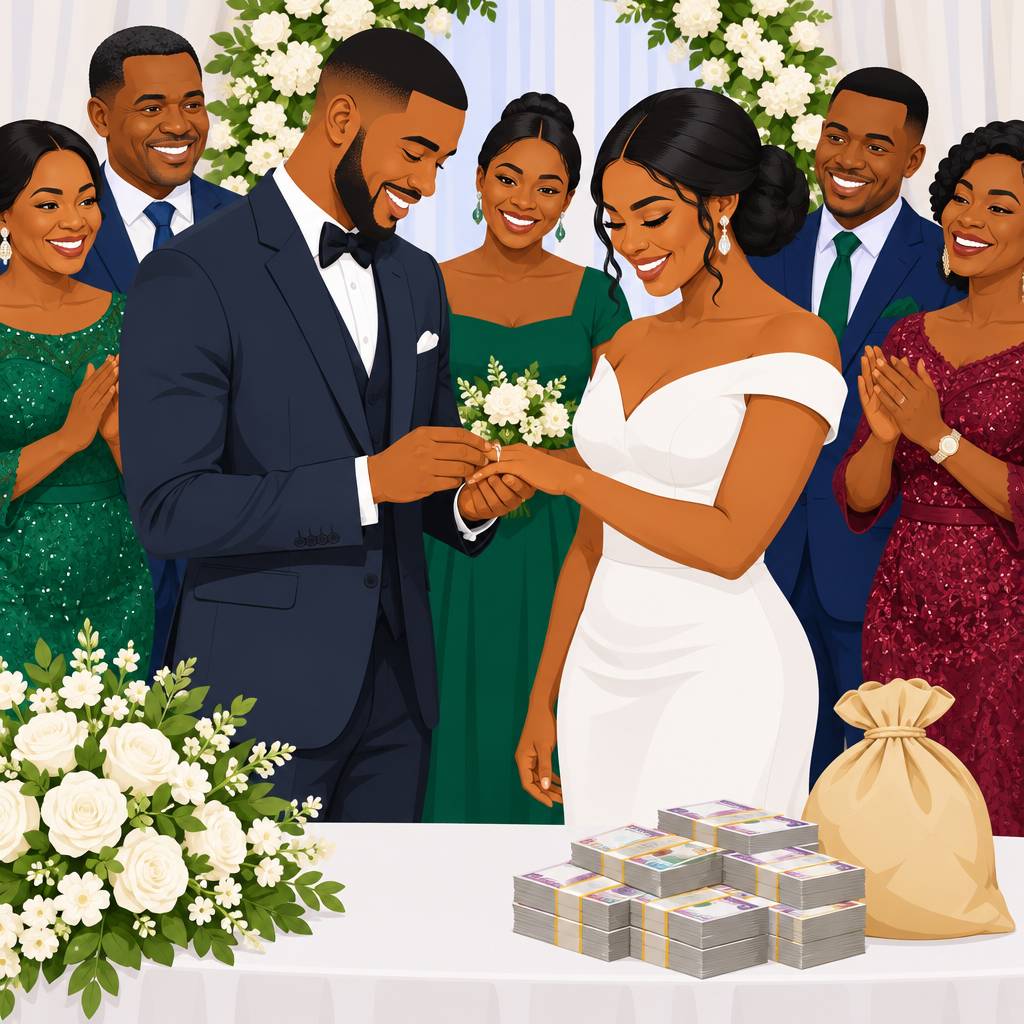
Religious Beliefs and Wedding Expectations
Religious beliefs can shape how couples understand marriage, commitment, responsibility, and family life.
They can also influence the values guiding wedding decisions and public expectations.
Furthermore, faith may connect wedding choices with the couple’s understanding of marriage.
Marriage as a Moral Commitment
Many couples approach marriage as more than a personal agreement.
Instead, their beliefs may present marriage as a serious moral commitment.
This understanding can encourage loyalty, mutual respect, patience, and shared responsibility.
Consequently, families may expect couples to protect these values throughout marriage.
Faith Within Wedding Rituals
Religious convictions can influence the rituals included in a wedding celebration.
They may shape the words, prayers, blessings, or declarations used during the ceremony.
These elements can express gratitude, seek guidance, and recognize the union’s importance.
However, specific rituals may differ according to each couple’s religious convictions.
Therefore, couples and families may adapt ceremonies to reflect their shared faith.
Guidance for Conduct and Decision-Making
Religious beliefs can guide how couples prepare for marriage and make important decisions.
They may influence expectations about honesty, respect, responsibility, and cooperation.
Furthermore, faith can provide principles for handling disagreements and supporting one another.
These principles may continue shaping the couple’s choices after the celebration ends.
Family Expectations and Religious Values
Religious values can also affect what families expect from the wedding process.
Relatives may encourage practices that reflect their understanding of a proper marriage.
They may also value ceremonies that visibly acknowledge the couple’s spiritual commitments.
As a result, religious expectations can influence planning, participation, and public support.
Balancing Personal Convictions and Shared Expectations
Couples may need to balance personal convictions with expectations from their families.
This process can require communication, respect, and careful consideration.
When beliefs differ, families may discuss which values the ceremony should represent.
Such discussions can help couples create celebrations that reflect their understanding of marriage.
Faith Beyond the Ceremony
Religious influence may extend beyond the wedding day itself.
It can shape expectations about how couples should treat one another afterward.
It may also encourage families to view marriage as an ongoing responsibility.
Thus, religious belief can connect wedding rituals with the couple’s future conduct.
Learn More: How Vendors Adapt to Different Nigerian Ethnic Wedding Traditions
Preserving Cultural Knowledge Through Shared Participation
Nigerian wedding celebrations create opportunities for cultural knowledge to move between generations.
Elders, relatives, and community members support this process through guidance, participation, and explanation.
These celebrations also support cultural learning through shared involvement.
Elders as Cultural Guides
Elders connect wedding ceremonies with the knowledge their communities value.
They explain the meaning behind actions, words, and responsibilities within each ceremony.
Moreover, their guidance helps younger participants approach traditions with understanding and respect.
Elders also clarify expectations when families prepare for important ceremonial moments.
Through their presence, they demonstrate how cultural knowledge supports shared responsibility.
Relatives as Everyday Teachers
Relatives reinforce cultural knowledge by participating alongside couples and their families.
They show younger family members how people cooperate during significant communal occasions.
Furthermore, relatives preserve customs by remembering details that ceremonies require.
Their involvement turns cultural learning into a shared family experience.
As a result, younger participants observe traditions while engaging with them directly.
Community Members as Living Memory
Community members maintain cultural knowledge beyond the immediate families.
They contribute shared memory through presence, cooperation, and recognition of established practices.
Additionally, their participation confirms cultural knowledge belongs within a wider social setting.
The community therefore preserves meaning through collective attention and involvement.
Each participant strengthens continuity by treating the ceremony as a shared cultural responsibility.
Learning Through Observation and Practice
Wedding ceremonies allow younger people to learn by watching experienced participants.
They can also develop understanding by taking part in appropriate responsibilities.
This combination of observation and practice makes cultural knowledge easier to remember.
Furthermore, participation connects abstract values with visible communal actions.
Such learning encourages younger generations to recognize their role in cultural continuity.
Maintaining Continuity Across Generations
Cultural preservation depends on people sharing knowledge across generations.
Elders provide memory, relatives provide family support, and communities provide broader continuity.
Together, they keep wedding ceremonies connected to inherited cultural understanding.
At the same time, younger participants can carry that understanding forward.
Therefore, each wedding celebration strengthens relationships between cultural memory and future participation.
Balancing Inherited Customs With Personal Choice
Contemporary Nigerian weddings often bring inherited customs into conversation with individual preferences.
This balance allows couples to respect tradition while shaping celebrations that reflect their choices.
Therefore, wedding decisions can preserve cultural meaning without requiring every element to remain unchanged.
Keeping Meaning While Adapting Practices
Couples may retain customs that carry personal or cultural importance.
Meanwhile, they can adjust other elements to suit their priorities.
This approach treats tradition as meaningful guidance rather than a fixed template.
As a result, familiar practices can remain relevant within changing celebrations.
Making Space for Individual Expression
Personal choice gives couples greater influence over how their wedding feels and appears.
They may consider their preferences when selecting the celebration’s structure, atmosphere, and style.
However, these choices can still acknowledge inherited expectations.
Consequently, the celebration can express both shared culture and individual identity.
Combining Familiar Customs With Modern Celebration Styles
Modern celebration styles can introduce different approaches to planning and presentation.
Nevertheless, couples can connect these approaches with culturally significant customs.
This combination creates a celebration that feels both grounded and current.
Creating a Flexible Celebration Format
A contemporary wedding can include distinct elements without separating them from cultural identity.
For example, couples can organize traditional and modern aspects within one coherent celebration.
The resulting format can reflect continuity, creativity, and personal intention.
Additionally, flexibility allows couples to respond to their circumstances without abandoning cultural meaning.
Negotiating Different Expectations
Families and couples may hold different views about which customs should remain central.
Open discussion can help clarify priorities before final decisions take shape.
Couples can then identify practices they value and choices they want to personalize.
This process supports mutual understanding while reducing unnecessary tension.
Finding Personal Meaning Within Contemporary Choices
Personalization becomes more meaningful when couples understand why particular customs matter to them.
They can then make deliberate choices instead of following expectations automatically.
Likewise, they can explain modern preferences as part of their celebration’s wider purpose.
Connecting Choice With Cultural Continuity
Cultural continuity does not require every wedding to follow an identical pattern.
Instead, continuity can emerge when couples carry valued meanings into new forms.
Thus, contemporary choices can extend cultural expression rather than replace it.
Reflecting Changing Ideas of Celebration
Modern Nigerian weddings can show how cultural practices respond to changing personal preferences.
They can also demonstrate that respect for tradition and creative freedom can coexist.
Ultimately, each celebration can establish its own balance between inherited customs and contemporary expression.
Additional Resources
Bing search results for The Cultural Meaning Behind Nigerian Wedding Celebrations Cultural Insights


