




Photographers’ Viewpoint
Photographers frame shots to emphasize fabrics’ colours and ornate detailing.
They shape light to render colours accurately.
Photographers guide poses that reveal fabric structure and movement.
Framing and Composition
They choose angles that reveal embroidery, beadwork, and surface texture.
Additionally, they use negative space to make patterns stand out.
They vary distances to mix full-body views with intimate detail frames.
Lighting Techniques to Reveal Colour and Texture
They balance soft fill with directional light to model texture.
Moreover, they control highlights to preserve ornate detailing.
They adjust colour balance to reflect true fabric tones.
Close-Ups and Detail Shots
Photographers capture tight frames that showcase stitching and embellishments.
Furthermore, they carefully set focus to keep fine details sharp.
They compose backgrounds to avoid distracting from ornate surfaces.
Directing Poses to Showcase Fabrics
They ask for subtle motions to display drape and shimmer.
Also, they position limbs to frame embroidered areas and trims.
Moreover, they suggest angles that catch surface reflections without glare.
Practical Checklist for a Fabric-Focused Session
- Plan a mix of wide, mid, and close framing.
- Test light directions before full shooting.
- Prioritize true colour balance during setup.
- Encourage gentle movement to show fabric flow.
- Reserve moments for isolated detail captures.
Working with the Bridal Party
Photographers adapt poses to include attendants and accessories.
They ensure group arrangements also highlight key fabrics and motifs.
Ultimately, photographers translate fabric artistry into emotive photographs.
Adapting Beauty Looks Around Fabrics and Headwraps
Makeup artists prioritize longevity for full wedding-day wear.
Artists schedule trials to test looks with actual fabrics and wraps.
They listen closely to the bride’s preferences and cultural expectations.
Understanding Fabric and Headwrap Influence
Heavy fabrics and elaborate headwraps shape the overall bridal silhouette.
They alter how makeup and hair read in person and on camera.
Therefore artists adjust contrast, texture, and balance accordingly.
Makeup Strategies for Long Wear and Complementary Color
Additionally they plan color choices to harmonize with fabric tones.
They set focal points to complement, not compete with, ornate headwraps.
Furthermore skin preparation helps makeup adhere and appear even.
They prepare a touch-up plan for oil, sweat, and movement.
Hairstyling Techniques for Support and Durability
Hairstylists create stable foundations that support elaborate headwraps.
They build styles that resist loosening from dance and weather.
Also they consider headwrap placement when shaping volume and texture.
- Support comes first to ensure comfort and security.
- Longevity comes next to maintain styles through the event.
- Silhouette must flatter both the face and the garment lines.
- Mobility considerations keep the bride comfortable while she moves.
Practical On-Site Coordination and Timing
Additionally they plan quick touch-ups between ceremony and reception.
Artists adjust timing to allow secure styling and proper setting time.
They coordinate timing with photographers to capture finished looks.
Consultation and Cultural Sensitivity
Also they respect traditional wrapping methods when requested by the bride.
Therefore consultations ensure the final look aligns with the bride’s vision.
Furthermore clear communication builds trust and reduces last-minute changes.
Designers and Seamstresses: Craftsmanship and Patterning
Designers and seamstresses shape bespoke bridal looks through meticulous handwork.
They translate creative visions into precise fabric pieces for fitting.
They coordinate fittings and alterations to ensure proper silhouette and movement.
Artisan Craftsmanship
They cut and join fabrics with careful attention to seam placement.
Additionally, they refine textures and garment structure using hand techniques.
They balance durability and comfort in wearable couture.
Patterning and Drafting
Patterning translates a vision into precise fabric pieces for fitting.
Seamstresses adjust patterns to match individual body shapes.
They consider fabric behavior when modifying pattern lines.
Fittings and Prototype Work
Fittings allow designers to evaluate silhouette and movement on the bride.
Designers pin and mark adjustments directly on the fabric during fittings.
They create mock-ups to test proportions before final sewing.
On-the-Spot Alterations
Seamstresses perform on-the-spot alterations during wedding-day preparations when needed.
Next, they address last-minute fit issues quickly to maintain the overall look.
Moreover, they reinforce delicate areas to prevent wardrobe malfunctions.
Therefore, they prepare emergency kits for immediate adjustments and repairs.
Embellishment and Hand Finishing
Designers oversee embellishment placement to complement fabric and silhouette.
Hand stitching secures beads, embroidery, and trims with precision and care.
They maintain balance between ornamentation and wearability.
Collaboration and Workflow
Designers sequence work to meet tight bridal timelines efficiently.
They communicate fitting notes and alteration needs to seamstresses clearly.
They remain adaptable to changes throughout the bridal process.
Discover More: How Fashion Choices Influence the Atmosphere of Nigerian Weddings
Event Planners and Decorators
Additionally, they layer ambient and accent lights for depth.
Seating arrangements maintain unobstructed views for guests.
Finally, they remain ready to adapt if visual needs change.
Selecting Venue Colors and Backdrops
Planners prioritize palettes that highlight the bride’s attire.
Additionally, they choose backdrops that avoid visual competition.
Moreover, they favor neutral or complementary tones to let fabrics stand out.
Lighting Strategies to Preserve Fabric Texture and Color
Lighting designers adjust intensity to flatter intricate fabrics.
Furthermore, they avoid harsh glare that flattens textures.
They manage color temperature so hues appear true to life.
Staging and Focal Design
Planners design stages to draw attention toward the bride.
They control sightlines so attire remains the visual center.
Meanwhile, elevation and placement reinforce the bridal focal point.
They use simple staging elements to prevent distraction.
- Simple platforms support clear sightlines and presence
- Subtle aisle treatments guide focus without overpowering attire
Coordination and Communication with Other Teams
Event teams coordinate timing to ensure setup complements the attire.
Additionally, they communicate about sightlines and access requirements.
This role complements other vendors’ work.
Practical On-the-Day Adjustments
Decor teams prepare contingencies for last-minute adjustments.
They adjust lighting and decor quickly when needed.
Moreover, they verify the stage and sightlines before the ceremony begins.
Key Considerations for Maintaining Bridal Focus
- Color harmony prevents clashes with ornate attire
- Light quality preserves color accuracy and fabric depth
- Sightline planning keeps the bridal silhouette prominent
- Simplicity in decor reduces competing visual elements
- Contingency planning ensures quick fixes for unexpected issues
Uncover the Details: New Breed Bridals Auchi, Edo: Wedding Dress Rentals and Sales
Selecting and Styling Necklaces, Beads and Headpieces
Selecting and styling pieces requires attention to cultural meaning.
They match selections to the bride’s preferences and overall aesthetic.
Also, pieces must remain wearable while honoring symbolic elements.
Respecting Tradition and Aesthetic Goals
Vendors center choices on cultural meaning and bridal preferences.
Additionally, they consider the overall bridal aesthetic desired by the client.
Furthermore, they balance symbolic elements with wearable design.
Key Considerations When Choosing Necklaces and Beads
Vendors assess scale relative to the bridal outfit’s neckline and silhouette.
- Priority goes to a focal piece that complements the bride.
- They evaluate weight to ensure comfort during the ceremony.
- They consider length options to frame the face and bodice effectively.
- They match colours and finishes with the bridal palette.
- Additionally, they check fastening security for dancing and movement.
- Furthermore, they inspect craftsmanship details for durability and visual impact.
Styling Headpieces and Hair Accessories
Vendors plan headpiece scale to harmonize with head coverings and hairstyles.
They position pieces to enhance the face without overpowering the ensemble.
Moreover, they secure pieces with appropriate fastenings and discreet pins.
Briefly, they coordinate timing with hair and makeup teams for seamless installation.
Layering and Proportion Strategies
Vendors use layering to create visual depth without cluttering the look.
Therefore, they begin with a primary piece and add accents sparingly.
- They balance heavy pieces with simpler adjacent accessories.
- They test proportions near the neckline and sleeve lines.
- Consequently, they avoid competing focal points on the same visual plane.
Fittings, Transport and Onsite Adjustments
Vendors schedule at least one fitting to confirm comfort and placement.
They prepare a repair kit for quick onsite adjustments and reattachments.
Additionally, they pack pieces securely to prevent damage during transport.
Client Communication and Cultural Sensitivity
Vendors ask about family traditions and symbol preferences before finalizing designs.
Furthermore, they present options and explain tradeoffs in clear terms.
Finally, they obtain bride approval for wearability and sentimental considerations.
Delve into the Subject: Beeshotit Uyo Wedding Photography Services Focused on Timeless Images
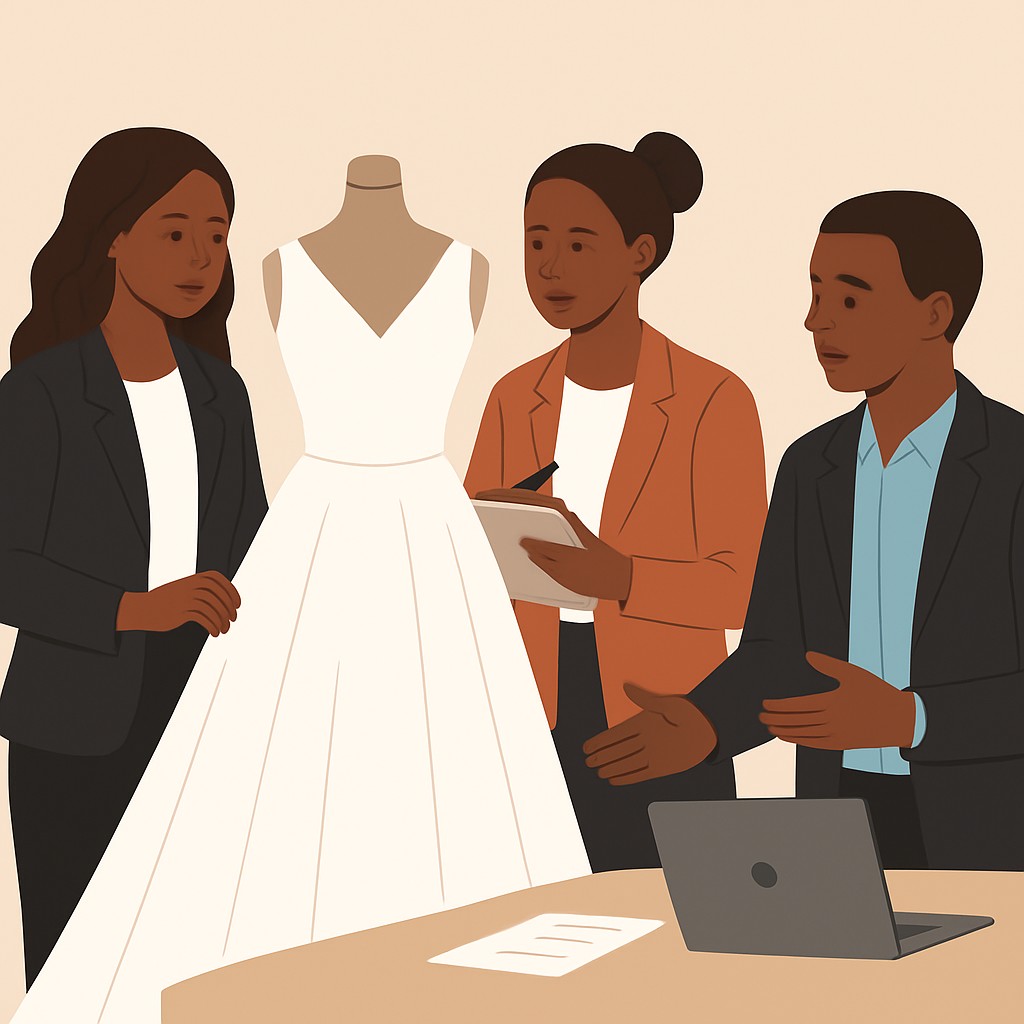
Florists and Cake Designers
Florists and cake designers align palettes with bridal fabrics and ornamentation.
They identify dominant tones and supporting accent shades from attire.
They balance bold hues with subtle neutrals for visual harmony.
Coordinating Colour Palettes
Also, they consider how venue lighting affects perceived colours.
Designers select dominant tones first and then add supporting accents.
Moreover, they repeat colours to link floral and cake elements visually.
Palette Considerations
Contrast helps highlight intricate ornamentation without clashing.
Metallic tones can echo embroidery and accessory shine.
Venue lighting influences final colour choices and perceived tones.
- Contrast helps highlight intricate ornamentation without clashing.
- Metallic tones can echo embroidery and accessory shine.
- Repetition of colours links floral and cake elements visually.
- Venue lighting influences final colour choices and perceived tones.
Translating Fabric Textures into Floral and Cake Elements
They echo fabric textures through floral selections and icing finishes.
Designers vary flower forms and petal density to mirror textile weight.
Also, they adjust icing techniques to reflect smooth or textured fabrics.
Reflecting Ornamentation and Motifs
They repeat ornamental motifs through arrangement shapes and surface decoration.
Furthermore, they incorporate metallic accents and beadlike details for cohesion.
They scale motifs to match bridal embroidery and accessory proportions.
Composition, Scale, and Placement Considerations
They plan composition to complement the bride and ceremony focal points.
Also, they consider scale to avoid overpowering the bridal silhouette.
Moreover, they place arrangements and cakes to enhance viewing angles for guests.
Collaboration and Samples
They communicate with other vendors to ensure cohesive aesthetic intent.
Additionally, they share visual samples and mockups when possible.
Consequently, they refine palettes and details through collaborative feedback loops.
Practical Styling Tips
They layer textures and colours to create depth and visual interest.
Also, they repeat small accents to tie disparate elements together.
Finally, they keep bride comfort and movement in mind when situating designs.
You Might Also Like: Hairvolver Abuja Bridal Hairstylist: Beads and 30-Minute Changes
Business and Marketing Perspective
This section examines business and marketing aspects of bridal services.
It highlights how trends influence vendor choices and client demand.
It outlines collaboration, pricing, content, operations, and metrics considerations.
Trends Shape Demand
Bridal fashion trends influence client interest and service requests.
Consequently vendors adapt product lines and service offerings to meet preferences.
Additionally trend cycles affect planning horizons and procurement choices.
- Fabric preferences
- Silhouette popularity
- Colour palettes
Vendor Collaborations and Network Effects
Vendors form partnerships to deliver cohesive bridal experiences.
Furthermore collaborations enable shared marketing and client referrals.
Moreover joint showcases highlight complementary skills and offerings.
- Cross-promotional packages
- Coordinated timelines
- Shared showcases
Pricing and Packaging Strategies
Vendors set prices based on craftsmanship, time, and perceived value.
Next they design package tiers to address varied budgets and expectations.
Additionally vendors offer add-ons to increase flexibility and revenue.
- Tiered packages
- Custom quotes
- Add-on services
Social Media Showcases and Content Planning
Vendors showcase work on social platforms to attract engaged couples.
Moreover coordinated content with partners amplifies reach and storytelling.
They schedule posts and campaigns around trend peaks and client interest.
- Process videos
- Styled galleries
- Client testimonials
Operational and Inventory Implications
Trend shifts influence inventory levels and supplier negotiations.
Therefore vendors monitor lead times and adjust ordering practices.
Additionally staffing and scheduling adapt to demand fluctuations caused by trends.
Marketing Metrics and Feedback Loops
Vendors track inquiries and conversion patterns to refine marketing approaches.
Furthermore client feedback informs service enhancements and package design.
Consequently vendors iterate offerings to stay aligned with evolving bridal preferences.
Cultural Artisans and Heritage Keepers
This section describes artisans and their role in sustaining heritage.
It outlines traditional techniques, teaching methods, and community partnerships.
Also, it addresses practical approaches, challenges, and cultural meaning.
Traditional Techniques and Craft Processes
Artisans maintain traditional textile, embroidery, and beadwork techniques.
Furthermore, they use hands-on processes passed through generations.
Additionally, they preserve patterns and motifs that hold cultural meaning.
Methods of Teaching and Skill Transmission
Families and masters pass skills through observation and guided practice.
Moreover, apprenticeships allow gradual mastery under experienced hands.
In addition, communal demonstrations showcase techniques during gatherings.
Consequently, younger makers learn context alongside technical steps.
- Observation and guided practice foster foundational skills.
- Apprenticeships build advanced technique through mentorship.
- Community demonstrations highlight process and cultural context.
- Hands-on workshops accelerate skill acquisition for newcomers.
Role of Vendors and Community Partnerships
Wedding vendors encounter artisans who keep traditional crafts alive.
Moreover, vendors often commission handmade elements for bridal attire.
Therefore, vendors help create demand that supports intergenerational teaching.
Additionally, vendors facilitate introductions between artisans and brides or families.
Practical Approaches to Sustaining Skills
Workshops and hands-on sessions encourage practical skill transfer.
Meanwhile, collaborative projects pair experienced artisans with newer makers.
Also, vendors sometimes host live demonstrations at events and markets.
Challenges to Preservation and Adaptive Responses
Artisans face pressures that can threaten long-term skill transmission.
However, many adapt by simplifying processes while keeping core techniques.
Furthermore, they diversify by creating items for both ceremonies and daily use.
Cultural Significance and Community Continuity
Embroidery and beadwork convey stories, identity, and communal memory.
Moreover, passing techniques sustains cultural continuity within communities.
Consequently, artisans serve as custodians of tangible and intangible heritage.


