




Cultural Identity and Ceremonial Tone
Traditional attire communicates shared heritage through visual symbols.
Moreover, clothing creates recognizable cues for attendees.
Additionally, patterns and silhouettes evoke communal belonging.
Color and Pattern as Communal Signals
Color choices set a collective mood for ceremony.
Furthermore, patterns can reinforce cultural motifs and unity.
Therefore, attire helps guide guests’ emotional expectations.
Ritual Roles and Ceremonial Tone
Specific garments can mark ceremonial roles among participants.
Consequently, the ceremony flows with clearer social signals.
Moreover, attire can amplify solemn or celebratory elements of rituals.
Guest Participation and Collective Experience
When guests coordinate attire, they reinforce collective identity.
Additionally, coordinated fashion fosters shared participation and memory.
- They express solidarity through shared color choices.
- Attendees acknowledge the couple through distinct attire markers.
- They participate in rituals by wearing culturally appropriate garments.
Practical Elements that Support Ceremony
Moreover, attire can influence comfort and movement during rituals.
Therefore, clothing choices affect pacing and interaction among guests.
Additionally, ensembles can set expectations for formality and behavior.
Preserving Cultural Identity Through Dress Choices
Attire helps transmit cultural values across generations.
Furthermore, families display continuity through recurring style elements.
Consequently, weddings sustain cultural narratives over time.
Effect of Contemporary and Fusion Fashion on Mood
Earlier content discussed traditional attire and cultural identity.
This section explores contemporary and fusion fashion effects on mood.
It examines color, silhouette, texture, and guest dress influences.
Visual Tone and Color Choices
Bold palettes often lift the energy of a wedding.
Meanwhile, muted palettes create an intimate and calm atmosphere.
Additionally, fusion palettes balance bright and subtle tones for dynamic contrast.
Silhouette, Movement, and Energy
Loose silhouettes encourage lively movement and spontaneous dancing.
Conversely, structured silhouettes promote formality and composed interactions.
Therefore, cut and fit shape guest behavior throughout the day.
Accessories, Textures, and Details
Shiny embellishments add sparkle and heighten festive excitement.
Natural textures bring warmth and invite tactile connection.
Moreover, fusion details can reference heritage while remaining contemporary.
Guest Dress and Social Atmosphere
When guests adopt contemporary looks, the event feels progressive.
Alternatively, fusion ensembles encourage conversations about creativity and personal meaning.
Consequently, dress codes directly influence mingling and overall tone.
Coordination with Music and Venue
Fashion choices can signal preferred music styles and pacing.
Subsequently, musicians and planners may adapt tempo and atmosphere.
Also, lighting and fabrics interact to change perceived ambiance.
Practical Considerations and Comfort
Comfortable fabrics encourage longer celebration and relaxed interactions.
However, restrictive outfits can limit movement and reduce enjoyment.
Thus, practical fashion supports mood consistency throughout the event.
Key Mechanisms of Mood Influence
- Color and contrast guide emotional responses.
- Silhouette and movement shape physical energy.
- Accessories and texture refine intimacy or exuberance.
Color Choices and Symbolism
Earlier sections addressed other fashion influences.
Color palettes shape the emotional tone of a wedding.
Certain palettes convey warmth, while others suggest calmness.
Palette Types and Emotional Tone
Moreover, vibrant combinations increase visual energy during ceremonies.
Conversely, muted schemes promote subtlety and restfulness.
Start by identifying the mood you want to evoke.
Symbolism and Intention
Colors carry symbolic meanings for participants and observers.
Therefore, couples often select palettes with intentional symbolism.
Additionally, palettes can reflect personal values and shared intentions.
Coordinating Attire and Space
Palettes link attire, decor, and floral elements visually.
Consequently, a unified palette creates cohesive visual energy across spaces.
Also, deliberate contrasts help emphasize key moments and people.
Practical Considerations for Palette Selection
Next, view samples under ceremony lighting before deciding.
Also, balance bold hues with neutral anchors for visual rest.
Finally, communicate the palette clearly to everyone involved.
Approaches to Apply Palettes
- Use a dominant hue with supporting accent colors.
- Apply accents to focal points like entrances and stages.
- Mix textures to enrich a limited color scheme visually.
- Alternatively, rotate accents across different ceremony moments.
See Related Content: New Breed Bridals Auchi, Edo: Wedding Dress Rentals and Sales
Material Choices and Their Effects
This section examines how materials and shapes influence ceremony tone.
It emphasizes weight, texture, and silhouette as key factors.
The focus excludes color and tradition from the analysis.
Scope of This Section
This section focuses on materials and shapes.
It excludes color from its scope.
The section also excludes tradition.
Fabric Weight and Perceived Formality
Heavier fabrics often signal increased formality.
Therefore, they raise the ceremony’s perceived seriousness.
Conversely, lighter fabrics promote a relaxed atmosphere.
Moreover, they encourage freer movement and casual tempo.
Texture and Visual Temperature
Smooth textures reflect light and draw visual focus.
Meanwhile, matte textures absorb light and soften the scene.
Additionally, pronounced textures add tactile richness and perceived depth.
Silhouette and Movement
Tailored silhouettes convey structure and formal presence.
On the other hand, flowing silhouettes invite motion and lively tempo.
Moreover, fitted designs can restrict movement and affect comfort.
Comfort, Climate and Practical Tempo
Consider climate when choosing materials for comfort.
Furthermore, breathable choices support longer celebrations without fatigue.
Also, flexible construction allows guests to dance and move freely.
Styling Strategies to Balance Formality and Comfort
Below are practical approaches to balance formality and comfort.
These strategies address weight, texture, and silhouette.
They also promote guest comfort and free movement.
- Mix heavier and lighter layers to adapt formality and manage temperature.
- Combine smooth and textured surfaces to create visual interest without overwhelming the room.
- Opt for silhouettes that allow movement while maintaining a polished appearance.
- Use tailored adjustments to improve fit and increase comfort for long events.
Thoughtful combinations of weight, texture and silhouette shape ceremony energy.
Learn More: Beeshotit Uyo Wedding Photography Services Focused on Timeless Images
Coordinated Family and Bridal-Party Dressing
Consequently, guests recognize roles and engage with the group more easily.
Furthermore, they shape how cameras capture group compositions and focal points.
Additionally, shared dressing can boost confidence and collective presence.
Creating Visual Unity and Group Identity
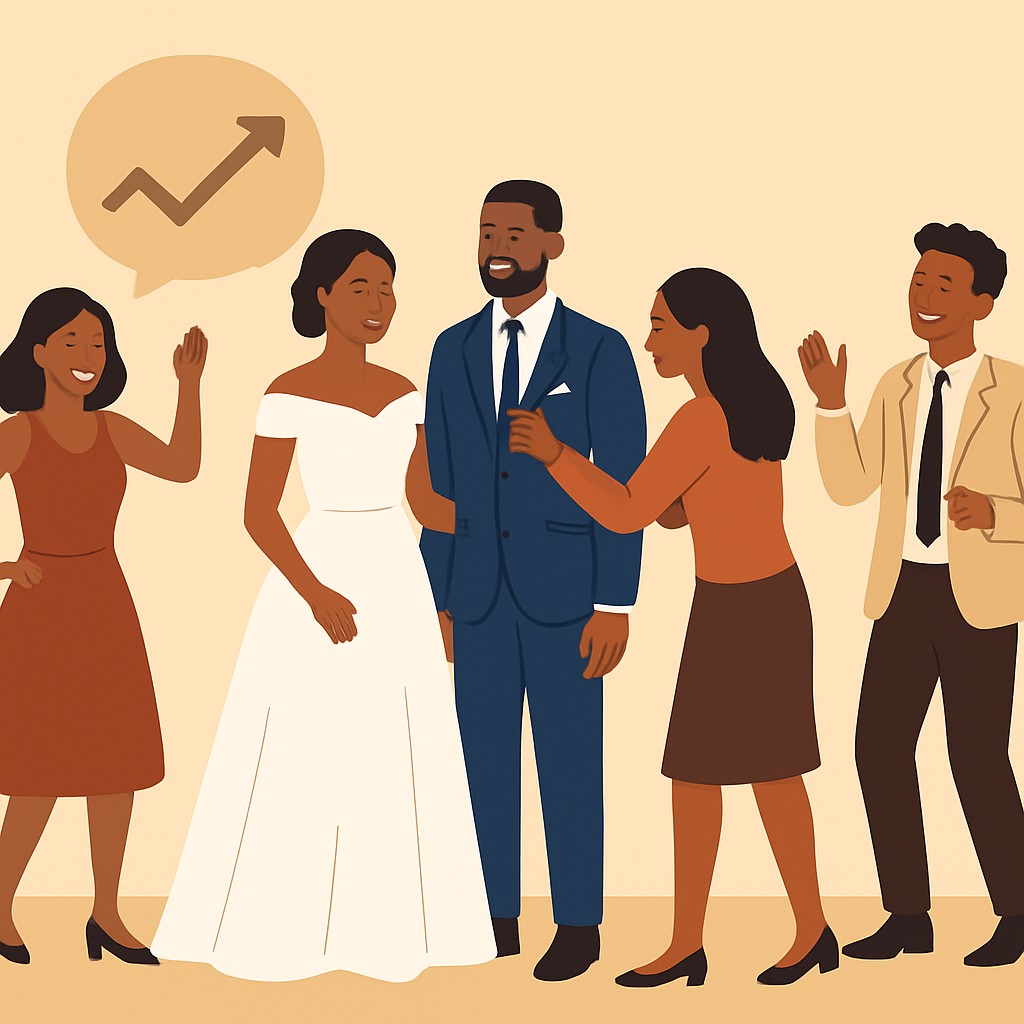
Coordinated dressing creates an immediate sense of cohesion among close participants.
Additionally, it signals collective identity to everyone attending.
Moreover, matching choices clarify who belongs to the wedding inner circle.
Designing Spectacle and Photographic Impact
Coordinated outfits amplify spectacle during entrances and ceremonial moments.
Also, repeated visual elements draw attention and create rhythm in images.
Therefore, planned coordination strengthens memorable scenes for both live guests and photographers.
Shaping Group Dynamics and Interactions
Coordinated attire influences how the group moves and interacts together.
Moreover, it encourages cooperation during organized moments and spontaneous celebrations.
Consequently, planners can stage transitions more smoothly with clear group visuals.
Practical Coordination Strategies
Communicate clear guidelines early to family and bridal-party members.
Meanwhile, allow flexibility for comfort and individual expression within the plan.
Use visual references to set expectations without prescribing every detail.
- Shared accessories or motifs
- Consistent dress codes and expectations
- Timing and choreography for group appearances
Managing Guest Perception and Atmosphere
Coordinated dressing frames the atmosphere from the ceremony onset.
Additionally, it sets expectations about the event’s rhythm and tone.
Furthermore, thoughtful group coordination helps moments feel intentional and celebratory.
Gain More Insights: Hairvolver Abuja Bridal Hairstylist: Beads and 30-Minute Changes
Signals of Status, Ritual and Elegance
Head coverings draw attention to individuals within a ceremony.
Adornments mark transitions during ceremonial sequences.
Accessories set tones that range from restrained to celebratory.
Guests and hosts select items with attention to ceremony expectations.
Headgear as a Visual Signal
Moreover, they convey social standing without spoken words.
Additionally, variations in size and intricacy affect perceived prominence.
Furthermore, variation in headwear among attendees creates visual focal points.
Adornment within Ritual Moments
Consequently, they intensify the solemnity of ritual moments.
Furthermore, wearable items can signal roles and responsibilities.
Also, subtle changes in adornment can cue shifts in atmosphere.
Accessories and Overall Atmosphere
Additionally, metallic and reflective pieces brighten visual energy.
Moreover, delicate adornments introduce understated refinement.
Therefore, choices in accessories influence perceived elegance and tempo.
Practical Presentation and Etiquette
Furthermore, placement and proportion affect comfort and movement.
Consequently, practical choices preserve dignity and participation opportunities.
Additionally, thoughtful pairing of accessories supports respectful presentation.
Consider practical and symbolic factors when selecting accessories.
- Visibility and scale
- Symbolic resonance
- Comfort for extended wear
- Compatibility with ceremonial movements
Maintaining Elegance Through Adornment
Careful maintenance preserves the visual impact of adornments.
Moreover, secure fastening ensures pieces remain in place during rituals.
Additionally, timely adjustments sustain elegance throughout the event.
Learn More: Omas Artistry Ogudu Ojota Lagos Bridal Makeup Services for Weddings
Guest Dress Codes and Etiquette
This section covers guest dress codes and etiquette.
It describes invitation wording and on-site management.
Also, the content explains polite guidance and balancing flexibility.
Setting Expectations on Invitations
Hosts use dress codes to shape Nigerian wedding atmosphere.
They convey clear guidance about appropriate attire.
Additionally, they state whether traditional attire is welcome.
- Include a concise dress code label for quick understanding.
- Provide a brief description to clarify the label.
- Offer neutral examples of acceptable styles when helpful.
- Mention any color notes or broad palette preferences.
- Give a contact for guests to ask attire questions.
Clear Wording and Visual Cues
Use simple phrases to avoid ambiguity about expectations.
Additionally, visual cues on invitations aid guest interpretation.
Hosts can include small icons or modest sketches to show tone.
Enforcement and On-site Management
Designated attendants handle dress code questions at the venue.
Moreover, front-of-house staff greet guests and provide guidance.
Hosts prepare discreet alternatives for guests who arrive outside the code.
- Train attendants to communicate politely and consistently.
- Plan a private way to resolve attire mismatches respectfully.
- Keep enforcement aligned with the invitation wording and tone.
Polite Etiquette Guidance for Guests
Invitations remind guests to dress respectfully for ceremonies and rituals.
Guests should consider comfort alongside formality to avoid distraction.
Additionally, guests should follow any family or venue-specific requests.
Consequently, early communication helps guests prepare appropriate outfits.
Balancing Flexibility and Consistency
Hosts balance a cohesive visual atmosphere with reasonable guest flexibility.
Therefore, they allow variations that still respect the stated dress code.
Moreover, consistent guidance and gentle enforcement preserve the intended mood.
Clear pre-event communication reduces last-minute confusion and tension.
Interaction Between Fashion Venue and Photography
Outfits alter how lighting appears in a venue.
Planners should align staging to complement attire.
Photographers then capture atmosphere shaped by those outfits.
Outfits and Venue Lighting
Outfits influence how venue lighting is perceived.
Planners should review outfit choices alongside lighting plans.
Lighting setups may adapt to emphasize group attire.
Venues can use directional light to shape visual focus around outfits.
Outfits and Staging Dynamics
Outfits inform staging decisions and guest placement.
Planners may arrange pathways and focal points to complement attire.
Staging elements can highlight or soften outfit silhouettes.
Flow and pacing of events may respond to prominent outfit choices.
Outfits and Photographic Atmosphere
Outfits shape the mood that photographers capture.
Photographers may adjust framing and exposure to suit attire.
Outfit contrasts influence perceived depth and subject separation.
Photographers can use composition to amplify a crafted atmosphere.
Coordination Strategies for Cohesive Visuals
Teams should coordinate outfit plans with venue and photography teams.
Consequently early conversations help align lighting, staging, and photographic goals.
Additionally simple rehearsals reveal interactions between outfit choices and setup.
Teams can plan adaptable lighting and staging contingencies.
Practical Visual Checklist
Share outfit descriptions early with the lighting team.
Discuss staging needs that respond to outfit prominence.
Invite photographers to view outfit plans before the event.
- Share outfit descriptions early with the lighting team.
- Discuss staging needs that respond to outfit prominence.
- Invite photographers to view outfit plans before the event.
- Schedule a brief setup rehearsal to test visuals.


